Sugar Free Coffee Syrup in 14 Minutes
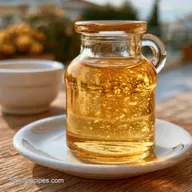
This simple syrup provides a neutral, sweet canvas without any added sugars, making it an excellent starting point for customizing your favorite daily lattes.
sugar-free base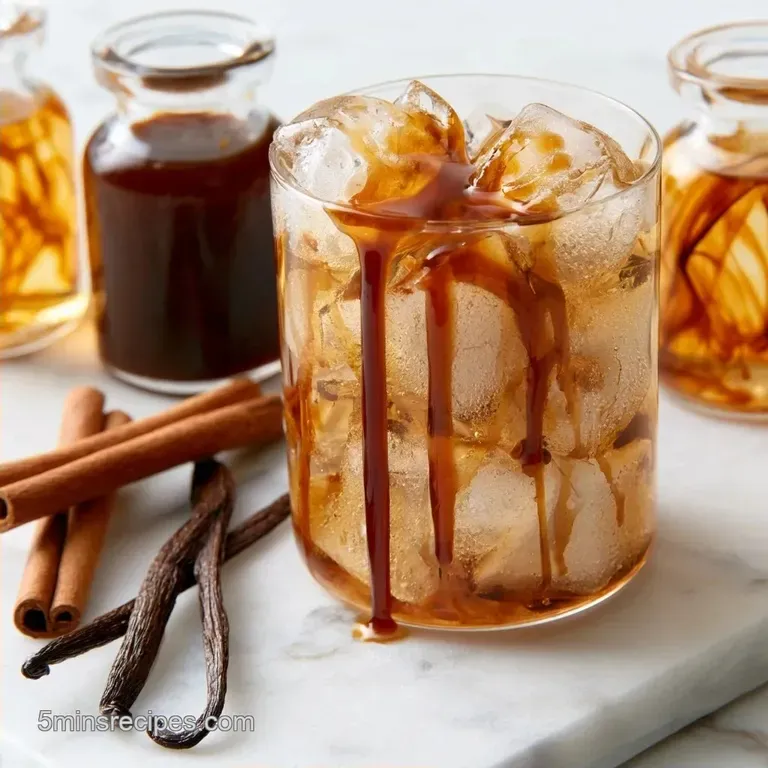
Morning routines get a quick upgrade when you can craft your own barista-style drinks at home without the high coffee shop prices. Making your own sweet flavorings allows you to control the ingredients, adjust the sweetness level, and experiment with seasonal flavors right in your kitchen.
These quick syrups come together on the stovetop in under thirty minutes, utilizing pantry staples or alternative sweeteners. Whether you prefer a classic rich sugar base or a lighter sugar-free option for your daily cold brew, this collection provides reliable, fast formulas to suit your taste.
Coffee syrup is a concentrated liquid sweetener formulated to dissolve quickly in both hot and cold liquids. Typically made by simmering water and sugar or sugar alternatives, these syrups act as a flavor carrier for extracts, spices, or brewed coffee.
Unlike granulated sugar, which can settle at the bottom of an iced latte, a syrup integrates completely to sweeten every sip evenly. Preparing them at home is straightforward, highly customizable, and free from the artificial preservatives frequently found in mass-produced commercial bottles.
Selecting the right recipe depends on your primary sweetener preference and how you plan to use the syrup. If you prioritize a traditional, thick texture that holds up well in hot lattes, a classic sugar-based syrup is your best option.
For those seeking lighter morning drinks or managing sugar intake, modern sugar-free recipes utilizing allulose or erythritol offer excellent sweetness without the bitter aftertaste of older sugar substitutes.
Consider starting with a simple vanilla flavor for versatility, then branch out to richer caramelized versions as you build your home coffee bar.
This group features zero-sugar sweeteners designed for those monitoring their sugar intake or following specific dietary routines. Unlike traditional sugar-based options, these recipes utilize alternative sweeteners like allulose to deliver a clean sweetness that dissolves seamlessly into hot or iced beverages.
This simple syrup provides a neutral, sweet canvas without any added sugars, making it an excellent starting point for customizing your favorite daily lattes.
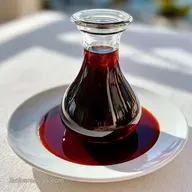
sugar-free baseSweetened with allulose, this aromatic blend brings a clean vanilla taste to your cup, mimicking classic coffeehouse drinks without the high sugar content.
vanilla flavorThese recipes use traditional granulated sugar as the base to create rich, classic syrups that mimic your favorite coffeehouse options. They offer a heavier body and a deep caramelized flavor profile that pairs exceptionally well with strong espresso and milk-based drinks.
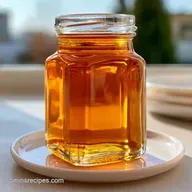
Using standard kitchen ingredients, this classic syrup delivers a rich, traditional sweetness that forms the backbone of any standard home coffee bar setup.
classic pantry staplesPerfect for home baristas, this recipe helps you explore creative flavor combinations to craft professional-quality drinks right in your own kitchen.
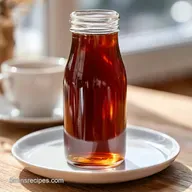
cafe-style varietyAn easy-to-follow basic syrup that focuses on simple techniques and quick cleanup, yielding a sweet liquid that pairs beautifully with strong black coffee.
minute coffee syrup| # | Recipes | Best For | Time | Difficulty | Sweetener | Flavor |
|---|---|---|---|---|---|---|
| 1 | Sugar Free Coffee Syrup in 14 Minutes | all-purpose sweetening | 14 min | Easy | Sugar-free substitute | Neutral sweet |
| 2 | Sugar Free Vanilla Syrup in 12 Minutes | sugar-free lattes | 12 min | Easy | Allulose | Vanilla |
| 3 | Coffee Syrup in 15 Minutes | traditional coffee drinks | 15 min | Easy | Granulated sugar | Neutral sweet |
| 4 | Flavored Coffee in 25 Minutes | barista-style espresso | 25 min | Easy | Granulated sugar | Customizable |
| 5 | Easy 15-Minute Coffee Syrup | quick hot coffee | 15 min | Easy | Granulated sugar | Classic sugar |
Discover more curated recipe collections
Explore more recipe collections →