Creamy Chicken Fettuccine Alfredo in 30 Minutes
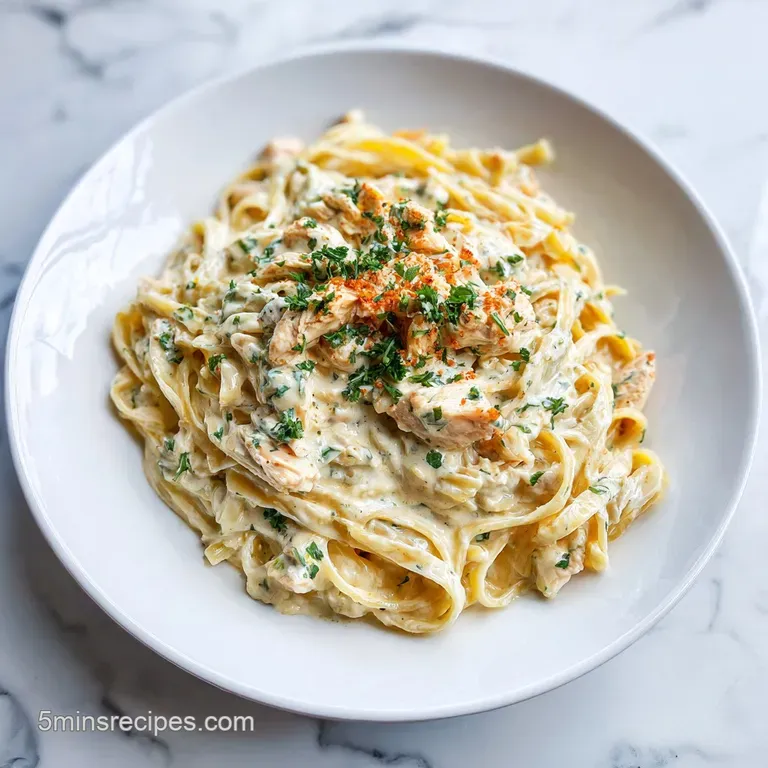
- Time: Active 10 minutes, Passive 20 minutes, Total 30 minutes
- Flavor/Texture Hook: Velvety, garlic forward sauce with golden seared, juicy chicken
- Perfect for: High speed weeknight dinners or impressive date nights
- Creamy Chicken Fettuccine Alfredo with Garlic and Parmesan in 30 Minutes
- The Science of Creating a Silky Smooth Sauce
- Precision Cooking Times for the Juiciest Pan Seared Chicken
- Sourcing High Quality Components for a Restaurant Grade Result
- Essential Kitchen Tools for a Fast and Efficient Pasta
- A Step By Step Guide to a Flawless Alfredo
- Fixing Common Texture Issues for a Perfectly Smooth Sauce
- Creative Twists and Ingredient Swaps for Any Dietary Need
- Adjusting for Larger or Smaller Crowds
- Debunking Common Kitchen Beliefs
- Maximizing Freshness Through Proper Storage and Reheating Methods
- Complementary Side Dishes to Round Out Your Italian Dinner
- Critical Level of Sodium
- Recipe FAQs
- 📝 Recipe Card
Creamy Chicken Fettuccine Alfredo with Garlic and Parmesan in 30 Minutes
The first time I tried making this, I ended up with a pan of oily noodles and what looked like scrambled cheese. It was a disaster. I was rushing, the pan was too hot, and I used that pre shredded cheese from a bag. You know the stuff it's coated in potato starch so it never actually melts into a sauce.
I stood there staring at my "dinner," realizing that even the most simple dishes require a bit of chef level strategy to get right.
But once you nail the timing, it’s a total shift in your kitchen routine. You hear that sharp sizzle the moment the chicken medallions hit the oil, and the aroma of toasted garlic starts filling the room. It’s a sensory signal that something incredible is happening.
This recipe delivers a Creamy Chicken Fettuccine Alfredo with Garlic and Parmesan in 30 Minutes, and it does so by respecting the science of the ingredients.
We are going to move fast, but we aren't going to skip the details. Forget the flour thickened "Alfredo" you see in jars; we are doing the real deal with heavy cream and butter. It's rich, it's velvety, and it clings to every strand of fettuccine like it belongs there. Let's crack on and get this on the table.
The Science of Creating a Silky Smooth Sauce
Fat Emulsification: When we whisk freshly grated Parmesan into warm heavy cream and butter, the proteins in the cheese suspend within the fat, creating a stable, velvety liquid.
Casein Stability: Using heavy whipping cream provides a high fat to water ratio, which prevents the cheese from "breaking" or turning into a clumpy, rubbery mess.
Starch Binding: A splash of starchy pasta water acts as a bridge, allowing the slick fat of the sauce to actually grip the smooth surface of the pasta.
| Thickness | Internal Temp | Rest Time | Visual Cue |
|---|---|---|---|
| 0.5 inch medallions | 165°F | 3 minutes | Golden brown crust, clear juices |
| 1 inch breast | 165°F | 5 minutes | Firm to the touch, opaque center |
| Thin cutlets | 165°F | 2 minutes | Edges slightly curled and crisp |
Getting the chicken right is the first step toward success. Most people overcook the meat because they fear undercooking it, but the secret is in the thinness. If you slice your 1.5 lbs chicken breast into thin medallions, they cook through in record time while the outside gets that beautiful, savory crust. If you are looking for more quick protein ideas, you might also enjoy my Chicken Tenderloin Recipe.
Precision Cooking Times for the Juiciest Pan Seared Chicken
When it comes to speed, the stovetop is your best friend for this dish. While the oven is great for large batches, it lacks the ability to create that deep, caramelized flavor we want for the chicken.
| Method | Time | Texture | Best For |
|---|---|---|---|
| Stovetop | 8-10 minutes | Crispy exterior, juicy interior | Fast weeknight meals |
| Oven | 18-22 minutes | Soft, uniform texture | Large groups (8+ people) |
I always recommend the stovetop for this specific recipe. The brown bits left in the pan after searing the chicken the "fond"-are concentrated flavor. When you melt the 1/2 cup unsalted butter in that same pan, you're picking up all those savory notes and incorporating them directly into the Alfredo sauce.
It’s a professional trick that adds a layer of complexity you just can't get with a clean pan.
Sourcing high-quality Components for a Restaurant Grade Result
The success of this dish hinges on the quality of your dairy and cheese. Since there are so few ingredients, there is nowhere for low quality items to hide. Use 1.5 lbs of fresh chicken breast and ensure it is patted completely dry before it hits the pan.
Moisture is the enemy of a good sear; if the chicken is wet, it will steam instead of sizzle.
| Component | Science Role | Pro Secret |
|---|---|---|
| Heavy Cream (2 cups) | Emulsion base | Use room temp cream to prevent sauce "shock" |
| Parmesan (1.5 cups) | Flavor & Thickener | Grate it yourself for a "shatter" texture that melts |
| Unsalted Butter (0.5 cup) | Fat & Mouthfeel | Add at the end for a glossy, professional finish |
1. The Pasta Foundation
Start by boiling a large pot of salted water. We are using 1 lb fettuccine, which takes about 10-12 minutes to reach al dente. Don't skip the salt in the water; this is your only chance to season the pasta itself.
2. Searing the Chicken
While the pasta cooks, heat 1 tbsp extra virgin olive oil in a large skillet. Season your chicken medallions with sea salt, cracked black pepper, and garlic powder. Sear them until they are golden and firm, then set them aside to rest.
3. Building the Garlic Base
In the same skillet, melt the butter over medium heat. Add the 4 cloves of minced garlic. You want to hear a gentle sizzle, not a roar. If the garlic turns brown, it will be bitter, so keep it moving until it smells fragrant and sweet.
Essential Kitchen Tools for a Fast and Efficient Pasta
You don't need a pantry full of gadgets, but a few specific tools make this process seamless. A large, heavy bottomed skillet (like a 12 inch cast iron or stainless steel) is non negotiable for even heat distribution. You'll also want a microplane or a box grater for that 1.5 cups of Parmesan cheese.
Chef's Tip: Freeze your block of Parmesan for 10 minutes before grating. This makes it firmer and easier to shred into those fine, wispy strands that melt instantly into the sauce.
Also, have a pair of tongs ready. Tongs are much better than a spoon for tossing 1 lb fettuccine with the sauce, ensuring every single noodle is evenly coated. If you like the idea of a sauce that really packs a punch, check out my Garlic Parmesan Sauce recipe which uses a similar flavor profile.
A step-by-step Guide to a Flawless Alfredo
- Boil the water. Use a large pot and add a generous tablespoon of salt.
- Prep the chicken. Slice the 1.5 lbs chicken into thin pieces and season well.
- Sear the meat. Cook in 1 tbsp olive oil for 4 minutes per side until golden and crackling. Note: Don't crowd the pan or the chicken won't brown properly.
- Cook the pasta. Drop the 1 lb fettuccine into the water. Aim for 1 minute less than the package directions.
- Aromatize the garlic. Melt 1/2 cup butter in the skillet and sauté 4 cloves of minced garlic for 1 minute.
- Simmer the cream. Pour in 2 cups heavy cream and 1/4 tsp nutmeg. Bring to a low simmer.
- Incorporate cheese. Whisk in 1.5 cups freshly grated Parmesan in three batches until the sauce is velvety.
- Combine. Add the cooked pasta directly to the skillet.
- Emulsify. Toss the noodles, adding a splash of pasta water if the sauce is too thick.
- Finish. Top with the seared chicken and 1 tbsp fresh parsley.
Fixing Common Texture Issues for a Perfectly Smooth Sauce
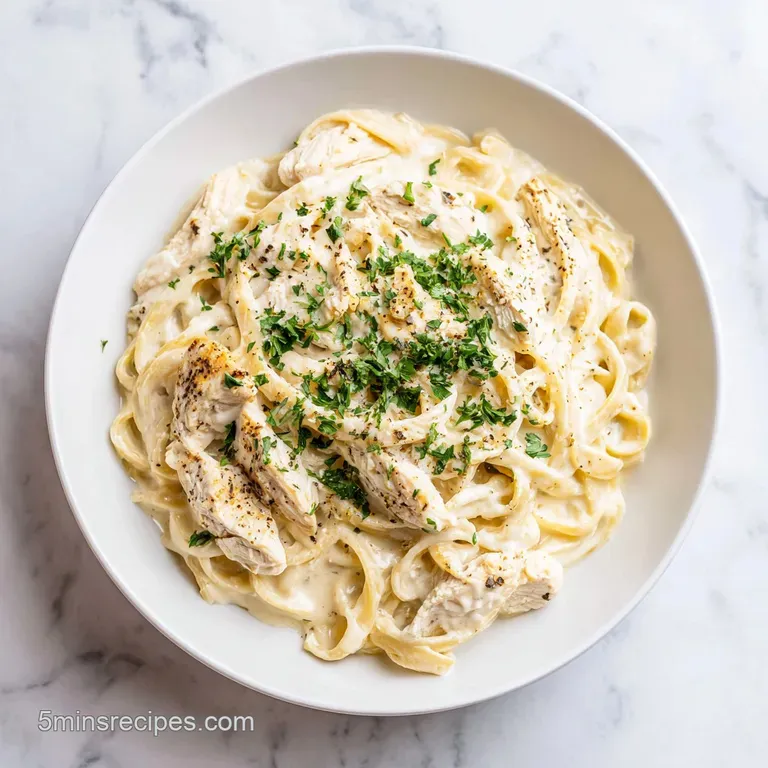
The biggest hurdle for most home cooks is the sauce consistency. If your heat is too high, the cheese will seize. If it’s too low, the sauce will stay thin and watery. You are looking for a gentle bubble, just enough to reduce the cream slightly before adding the cheese.
Why Your Sauce Is Oily
This usually happens when the emulsion breaks. If the sauce gets too hot, the fat separates from the solids. You'll see a layer of yellow oil sitting on top of the white sauce.
Why Your Chicken Is Dry
Overcooking is the culprit. Chicken breast is lean and dries out quickly once it passes 165°F. Using a meat thermometer is the only way to be 100% sure you're hitting that juicy sweet spot.
| Problem | Root Cause | Solution |
|---|---|---|
| Clumpy Cheese | Pre shredded cheese used | Use freshly grated Parmesan from a block |
| Thin Sauce | Not enough reduction | Simmer the cream for 2 more minutes before adding cheese |
| Bland Flavor | Lack of salt/acid | Add a tiny squeeze of lemon or more sea salt |
Common Mistakes Checklist
- ✓ Don't rinse the pasta after boiling; you need those starches to help the sauce stick.
- ✓ Never use high heat when adding the cheese; medium low is the safety zone.
- ✓ Avoid pre minced garlic in a jar; the flavor is muted and often metallic.
- ✓ Do not add the chicken back into the sauce too early, or the crust will get soggy.
Creative Twists and Ingredient Swaps for Any Dietary Need
While the classic version is hard to beat, life happens. Sometimes the store is out of heavy cream, or you're cooking for someone with a gluten sensitivity. You can still achieve a great result with a few smart adjustments.
| Original Ingredient | Substitute | Why It Works |
|---|---|---|
| Heavy Cream (2 cups) | Whole Milk + 1 tbsp Flour | Creates a thinner but still creamy "Bechamel style" base |
| Fettuccine (1 lb) | Zucchini Noodles | Low carb option. Note: Don't boil; just toss in the warm sauce |
| Parmesan (1.5 cups) | Pecorino Romano | Adds a saltier, sharper tang to the overall dish |
If you find yourself with extra chicken and want a different flavor profile for tomorrow, you might try a Baked Chicken Spaghetti recipe which uses a similar creamy base but a different cooking method.
Adjusting for Larger or Smaller Crowds
Scaling this recipe is straightforward, but you have to watch your liquid ratios. If you are doubling the recipe to serve 8, don't just double everything blindly.
- Scaling Down (1/2 batch): Use a smaller skillet and reduce the cream simmering time by about 3 minutes.
- Scaling Up (2x batch): Cook the chicken in two separate batches to ensure they sear rather than steam. Only increase the salt and spices by 1.5x to avoid over seasoning.
- Liquid Control: If you double the recipe, reduce the heavy cream by 10% (use 3.6 cups instead of 4) to prevent the sauce from becoming too soupy.
| Problem | Cause | Fix |
|---|---|---|
| Sauce is too thick | Too much evaporation | Whisk in 2 tbsp of warm pasta water |
| Pasta is mushy | Overboiled | Cook 2 minutes less next time; the sauce "cooks" it more |
| Garlic is burnt | Pan was too hot | Remove garlic, wipe pan, and start butter/garlic over |
Debunking Common Kitchen Beliefs
Many people believe you must add oil to the pasta water to keep the noodles from sticking. This is a myth. All the oil does is coat the pasta, which then prevents our beautiful Alfredo sauce from clinging to the noodles. Just use a large pot with plenty of water and stir the fettuccine occasionally.
Another common misconception is that "real" Alfredo contains cream. Traditionally, Roman Alfredo is just butter and cheese. However, the Americanized version with heavy cream is what we crave for that ultra velvety texture. Adding cream makes the sauce much more stable and forgiving for the home cook.
Maximizing Freshness Through Proper Storage and Reheating Methods
Storage: Keep leftovers in an airtight container in the fridge for up to 3 days. I don't recommend freezing this dish, as the cream and cheese emulsion will break upon thawing, resulting in a grainy texture.
Zero Waste: If you have leftover sauce but no pasta, use it as a base for a white pizza or as a dip for toasted bread. If you have extra chicken, it’s great sliced cold over a Caesar salad the next day.
Reheating: The microwave is the enemy of Alfredo. It will separate the fats and leave you with an oily mess. Instead, put the pasta in a skillet over low heat with a splash of milk or water. Stir constantly until it becomes creamy again.
Complementary Side Dishes to Round Out Your Italian Dinner
Since this dish is incredibly rich and heavy on the fats, you want sides that provide a sharp contrast. A crisp green salad with a bright lemon vinaigrette is the perfect palate cleanser between bites of creamy pasta.
- If you want more crunch, serve with roasted broccoli or garlicky green beans.
- If you want more comfort, a loaf of crusty sourdough is perfect for mopping up every last drop of sauce.
- If you want a lighter finish, skip the heavy garlic bread and go for a simple tomato and basil bruschetta.
This recipe is all about the balance of speed and technique. Once you see how easy it is to make a restaurant level sauce in your own kitchen, those jars at the store will never look the same again. Trust the process, keep an eye on your heat, and you'll have a dinner that everyone will swear took hours to prepare.
Enjoy the sizzle and that first velvety bite!
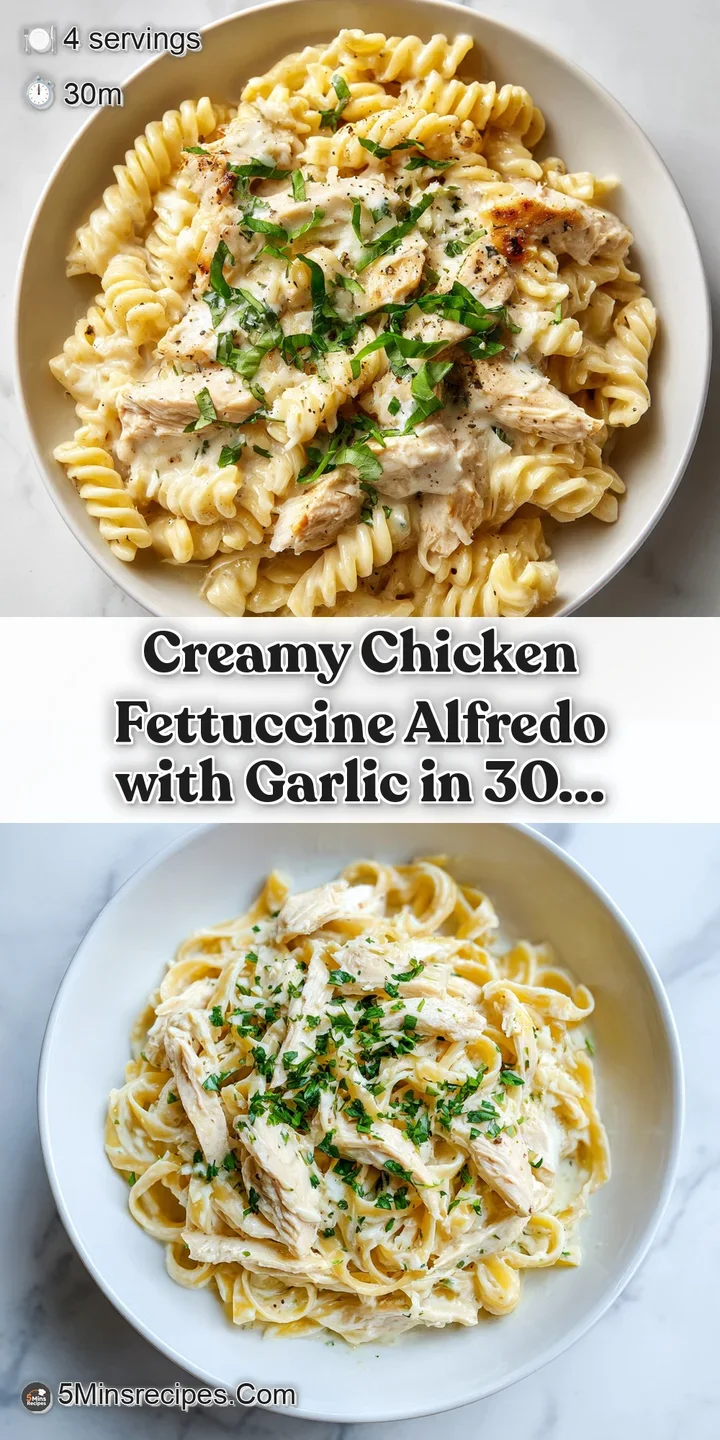
Critical Level of Sodium
1178 mg mg of sodium per serving (51% % of daily value)
The American Heart Association recommends limiting sodium intake to about 2,300mg per day for adults.
Sodium Reduction Tips for Fettuccine Alfredo
-
Reduce Parmesan-15%
Parmesan cheese is a significant source of sodium. Try reducing the amount of Parmesan by 1/2 cup and see if you still like the flavor. You can also consider using a lower sodium parmesan variety, if available.
-
Eliminate Added Salt-25%
This recipe already includes naturally occurring sodium from the Parmesan cheese. Eliminate the 1 tsp of sea salt completely and taste the dish before adding any additional salt.
-
Unsalted Butter
Ensure you are using unsalted butter, as regular butter contains added salt. This recipe already uses unsalted butter. This helps to control the overall sodium level.
-
Fresh is Best-5%
The recipe calls for garlic powder, which can contain added salt. Use freshly minced garlic instead of garlic powder to control the sodium content. The recipe already focuses on fresh ingredients, so ensure you’re not tempted to use pre-minced garlic in water!
-
Flavor with Herbs
Enhance the flavor of the dish with fresh herbs like basil, oregano, or thyme. These herbs are sodium free and can add depth and complexity to the flavor profile. Consider adding a pinch of red pepper flakes for some spice!
Recipe FAQs
What's the secret to a creamy Alfredo sauce?
Using high fat dairy and freshly grated cheese. The secret is creating a stable emulsion by whisking freshly grated Parmesan into warm heavy cream and butter; this suspends the cheese solids in the fat. Adding a little starchy pasta water later helps the slick sauce actually grip the noodles.
What are common mistakes when making Alfredo?
Using pre-shredded cheese or cooking the sauce too fast. Pre-shredded cheese contains anti caking agents like potato starch, which prevents smooth melting, causing clumps. Also, high heat when adding cheese will cause the proteins to seize, resulting in an oily, broken sauce.
Can I eat Alfredo while losing weight?
Yes, but modification is highly recommended. Alfredo is naturally high in fat and calories due to the cream and butter base. To make it lighter, you can substitute half the heavy cream with whole milk thickened slightly with a light roux, similar to how we stabilize sauces in our White Bean Turkey recipe for body.
What is the best way to prepare chicken for Chicken Alfredo with fettuccine noodles?
Slice the chicken breast thinly into medallions and pan-sear aggressively. Thin cuts cook quickly while developing a flavorful crust (fond) in the skillet, which you then use to build the sauce base. Make sure the chicken is completely dry before it hits the hot oil to maximize searing.
Is it true that I must use a heavy bottomed pan to prevent scorching the garlic?
No, this is a common misconception, though it helps with evenness. The primary risk with garlic is simply too high a heat setting. Sauté the minced garlic in butter over medium low heat until fragrant, ensuring it sweetens rather than browns, which would make the final sauce bitter.
How to save an Alfredo sauce that has separated or looks oily?
Remove the pan from the heat immediately and slowly whisk in a small amount of room temperature liquid. Use a tablespoon of milk or heavy cream at a time, whisking vigorously off the direct heat source to encourage the fats and solids to re-emulsify.
This controlled approach is key to recovering texture.
Can I make this recipe ahead of time?
No, this dish is best made fresh for optimal texture. Cream and cheese emulsions break down and separate upon refrigeration, leading to a grainy texture when reheated. If you must prep, cook the chicken and pasta separately, but combine and finish the sauce right before serving.
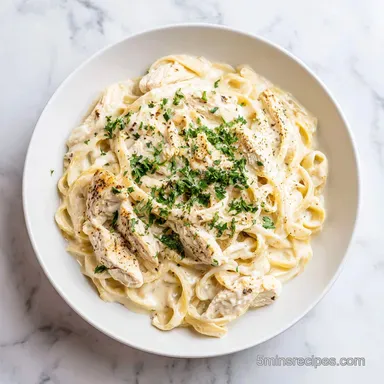
30 Minute Chicken Alfredo
Ingredients:
Instructions:
Nutrition Facts:
| Calories | 1486 kcal |
|---|---|
| Protein | 80.8 g |
| Fat | 83.7 g |
| Carbs | 89.4 g |
| Fiber | 3.8 g |
| Sugar | 4.2 g |
| Sodium | 1178 mg |
