Chicken Carbonara: Silky Sauce Pasta
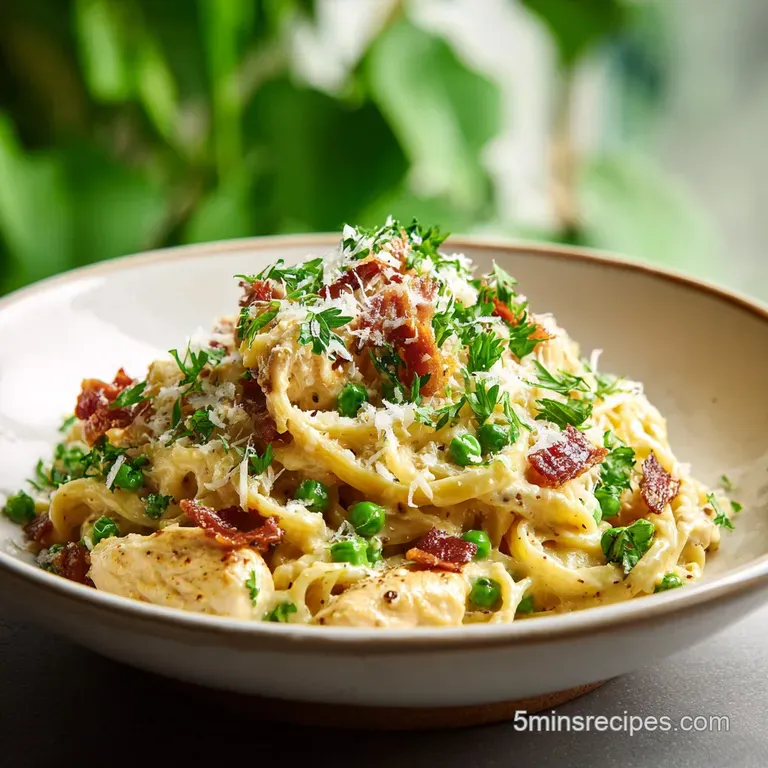
- Time: Active 10 mins, Passive 15 mins, Total 25 mins
- Flavor/Texture Hook: Velvety egg sauce with crispy bacon
- Perfect for: High speed weeknight dinners
- Mastering a budget-friendly Chicken Carbonara Recipe
- The Physics of the Emulsion
- Component Analysis
- The Essential Ingredient List
- Required Kitchen Tools
- Step-by-Step Cooking Method
- Fixing Common Cooking Mistakes
- Smart Dietary Substitutions
- Power of Residual Heat
- Kitchen Myths Debunked
- Storage and Leftover Tips
- Perfect Side Dish Pairings
- Very High in Sodium
- Recipe FAQs
- 📝 Recipe Card
Mastering a budget friendly Chicken Carbonara Recipe
The sizzle of bacon hitting a cold pan is the heartbeat of my kitchen every Tuesday. There is something about that rhythmic pop and the way the fat renders into a liquid gold that makes the day's stress just vanish.
I remember the first time I tried to make this for a date; I was so nervous I let the pan get screaming hot and ended up serving my guest "Spaghetti with Scrambled Eggs." It was a rubbery, dry disaster that we ended up laughing over while eating cereal.
That failure sent me on a mission to understand the actual mechanics of the sauce. I realized that Chicken Carbonara isn't about brute force or high heat; it’s a delicate dance of residual energy.
You aren't "cooking" the sauce in the traditional sense; you are creating a stable emulsion that coats every strand of pasta in a velvety embrace. Once you nail that timing, you’ll never look at a jar of white sauce again.
We are going to use a budget smart approach here. While traditionalists might insist on guanciale, we are sticking with thick cut bacon because it’s accessible and provides that essential smoky punch.
This version is built for speed and reliability, ensuring the chicken stays juicy while the pasta achieves that signature glossy finish. Let’s get into the logic of how this works so you can cook with total confidence.
The Physics of the Emulsion
Protein Denaturation: Egg yolks thicken at 149°F (65°C), creating a creamy structure without the need for flour based thickeners or heavy creams.
Starch Suspension: The pasta water contains loose starches that act as a bridge, binding the rendered bacon fat and the eggs into a unified, glossy coating.
Carryover Energy: Residual heat from the boiled noodles provides just enough thermal energy to pasteurize the eggs without scrambling them into clumps.
| Chicken Thickness | Internal Temp | Rest Time | Visual Cue |
|---|---|---|---|
| 1/2 inch strips | 165°F (74°C) | 2 mins | Opaque and firm |
| 1/4 inch medallions | 165°F (74°C) | 1 min | Edges start to curl |
| 1 inch cubes | 165°F (74°C) | 3 mins | No pink in center |
Using the right cut of chicken is the first step toward a professional result. If you slice the 500g of chicken breast into thin, uniform strips, they will sear in record time, keeping the interior moist while the exterior picks up flavor from the bacon fat.
Component Analysis
| Ingredient | Science Role | Pro Secret |
|---|---|---|
| Egg Yolks | Emulsifier | Use room temp eggs to prevent the sauce from "shocking" and breaking. |
| Pecorino Romano | Sharpness/Salt | This cheese has a lower melting point than Parmesan, helping the sauce stay fluid. |
| Pasta Water | Liquid Gold | The starch prevents the proteins in the egg from bonding too tightly (scrambling). |
You might be tempted to use pre grated cheese from a green can, but please, for the love of dinner, grate it yourself. Pre shredded cheeses are coated in potato starch or cellulose to prevent clumping in the bag, but that same coating will make your sauce grainy. A microplane is your best friend here.
The Essential Ingredient List
For this Chicken Carbonara, we are focusing on high impact, low cost ingredients that punch above their weight class.
- 400g (14 oz) Spaghetti or Bucatini: The backbone of the dish. Why this? Long noodles provide the surface area needed for the sauce to cling.
- Substitute: Fettuccine or Linguine work well if spaghetti is out.
- 1 tbsp Sea salt: For the pasta water. Why this? It's the only chance to season the actual noodle interior.
- Substitute: 1.5 tsp table salt.
- 500g (2 large) Chicken breasts: Thinly sliced. Why this? Lean protein that absorbs the smoky bacon flavor.
- Substitute: Chicken thighs for more moisture, though they take 2 mins longer.
- 150g (5 oz) Thick cut bacon: Diced into batons. Why this? Provides the essential fat base for the entire sauce.
- Substitute: Pancetta is traditional; turkey bacon works but needs 1 tbsp olive oil.
- 2 cloves Garlic: Smashed. Why this? Infuses the oil with aroma without burning easily.
- Substitute: 1/2 tsp garlic powder added to the egg mixture.
- 1 tsp Freshly cracked black pepper: Be generous. Why this? The "carbon" in carbonara it provides the necessary bite.
- Substitute: White pepper for a more floral, less aggressive heat.
- 3 large Egg yolks + 1 large Egg: Room temperature. Why this? Yolks provide fat and color; the whole egg adds volume.
- Substitute: Use 2 whole eggs if you want a lighter, less rich sauce.
- 60g (2 oz) Pecorino Romano: Finely grated. Why this? Salty, sheep’s milk tang that defines the dish.
- Substitute: Extra Parmesan if Pecorino is too salty for you.
- 40g (1.5 oz) Parmesan Reggiano: Finely grated. Why this? Adds a nutty, complex finish.
- Substitute: Grana Padano for a budget friendly nutty alternative.
- 120ml (1/2 cup) Reserved pasta water: Essential liquid. Why this? It bridges the gap between fat and protein.
Required Kitchen Tools
You don't need a professional kitchen, but a few specific tools make this "chef level" execution possible. A large stainless steel or cast iron skillet is better than non stick because it allows the chicken to develop a proper sear. You'll also need a large pot for the pasta and a heat proof bowl for mixing the eggs.
I highly recommend using a pair of tongs rather than a pasta fork. Tongs allow you to move the noodles directly from the water to the pan, bringing just the right amount of moisture with them. This is a technique I picked up from a Lemon Pepper Chicken recipe that also relies on a quick pan sauce emulsion.
step-by-step Cooking Method
- Prep the base. Whisk the 3 egg yolks, 1 whole egg, Pecorino, and Parmesan in a bowl until it forms a thick, pale paste. Add the black pepper here. Note: Mixing the cheese and eggs early allows them to hydrate together.
- Boil the pasta. Drop the spaghetti into salted boiling water. Cook for 1-2 minutes less than the package says. Wait for the "al dente" snap.
- Render the fat. Place the bacon in a cold skillet and turn to medium heat. Cook 5-7 minutes until the edges are crisp and brown.
- Sear the chicken. Push the bacon to the sides and add the chicken strips. Sauté for 4-5 minutes until golden and fully cooked through.
- Aromatize. Toss in the smashed garlic cloves for the last 2 minutes. Remove the garlic once it smells toasted.
- Reserve the liquid. Before draining, dip a measuring cup into the pot to save 120ml of starchy water.
- Combine. Add the hot pasta directly to the skillet with the chicken and bacon. Toss vigorously to coat the noodles in the rendered fat.
- The Cooling Phase. Turn off the heat completely. Move the skillet to a cool burner. Note: This prevents the eggs from scrambling instantly.
- The Emulsion. Pour in the egg and cheese mixture while tossing the pasta constantly with tongs.
- Adjust. Slowly drizzle in the reserved pasta water while tossing until the sauce is velvety and glossy.
Chef's Tip: Freeze your bacon for 10 minutes before dicing. It firms up the fat, allowing you to cut perfectly clean batons without the meat sliding around under your knife.
Fixing Common Cooking Mistakes
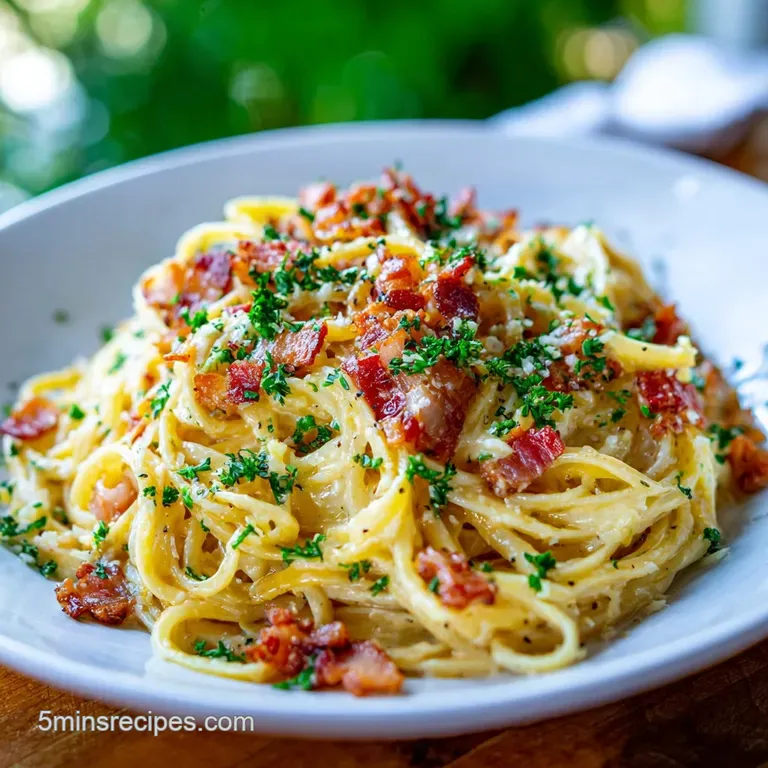
Scrambled Egg Texture
The most common heartbreak in Italian cooking is seeing little white clumps of cooked egg instead of a smooth sauce. This happens when the pan is over 160°F when the eggs are added. The eggs "seize" and the proteins bond tightly together, squeezing out the moisture.
Greasy or Separated Sauce
If your pasta looks oily rather than creamy, you didn't have enough starch water to bind the fat. It’s a common issue when using gluten-free pasta or if the pasta water wasn't salty enough to draw out the starches.
| Problem | Root Cause | Solution |
|---|---|---|
| Clumpy Sauce | Pan too hot | Add a splash of cold water and whisk vigorously off heat. |
| Dry Noodles | Not enough water | Add reserved pasta water 1 tablespoon at a time. |
| Bland Flavor | Lack of seasoning | Add more Pecorino or a pinch of salt at the very end. |
Common Mistakes Checklist
- ✓ Never add the eggs while the burner is still turned on.
- ✓ Do not rinse your pasta; you need that surface starch for the sauce to stick.
- ✓ Ensure eggs are at room temperature to avoid breaking the emulsion.
- ✓ Use a large enough skillet so the pasta isn't overcrowded, which prevents even coating.
- ✓ Whisk the eggs and cheese thoroughly before they touch the heat.
Smart Dietary Substitutions
If you need to pivot based on what's in your pantry or your dietary needs, Chicken Carbonara is surprisingly flexible. If you are looking for a different flavor profile altogether, you might enjoy the kick in my Bang Bang Chicken recipe, which also uses a fast sear technique.
The gluten-free Swap
You can easily use gluten-free spaghetti. However, GF pasta water often lacks the same level of starch. To compensate, whisk 1/2 teaspoon of cornstarch into your egg mixture. This provides the "glue" that the GF water might be missing.
The Bright Zest Twist
If the dish feels too heavy, zest half a lemon over the final plate. The acidity cuts through the richness of the egg yolks and bacon fat, brightening the entire flavor profile without changing the core mechanics of the recipe.
| If you want... | Do this... |
|---|---|
| Extra Creaminess | Add one extra egg yolk and 2 tbsp of the pasta water. |
| A Lighter Version | Swap half the bacon for sautéed mushrooms or peas. |
| More Heat | Increase black pepper to 2 tsp and add a pinch of red chili flakes. |
Power of Residual Heat
The "off heat" method is the secret that separates home cooks from chefs. By using the thermal mass of the pasta itself to cook the egg, you control the rate of coagulation. It is the same logic used in professional custard making.
When the pasta hits the egg, it raises the temperature just enough to create a safe, thick sauce without crossing the threshold into "omelet" territory.
Kitchen Myths Debunked
One of the biggest myths is that you need heavy cream to make carbonara "creamy." In fact, adding cream is often considered a shortcut to cover up a broken emulsion. Real creaminess comes from the suspension of fat in water via the egg yolks.
Another misconception is that you should sear the chicken until it’s dark brown. While a Maillard reaction is great for flavor, over searing chicken strips makes them tough. Since they are small, aim for a light golden hue to ensure they stay juicy when they meet the sauce.
Storage and Leftover Tips
Fridge Storage: Store leftovers in an airtight container for up to 2 days. Be warned: the sauce will thicken and lose its gloss once cold.
Freezing: I do not recommend freezing this dish. The egg based sauce will break and become grainy upon thawing, ruining the texture entirely.
Zero Waste Tip: Don't toss those leftover egg whites! Store them in a small jar in the fridge for up to 4 days. They make a fantastic high protein scramble the next morning or can be used for a quick batch of meringues.
If you have leftover bacon fat in the pan, save it in a glass jar in the fridge to use for roasting potatoes later in the week.
Perfect Side Dish Pairings
Because this dish is incredibly rich and savory, you want sides that provide contrast. Think acidity, bitterness, or crunch.
Bitter Greens Salad
A simple arugula or radicchio salad with a sharp balsamic vinaigrette is the ideal partner. The bitterness of the greens resets your palate after every creamy bite of pasta.
Charred Broccolini
Toss some broccolini with lemon juice and red pepper flakes. The slight char provides an earthy depth that complements the smokiness of the bacon without competing for the spotlight.
This recipe proves that you don't need a huge budget to create a meal that feels like a celebration. Just keep an eye on that heat, trust the pasta water, and you'll have a record time dinner that everyone will swear came from a bistro. Let's crack on!
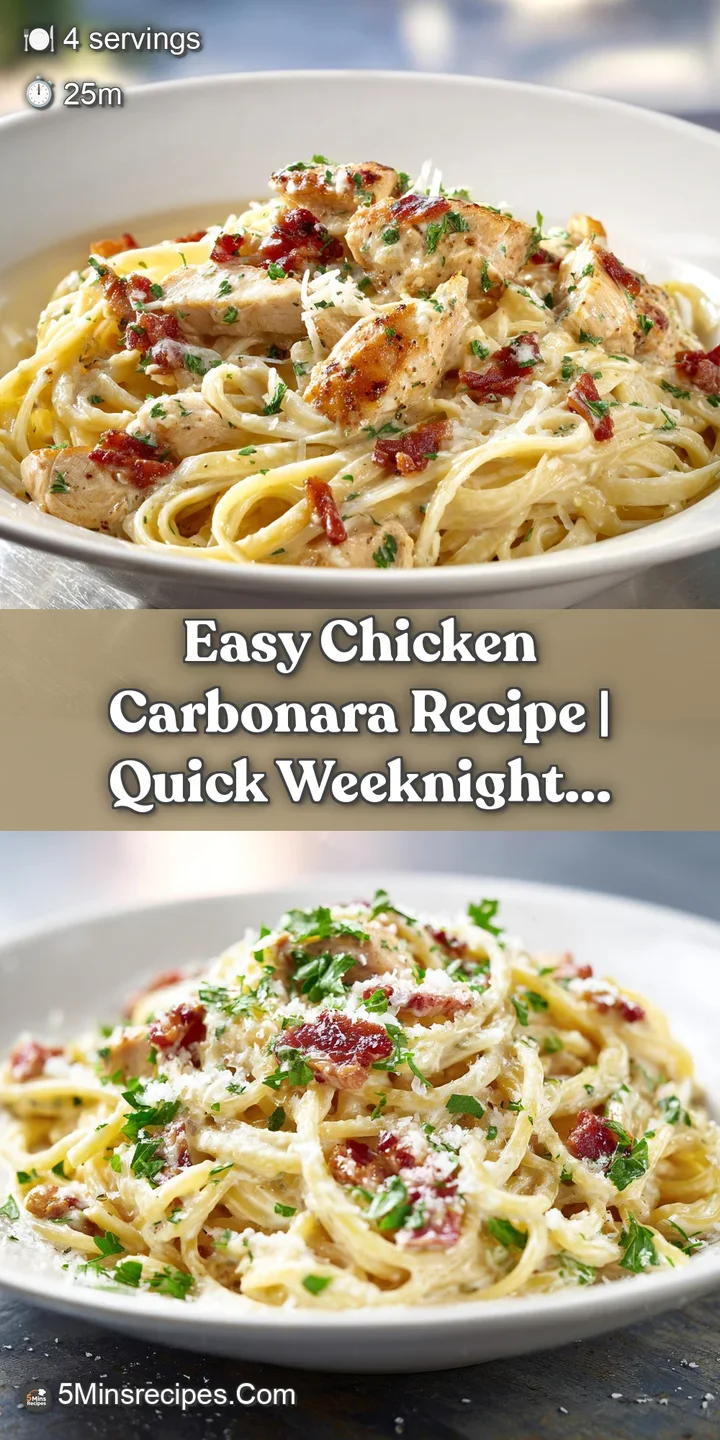
Very High in Sodium
1340 mg mg of sodium per serving (58% % of daily value)
The American Heart Association recommends limiting sodium intake to no more than 2,300mg per day for most adults. This recipe greatly exceeds that limit.
Sodium Reduction Tips for Carbonara
-
Lower Sodium Bacon-25%
Thick cut bacon is a significant source of sodium. Opt for low-sodium bacon or use a smaller amount (e.g., 75g instead of 150g), or even substitute with sautéed mushrooms for a similar umami flavor but without the added sodium.
-
Reduce Cheese Amount-15%
Pecorino Romano and Parmesan Reggiano are naturally high in sodium. Reduce the quantity of each cheese by half (30g Pecorino, 20g Parmesan) or substitute part of it with a low-sodium mozzarella to maintain texture and flavor.
-
Eliminate Added Salt-25%
The recipe calls for a tablespoon of sea salt for pasta water. Omit the added salt entirely. The pasta water still contributes to flavor and starch content, but significantly reduces the sodium load.
-
Unsalted Pasta Water-10%
While completely omitting salt might affect taste, reduce the amount significantly when cooking the pasta. Start with a pinch of salt, tasting the pasta as it cooks to gauge the need for more. Remember some salt is already in the other ingredients.
-
Fresh Chicken-5%
Ensure your chicken breasts are fresh and not pre-treated with sodium solutions. Check the packaging carefully. Avoid any chicken labeled as 'enhanced' or 'plumped'.
-
Enhance with Herbs
Use fresh herbs like parsley, thyme, or chives to enhance the flavor of your carbonara without adding sodium. A squeeze of lemon juice can also brighten the dish.
Recipe FAQs
What's in chicken carbonara?
Chicken, pasta, cured pork, eggs, and hard cheese. The sauce is made primarily from emulsified egg yolks, Pecorino Romano, grated Parmesan, black pepper, and rendered bacon fat, bound by starchy pasta water.
What are the 4 traditional ingredients in Italian carbonara?
Guanciale, Pecorino Romano, eggs, and black pepper. Chicken is a common, Americanized addition; the core technique relies only on fat, salt, cheese, and egg for the sauce.
What's the difference between chicken carbonara and chicken alfredo?
Carbonara uses eggs and cheese for an emulsion; Alfredo uses heavy cream. Alfredo sauce is cooked on the stovetop until thickened, whereas Carbonara’s sauce is set by the residual heat of the pasta off the burner.
What are common carbonara mistakes to avoid?
Never add eggs while the pan is hot, and never rinse the pasta. Adding eggs when the pan is too hot causes scrambling, while rinsing the pasta removes the essential starches needed to bind the fat and egg.
How do I stop my carbonara sauce from becoming scrambled eggs?
Turn the heat off completely before adding the egg mixture. The residual heat from the freshly drained, hot pasta is just enough to gently cook the eggs into a silky sauce without denaturing the proteins fully.
Can I use cream instead of eggs for a faster, guaranteed sauce?
No, using cream fundamentally changes the dish into an Alfredo hybrid. The classic texture relies on egg yolks creating a stable emulsion with fat; if you master this emulsion control, you will achieve a superior, authentic coating, similar to how technique controls liquid in our Creamy Chicken Noodle recipe.
Should I cook the chicken first or render the bacon first?
Render the bacon fully first to create the fat base. Cook the chicken in the rendered bacon fat until golden, then remove the garlic before adding the pasta to the pan.
Chicken Carbonara Pasta Recipe
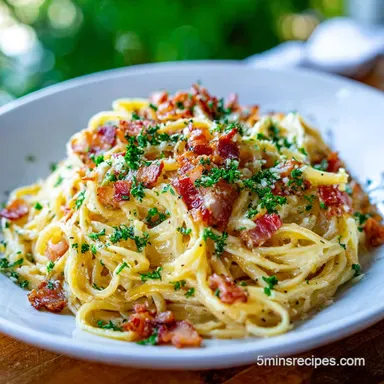
Ingredients:
Instructions:
Nutrition Facts:
| Calories | 838 kcal |
|---|---|
| Protein | 59.6 g |
| Fat | 31.2 g |
| Carbs | 78.4 g |
| Fiber | 3.2 g |
| Sugar | 2.1 g |
| Sodium | 1340 mg |
