Fluffy Cottage Cheese Bread

- Time: Active 15 minutes, Passive 45 minutes, Total 60 minutes
- Flavor/Texture Hook: Savory, nutty, and slightly tangy with a golden, seeded crust
- Perfect for: Busy weekday breakfasts and high protein meal prep
- The Best Simple Cottage Cheese Bread
- The Science of the Crumb
- Kitchen Timeline for Busy Mornings
- The High Protein Component List
- Tools for a Seamless Bake
- Steps to a Golden Loaf
- Fixing Your Texture Issues
- Smart Swaps and Dietary Tweaks
- Keeping Your Loaf Fresh
- Best Toppings and Pairings
- Myths about Protein Breads
- Recipe FAQs
- 📝 Recipe Card
The Best Simple Cottage Cheese Bread
I remember standing in my kitchen at 6:45 AM, coffee barely touching my lips, staring at a half empty tub of cottage cheese. I was completely over my usual scrambled eggs but knew I needed a protein heavy start to survive a day of school runs and back-to-back meetings.
On a whim, I blended those curds with some almond flour, tossed in a handful of seeds, and hoped for the best.
The aroma that hit me forty minutes later was life changing. It wasn't that sharp, overly healthy smell you get with some gluten-free bakes; it was nutty, warm, and comforting. When I finally sliced into it, the "shatter" of the seeded crust gave way to a velvety, moist center.
My kids didn't even ask what was in it, they just reached for the butter.
This recipe is my secret weapon for those hectic weeks when "eating well" feels like a chore. It’s dense enough to hold up under a thick layer of avocado but light enough that you don't feel weighed down. If you've ever struggled with grain free breads that turn out like bricks, trust me, this one is different.
It’s a total staple in our house now, and I bet it’ll be one in yours too.
The Science of the Crumb
Understanding how these ingredients interact makes the difference between a soggy mess and a perfect slice.
- Protein Polymerization: The casein protein in the cottage cheese works with the egg whites to form a structural web that mimics gluten.
- Acid Base Lift: Apple cider vinegar reacts instantly with the large amount of baking powder to create micro bubbles, ensuring the loaf doesn't end up flat.
- Lipid Binding: The fats in the full fat cottage cheese and almond flour coat the starch particles in the oat flour, which prevents a rubbery texture and keeps the bread moist for days.
| Method | Time | Texture | Best For |
|---|---|---|---|
| Standard Oven | 45 mins | Evenly golden, sturdy crust | Slicing for sandwiches |
| Stovetop (Skillet) | 12 mins | Crispy edges, dense middle | Quick single serve "flatbread" |
| Air Fryer | 30 mins | Extra crunchy exterior | Smaller, faster loaves |
This bread is surprisingly versatile, much like the base of my Protein Pasta with recipe which uses similar ingredients for a creamy finish.
Kitchen Timeline for Busy Mornings
Getting this on the table doesn't require a culinary degree, just a bit of timing.
- Prep (Minutes 0-15): Preheat your oven to 180°C and line your loaf tin. This is the time to blend your liquids until they are completely smooth. Do not skip the blending!
- Execution (Minutes 15-60): Mix your dry ingredients into the wet emulsion. Once it’s in the tin, top with those seeds and let the oven do the heavy lifting while you pack school lunches or finish your coffee.
- The Finish (Post-60 mins): The most important part is the rest. If you cut it while it’s steaming, the inside will seem gummy. Give it 20 minutes on a wire rack to set.
The High Protein Component List
The magic of this Cottage Cheese Bread lies in the quality of these specific ingredients.
- 2 cups (450g) full fat cottage cheese: The backbone of the recipe. Why this? Provides moisture and the primary protein structure for the bread.
- 4 large eggs, room temperature: These act as the binder. Why this? Room temp eggs emulsify better with the cheese for a smoother batter.
- 1 tsp apple cider vinegar: The chemical catalyst. Why this? Activates the baking powder for maximum rise.
- 2 cups (200g) super fine almond flour: The grain free base. Why this? Offers a nutty flavor and healthy fats for a tender crumb.
- 1/2 cup (60g) oat flour: Adds much needed stability. Why this? Absorbs excess moisture better than almond flour alone.
- 2 tbsp baking powder: The leavening agent. Why this? A large amount is needed to lift the heavy protein dense batter.
- 1/2 tsp fine sea salt: Enhances all the savory notes.
- 2 tbsp raw sunflower seeds: For the "shatter" on the crust.
- 1 tbsp flax seeds: Adds fiber and a subtle earthy crunch.
- 1 tsp poppy seeds: For visual appeal and tiny bursts of texture.
Tools for a Seamless Bake
You don't need a fancy bakery setup, but a few specific tools make this much easier. A high speed blender is non negotiable if you want a smooth texture; otherwise, you'll have chunks of curd in your bread.
I also highly recommend using a standard 9x5 inch loaf pan, preferably metal rather than glass, as metal conducts heat more efficiently for that golden crust.
Chef's Tip: Use parchment paper and leave a "sling" (excess paper hanging over the sides). This allows you to lift the bread out effortlessly without scratching your pan or breaking the loaf.
Steps to a Golden Loaf
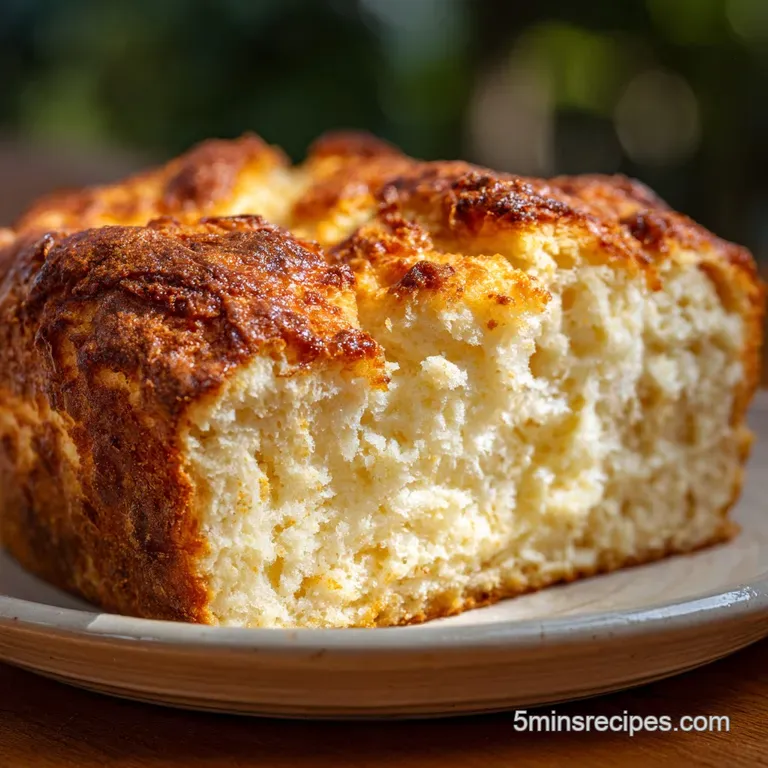
- Preheat the oven to 180°C. Note: A hot oven is crucial for that initial spring.
- Blend 2 cups (450g) cottage cheese, 4 eggs, and 1 tsp apple cider vinegar until the mixture is completely silky and bubbles form.
- Whisk 2 cups (200g) almond flour, 1/2 cup (60g) oat flour, 2 tbsp baking powder, and 1/2 tsp salt in a large bowl.
- Combine the blended liquid into the dry mix. Stir gently until no dry streaks remain.
- Transfer the batter into your lined loaf pan. Note: The batter will be thicker than pancake batter but thinner than traditional dough.
- Sprinkle the 2 tbsp sunflower seeds, 1 tbsp flax seeds, and 1 tsp poppy seeds evenly across the top.
- Bake for 45 minutes until the top is deep golden and a toothpick comes out clean.
- Cool in the pan for 10 minutes, then move to a wire rack.
Fixing Your Texture Issues
Even the best of us have kitchen mishaps. If your loaf doesn't look like the photos, it’s usually a quick fix for next time.
The Sunken Center
If your bread looks beautiful in the oven but craters the moment you pull it out, it’s usually an issue with the leavening or the temperature. High protein breads are sensitive to sudden cold.
| Problem | Root Cause | Solution |
|---|---|---|
| Gummy middle | Underbaked or cut too soon | Bake 5 mins longer; cool completely on a rack |
| Flat loaf | Expired baking powder | Check dates; avoid opening oven door early |
| Bitter aftertaste | Too much baking powder | Ensure level measurements; use aluminum free powder |
Common Mistakes Checklist
- ✓ Don't use low-fat cottage cheese; the lack of fat results in a dry, spongy texture.
- ✓ Ensure your eggs are truly at room temperature to prevent the cheese fat from seizing.
- ✓ Avoid over blending the dry ingredients; just stir them in until incorporated.
- ✓ Never skip the cooling time, as the internal structure continues to set while cooling.
Smart Swaps and Dietary Tweaks
You can easily adapt this Cottage Cheese Bread to fit what's in your pantry. If you are looking for other bakes that handle substitutions well, my Libby's Pumpkin Bread Recipe is another great one for busy mornings.
| Original Ingredient | Substitute | Why It Works |
|---|---|---|
| Almond Flour | Sunflower Seed Flour | Nut free; provides similar fat and density |
| Oat Flour | Coconut Flour (1/4 cup) | Use less! It is highly absorbent. Note: Texture will be drier. |
| ACV | Lemon Juice | Provides the same acidity to react with baking powder |
The Carnivore Variation
For a version that is even higher in animal protein, you can swap the oat flour for an additional 1/2 cup of almond flour and add 1/4 cup of grated parmesan cheese to the batter. This creates a more savory, cheese forward loaf that pairs beautifully with deli meats.
Keeping Your Loaf Fresh
Since this bread is high in moisture and protein, it won't sit on the counter as long as store-bought white bread.
Storage: Keep it in the fridge in an airtight container for up to 5 days. I actually prefer it on day two; the flavors meld and the texture becomes even easier to slice thin.
Freezing: This bread freezes like a dream. Slice the entire loaf first, then place pieces of parchment paper between the slices. Toss them in a freezer bag for up to 3 months. You can pop a frozen slice directly into the toaster, and it comes out perfectly crispy.
Zero Waste Tip: If you have the ends of the loaf that are getting a bit dry, don't toss them! Cut them into cubes, toss with olive oil and garlic salt, and bake them at 180°C for 10 minutes. They make the most incredible high protein croutons for your salads.
Best Toppings and Pairings
This bread is a savory powerhouse, but it can play double duty. My favorite way to eat it is toasted with a generous smear of salted butter and a drizzle of honey. The saltiness of the cottage cheese base against the sweetness of the honey is incredible.
For a busy morning, I’ll top a slice with mashed avocado, a squeeze of lime, and a pinch of red pepper flakes. Because the bread itself is so high in protein (over 11g per slice!), it turns a simple piece of toast into a full, satisfying meal. It also holds up surprisingly well when used for French toast just like my French Toast Muffins Recipe, it soaks up the custard without falling apart.
Myths about Protein Breads
Myth: Cottage cheese makes the bread taste like cheese. Truth: Once baked, the distinct "cheesy" flavor disappears, leaving behind a neutral, slightly tangy, and rich savory note that tastes more like a sourdough or a high end wheat bread.
Myth: You can't get a good rise without yeast. Truth: While this isn't a fluffy brioche, the combination of apple cider vinegar and a significant amount of baking powder creates enough lift to keep the loaf airy and sliceable. It’s all about the chemistry of the bubbles!

Recipe FAQs
Is cottage cheese bread healthier than regular bread?
Yes, generally it is significantly healthier. This bread offers substantially higher protein and lower net carbohydrates compared to traditional white or wheat bread, making it excellent for satiety.
Can you make bread with cottage cheese and flour?
Yes, you can definitely make bread using both ingredients. The cottage cheese acts as the primary binder and moisture source, while the flour (almond/oat in this case) provides necessary structure.
Is cottage cheese okay for losing weight?
Yes, cottage cheese is an excellent food for weight loss. It is low in calories relative to its high protein content, which aids muscle preservation and keeps you feeling full longer.
Can you make flat bread with cottage cheese?
Yes, simply adapt the cooking method for a flatbread style. Pour the batter into a hot, oiled skillet instead of a loaf pan and cook for about 12 minutes total, flipping halfway through, for a quick result.
Does this bread require room temperature eggs?
Yes, using room temperature eggs is highly recommended for the best texture. Cold eggs emulsify poorly with the cottage cheese fat, which can lead to a slightly separated or grainy batter structure.
Why is my cottage cheese bread dense instead of fluffy?
The density is usually caused by insufficient leavening or underbaking. Ensure your baking powder is fresh and avoid opening the oven door during the first 30 minutes of baking to allow the protein structure to set.
Can I substitute the almond flour for coconut flour?
No, you should not directly substitute almond flour 1:1 with coconut flour. Coconut flour is extremely absorbent; you must use significantly less (about one-quarter the amount) or the resulting bread will be dry and crumbly.
Cottage Cheese Bread Recipe
Ingredients:
Instructions:
Nutrition Facts:
| Calories | 192 kcal |
|---|---|
| Protein | 11.1 g |
| Fat | 13.5 g |
| Carbs | 8.4 g |
| Fiber | 2.5 g |
| Sugar | 1.4 g |
| Sodium | 315 mg |
