Roasted Yukon Gold Potatoes with Rosemary
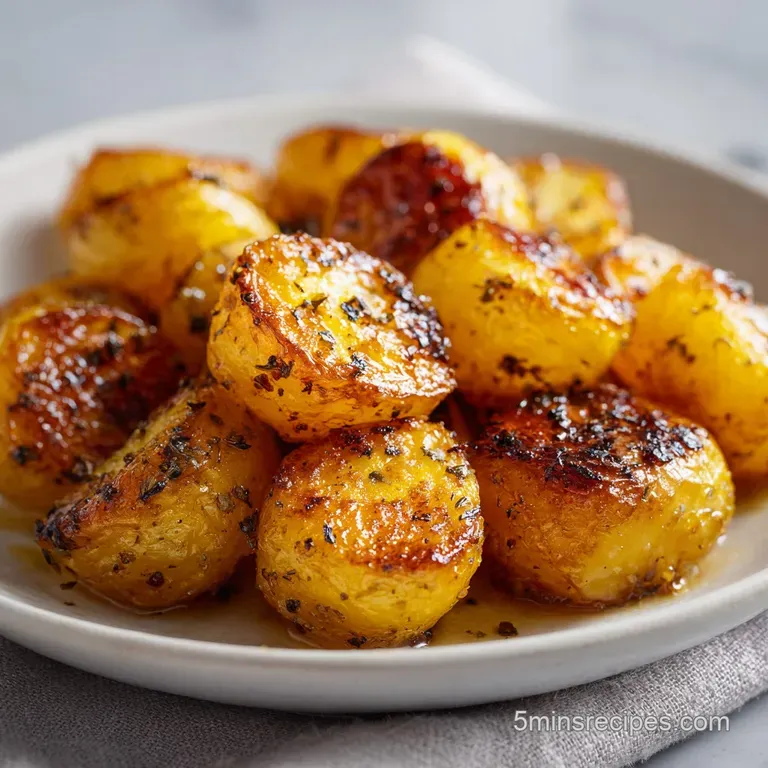
- Time: Active 5 minutes, Passive 20 minutes, Total 25 minutes
- Flavor/Texture Hook: Shatter crisp exterior with a velvety, melt in-your mouth center
- Perfect for: Rapid weeknight dinner sides or impressive holiday spreads
- Master the Ultimate Crispy Yukon Gold Potatoes
- Why These Potatoes Stay Crispy
- Accurate Timing and Yield Specs
- Best Ingredients for Golden Results
- Essential Tools for Maximum Crunch
- Preparing the Perfect Golden Roast
- Avoiding Common Potato Cooking Errors
- Smart Flavor and Ingredient Swaps
- Proper Storage and Waste Reduction
- Serving and Pairing Your Potatoes
- Myths About Gold Potatoes
- Yukon Gold Potatoes FAQs
- 📝 Recipe Card
Master the Ultimate Crispy Yukon Gold Potatoes
The first time I really understood the power of the Yukon Gold was a Tuesday night when everything else in the kitchen was going wrong. I’d spent years fighting with Russets, trying to get that elusive crunch without them turning into dry, mealy blocks of disappointment.
Then, I tossed a handful of these yellow fleshed beauties into a screaming hot pan with nothing but olive oil and salt. The sizzle was different, a higher pitched, aggressive song that promised something better.
When I pulled them out 20 minutes later, the aroma of toasted starch and rosemary had taken over my entire apartment.
I bit into one and the skin didn't just break, it shattered. Behind that golden armor was a texture so creamy it felt like I’d injected them with butter. It was a total lightbulb moment for me as a cook.
Since then, I’ve refined the process, learned the science of why they behave this way, and ditched all the complicated soaking and double boiling steps. We're going for maximum impact with minimum fuss because, let's be honest, on a Wednesday at 6:00 PM, nobody has time for a three hour potato project.
This recipe is about speed and precision. We are leveraging the specific sugar to starch ratio of Yukon Gold Potatoes to get a deep Maillard reaction without the bitterness that comes from over roasting.
You'll get that deep, umami rich crust that usually requires a professional deep fryer, but we're doing it all on a single sheet pan. It’s a reliable, bulletproof method that I’ve shared with dozens of friends, and it works every single time because it relies on physics, not luck.
Why These Potatoes Stay Crispy
The Physics of the Crunch: Yukon Golds have a medium starch content and a high moisture level, which allows the interior to steam into a velvety puree while the exterior dehydrates into a rigid, crispy lattice.
Unlike starchy Russets, the cell structure of these potatoes holds together under high heat, preventing the "sloughing off" of the outer layer that leads to mushy edges.
Maillard Reaction Optimization: The natural sugars in the gold variety caramelize at a lower temperature than other potatoes, creating a complex flavor profile and a deeper golden hue in less time.
This means we can use a shorter, higher heat blast to get the color we want without drying out the middle.
The Emulsified Fat Barrier: By tossing the potatoes in extra virgin olive oil before they hit the heat, we create a hydrophobic barrier that prevents the interior moisture from escaping too quickly, effectively "frying" the surface of the potato in its own steam.
| Method | Total Time | Texture | Best For |
|---|---|---|---|
| over High heat Roast | 25 minutes | Shatter crisp skin, creamy center | Quick weeknight dinners |
| Traditional Boil & Roast | 60 minutes | Thick, crunchy crust, fluffy center | Sunday roasts or holidays |
| Slow Pan Fry | 40 minutes | Soft edges, uneven browning | Small batches or breakfast |
Similar to the technique I use in my Crockpot Mashed Potatoes recipe, the key here is managing the starch. While the slow cooker version focuses on breaking down that starch into a silk like consistency, this roasting method focuses on locking it in. It's a great example of how the same ingredient can be manipulated by heat to produce two completely different sensory experiences.
Accurate Timing and Yield Specs
To get the results I’m promising, you need to stick to these specific numbers. These aren't suggestions; they are the result of dozens of batches where I’ve adjusted the variables to find the "sweet spot" for 1.5 lbs of potatoes.
If you change the weight without adjusting the pan size, you’ll end up with steamed potatoes instead of roasted ones.
| Component | Science Role | Pro Secret |
|---|---|---|
| Yukon Gold Potatoes | Medium starch/sugar balance | Leave the skins on for extra structural integrity and mineral flavor. |
| Extra Virgin Olive Oil | Thermal conductor and flavor carrier | Use a high-quality oil; it provides the "frying" medium that creates the crunch. |
| Kosher Salt | Moisture extractor | The jagged grains of kosher salt help create micro tears in the skin for more crunch. |
| Fresh Rosemary | Volatile aromatic | Add it in the last 10 minutes if you want a brighter, less toasted herb flavor. |
When you’re dealing with this specific weight, the surface area of a standard half sheet pan is perfect. It allows for enough airflow between each cube so that the escaping steam doesn't linger and soften the neighboring potatoes. If you overcrowd the pan, you might as well be boiling them.
Best Ingredients for Golden Results
The beauty of this dish is its simplicity, but that means every single ingredient has to work hard. I’ve tried these with cheaper oils and dried herbs, and while it's still "fine," you lose that professional level finish that makes people ask for the recipe.
- 1.5 lbs Yukon Gold potatoes: Look for ones with smooth, unblemished skin. Why this? They have the perfect sugar to starch ratio for creamy interiors and crispy skins.
- Substitute: Red potatoes. They are waxy and will hold their shape, though they won't be quite as creamy.
- 2 tbsp extra virgin olive oil: Use something with a decent smoke point but good flavor. Why this? It provides the fat necessary for the Maillard reaction to occur efficiently.
- Substitute: Avocado oil or melted duck fat for an even higher smoke point.
- 1 tsp kosher salt: I prefer Diamond Crystal, but any kosher salt works. Why this? It draws out surface moisture, which is the enemy of crispiness.
- Substitute: Sea salt, but reduce the volume by 25% as it’s finer and "saltier" by volume.
- 1/2 tsp garlic powder: Provides an even coat of flavor without burning like fresh garlic. Why this? Fresh garlic often burns at 400°F before the potatoes are finished.
- Substitute: Onion powder or a small amount of granulated garlic.
- 1 tsp fresh rosemary, finely minced: Fresh is non negotiable here for that woodsy aroma. Why this? The oils in fresh rosemary infuse into the cooking fat, flavoring every bite.
- Substitute: Fresh thyme or a pinch of dried oregano if you're in a pinch.
- 1/4 tsp cracked black pepper: For a subtle heat and bite. Why this? It cuts through the richness of the potato and oil.
- Substitute: White pepper for a more floral, less visual heat.
Essential Tools for Maximum Crunch
You don't need fancy equipment, but the material of your pan matters more than you think. I always reach for a heavy gauge aluminum rimmed baking sheet. Why? Because it conducts heat evenly and won't warp in a 400°F oven.
If you use a thin, cheap pan, it will pop and twist, causing your oil to pool in one corner and leaving some potatoes dry while others are greasy.
Preheating the Heavy Pan
One of my favorite tricks for a faster roast is putting the empty baking sheet in the oven while it preheats. When you toss those oiled potatoes onto a hot pan, you get an immediate sear on the bottom surface. It’s like using a cast iron skillet but with the capacity of a sheet pan.
You'll hear that beautiful sizzle the second they land, which is the sound of moisture leaving the surface and the crust beginning to form.
Maximizing the Surface Area
The way you cut your Gold Potatoes dictates how much "crunch" you get per bite. I aim for 3/4 inch cubes. This size provides enough interior volume to stay moist, but enough surface area to get that golden brown color. If you cut them into wedges, you get less surface to volume ratio, which results in a softer potato.
I use a sharp chef's knife like a Victorinox or Wusthof to ensure clean cuts. A dull knife tears the potato cells, releasing too much starch and making the pieces gummy.
Controlling the Oven Heat
We are roasting at 400°F (200°C). This is the "sweet spot" where the exterior dehydrates and browns at the exact same rate the interior finishes steaming. If you go higher, you risk burning the rosemary and garlic powder.
If you go lower, the potatoes will cook through before they ever get crispy, resulting in a pale, sad side dish. I always use an oven thermometer to verify the temp because most home ovens are off by at least 15-20 degrees.
Preparing the Perfect Golden Roast
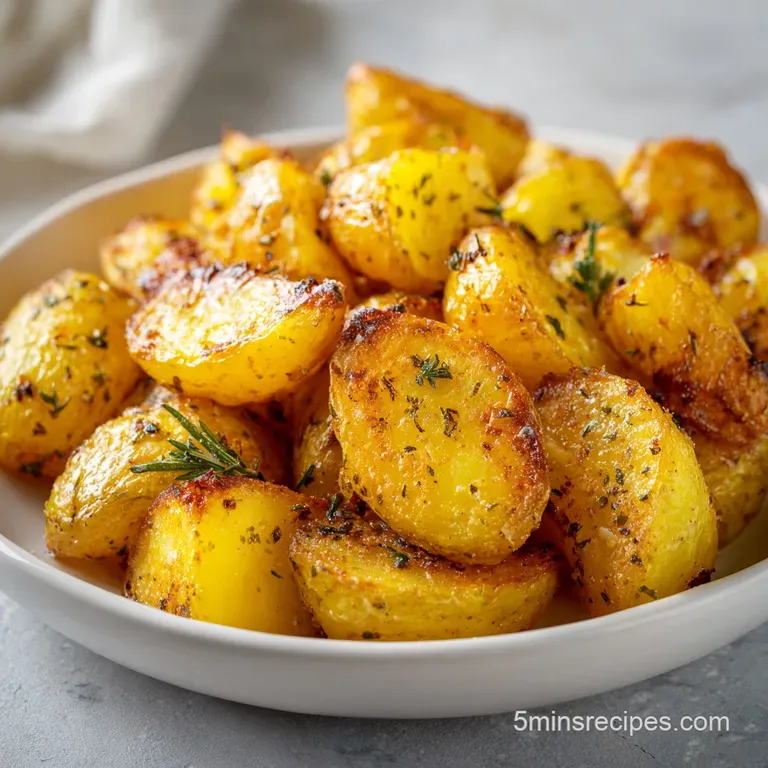
- Clean the potatoes. Scrub the 1.5 lbs of Yukon Golds under cold water to remove dirt. Note: Don't soak them, as we want to keep the surface dry for better oil adhesion.
- Cube into pieces. Slice them into uniform 3/4 inch cubes. Look for even sizes to ensure they all finish at the same time.
- Dry them thoroughly. Use a clean kitchen towel to pat every cube dry. Until they feel tacky and no visible moisture remains on the skin.
- Whisk the aromatics. In a large bowl, combine 2 tbsp olive oil, 1 tsp salt, 1/2 tsp garlic powder, 1 tsp minced rosemary, and 1/4 tsp pepper. Note: Whisking ensures the spices don't clump on a single potato.
- Coat the potatoes. Toss the cubes in the oil mixture. Until every surface glitters with a thin, even layer of seasoned oil.
- Arrange the pan. Spread the potatoes onto the baking sheet. Space them out so no two pieces are touching if possible.
- Roast the batch. Place in the preheated 400°F oven for 10 minutes. Note: This initial blast sets the bottom crust.
- Flip and rotate. Use a wide spatula to flip the potatoes and rotate the pan. Until you see golden edges appearing on the bottom side.
- Finish the roast. Cook for another 10 minutes. Until they sound hollow when tapped and the skins are blistered and dark gold.
- Rest and serve. Let them sit on the hot pan for 2 minutes before moving. Note: This brief rest allows the crust to "set" so it doesn't fall off when you plate them.
Avoiding Common Potato Cooking Errors
The most common mistake people make with this Yukon Gold potatoes recipe is the "steam trap." If you take them out of the oven and immediately dump them into a deep serving bowl, the residual steam from the hot interiors will soften the crust you just worked so hard to create.
Always serve them on a flat platter or keep them in a single layer until the very last second.
Stopping the Steam Effect
Another pitfall is using too much oil. You want a coating, not a puddle. If the potatoes are swimming in oil, they will essentially confit rather than roast. This makes them heavy and greasy instead of light and crispy.
Two tablespoons for 1.5 lbs might seem like a small amount, but when properly tossed, it's the exact volume needed to create that thin, conductive film.
The Soggy Texture Fix
If you find your potatoes aren't crisping up, check your oven rack position. I always roast on the bottom third of the oven. This puts the pan closer to the heat source, which mimics the effect of a stovetop sear while the ambient heat of the oven cooks the tops.
If they're in the middle or top, they often bake too gently.
| Problem | Root Cause | Solution |
|---|---|---|
| Soggy potatoes | Overcrowding or moisture | Use a larger pan or pat the potatoes drier before oiling. |
| Burnt rosemary | Added too early | Add fresh herbs in the last 5-8 minutes of roasting. |
| Uneven browning | Variable cube sizes | Take time to cut uniform 3/4 inch pieces. |
Common Mistakes Checklist
- ✓ Skipping the drying step (leads to steaming instead of roasting).
- ✓ Using a cold baking sheet (prevents that immediate bottom sear).
- ✓ Peeling the skins (you lose the best texture and flavor).
- ✓ Crowding the pan (anything more than 1.5 lbs needs two pans).
- ✓ Forgetting to rotate the pan (most ovens have "hot spots").
Smart Flavor and Ingredient Swaps
If you're on a budget, you don't need the most expensive olive oil. A standard vegetable oil or even canola oil will work, though you lose some of that peppery finish. The real magic of the Gold Potatoes is their versatility. You can take this base method and pivot it toward any cuisine just by swapping the aromatics.
| Original Ingredient | Substitute | Why It Works |
|---|---|---|
| Extra Virgin Olive Oil | Refined Coconut Oil | High smoke point, though it adds a very faint sweetness. |
| Fresh Rosemary | Dried Thyme (1/2 tsp) | More concentrated flavor. Note: Use half the amount of fresh. |
| Garlic Powder | Smoked Paprika | Adds a deep, earthy color and wood fired flavor. |
Adjusting for Large Groups
If you are scaling this up for a party, don't just double the ingredients and use the same pan. For 3 lbs of potatoes, use two separate sheet pans and swap their positions halfway through the 20 minutes. If you try to pile them onto one pan, the center will be a mushy mess while the edges burn.
For smaller portions, like a half batch, reduce the oil slightly but keep the heat at 400°F.
Breakfast Style Potato Twist
While I usually serve these for dinner, you can easily adapt them for an Air Fryer Breakfast Potatoes recipe. Simply cut the cubes slightly smaller (1/2 inch) and reduce the roasting time by 5 minutes. The smaller size makes them perfect for scooping up with eggs, and the Yukon Gold’s natural sweetness pairs beautifully with salty bacon or sausage.
Proper Storage and Waste Reduction
Leftover roasted potatoes are rarely as good as fresh, but you can get them close if you avoid the microwave. The microwave is the death of crispiness; it vibrates the water molecules, turning your gold spuds into rubbery lumps. Instead, store them in an airtight container in the fridge for up to 4 days.
When you’re ready to eat, toss them back onto a hot pan or into an air fryer for 3-5 minutes at 400°F. This re dehydrates the skin and restores that "shatter" factor.
For zero waste, don't throw away those tiny slivers of potato that don't make it into the 3/4 inch cubes. Toss them in the oil and roast them right along with the others. They will become "chef’s treats" extra crunchy bits that are almost like thick cut potato chips.
Also, if you have skins that peel off during washing, fry those up in a little oil for a salty snack.
Serving and Pairing Your Potatoes
These potatoes are the ultimate wingman for almost any protein. Because they have that deep, rosemary infused flavor, they pair exceptionally well with roasted chicken or a pan seared steak. I love serving them with a side of garlic aioli or a simple squeeze of lemon juice to brighten the fats.
The acidity of lemon cuts through the richness of the Yukon Golds in a way that makes you want to keep reaching for more.
If you’re looking for a more "comfort food" vibe, these go beautifully alongside a Breakfast With Sausage Recipe. The sage in the sausage and the rosemary in the potatoes create a savory harmony that feels like a fancy brunch.
Decision Shortcut If you want a mediterranean vibe, swap the rosemary for dried oregano and finish with feta cheese. If you want maximum crunch, preheat your baking sheet for 10 minutes before adding the potatoes.
If you want a spicier kick, add 1/2 tsp of crushed red pepper flakes to the oil mixture.
Myths About Gold Potatoes
Many people think you need to soak Yukon Golds in cold water to remove starch, just like you would for French fries. Truthfully, you don't. Because Yukons have a lower starch content than Russets, soaking them actually removes too much of the sugar that helps them brown, leaving you with a pale potato that takes forever to crisp.
Just a quick rinse and a very thorough dry is all you need for this specific variety.
Another myth is that you must peel them for a "refined" dish. In my kitchen, the skin is the best part. It’s where the minerals live, and it provides a necessary structural "envelope" that keeps the creamy interior from leaking out onto the pan.
Trust me, once you taste the contrast between the roasted skin and the buttery flesh, you’ll never go back to peeling. It’s faster, tastier, and healthier a rare win win win in the culinary world.
Finally, don't believe the lie that you need a lot of butter for flavor. The "Gold" in the name refers to their naturally buttery flavor and color. By using a good quality olive oil and the right amount of salt, you highlight that natural richness rather than masking it.
You get all the satisfaction of a butter laden dish with the clean, crisp finish of a over high heat roast. It’s about working with the ingredient, not fighting against it.
Yukon Gold Potatoes FAQs
Are gold potatoes the same as Yukon Gold potatoes?
Generally, yes, in common usage. "Gold potatoes" is often used as a shorthand for Yukon Gold, which are the most popular variety possessing that distinct yellow flesh and buttery texture.
Why can't you find Yukon Gold potatoes anymore?
No, they are widely available, though regional supply varies. If you cannot find them, look for other medium starch, all-purpose varieties like Yellow Finn or proprietary store brands labeled "Golden."
What's the closest potato to Yukon Gold?
Use Red Potatoes for shape retention and Red-Gold varieties for flavor similarity. Red potatoes are waxy and hold their shape well when roasted, but they lack the deep, buttery flavor profile Yukon Golds offer.
What are Yukon Gold potatoes best for?
They excel in applications requiring both creaminess and crust. They are perfect for roasting, smashing, or making creamy mashed potatoes because their medium starch content prevents them from becoming too floury or too watery.
How do I ensure the inside stays creamy when roasting the exterior crisp?
Roast them cut into uniform 3/4 inch cubes at a high temperature (400°F). The cubing ensures even cooking, and the high heat rapidly dehydrates the surface before the interior overcooks.
Is it true I must soak Yukon Golds in water before roasting?
No, this is a common misconception for this variety. Soaking removes too much of the natural sugar required for proper caramelization and browning; a quick rinse and thorough drying is sufficient.
Can I substitute these in a recipe designed for Russets?
Yes, but expect a texture difference, especially in baking. If you master the heat control here, see how the same principle of moisture management works in our Crock Pot Freezer Meal with Beef.
Crispy Yukon Gold Potatoes
Ingredients:
Instructions:
Nutrition Facts:
| Calories | 191 kcal |
|---|---|
| Protein | 3.4 g |
| Fat | 7.1 g |
| Carbs | 29.8 g |
| Fiber | 3.7 g |
| Sugar | 1.4 g |
| Sodium | 485 mg |
