Easy One Pan Pasta with Blistered Tomatoes
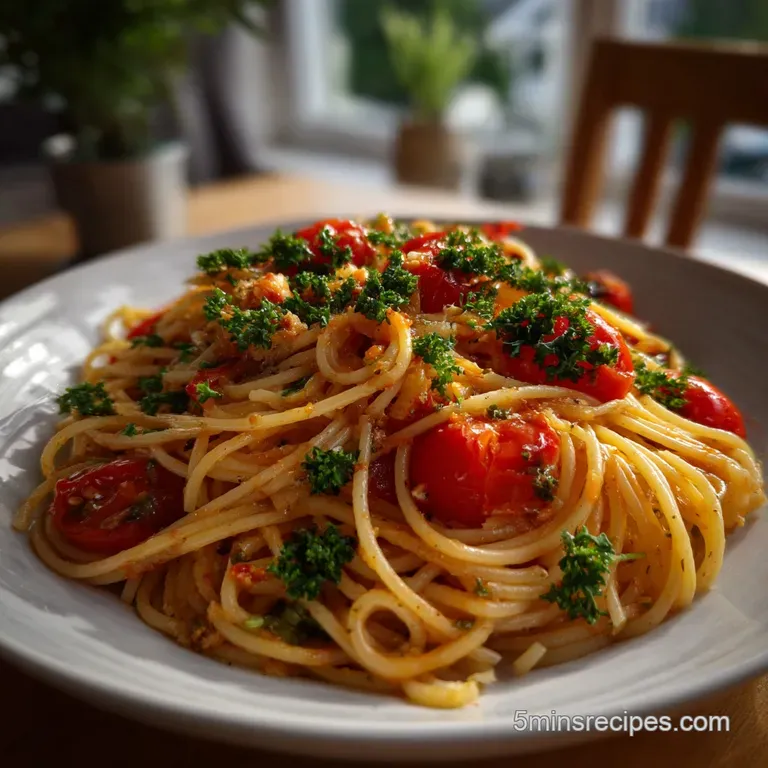
- Time: Active 10 minutes, Passive 12 minutes, Total 22 minutes
- Flavor/Texture Hook: Velvety starch enriched sauce with blistered tomatoes
- Perfect for: Busy weeknight dinners and high speed meal prep
- Speedy Kitchen Secrets for Easy One Pan Pasta
- Core Specs for Fast Results
- Essential Ingredient Breakdown for Flavor
- Best Tools for One Pan Success
- Gathering Your Essential Ingredients
- Executing the One Pan Method
- Pro Tips and Common Pitfalls
- Flavor Variations Worth Trying
- Smart Storage and Zero Waste
- Serving Your Perfect Pasta
- Timing and Strategic Planning
- Recipe FAQs
- 📝 Recipe Card
Speedy Kitchen Secrets for Easy One Pan Pasta
You know that frantic 6:00 PM feeling where the thought of waiting for a massive pot of water to boil feels like a marathon? We have all been there, staring at a box of Barilla Spaghetti and wondering if there is a faster way. This recipe is the answer.
It is a chef driven shortcut that uses the pasta's own starch to build a silky sauce right in the pan. No colanders, no extra dishes, and no wasted time.
I remember the first time I tried this method in a professional kitchen setting to feed a hungry crew. I was skeptical. Would the noodles turn into a gummy mess? Instead, I found that the pasta absorbed the savory vegetable broth, resulting in a depth of flavor that traditional boiling just cannot touch.
It is brilliant because the starch that usually goes down the drain stays in the pan, acting as a natural thickener.
We are going to use a wide Lodge Enameled Cast Iron Skillet for this. The broad surface area is key for even evaporation and heat distribution. Forget everything you know about cooking pasta in gallons of water. We are going to treat the pasta like a risotto, layering flavors from the ground up.
This is professional speed at its finest, delivering a restaurant quality meal in record time.
Core Specs for Fast Results
Efficiency is the name of the game here. When you are moving at chef speed, you need to know exactly what you are working with before the heat even touches the pan.
| Metric | Detail |
|---|---|
| Yield | 4 Servings |
| Active Prep | 10 minutes |
| Cooking Duration | 12 minutes |
| Skill Level | Beginner to Intermediate |
The Magic of Starch
When you cook pasta in a limited amount of liquid, the starch molecules do not just disappear. Instead, they concentrate into a thick, velvety liquid that binds the olive oil and broth together. This is similar to the emulsification technique used in a Chicken Stir Fry recipe where a cornstarch slurry creates that iconic glossy coating.
Intense Flavor Concentration
In a standard pot of boiling water, most of your seasoning ends up in the sink. With this method, every drop of the 4.5 cups of low sodium vegetable broth is absorbed directly into the 12 oz of spaghetti. This means the flavor is inside the noodle, not just sitting on top of it.
Preventing Gummy Textures
The fear of "one pot" meals is often sogginess. By using a specific ratio of liquid to dry pasta, we ensure the noodles reach a perfect al dente state just as the liquid reaches its final reduction. It is a calculated balance of evaporation and hydration.
Essential Ingredient Breakdown for Flavor
The beauty of this budget friendly approach is that it relies on pantry staples but treats them with professional respect.
| Ingredient | Science Role | Pro Secret |
|---|---|---|
| Dry Spaghetti | Starch provider | Use bronze die cut pasta for more surface starch. |
| Vegetable Broth | Hydration agent | Use low sodium to control the final salinity. |
| Olive Oil | Emulsification fat | Add half at the start and half at the end. |
| Cherry Tomatoes | Acid and moisture | Halving them releases pectin for the sauce. |
Best Tools for One Pan Success
To execute this correctly, equipment choice matters. You need a vessel that can hold 12 oz of dry spaghetti lying flat without breaking the noodles.
- 12 inch Skillet: A Lodge Cast Iron or a wide All Clad pan is perfect. High sides prevent splashing.
- Tongs: You need these to constantly move the pasta, ensuring it doesn't stick to the bottom.
- Mandoline: Use this to shave your 4 cloves of garlic paper thin for instant melting.
Chef's Tip: Freeze your Parmesan Reggiano block for 10 minutes before grating. It creates a finer "snow" that melts instantly into the sauce without clumping.
Gathering Your Essential Ingredients
Let's look at what we need. Each component has a specific job to do in this high speed environment.
- 12 oz Dry Spaghetti: The foundation. Why this? Thin noodles cook faster and release starch more efficiently.
- 4.5 cups Low Sodium Vegetable Broth: The cooking medium.
- 2 tsp Fine Sea Salt: To season the core of the pasta.
- 1 pint Cherry Tomatoes: Halved to provide bursts of acid.
- 1 Medium Yellow Onion: Sliced paper thin to melt into the background.
- 4 Cloves Garlic: Shaved for immediate flavor release.
- 2 tbsp Extra Virgin Olive Oil: For fat and silkiness.
- 0.5 tsp Red Pepper Flakes: For a subtle, warming kick.
- 1 lb Chicken Breast: Cut into 0.5 inch strips for rapid cooking.
- 1 cup Fresh Basil Leaves: Torn just before serving.
- 0.5 cup Parmesan Reggiano: For a salty, nutty finish.
- 1 tbsp Fresh Lemon Juice: To brighten the starch heavy sauce.
Component Substitutions
| Original Ingredient | Substitute | Why It Works |
|---|---|---|
| Vegetable Broth | Chicken Stock | Higher protein content, deeper savory notes. |
| Spaghetti | Linguine | Similar cook time; slightly more "bite." |
| Parmesan | Pecorino Romano | Hard sheep's milk cheese; adds a sharper tang. |
| Chicken Breast | Large Shrimp | Cooks in 3 mins; Note: add at the very end. |
Executing the One Pan Method
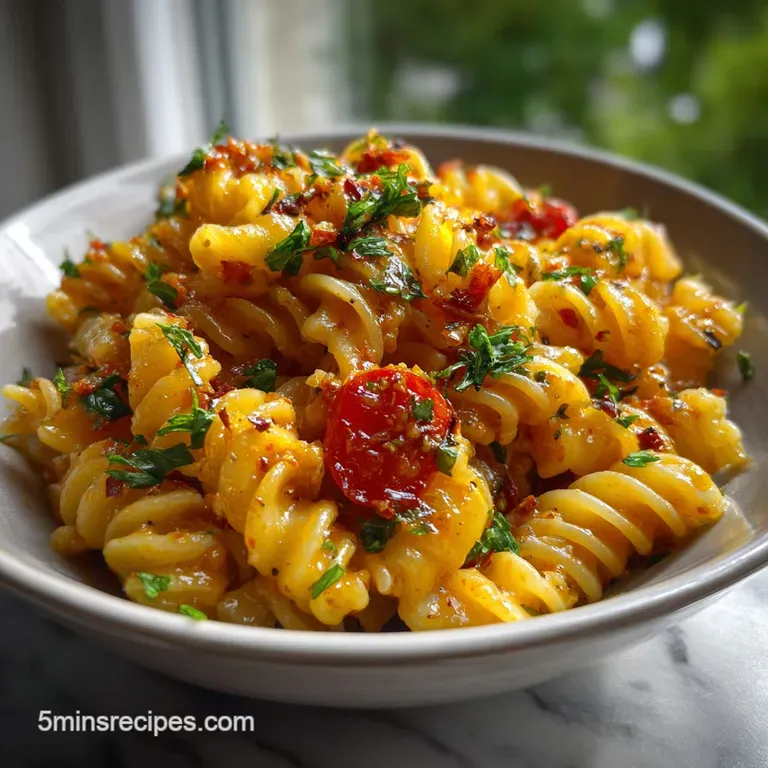
Right then, let's crack on. This process is fast, so have all your ingredients prepped and ready on the counter.
Prepping for Success
- Slice the aromatics. Cut your yellow onion and 4 garlic cloves as thin as humanly possible. They should be translucent. This ensures they cook in the same 12 minutes as the pasta.
- Prepare the chicken. Slice your 1 lb of chicken breast into 0.5 inch strips. If you have ever made my Scrambled Eggs recipe, you know that smaller surface areas cook more evenly.
Starting the Process
- Layer the pan. Place the 12 oz of dry spaghetti flat in your skillet. Add the onion, garlic, halved tomatoes, red pepper flakes, chicken strips, and 2 tsp salt.
- Add the liquids. Pour in the 4.5 cups of vegetable broth and drizzle with 1 tbsp of the olive oil.
- Boil and stir. Turn the heat to high. As soon as the liquid begins to sizzle and bubble, start stirring. Use your tongs to pull the pasta apart.
Achieving Perfect Emulsion
- Maintain the simmer. Cook for about 9 minutes, stirring frequently. You want the pasta to be submerged but the liquid to be reducing.
- Check doneness. At the 10 minute mark, the pasta should be flexible. Taste a strand. It should be almost done, with a tiny bit of resistance.
- The final reduction. Continue cooking for another 2 minutes until the liquid has turned into a thick, glossy sauce that coats the noodles.
- Off heat finishing. Remove the pan from the heat. Toss in the torn basil leaves, the remaining 1 tbsp of olive oil, 0.5 cup Parmesan, and 1 tbsp lemon juice.
- The emulsification swirl. Stir vigorously for 30 seconds. The cheese and oil will marry with the remaining starch water to create a velvety finish.
Pro Tips and Common Pitfalls
Even with an easy one pan pasta, there are technical traps that can catch you off guard. The science of why it works is simple: Starch Gelatinization. As the pasta heats in the broth, starch granules swell and burst, thickening the liquid.
Pasta Sticking to Pan
- Problem
- Clumped noodles.
- Cause
- Lack of agitation.
- Fix
- Stir constantly for the first 120 seconds.
Rapid Liquid Evaporation
- Problem
- Crunchy pasta in a dry pan.
- Cause
- Excessive heat or wide pan surface.
- Fix
- Add an extra 0.5 cup of hot water or broth immediately.
Quick Fix Table
| Problem | Cause | Fix |
|---|---|---|
| Sauce is too thin | Too much broth | Simmer uncovered for 2 extra minutes. |
| Chicken is tough | Overcooked | Slice thinner and add 3 mins after pasta starts. |
| Bland flavor | Low salt | Add a splash of soy sauce or more Parmesan. |
Flavor Variations Worth Trying
Once you understand the mechanics of the easy one pan pasta, you can adapt it to whatever is in your fridge.
Marry Me Style Variation
To turn this into a creamy, sundried tomato dream, swap half the broth for heavy cream and add 0.5 cup of chopped sundried tomatoes. The fat in the cream stabilizes the sauce, making it even more decadent.
gluten-free Adaptations
If you use brown rice pasta, increase the liquid by 10%. Rice starch behaves differently than wheat starch; it is more prone to breaking down, so stir gently to avoid a "mushy" result.
Decision Shortcut
- If you want a spicier kick, double the red pepper flakes and add sliced chorizo.
- If you want it vegan, swap the Parmesan for nutritional yeast and use a high-quality vegan butter.
- If you want more greens, toss in 2 cups of baby spinach in the last 60 seconds of cooking.
Smart Storage and Zero Waste
Leftovers are a gift, but starch based sauces can tighten up in the fridge.
- Fridge: Store in an airtight container for up to 3 days. When reheating, add 2 tbsp of water to "loosen" the starch.
- Freezer: I do not recommend freezing this specific dish. The pasta texture degrades significantly upon thawing.
- Zero Waste: Don't throw away the basil stems! Finely chop them and add them at the beginning with the onions for a concentrated herbal punch. If you have leftover parmesan rinds, toss them into the broth while it simmers for a massive umami boost.
Serving Your Perfect Pasta
Presentation is everything, even for a 22 minute meal. Use a large carving fork to twirl the pasta into "nests" on the plate. This keeps the heat trapped inside and looks professional.
Top with an extra dusting of Parmesan and a few cracks of black pepper. The lemon juice we added at the end is the "chef's secret" that cuts through the heaviness of the starch. If you are looking for a side dish, this pairs beautifully with a simple green salad or even a side of roasted vegetables.
Timing and Strategic Planning
Success with easy one pan pasta depends on the ratio. If you scale this recipe, you cannot just double everything blindly.
- Scaling Down: If making for two, use a smaller 10 inch skillet. Reduce the broth to 2.25 cups but keep an eye on it; smaller volumes evaporate faster. Reduce total cook time by about 20%.
- Scaling Up: If cooking for 8, use two separate pans. Attempting 24 oz of pasta in one standard skillet will lead to uneven cooking and a gummy texture.
- Baking: While this is a stovetop recipe, you can finish it under the broiler for 2 minutes with extra cheese for a "baked pasta" crust.
Fresh vs. Shortcut Comparison
| Feature | Fresh Boil Method | One Pan Shortcut |
|---|---|---|
| Dish Count | 3 (Pot, Colander, Pan) | 1 (Skillet) |
| Sauce Texture | Depends on added cream | Naturally thick and silky |
| Flavor Depth | Surface level | Deeply infused |
By following these professional steps, you are not just making a quick meal; you are using culinary science to create a better version of a classic. Trust the starch, keep stirring, and enjoy the record breaking speed of this kitchen essential. For another quick meal idea, you might enjoy my No Bake Energy Bites recipe for a fast snack on the go.
Recipe FAQs
Faqs for easy one pan pasta reddit?
Yes, for texture. Many Reddit users worry about sogginess, but the key is using the correct liquid-to-pasta ratio so the starch concentrates into a sauce just as the liquid evaporates.
Faqs for easy one pan pasta with ground beef?
No, brown it first. Cook the ground beef separately or first in the pan, draining most of the fat before adding the pasta and liquid, as excess fat can prevent proper sauce emulsification.
Faqs for easy one pan pasta vegetarian?
Yes, substitute stock and cheese. Swap vegetable broth for a rich mushroom broth, and use nutritional yeast or Pecorino Romano instead of standard Parmesan for flavor.
Faqs for easy one pan pasta with jar sauce?
No, it will be too thick. Jarred sauce lacks the necessary water volume to cook the dry pasta completely, leading to scorched noodles before the sauce reaches its proper consistency.
One pan pasta Jamie Oliver?
Yes, similar principles apply. His method generally follows the starch emulsification concept where liquid and pasta cook together, but ensure you use a wide pan for the best results.
What liquid ratio prevents gummy pasta?
Stick closely to 4.5 cups of liquid for 12 oz of dry spaghetti. This precise measurement ensures the liquid is fully absorbed and reduced at the exact moment the pasta reaches al dente.
How do I stop the pasta from sticking to the bottom?
Constant agitation during the initial phase is crucial. Stirring vigorously with tongs for the first two minutes breaks up the starch clumps before they can adhere to the hot pan surface.
Easy One Pan Pasta Recipe
Ingredients:
Instructions:
Nutrition Facts:
| Calories | 669 kcal |
|---|---|
| Protein | 51g |
| Fat | 16g |
| Carbs | 78g |
| Fiber | 5g |
| Sugar | 7g |
| Sodium | 1840mg |
