Homemade Thai Tea Recipe Easy
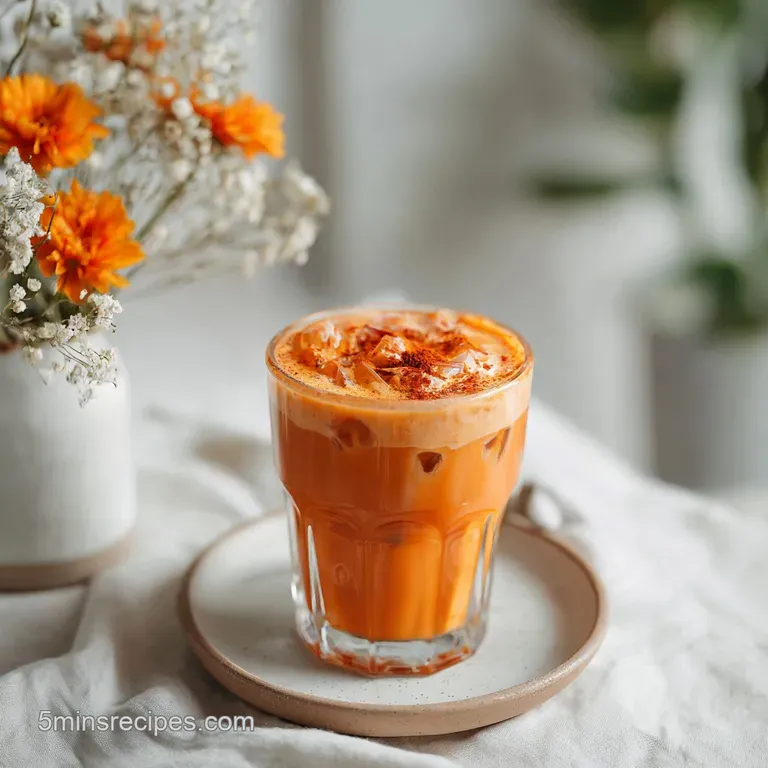
- Time: Active 5 minutes, Passive 5 minutes, Total 10 minutes
- Flavor/Texture Hook: Velvety, spiced, and ice cold
- Perfect for: Mid day snacks or cooling down after a spicy fusion dinner
- Crafting the Boldest Homemade Thai Tea
- The Science of Bold Extraction
- Brewing Specs for Maximum Flavor
- Sourcing Your Spiced Fusion Elements
- Minimalist Gear for Maximum Results
- Precision Steps for Silky Results
- Solving Common Brewing Texture Issues
- Creative Swaps for Modern Palates
- Maximizing Freshness and Reducing Waste
- Visual Hacks for Bold Contrast
- Myths About Thai Tea
- Recipe FAQs
- 📝 Recipe Card
Crafting the Boldest Homemade Thai Tea
The first time I tried to make this at home, it was a disaster a watery, brownish mess that tasted more like sad tea than the vibrant, neon orange treat I craved. I realized that getting that specific street vendor flavor isn't just about the tea mix; it's about the theater of the pour and the specific density of the milks you use.
When you get it right, that first sip is a total rush of vanilla, star anise, and creamy sweetness that cuts right through any afternoon slump.
You know that feeling when the condensation starts beads on a tall glass and you see the white evaporated milk slowly swirling into the orange depths? That’s what we’re chasing here.
It's a bold snack in liquid form, and once you realize how to make Thai Iced Tea at home, you'll never settle for the overpriced, diluted versions at the mall again. We’re going for high contrast layers and an intense spice hit that stands up to a mountain of crushed ice.
The Science of Bold Extraction
Thermal Shock: Pouring hot, concentrated tea over ice causes a rapid temperature drop that halts tannin extraction instantly. This preserves the delicate vanilla aromatics while preventing the brew from becoming astringent or overly bitter.
| Steep Time | Final Color | Bitterness Level | Best Usage |
|---|---|---|---|
| 3 minutes | Pale Orange | Very Low | Light refresher |
| 5 minutes | Deep Amber | Balanced | Standard Thai Tea |
| 8 minutes | Dark Brown | High | For heavy milk/boba |
Steeping tea is essentially a race against tannins. For our Thai Tea, we want to extract the pigments and oils quickly without letting the bitter compounds take over the profile.
Using filtered water is a small change, but it's vital because minerals in tap water can actually dull the vibrant orange color we're looking for.
1. The Tannin Extraction Window
When you hit the 5 minute mark, the water has pulled about 80% of the available flavor from the Thai tea mix. Going past this doesn't make it "stronger" in a good way; it just makes it harsher.
I’ve made the mistake of leaving it to sit while I distracted myself with a phone call, and the result was a dry, puckery mouthfeel that even sugar couldn't fix.
2. The Temperature Contrast Technique
We use hot water to bloom the spices, then immediately introduce cold elements. This contrast is why the drink feels so refreshing. If you’re looking for a solid meal to pair with this, I highly recommend serving it alongside my Bang Bang Chicken recipe — the creamy tea perfectly balances the spicy kick of the chicken.
Brewing Specs for Maximum Flavor
| Ingredient | Science Role | Pro Secret |
|---|---|---|
| Thai Tea Mix | Flavor Base | Contains star anise and vanilla notes for that signature aroma. |
| Sweetened Condensed Milk | Emulsifier | Provides the heavy body and "sticks" the sugar to the liquid. |
| Evaporated Milk | Texture Agent | Adds a silky, non sweet creaminess that lightens the tea color. |
The key here is the specific gravity of the liquids. The tea base is light, the condensed milk is heavy, and the evaporated milk sits somewhere in between. This is what allows us to create those beautiful, Instagram ready layers before we stir it all together into a velvety orange dream.
Sourcing Your Spiced Fusion Elements
To get this right, you need the actual Thai tea mix, which is usually a blend of black tea, food coloring, and spices. You can find it at most Asian grocers or online. This is one of those times where "fancy" loose leaf Earl Grey just won't cut it you need the specific spice profile of the traditional mix.
- 1/2 cup Thai Tea Mix (approx. 40g): Why this? Essential for the signature orange color and vanilla star anise aroma.
- Sub: Strong Assam tea with a drop of vanilla and star anise (will be less orange).
- 2 cups filtered water: Why this? Clean water allows the tea's floral notes to shine without mineral interference.
- Sub: Tap water (may slightly alter the tea's clarity).
- 2 tbsp granulated white sugar: Why this? Dissolves quickly in hot tea to provide the base sweetness.
- Sub: Honey or maple syrup (adds a different flavor dimension).
- 2 tbsp sweetened condensed milk: Why this? This is the "glue" that gives the tea its thick, luxurious mouthfeel.
- Sub: Coconut condensed milk for a dairy-free fusion twist.
- 4 tbsp evaporated milk: Why this? Adds creaminess without the cloying sweetness of more condensed milk.
- Sub: Half and half or heavy cream.
- 2 cups crushed ice: Why this? Crushed ice provides more surface area to chill the drink faster.
- Sub: Standard ice cubes (the drink will stay concentrated longer).
Minimalist Gear for Maximum Results
You don't need a fancy setup for this. A simple small saucepan and a fine mesh strainer are your best friends. If you have a traditional Thai tea "sock" (a cloth strainer), use it, but a standard kitchen strainer with a coffee filter tucked inside works just as well to catch those tiny tea fragments.
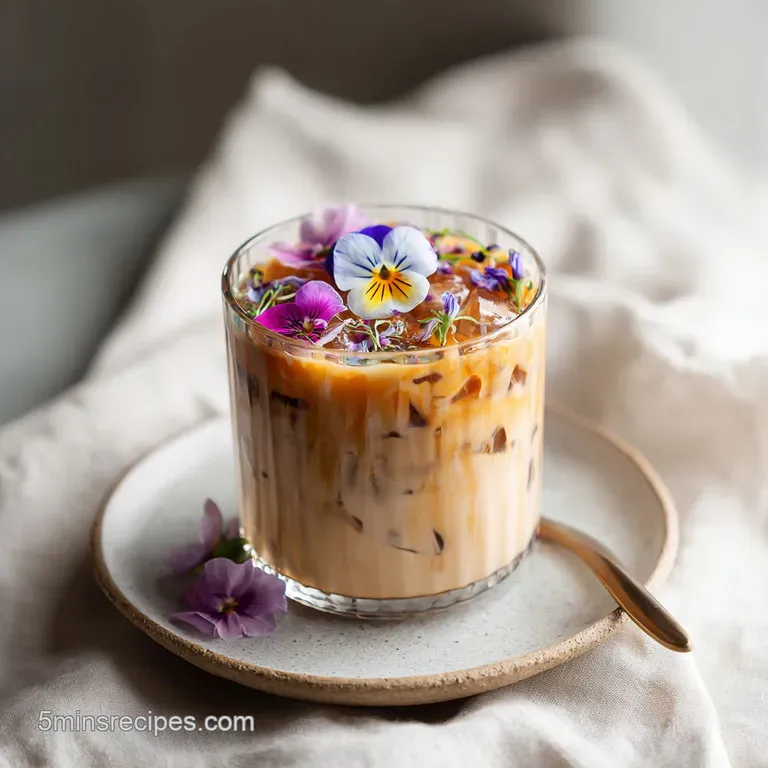
I like to use a tall glass something clear so you can actually see the "lava lamp" effect of the milk merging with the tea. If you're feeling fancy, a cocktail shaker can help chill the tea even faster, but honestly, pouring it directly over the ice is more authentic to the street food vibe.
Precision Steps for Silky Results
- Boil the water. Bring your 2 cups of filtered water to a rolling boil in a small saucepan.
- Infuse the tea. Remove from heat and stir in the 1/2 cup Thai Tea Mix. Note: Stirring ensures every leaf is hydrated for maximum color extraction.
- Steep the base. Let the mixture sit for 5 minutes until the liquid is dark and opaque.
- Strain the leaves. Pour the tea through a fine mesh strainer into a heat proof pitcher. Note: Press the leaves with a spoon to get every last drop of flavor.
- Sweeten the brew. Stir in the 2 tbsp granulated sugar and 2 tbsp sweetened condensed milk while the tea is still hot. Stir until the liquid is smooth.
- Chill the concentrate. Let the tea cool slightly at room temperature, or place the pitcher in an ice bath for 2 minutes.
- Prep the glasses. Fill two tall glasses to the brim with 2 cups of crushed ice.
- The first pour. Pour the sweetened tea mixture over the ice, leaving about an inch of space at the top.
- The signature float. Gently pour 2 tbsp of evaporated milk over the back of a spoon into each glass. Watch for the white clouds to swirl.
- Final serve. Serve immediately with a straw for stirring.
Solving Common Brewing Texture Issues
1. The Tea Tastes Watery
This usually happens if you pour the tea while it's still piping hot directly onto the ice, or if your tea to water ratio is off. You want a very strong concentrate because the ice will naturally dilute it as you drink. If you like a bold snack drink, try making tea ice cubes to prevent any dilution at all.
2. Lack of Iconic Orange Color
If your tea looks more brown than orange, check your steep time and your tea mix. Traditional mixes have a specific dye; if you're using a "natural" version, it will always be a muted amber. Also, adding the milk too early can mask the color.
This is common when folks try making homemade Thai tea for the first time without a recipe.
| Problem | Root Cause | Solution |
|---|---|---|
| Grainy texture | Sugar didn't dissolve | Add sugar while the tea is still above 180°F. |
| Bitter aftertaste | Over steeping the leaves | Strictly cap steeping at 5 minutes; use a timer. |
| Separated milk | High acid in tea | Stir the condensed milk thoroughly into the hot tea first. |
Common Mistakes Checklist
- ✓ Never boil the tea leaves in the water; always remove the water from heat before adding the tea.
- ✓ Don't skip the sugar in the hot phase; it won't dissolve properly once the tea is cold.
- ✓ Avoid using low-fat milk; you need the fat content for that velvety mouthfeel.
- ✓ Always use more ice than you think you need; the tea should be ice cold from the first sip.
Creative Swaps for Modern Palates
If you're feeling adventurous, this recipe is a great canvas for Asian fusion ideas. I've tried a "Dirty" version by adding a shot of espresso to the tea base, which is incredible for a caffeine boost. For another bold pairing, try this alongside a Garlic Butter Steak recipe — the sweetness of the tea cuts through the rich, savory garlic perfectly.
- The Boba Upgrade: Add 1/4 cup of cooked brown sugar pearls to the bottom of the glass before adding ice.
- Vegan Swap: Use sweetened condensed coconut milk and full fat oat milk for the float. The coconut actually complements the star anise beautifully.
- Low Sugar Alternative: Use a monk fruit sweetener for the granulated sugar, though the condensed milk still carries most of the sugar load.
Scaling the Brew
When scaling down for a single serving, simply halve everything, but use a slightly smaller pot to prevent too much evaporation. If you're doubling the recipe for a party, keep the steeping time at 5 minutes don't increase it just because there's more water.
For the spices, I find that 1.5x the amount is usually enough when doubling, as the flavor carries further in larger volumes.
Maximizing Freshness and Reducing Waste
You can store the sweetened tea base (before adding the evaporated milk float) in the fridge for up to 2 days. Keep it in an airtight glass jar to prevent it from picking up any "fridge smells." I don't recommend freezing the liquid as a whole drink because the texture of the condensed milk can get weird, but freezing the tea base into ice cubes is a pro move.
For a zero waste tip, don't toss the spent tea leaves immediately! You can actually do a "second wash" with half the amount of water to make a lighter, refreshing tea or even use the infusion to flavor a custard or panna cotta. It’s all about getting every bit of that aromatic spice out of the mix.
Visual Hacks for Bold Contrast
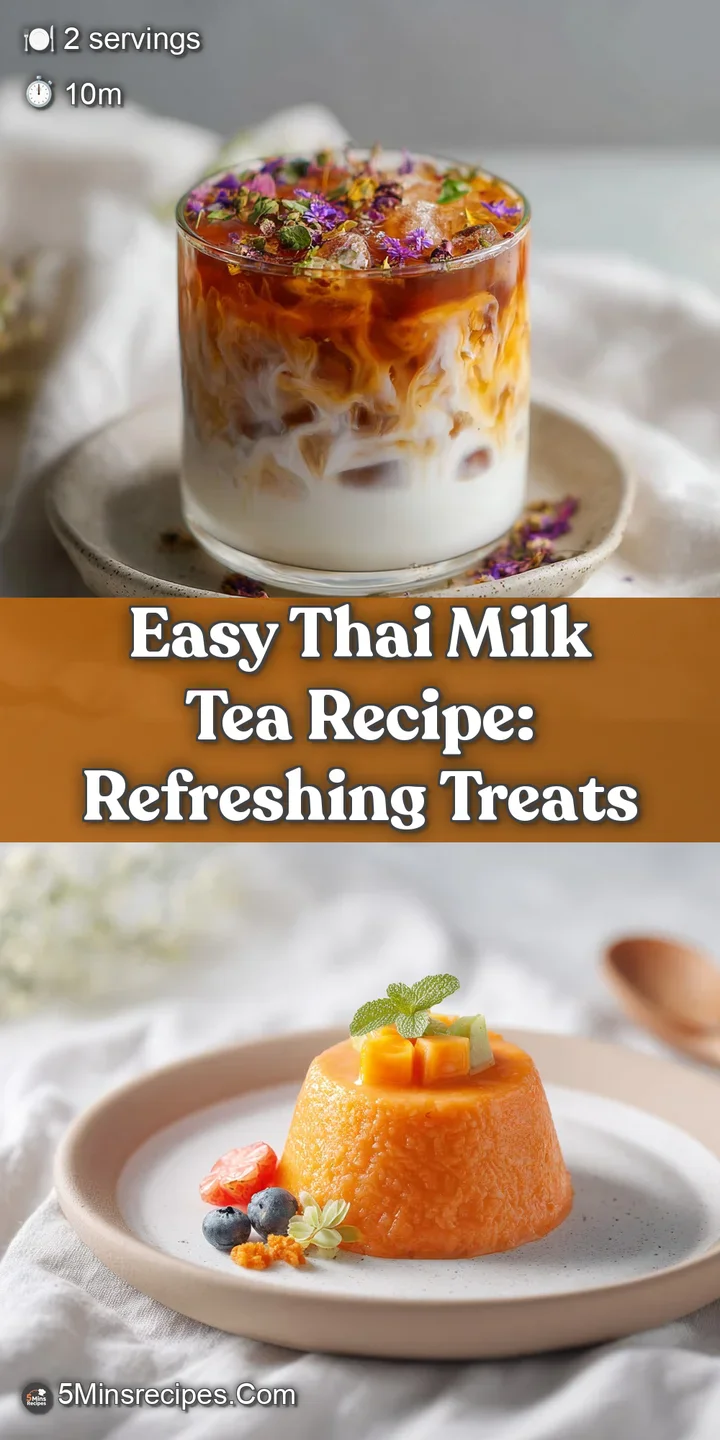
Presentation is half the fun with Thai drinks non alcoholic. To get that perfect layered look, the evaporated milk float is non negotiable. Pouring it over the back of a spoon breaks the fall of the liquid, allowing it to sit on top of the denser tea for a moment before it starts its slow, dramatic descent.
I love adding a sprig of fresh mint or a cinnamon stick as a garnish. It adds a fresh aroma that hits you before you even take a sip. If you want to go full "cafe style," use a chilled glass.
It keeps the ice from melting too fast and keeps that Thai Tea looking sharp and vibrant until the very last drop. Right then, you're ready to brew! Enjoy the "Refreshing Treats Thai Tea" brings to your kitchen.
Myths About Thai Tea
One of the biggest misconceptions is that the flavor comes entirely from food coloring. While the color is artificial in most commercial mixes, the flavor is a very real blend of black tea and heavy spices like star anise, crushed tamarind seed, and sometimes cardamom.
Another myth is that you need a traditional clay pot to brew it. A simple stainless steel saucepan is actually better for temperature control and ensures no "ghost flavors" from previous meals interfere with your brew. Just make sure your pot is clean!
Recipe FAQs
What is the optimal steeping time for traditional Thai Tea?
Steep for exactly 5 minutes. This window maximizes flavor extraction of the spices and color while preventing the release of astringent tannins.
Does using filtered water really affect the final color of the tea?
Yes, filtered water is vital for vibrant color. Minerals present in tap water can interfere with the pigments in the mix, resulting in a duller, less intense orange hue.
How do I achieve the signature velvety mouthfeel?
Combine sweetened condensed milk and evaporated milk. The condensed milk provides density and sweetness, while the evaporated milk adds a silky, non-cloying creaminess.
How far in advance can I safely brew the concentrated tea base?
Brew the base up to 48 hours ahead of time. Store the sweetened concentrate in an airtight container in the refrigerator before adding the final evaporated milk float.
Is it true that the temperature contrast during pouring is unnecessary?
No, thermal shock is essential for flavor balance. Pouring hot, concentrated tea over crushed ice rapidly halts tannin extraction, locking in vanilla aromatics and avoiding bitterness.
How should I prevent the evaporated milk from sinking immediately?
Pour the evaporated milk slowly over the back of a spoon. This technique slows the liquid down, allowing the lighter milk to temporarily layer on top of the denser, sweetened tea base.
What is the main ingredient that gives Thai Tea its characteristic aroma?
Star anise is key to the signature aroma. The commercial Thai tea mix blends this spice with black tea and vanilla notes to create the distinct fragrant profile.
Easy Thai Tea Recipe
Ingredients:
Instructions:
Nutrition Facts:
| Calories | 151 kcal |
|---|---|
| Protein | 3.6 g |
| Fat | 3.9 g |
| Carbs | 25.9 g |
| Fiber | 0 g |
| Sugar | 25.4 g |
| Sodium | 56 mg |
