Eggnog French Toast: Silky Center
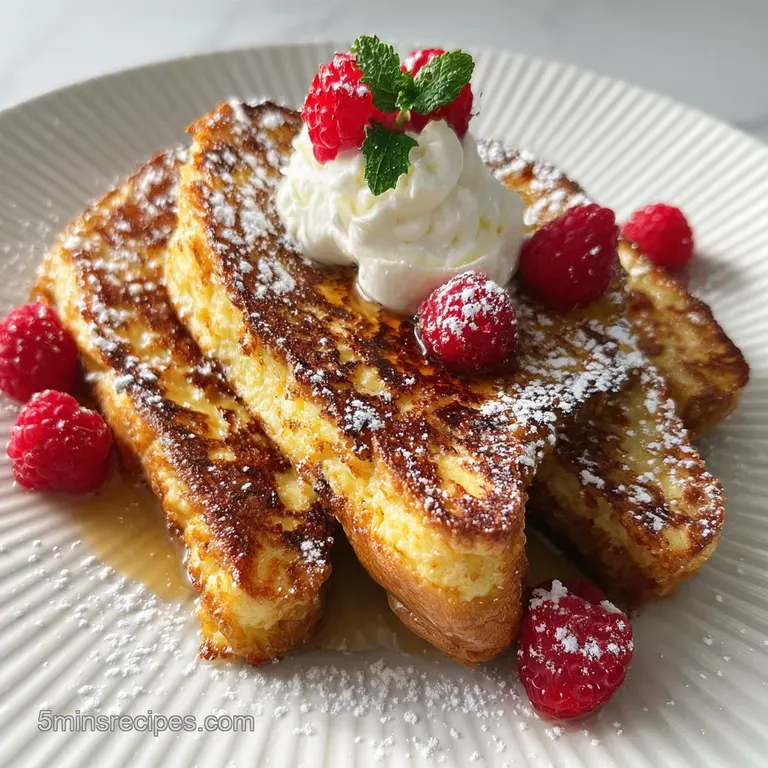
- Time: Active 15 minutes, Passive 12 minutes, Total 27 minutes
- Flavor/Texture Hook: Silky custard center with a buttery, crispy shatter on the edges.
- Perfect for: Christmas morning or a fast, festive weekday breakfast for the kids.
- The Absolute Best Eggnog French Toast
- The Physics of Custard Absorption
- Essential Recipe Stats and Timing
- Quality Components for Holiday Flavor
- Minimal Tools for Maximum Efficiency
- Practical Steps for Golden Slices
- Solving Sogginess and Pan Sticking
- Creative Swaps and Flavor Twists
- Storage Tips for Busy Mornings
- Serving Ideas for Festive Brunches
- Recipe FAQs
- 📝 Recipe Card
The Absolute Best Eggnog French Toast
The kitchen is cold, the sun is barely peeking through the frosted window, and I’ve got exactly twenty minutes before the house erupts into morning chaos. I hear that first sizzle as a cold slab of unsalted butter hits the cast iron skillet, and suddenly, the air fills with the scent of toasted nutmeg and vanilla.
It’s that specific holiday aroma that makes even the most sleep deprived morning feel like a win.
Honestly, I used to struggle with making French toast that wasn't a soggy mess in the middle. I tried the fancy bread, the overnight soaks, and the expensive extracts, but everything changed when I realized I could use eggnog as a shortcut for the custard.
It has the perfect fat to sugar ratio already dialed in, meaning less measuring for me and more flavor for everyone else.
We are making a version that doesn't require a dozen bowls or a culinary degree. This is the go to eggnog french toast recipe for when you want to feel like a hero without the burnout. We’re talking thick, plush slices of brioche that hold their shape but yield to a fork like soft pudding.
Let's get that pan heated up; you’re going to love how the edges get that specific crispy shatter.
The Physics of Custard Absorption
The Eggnog Emulsion Secret
Viscosity Control: The high sugar and fat content in full fat eggnog creates a thicker emulsion than standard milk, which prevents the liquid from rushing into the bread's center and causing a collapse. This ensures the bread stays structurally sound while achieving a velvety interior.
Starch Gelatinization: When the eggs and nog hit the heat, the proteins denature and trap the liquid, turning the bread into a savory sweet custard rather than just wet toast.
| Method | Time | Texture | Best For |
|---|---|---|---|
| Stovetop | 12 minutes | Crispy edges, soft center | Fast weekday mornings |
| Oven Bake | 35 minutes | Uniformly soft, cake like | Serving a large group |
| Air Fryer | 8 minutes | Extra crunchy exterior | Single serve portions |
Choosing the right method depends on your morning vibe, but for that classic buttery finish, the stovetop is my favorite. It allows you to watch the caramelization happen in real time, ensuring you never end up with a burnt slice.
Essential Recipe Stats and Timing
This recipe is designed to be efficient. I’ve timed it so you can have the first batch hitting the table while the second is still searing. We’re working with a 15 minutes prep window, which mostly involves whisking and slicing, followed by 12 minutes of active cooking.
When you’re making this for four people, you’ll be handling 8 slices of bread. It’s important to work in batches so you don't crowd the pan and drop the temperature. If you crowd the skillet, the bread will steam instead of sear, and you’ll lose that beautiful golden crust we’re after.
Quality Components for Holiday Flavor
Component Deep Dive
| Ingredient | Science Role | Pro Secret |
|---|---|---|
| Brioche Bread | Structural Support | Use day old bread to maximize the "sponge" effect without the tear. |
| Large Egg Yolks | Emulsification | Adding extra yolks provides the velvety mouthfeel that whole eggs lack. |
| Pure Vanilla | Flavor Bridge | Vanilla rounds out the sharp spice of nutmeg, making it taste "expensive." |
| Fine Sea Salt | Flavor Enhancer | Salt cuts through the heavy fat of the nog to wake up the palate. |
You don't need a massive pantry for this. We are focusing on high impact ingredients that do the heavy lifting for us.
- 2 cups full fat eggnog: Why this? It provides the base flavor, sugar, and fat in one pour. (Substitute: 1 cup heavy cream + 1 cup whole milk + 2 tbsp sugar)
- 3 large eggs + 2 large egg yolks: Why this? The extra yolks prevent a "rubbery" or "sulfury" egg taste. (Substitute: 4 whole eggs)
- 8 slices thick cut brioche bread: Why this? The high egg content in the dough creates a rich, sturdy crumb. (Substitute: Challah or thick Texas Toast)
- 1 tsp pure vanilla extract: Why this? Natural vanillin mimics the floral notes in high end nog. (Substitute: Vanilla bean paste)
- 1/2 tsp ground nutmeg: Why this? Essential for that classic, nostalgic eggnog profile. (Substitute: Freshly grated mace)
- 1/2 tsp ground cinnamon: Why this? Adds warmth and a darker golden hue to the crust. (Substitute: Pumpkin pie spice)
- 1/4 tsp fine sea salt: Why this? Balances the sweetness so it isn't cloying. (Substitute: Kosher salt)
- 2 tbsp unsalted butter: Why this? For flavor and browning. (Substitute: Vegan butter)
- 1 tbsp neutral oil: Why this? Raises the smoke point so the butter doesn't burn. (Substitute: Coconut oil)
Minimal Tools for Maximum Efficiency

For this easy eggnog french toast, we are keeping the dish pile low. You really only need a shallow wide bottomed bowl or a pie plate for dipping. A standard 12 inch non stick skillet or a well seasoned cast iron pan works best for the sear.
Avoid using a deep pot for soaking; you want the bread to lay flat so it absorbs the custard evenly. A flexible spatula is also a must have to get under the slices without tearing the delicate, soaked bread.
If you have a wire cooling rack, it's great for letting the slices "set" for 30 seconds before serving, which keeps the bottom from getting soggy on the plate.
Practical Steps for Golden Slices
1. The Custard Infusion
Whisk the 2 cups eggnog, 3 eggs, 2 yolks, vanilla, nutmeg, cinnamon, and salt in a wide, shallow dish. Note: Whisking thoroughly ensures no "egg white streaks" appear on your finished toast.
2. Preheating the Surface
Place your skillet over medium low heat and add 1 tbsp of the unsalted butter and 1/2 tbsp of the neutral oil. Note: The oil prevents the butter solids from scorching during the longer cook time.
3. The Controlled Soak
Place 2 slices of brioche into the custard for exactly 20 seconds per side. until the bread feels heavy but not falling apart.
4. The Precision Sear
Place the soaked slices into the hot pan. Cook for 3 to 4 minutes per side until deep golden brown and fragrant.
5. Managing Heat Levels
Adjust the flame if the butter starts to smoke; you want a slow sizzle, not a rapid fry. Note: Slow cooking allows the center custard to set without burning the exterior sugars.
6. The Batch Refresh
Wipe the pan clean with a paper towel between batches and add the remaining butter and oil. Note: This prevents burnt bits from sticking to your fresh slices.
7. The Resting Phase
Transfer cooked slices to a wire rack or a warm oven (200°F) for 2 minutes. until the exterior slightly firms up.
8. The Final Garnish
Dust with a light coating of powdered sugar or a drizzle of maple syrup while still hot.
Solving Sogginess and Pan Sticking
Why Your Bread Falls Apart
If your slices are disintegrating before they hit the pan, you likely soaked them too long or used bread that was too fresh and soft. Brioche is like a sponge; it needs to be slightly dry to hold its shape.
Why the Outside Burns
Eggnog contains a lot of sugar. If your heat is too high, those sugars will caramelize and burn before the egg proteins inside have a chance to cook. This leads to a black crust and a raw, liquid center.
| Problem | Root Cause | Solution |
|---|---|---|
| Soggy Center | Heat too high; center didn't cook | Lower heat and cook for 1 minute longer per side. |
| Sticking to Pan | Not enough fat or pan wasn't hot | Use a butter/oil mix and wait for the sizzle before adding bread. |
| Bland Flavor | Using low-fat or "light" eggnog | Stick to full fat nog; the fat carries the spice flavors. |
Common Mistakes Checklist
- ✓ Use bread that is at least 1 inch thick to prevent floppiness.
- ✓ Never skip the salt; it's the only thing that balances the sugar in the nog.
- ✓ Don't soak more than 30 seconds total or the bread will lose structural integrity.
- ✓ Preheat the pan for 3 full minutes before the first slice touches the surface.
- ✓ Use a combination of butter and oil to get the flavor of butter with a higher burn threshold.
Creative Swaps and Flavor Twists
1. The Overnight Eggnog French Toast Casserole
If you have a busy morning ahead, you can turn this into an eggnog french toast casserole. Just cube the brioche, toss it in a greased baking dish, and pour the custard over the top.
Let it sit in the fridge overnight and bake it at 350°F for about 35 minutes until it’s puffed and golden.
2. Crispy Eggnog French Toast Bites
For the kids, try making eggnog french toast bites. Cut the brioche into 1 inch squares before soaking. Pan fry them in batches, tossing them frequently like croutons. They get incredibly crispy on all sides and are perfect for dipping into a small bowl of syrup.
3. The Boozy Brunch Swap
For an adult only version, add a splash of bourbon or dark rum to the custard. The alcohol cooks off but leaves behind a deep, charred oak flavor that pairs perfectly with the nutmeg. If you prefer a different texture, you might also like my French Toast Muffins Recipe, which offers a similar holiday vibe but in a portable, muffin tin format.
| Original Ingredient | Substitute | Why It Works |
|---|---|---|
| Brioche | Sourdough | Adds a tangy contrast to the sweet nog. Note: Will be chewier. |
| Nutmeg | Cardamom | Provides a bright, citrusy floral note. Note: Very strong; use half. |
| Full fat Eggnog | Coconut Nog | Makes it dairy-free while keeping the thickness. Note: Adds tropical flavor. |
Storage Tips for Busy Mornings
You can definitely make a big batch of this homemade eggnog french toast and save it for later. It stores surprisingly well because of the high fat content in the brioche.
- Fridge: Keep in an airtight container for up to 3 days. To reheat, don't use the microwave unless you want it rubbery. Instead, pop it in the toaster or a 350°F oven for 5 minutes to restore the crisp.
- Freezer: This is a meal prep dream. Freeze individual slices on a baking sheet first, then transfer to a freezer bag for up to 2 months. You can reheat these straight from frozen in a toaster.
- Zero Waste: If you have leftover custard, don't toss it! You can use it as a base for a bread pudding or even whisk it into your morning coffee for a DIY eggnog latte.
Serving Ideas for Festive Brunches
When it comes to serving, I like to keep it simple but high impact. A dusting of powdered sugar is classic, but a handful of fresh raspberries adds a much needed acidity to the heavy custard. If you really want to go all out, whip some heavy cream with a pinch of cinnamon and a spoonful of maple syrup.
One of my favorite ways to serve this for a crowd is to set out a "topping bar." I'll have toasted pecans, sliced bananas, and maybe some crispy bacon on the side. The saltiness of the bacon against the sweet, nutmeg heavy toast is a match made in heaven. If you're looking for a different spin on breakfast prep, check out my French Toast Muffins Recipe for a version that's even easier to grab and go.
Debunking French Toast Myths
Myth 1: You must use stale bread. While dry bread is better, you can "fake" it by lightly toasting fresh bread in a low oven for 5 minutes. It’s the moisture removal that matters, not the age of the bread.
Myth 2: More soaking equals more flavor. Actually, over soaking leads to a "custard" that is really just raw dough in the middle. 20 seconds is the sweet spot for 1 inch brioche.
Myth 3: High heat gets it done faster. High heat just burns the sugar. Medium low heat is the only way to ensure the egg proteins cook all the way through to the center of the slice.
Recipe FAQs
Can I use egg nog for French toast?
Yes, eggnog is an excellent substitute for milk and eggs. Its high fat and sugar content already creates a rich, flavorful custard base, minimizing extra measuring.
Can I use eggnog instead of milk?
Yes, it works perfectly as a replacement for milk in a standard recipe. You still need to supplement with whole eggs or extra yolks for protein structure, as nog alone is too liquid.
What is the most common mistake in making French toast?
Using heat that is too high is the most common mistake. High heat burns the surface sugars from the eggnog before the dense center has time to fully set into custard.
What is eggnog called in french?
Eggnog is generally referred to as "lait de poule" in French. This literally translates to "chicken milk," reflecting its core ingredients.
How long should I soak brioche in the eggnog mixture?
Soak for approximately 20 seconds per side for thick cut brioche. This allows sufficient absorption without compromising the bread's structural integrity, preventing sogginess.
Is it true that using day old bread is mandatory for good French toast?
No, this is a common misconception when using a rich custard like eggnog. While stale bread is beneficial, slightly dry bread works just as well; you primarily need to avoid very fresh, overly moist slices.
How do I keep the French toast from sticking to the pan?
Combine unsalted butter with a neutral oil when heating the pan. The oil raises the smoke point of the butter, preventing the milk solids from burning before the bread has achieved a golden crust.
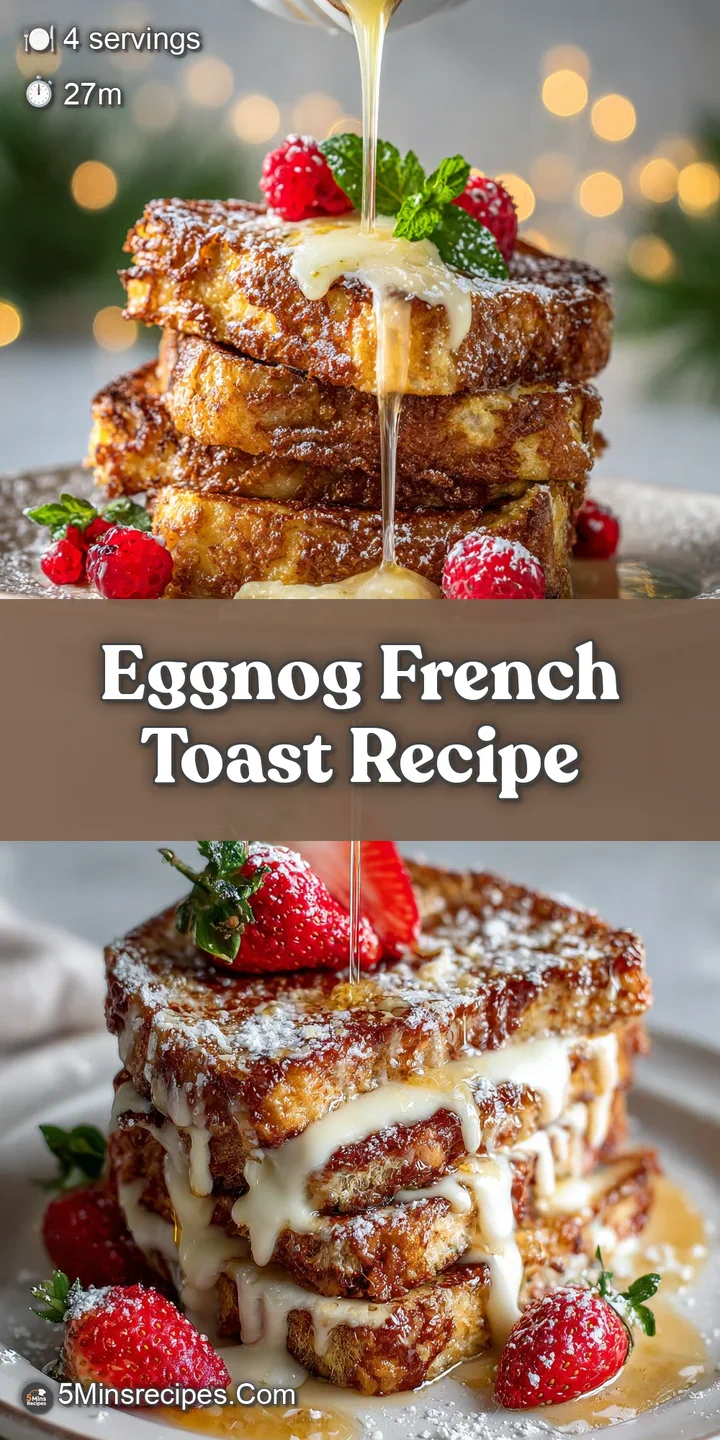
Eggnog French Toast Recipe

Ingredients:
Instructions:
Nutrition Facts:
| Calories | 692 kcal |
|---|---|
| Protein | 19.6 g |
| Fat | 38.2 g |
| Carbs | 71.8 g |
| Fiber | 1.8 g |
| Sugar | 28.4 g |
| Sodium | 745 mg |
