Chicken Tenderloin Recipe with Garlic and Herbs
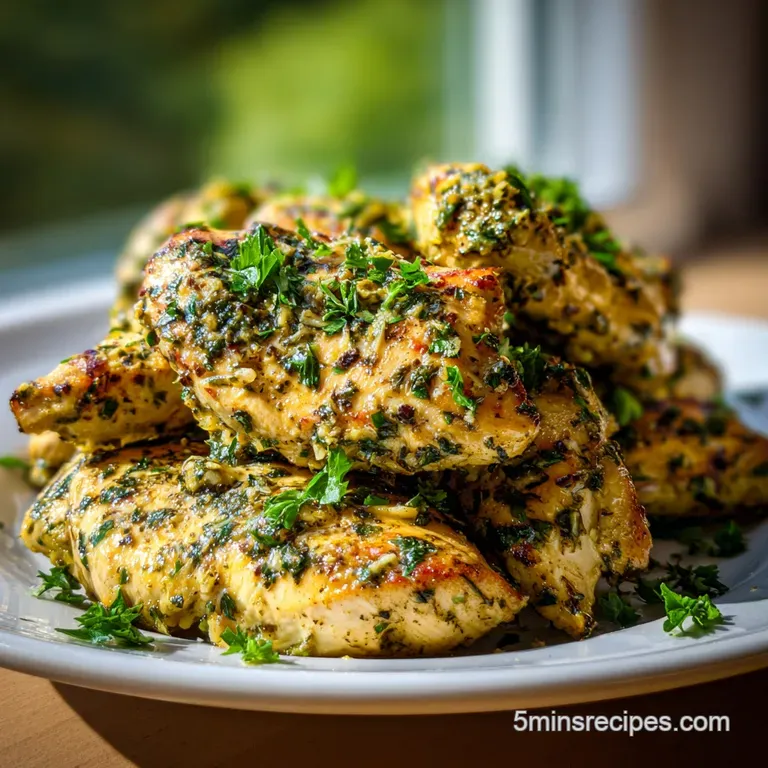
- Time: Active 5 mins, Passive 10 mins, Total 15 minutes
- Flavor/Texture Hook: Golden brown crust with a velvety butter finish
- Perfect for: Busy weeknight dinners, high protein meal prep, or beginner cooks
- Perfect Chicken Tenderloin Recipe with Garlic and Herbs
- The Science of Golden Tenders
- Precision Benchmarks for Perfect Searing
- Smart Choices for Fresh Ingredients
- Best Pans for High Heat
- Detailed Steps for Juicy Chicken
- Fixing Texture and Flavor Errors
- Customizing Your Herb Infusions
- Preserving Tenderness for Later Use
- Simple Pairings for Easy Dinners
- Recipe FAQs
- 📝 Recipe Card
Perfect Chicken Tenderloin Recipe with Garlic and Herbs
The first time I tried to make a chicken tenderloin recipe with garlic and herbs, I ended up with something that looked more like a boiled eraser than a gourmet meal. I had crowded the pan, the chicken was damp, and the garlic turned into bitter little charcoal bits before the meat was even half cooked.
It was a mess, but it taught me everything I know now about the importance of heat management and "the dry rub."
This chicken tenderloin recipe with garlic and herbs will become your new weeknight favorite because it solves the age old problem of dry, boring poultry. We are going to treat these small cuts of meat with the same respect you'd give a high end ribeye.
That means high heat, plenty of aromatics, and a finish that involves spooning molten herb butter over the meat until it glistens.
You don't need a culinary degree to pull this off, just a heavy pan and a little bit of patience. We're looking for that specific sizzle the kind that tells you the Maillard reaction is working its magic. By the time the rosemary and thyme hit the fat, your entire kitchen will smell like a professional bistro.
Let's get into the "how" so you never have to eat a rubbery chicken strip again.
The Science of Golden Tenders
- Maillard Reaction: High heat causes the amino acids and sugars on the chicken's surface to rearrange, creating hundreds of flavor compounds and that characteristic mahogany crust.
- Smoke Point Physics: Using avocado oil allows for a 500°F (260°C) sear without the oil breaking down into bitter, acrid compounds that ruin the delicate herbs.
- Carryover Cooking: Internal energy continues to migrate toward the center of the meat even after it leaves the pan, ensuring the fibers stay tender rather than tightening into a dry knot.
- Fat Infusion: The essential oils in the rosemary and thyme are fat soluble, meaning they only truly release their flavor when bloomed in hot butter and oil.
| Thickness | Internal Temp | Rest Time | Visual Cue |
|---|---|---|---|
| 0.5 inch | 165°F | 3 mins | Opaque throughout, no pink |
| 0.75 inch | 165°F | 4 mins | Firm bounce when pressed |
| 1.0 inch | 165°F | 5 mins | Juices run clear when pierced |
If you're in the mood for something with a kick later this week, my Bang Bang Chicken recipe uses a similar over high heat method to get that perfect exterior texture before the sauce is applied.
Precision Benchmarks for Perfect Searing
Success in the kitchen is often about understanding the roles your ingredients play beyond just "flavoring." For this chicken tenderloin recipe with garlic and herbs, the interaction between the dry oregano and the fresh aromatics creates layers of taste.
The dried herbs provide a constant background note, while the fresh sprigs offer a bright, volatile punch at the very end.
| Ingredient | Science Role | Pro Secret |
|---|---|---|
| Garlic Cloves | Aromatic Base | Smash but don't mince to prevent burning during the over high heat phase. |
| Avocado Oil | Heat Conductor | The high smoke point allows for a "shatter" crust without the oil tasting burnt. |
| Unsalted Butter | Emulsifier | Adds milk solids that brown and create a velvety, nutty sauce for basting. |
| Sea Salt | Protein Denaturant | Drawing moisture to the surface initially, then re absorbing to season the deep fibers. |
When you're shopping for this chicken tenderloin recipe with garlic and herbs, try to find "air chilled" chicken. Standard chicken is often chilled in water baths, which means the meat absorbs extra liquid. That liquid then leaks out in your pan, creating steam instead of a sear.
Air chilled meat stays dry and browns significantly better.
Smart Choices for Fresh Ingredients
- 1.5 lbs chicken tenderloins: These are the small strips attached to the underside of the breast. Why this? They are naturally more tender than the larger breast meat.
- Substitute: Sliced chicken breast (cut into 1 inch strips).
- 1 tsp sea salt: Fine grain works best for even coverage. Why this? Enhances the natural savory notes of the poultry.
- Substitute: Kosher salt (use 1.5 tsp as it's less dense).
- 1/2 tsp freshly cracked black pepper: Avoid the pre ground dust. Why this? Provides a sharp, floral heat that cuts through the butter.
- Substitute: White pepper for a more subtle, earthy heat.
- 1 tsp dried oregano: The backbone of the herb profile. Why this? Holds up better to high heat than fresh oregano.
- Substitute: Dried marjoram or Italian seasoning.
- 4 cloves garlic: Smashed and peeled. Why this? Releases oils slowly without scorching into bitter bits.
- Substitute: 1 tsp garlic powder (rubbed on the meat directly).
- 3 sprigs fresh thyme: Woodiness and citrus notes. Why this? Infuses the basting butter with earthy fragrance.
- Substitute: 1/2 tsp dried thyme.
- 1 sprig fresh rosemary: Strong, piney aroma. Why this? Adds a professional, "roasted" depth to the quick sear.
- Substitute: Fresh sage leaves.
- 2 tbsp avocado oil: The heavy lifter for searing. Why this? Safe at high temperatures (500°F smoke point).
- Substitute: Grapeseed oil or refined light olive oil.
- 2 tbsp unsalted butter: For the final basting. Why this? Adds richness and helps the herbs "stick" to the meat.
- Substitute: Ghee (for a dairy-free option with a higher smoke point).
- 1/2 fresh lemon: The finishing touch. Why this? Acidity brightens the fats and wakes up the herbs.
- Substitute: 1 tsp apple cider vinegar.
Chef's Tip: Freeze your butter for 10 minutes before adding it to the pan. This slight delay in melting gives the garlic and herbs just a few more seconds to infuse the fat before the butter solids start to brown too deeply.
Best Pans for High Heat
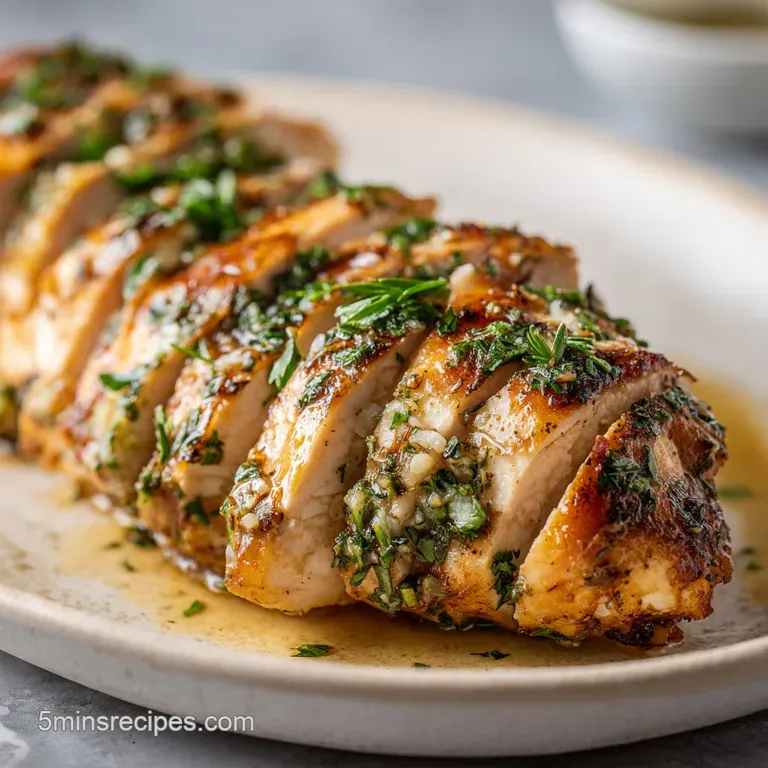
For this chicken tenderloin recipe with garlic and herbs, equipment choice is everything. A thin, non stick pan is your enemy here because it can't hold enough thermal mass to sear the meat. The moment you drop cold chicken into a thin pan, the temperature plummets.
Instead, reach for a heavy cast iron skillet or a tri ply stainless steel pan (like an All Clad).
These heavy pans act like a heat battery. They stay hot, which means you get that immediate sizzle and "shatter" on the surface of the chicken. If you're using stainless steel, don't worry if the chicken seems to stick at first.
This is called "adhesion," and the meat will naturally release itself once the crust has fully formed. If you pull it too early, you'll leave the best part of the flavor stuck to the bottom of the pan.
Detailed Steps for Juicy Chicken
1. The Surface Prep
Pat the 1.5 lbs chicken tenderloins completely dry with paper towels. Note: Surface moisture creates steam, which prevents browning. Season all sides evenly with 1 tsp sea salt, 1/2 tsp pepper, and 1 tsp dried oregano.
2. The over High heat Sizzle
Place a large skillet over medium high heat and add 2 tbsp avocado oil. Wait until the oil is shimmering and just starting to wisps of smoke.
3. The Initial Sear
Carefully lay the tenderloins in the pan, working in batches if necessary. Cook for 3-4 minutes until the bottom is a deep mahogany brown.
4. The Flip
Turn the chicken over using tongs. The meat should release easily from the pan surface.
5. The Aromatic Infusion
Drop the 2 tbsp unsalted butter, 4 smashed garlic cloves, 3 thyme sprigs, and 1 rosemary sprig into the empty spaces of the pan. Note: The butter will foam and sizzle immediately.
6. The Butter Herb Finish
Tilt the pan slightly so the melting butter pools with the herbs and garlic. Use a large spoon to continuously pour the hot herb butter over the chicken for 2-3 minutes.
7. The Final Temp Check
Continue cooking until the internal temperature reaches 165°F (74°C) and the chicken feels firm to the touch.
8. The Bright Finish
Squeeze the 1/2 lemon over the pan, allowing the juice to deglaze the browned bits. Listen for the final energetic hiss of the steam.
9. The Rest Phase
Remove the chicken from the pan and let it rest on a warm plate for 3 minutes. Note: This allows the juices to redistribute so they don't run out when you bite in.
10. The Serving
Drizzle any remaining butter from the pan over the meat before serving. You can also chop up leftovers for a Creamy Chicken Noodle recipe on rainy days.
Fixing Texture and Flavor Errors
To Fix Rubber Band Texture
If your chicken feels like it has a "snap" or rubbery resistance, it's likely overcooked. Chicken tenderloins are small and lean; they can go from juicy to dry in about 60 seconds.
To prevent this, always pull the meat at 160°F and let the carryover cooking bring it to 165°F while it rests.
To Prevent Burnt Garlic
Bitter, black garlic is the most common mistake in this chicken tenderloin recipe with garlic and herbs. If you notice the garlic turning dark brown too quickly, slide the garlic cloves on top of the chicken pieces.
This gets them out of the direct heat of the pan while still letting their flavor infuse the basting butter.
| Problem | Root Cause | Solution |
|---|---|---|
| Pale, grey meat | Pan wasn't hot enough | Wait for the oil to shimmer/smoke before adding protein. |
| Dry, fibrous interior | Cooked too long | Use a digital thermometer; pull at 160°F. |
| Burnt herb flavor | Herbs added too early | Only add fresh sprigs during the final 3 minutes of cooking. |
Common Mistakes Checklist
- ✓ Skip the "wash": Never wash your chicken; it spreads bacteria and makes the surface too wet to sear.
- ✓ Room temp meat: Take the chicken out of the fridge 15 minutes early to take the chill off for more even cooking.
- ✓ Don't crowd: If the tenderloins are touching, they will steam. Leave at least an inch of space between them.
- ✓ Use the right oil: Don't use extra virgin olive oil for the initial sear; its low smoke point will create a bitter taste.
Customizing Your Herb Infusions
For a Baked Chicken Tenderloin Recipe with Garlic and Herbs
If you prefer the oven, preheat to 400°F (200°C). Toss everything except the butter on a sheet pan. Roast for 12-15 minutes. To get that "sear" feel, turn on the broiler for the last 2 minutes.
Melt the butter separately and drizzle it over the finished chicken for that same velvety mouthfeel.
To Make it Mediterranean
Swap the avocado oil for light olive oil and double the lemon juice. Add a handful of Kalamata olives and some cherry tomatoes to the pan during the butter basting phase. The tomatoes will blister and create a natural sauce that pairs beautifully with the oregano.
| Method | Time | Texture | Best For |
|---|---|---|---|
| Stovetop Sear | 10 mins | Very crispy, juicy | Classic dinner results |
| oven-roasted | 15 mins | Evenly tender, soft | Large batch meal prep |
| air-fried | 8 mins | Extra crunchy skin | Quick, low-fat snack |
Preserving Tenderness for Later Use
Storage: Store any leftover chicken in an airtight glass container in the fridge for up to 4 days. To keep it from drying out, pour the leftover herb butter from the pan over the chicken before sealing the lid.
This creates a "confit" effect that protects the meat from the harsh air of the refrigerator.
Zero Waste: Don't toss those woody herb stems or the squeezed lemon halves! Throw them into a freezer bag with other veggie scraps. Once the bag is full, boil them all with water to create a fragrant, homemade chicken or vegetable stock.
The leftover garlic skins can also be toasted and ground into a smoky garlic powder.
Reheating: Avoid the microwave if possible, as it turns chicken into leather. Instead, heat a splash of water or broth in a skillet over medium heat. Add the chicken, cover with a lid, and steam for 2-3 minutes until just warmed through. This restores the moisture lost during storage.
Simple Pairings for Easy Dinners
This chicken tenderloin recipe with garlic and herbs is incredibly versatile. For a light summer meal, I love serving it over a bed of arugula with a simple vinaigrette. The peppery greens stand up well to the rich butter sauce.
If you want something heartier, it pairs perfectly with garlic mashed potatoes or a simple rice pilaf that can soak up all that extra herb butter.
Another great option is to slice the chicken thinly and toss it into a pasta dish. A simple aglio e olio (garlic and oil) pasta benefits massively from the pre seasoned chicken and the residual rosemary and thyme.
If you're looking for a low carb route, roasted asparagus or sautéed zucchini ribbons provide a fresh, crunchy contrast to the succulent meat. Trust me, once you master this basting technique, you'll find yourself using it for everything from pork chops to thick cut cauliflower steaks!
Recipe FAQs
How to cook chicken tenderloins so they don't dry out?
Monitor internal temperature closely. Pull the chicken off the heat right as it hits 160°F (71°C) and allow it to rest for 3-5 minutes; carryover cooking will finish the process safely at 165°F (74°C).
Is it better to cook chicken tenderloins at 350 or 400?
400°F is generally better for searing. Higher heat promotes a faster Maillard reaction on the surface, creating flavor and crust before the interior has time to overcook.
What's the best way to season chicken tenderloins?
Pat them completely dry first, then season aggressively. Moisture prevents the salt from adhering and inhibits the surface browning needed for flavor development.
Is it better to pan fry or bake tenderloins?
Pan frying with a butter baste is superior for flavor. The direct contact with hot fat and the infusion of garlic and herbs create a richer, more complex exterior crust than baking alone can achieve.
How do I prevent the garlic from burning before the chicken is done?
Add the garlic halfway through the cooking process with the butter. Smash the cloves rather than mincing them; this releases flavor slowly and protects them from scorching in the initial high heat sear.
Can I use frozen tenderloins directly in the hot pan?
No, you must thaw them fully first. Cooking from frozen creates steam, which prevents the development of a sear; this results in grey, rubbery meat instead of the beautiful crust we are aiming for.
What if I want a saucy finish instead of just butter basting?
Deglaze the pan with stock or wine immediately after removing the chicken. Scrape up all the browned bits (fond), reduce the liquid, and whisk in a knob of cold butter off-heat for an emulsified sauce; this same principle of scraping up fond is key to a rich base for dishes like our Crockpot Marry Me recipe.
Garlic Herb Chicken Tenderloins
Ingredients:
Instructions:
Nutrition Facts:
| Calories | 318 kcal |
|---|---|
| Protein | 41.8 g |
| Fat | 15.2 g |
| Carbs | 1.4 g |
| Fiber | 0.4 g |
| Sugar | 0.2 g |
| Sodium | 615 mg |
