Homemade Gluten Free Pasta Recipe
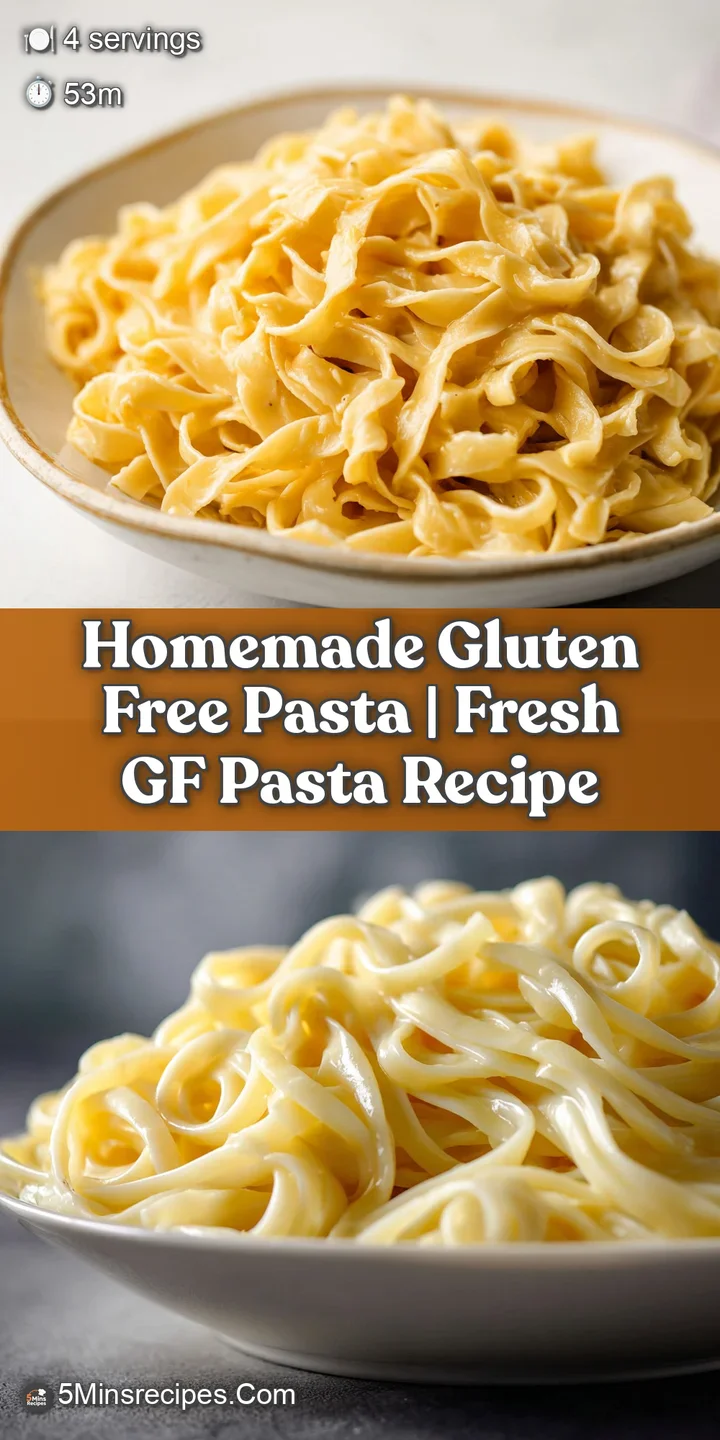
- Time: Active 20 mins, Passive 30 mins, Total 53 mins
- Flavor/Texture Hook: Silky, toothsome strands with a rich golden hue
- Perfect for: Sunday meal prep or an impressive date night dinner
- Why You'll Love This Homemade Gluten Free Pasta
- Critical Specs for This Gluten Free Pasta
- Choosing the Right Components for Gluten Free Pasta
- Essential Gear for Making Gluten Free Pasta
- The Full Workflow for Gluten Free Pasta
- Troubleshooting Common Issues with Gluten Free Pasta
- Adjusting the Recipe for Any Crowd
- Debunking Common Kitchen Myths
- Storing and Saving Your Gluten Free Pasta
- Perfect Pairings for This Gluten Free Pasta
- Gluten Free Pasta FAQs
- 📝 Recipe Card
Why You'll Love This Homemade gluten-free Pasta
The first time I tried to make a gluten-free pasta recipe from scratch, it was a total disaster. I remember the kitchen being covered in a fine mist of white powder, and my dough looked more like dry sand than anything edible. When I tried to roll it, it just shattered into a million pieces.
I almost gave up and ordered pizza, but I was determined to figure out how to get that signature "snap" that real Italian pasta has. It took three more tries and a lot of wasted flour, but once I figured out the secret of the hydration rest, everything changed.
Now, there is nothing like the smell of fresh eggs hitting the flour well on a Saturday afternoon. When you pull those silky, golden strands out of the boiling water, they have this incredible bounce that you just can't get from a box.
This recipe isn't about compromise - it's about making something that actually tastes better than the wheat version. We are going for a texture that is supple enough to drape over a fork but firm enough to hold up to a heavy ragu.
You'll love this because it's practical. We aren't using twenty different obscure flours. We're using a solid 1 to-1 blend and boosting it with a little extra starch to get that professional finish.
It’s fast, it's reliable, and frankly, it’s a bit of a chef level flex when you tell your friends you made the noodles yourself.
The Secret of the Xanthan Bond
Structural Mimicry: Since we lack gluten, the xanthan gum in the flour blend acts as a biological "glue" that creates a stretchy web to hold the dough together. This prevents the noodles from disintegrating into mush the moment they hit the boiling water.
| Method | Time | Texture | Best For |
|---|---|---|---|
| Standard Stovetop | 2-3 minutes | Al dente and silky | Immediate serving with fresh sauce |
| Baked (Casserole) | 20-25 minutes | Soft and absorbent | Lasagna or baked ziti dishes |
| pan-fried | 4-5 minutes | Crispy edges | Leftover "drunken" noodles style |
Using the right method depends on your final goal. For most nights, the quick stovetop boil is king because it preserves the integrity of the fresh dough. If you're looking for a different vibe, you might want to try a One Pan Pasta recipe for those nights when you don't want to wash a colander.
Critical Specs for This gluten-free Pasta
Before we start cracking eggs, we need to understand the timing and the "feel" of the dough. Fresh pasta is a living thing; it reacts to the humidity in your kitchen and the temperature of your hands. I always tell people to ignore the clock and watch the dough, but having these benchmarks helps you stay on track.
Mastering the Xanthan Scaffold
The xanthan gum is your best friend here, but it's a fickle one. If you overwork the dough without enough moisture, it becomes rubbery. If you under knead it, the noodles will snap like twigs. We are looking for that "Goldilocks" zone where the dough feels like slightly firm play dough.
It should be smooth to the touch, not sticky, but definitely not dry.
Optimizing Flour Hydration
This is the part most home cooks skip, and it's why their pasta fails. gluten-free flours are incredibly thirsty. They are made of starches and rice flours that take much longer to absorb liquid than traditional wheat.
By letting the dough sit, we allow the moisture from the eggs and oil to penetrate the center of every starch granule.
Balancing Protein and Elasticity
We use three whole eggs and two extra yolks for a specific reason. The whites provide the protein structure that sets when it hits the heat, giving the noodle its "bite." The yolks provide the fats and emulsifiers that make the dough feel velvety. This balance is what separates a "free pasta" from a masterpiece.
Choosing the Right Components for gluten-free Pasta
| Ingredient | Science Role | Pro Secret |
|---|---|---|
| GF 1 to-1 Blend | Bulk and structure | Use a blend with xanthan gum for elasticity. |
| Tapioca Starch | Chewiness and bounce | This adds the "pull" that mimics wheat gluten. |
| Egg Yolks | Richness and color | Extra yolks create a deep gold, luxurious texture. |
| Extra Virgin Olive Oil | Suppleness | Prevents the dough from drying out during rolling. |
Selecting the right flour is the most important decision you'll make today. I usually reach for a high-quality blend like King Arthur or Cup4Cup because they've already balanced the rice flour with potato starch.
If your blend doesn't have xanthan gum, you'll need to add 1 teaspoon yourself, or you'll just be making gluten-free crackers in a pot of water.
For the Pasta Dough
- 2 cups (280g) high-quality 1 to-1 gluten-free flour blend: Why this? Provides the foundational structure and necessary binders for the dough.
- Substitute: Almond flour blend (Note: result will be much denser and more fragile).
- 1/4 cup (30g) tapioca starch: Why this? Adds essential "chew" and prevents the pasta from being brittle.
- Substitute: Arrowroot powder (Works similarly for texture).
- 3 large whole eggs, room temperature: Why this? The primary binder and source of protein for the noodle structure.
- Substitute: Flax eggs (Note: will significantly change the texture to be more earthy and less "snappy").
- 2 large egg yolks: Why this? Increases fat content for a silkier mouthfeel and better color.
- Substitute: 1 tbsp extra oil (Will lose some richness).
- 1 tbsp extra virgin olive oil: Why this? Lubricates the dough for easier rolling and better hydration.
- Substitute: Avocado oil (Neutral flavor, same fat profile).
- 1/2 tsp fine sea salt: Why this? Enhances the flavor of the grains and eggs.
- Substitute: Table salt (Use slightly less as it's saltier by volume).
- 2 tbsp warm water (as needed): Why this? Fine tunes the hydration depending on the day's humidity.
For the Work Surface
- 1/4 cup rice flour: Why this? Stays gritty and prevents sticking better than the GF blend itself.
- Substitute: Cornstarch (Works well to keep things dry).
Chef's Tip: Use a small spray bottle for the warm water. It's much easier to mist the dough than to add a tablespoon and accidentally turn it into soup.
Essential Gear for Making gluten-free Pasta
You don't need a thousand dollar machine to do this. I've made this with a wine bottle as a rolling pin when I was in a pinch! However, if you're serious about your pasta game, a few tools make the "speed" of the process much better.
A bench scraper is non negotiable for me - it’s the best way to clean your work surface and cut the dough without tearing it.
If you are using a pasta machine, whether it's a hand cranked Atlas or a KitchenAid attachment, remember that GF dough is more delicate than wheat dough. You might need to stop at a slightly thicker setting than you would for traditional spaghetti. For another protein heavy option that works great with simple tools, check out this Protein Pasta with recipe.
The Full Workflow for gluten-free Pasta
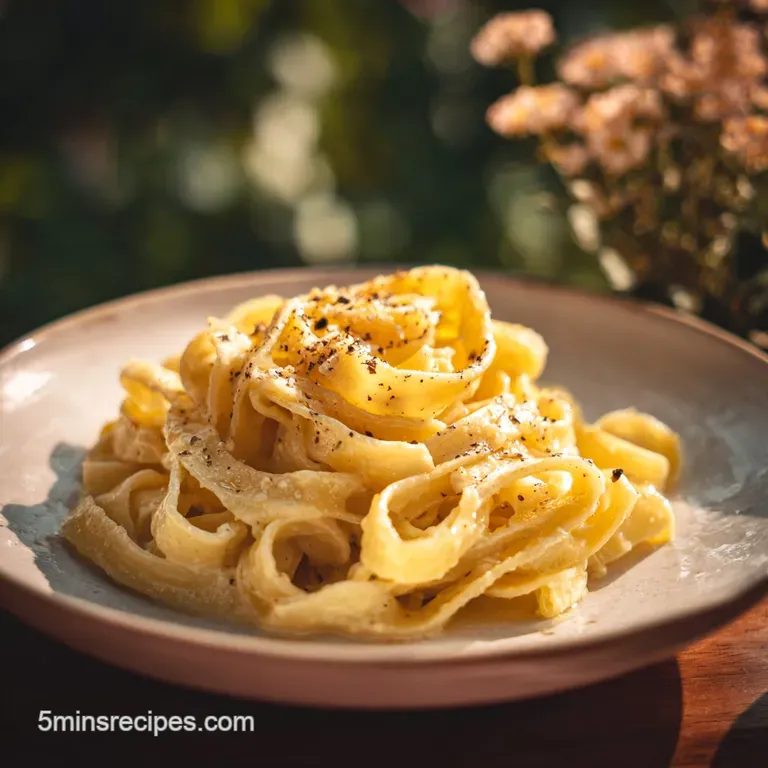
- Sift the dry ingredients. Combine the 280g GF flour, 30g tapioca starch, and salt on a clean work surface. Note: Sifting prevents clumps of xanthan gum from ruining the texture.
- Build the flour well. Create a wide hole in the center of your flour mound, ensuring the walls are high enough to hold the eggs.
- Integrate the liquids. Crack the 3 whole eggs and 2 yolks into the well, then add the olive oil.
- Whisk the eggs. Use a fork to gently beat the eggs inside the well, slowly drawing in flour from the inner walls.
- Form the dough. Continue whisking until a thick paste forms, then use your hands to bring the rest of the flour into the center.
- Knead for suppleness. Fold and push the dough for about 5 to 8 minutes until it feels smooth and bounces back slightly.
- The Essential Hydration Rest. Wrap the dough tightly in plastic wrap and let it sit at room temperature for 30 minutes. Note: This is the most important step for preventing graininess.
- Rolling and Shaping. Divide the dough into four pieces and roll through a pasta machine or with a pin until translucent and flexible.
- The Flash Boil. Drop the shaped pasta into salted boiling water for 2 to 3 minutes until the noodles float to the surface.
- Drain and Toss. Remove the pasta with a spider strainer directly into your sauce to keep it from sticking.
Troubleshooting Common Issues with gluten-free Pasta
Fresh pasta can be temperamental. One day it's perfect, the next day it's a sticky mess because it rained outside. Don't panic. Most issues are related to hydration or temperature, and they are almost always fixable if you catch them early in the process.
Why Your Pasta Is Crumbly
If your dough looks like it's falling apart as you roll it, it's likely too dry. This usually happens if you used a flour blend that is heavy on rice flour or if your eggs were on the smaller side. You can't just pour water on it at this stage; you have to work it in gently.
Mist the dough with a little warm water and re knead it for a minute, then let it rest for another 10 minutes to reset.
Preventing Gummy Noodles
Gummy pasta is usually the result of overcooking or not enough salt in the water. gluten-free starch needs a lot of seasoning to taste right. Also, if you don't use enough water in the pot, the starch concentration gets too high, turning the water into a thick syrup that coats the noodles. Use a big pot!
| Problem | Root Cause | Solution |
|---|---|---|
| Brittle Dough | Lack of moisture or rest | Add 1 tsp warm water and rest for 10 mins. |
| Sticky Dough | Too much liquid/oil | Dust with rice flour and knead lightly. |
| Mushy Noodles | Overcooked in the pot | Reduce boil time to 2 minutes next time. |
Common Mistakes Checklist
- ✓ Don't skip the 30 minute rest - the starch needs time to absorb the egg moisture.
- ✓ Never use cold eggs; room temperature eggs emulsify much better with the fats.
- ✓ Avoid over flouring the work surface, which can lead to a dry, tough noodle.
- ✓ Always salt your pasta water until it tastes like the sea to season the dough from within.
- ✓ Work with small batches of dough and keep the rest covered to prevent drying out.
Adjusting the Recipe for Any Crowd
If you're cooking for a big family gathering, you'll need to scale this up. When doubling the recipe (up to 8 servings), I find it's better to make two separate batches of dough rather than one giant one. It’s easier to knead and manage the hydration.
When you scale up, keep the salt and spices at about 1.5x rather than a full 2x to avoid over seasoning.
For scaling down to 2 servings, use 1.5 cups of flour and 2 large eggs. Since you can't really use half an egg easily, beat one egg in a bowl and use half of it. It’s better to have a slightly wetter dough than a dry one when you're working with smaller quantities.
Debunking Common Kitchen Myths
One big myth is that you need a specialized "pasta flour" to make this work. While "00" flour is the gold standard for wheat pasta, for our purposes, a good 1 to-1 blend is actually superior because it's engineered for versatility. You don't need to hunt down expensive specialty bags.
Another myth is that you shouldn't salt the water until it's boiling. The truth is, salt doesn't affect the boiling point enough to matter in a home kitchen. The real reason to salt the water is for flavor and to help the starch gelatinize properly.
Add it whenever you like, just make sure it's in there before the pasta hits the water.
Storing and Saving Your gluten-free Pasta
Fresh pasta is best eaten immediately, but we all have leftovers. To store fresh, unboiled dough, wrap it tightly in plastic wrap and keep it in the fridge for up to 2 days. If you've already cut the noodles, toss them with plenty of rice flour, form them into little "nests," and let them air dry for 30 minutes before putting them in an airtight container.
For long term storage, the freezer is your friend. Place the pasta nests on a baking sheet and freeze until solid, then transfer them to a freezer bag. They will stay fresh for up to 2 months. When you're ready to eat, don't thaw them!
Just drop the frozen nests directly into the boiling water and add about 1 minute to the cook time.
If you have leftover cooked pasta, it can get a bit stiff in the fridge. To reheat, don't use the microwave - it will make the noodles rubbery. Instead, drop them into a pot of boiling water for just 30 seconds or toss them in a pan with a splash of water and your favorite sauce until they loosen up.
Perfect Pairings for This gluten-free Pasta
Since this pasta is so rich from the extra egg yolks, it stands up beautifully to bold flavors. A classic Bolognese or a heavy cream based Alfredo is a natural fit. The texture of the noodle is sturdy enough to hold onto chunky sauces without breaking.
If you want something lighter, a simple brown butter and sage sauce is incredible. The nuttiness of the butter complements the earthy tones of the gluten-free flour. For a quick weeknight meal, you might even pair these fresh noodles with a pre made Crockpot Chicken Noodles recipe for a hybrid dish that feels homemade but saves time. Whatever you choose, make sure the sauce is ready before the pasta is done boiling - these noodles wait for no one!
gluten-free Pasta FAQs
What are gluten-free pastas made of?
Typically brown rice, corn, quinoa, or legume flours. Modern blends often use a mix of starches like tapioca or potato alongside these flours to mimic the texture of wheat.
Which pastas are generally gluten-free?
All pasta made solely from rice, corn, or pure legumes is gluten-free. Always check the ingredient list on box labels, as many dried pastas are now blended with wheat.
What gluten-free pasta tastes like real pasta?
Freshly made GF pasta using a high starch blend tastes the closest. store-bought versions using mostly corn or rice can be gummy, but those using chickpea or lentil flours have a satisfying chew.
Why are so many doctors against a gluten-free diet?
No, doctors don't oppose the diet, but they caution against unnecessary restriction. For those without Celiac disease or sensitivity, cutting out whole grains can remove valuable fiber and nutrients.
How to prevent gluten-free pasta from being sticky after boiling?
Use a large volume of heavily salted water and toss immediately with oil or sauce. The high starch content requires dilution; if you enjoyed controlling the texture of this dough, see how the same principle applies to achieving proper emulsion in a [Quick Tuna Salad in 10 Minutes] recipe.
Is it true that gluten-free pasta should not be over kneaded?
Yes, this is common advice, but the opposite is true for homemade versions. Unlike wheat dough, GF dough needs vigorous kneading to allow the xanthan gum to build its necessary structure.
How long should I cook gluten-free pasta noodles?
Boil for 2 to 3 minutes, watching carefully for them to float. Fresh GF noodles cook much faster than dried wheat pasta, and overcooking leads quickly to a mushy texture.
Homemade gluten-free Pasta
Ingredients:
Instructions:
Nutrition Facts:
| Calories | 412 kcal |
|---|---|
| Protein | 10.4 g |
| Fat | 13.2 g |
| Carbs | 62.8 g |
| Fiber | 2.1 g |
| Sugar | 0.8 g |
| Sodium | 335 mg |
