Authentic Pad Thai Recipe
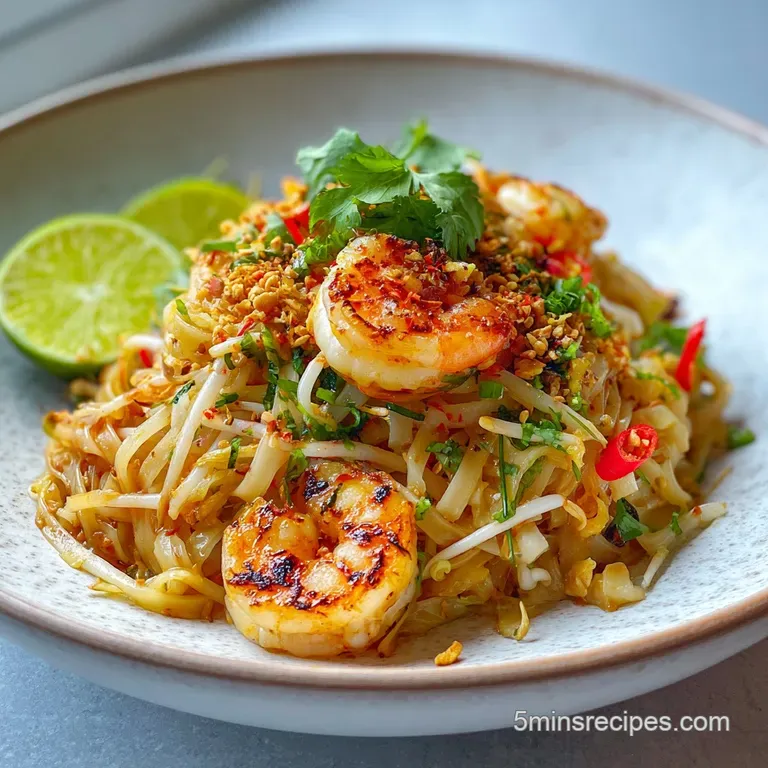
- Time: Active 20 mins, Passive 10 mins, Total 30 mins
- Flavor/Texture Hook: Tangy, velvety sauce with a nutty crunch
- Perfect for: High energy weeknight dinners or a bold weekend snack
- Bold Flavors in Every Bite
- Component Analysis and Selection
- The Pantry Staples You Need
- Essential Tools for High Heat
- Step-By-Step Wok Mastery
- Fixing Soggy or Bland Noodles
- Fusion Flavors and Easy Subs
- Storing and Reviving Leftovers
- Perfect Sides and Drinks
- Very High in Sodium
- Recipe FAQs
- 📝 Recipe Card
Bold Flavors in Every Bite
I love this version because it doesn't apologize for being intense. The palm sugar creates a sticky, caramelized coating on the noodles that pairs perfectly with the sharp tang of the tamarind. It’s a total crowd pleaser that feels like a massive win every time it hits the table.
The Science of Noodle Hydration
Starch Retrogradation: By soaking rice noodles in room temperature water instead of boiling them, we keep the starch granules intact. This prevents them from turning into a pile of mush the second they hit the hot sauce in the wok.
- Maillard Reaction: The high heat of the wok browns the chicken strips in seconds, creating complex flavor compounds before the meat can lose its internal moisture.
- Emulsification: Whisking the fish sauce and tamarind with palm sugar creates a stable syrup that coats the noodles rather than soaking into them.
- Protein Coagulation: Adding the eggs at the very end allows them to set into velvety ribbons rather than disappearing into the sauce.
- Aromatic Volatilization: The intense heat releases the oils in the dried shrimp and preserved radish, creating that signature street food scent.
| Method | Time | Texture | Best For |
|---|---|---|---|
| Traditional Wok | 10 mins | Smokey and charred | Authenticity and speed |
| Large Cast Iron | 12 mins | Crispy edges | Retaining high heat |
| Non Stick Skillet | 15 mins | Softer, more even | Beginners who fear sticking |
Using a wok is the dream, but a heavy skillet works wonders if you let it get screaming hot before you start. The goal is to keep everything moving so the sugar caramelizes without burning.
Component Analysis and Selection
| Ingredient | Science Role | Pro Secret |
|---|---|---|
| Tamarind Concentrate | Acidic Balance | Use the Thai style (brown) not the Indian style (black/sour) |
| Palm Sugar | Caramelization | Shave it thin so it dissolves instantly in the pan |
| Dried Shrimp | Umami Bomb | Toast them in the oil first to unlock the deep ocean flavor |
Each of these items plays a specific role in the structural integrity of your meal. If you skip the dried shrimp, you lose the "soul" of the dish, though I know some people find the smell a bit intense at first. Trust the process.
The Pantry Staples You Need
- 4 oz dried rice sticks (medium width): The backbone of the dish. Why this? Medium width captures the sauce perfectly without snapping.
- Substitute: Linguine (if you're desperate, but texture will be much denser).
- 6 oz chicken breast (sliced thin): Our main protein. Why this? Lean protein that cooks in a flash.
- Substitute: Extra firm tofu batons or shrimp.
- 3 tbsp tamarind concentrate (Thai style): Provides the sour funk. Why this? Real tamarind has a fruity depth vinegar lacks.
- Substitute: 2 tbsp lime juice mixed with 1 tbsp brown sugar.
- 3 tbsp fish sauce: The salt and umami. Why this? Adds a savory layer that salt alone can't touch.
- Substitute: Soy sauce (you will lose the traditional funk).
- 3 tbsp palm sugar (finely shaved): The sweetener. Why this? Lower melting point and earthy, caramel notes.
- Substitute: Light brown sugar.
- 1 tsp chili flakes: For the kick.
- Substitute: Sriracha or fresh Thai bird's eye chilies.
- 2 tbsp neutral oil: For over high heat frying.
- 2 cloves garlic (minced): Base aromatic.
- 1 tbsp firm tofu (cut into small batons): Texture contrast.
- 1 tbsp preserved radish (finely chopped): Adds a salty/sweet crunch.
- 1 tbsp dried shrimp (finely chopped): The secret umami ingredient.
- 2 large eggs: For richness and binding.
- 1 cup fresh bean sprouts: For the crunch.
- 1/4 cup garlic chives (2 inch pieces): Mild onion flavor.
- 1/4 cup roasted peanuts (crushed): Texture and fat.
- 1 lime (wedges): For the final bright pop.
- Fresh cilantro: For garnish.
Essential Tools for High Heat
You really want a wok for this if you have one. The sloped sides are designed for tossing noodles without them flying across the kitchen. If you don't have a wok, reach for your widest, heaviest skillet. A 12 inch cast iron is a fantastic substitute because it holds onto heat even when you dump in the cold ingredients.
Chef's Tip: Freeze your firm tofu for 15 minutes before slicing. It firms up the structure so you can cut those perfect tiny batons without them crumbling into a mess in the pan.
Make sure your prep bowls are ready. This is a fast motion recipe. Once the oil starts smoking, you won't have time to chop garlic or shave sugar. Everything should be within arm's reach of the stove.
step-by-step Wok Mastery
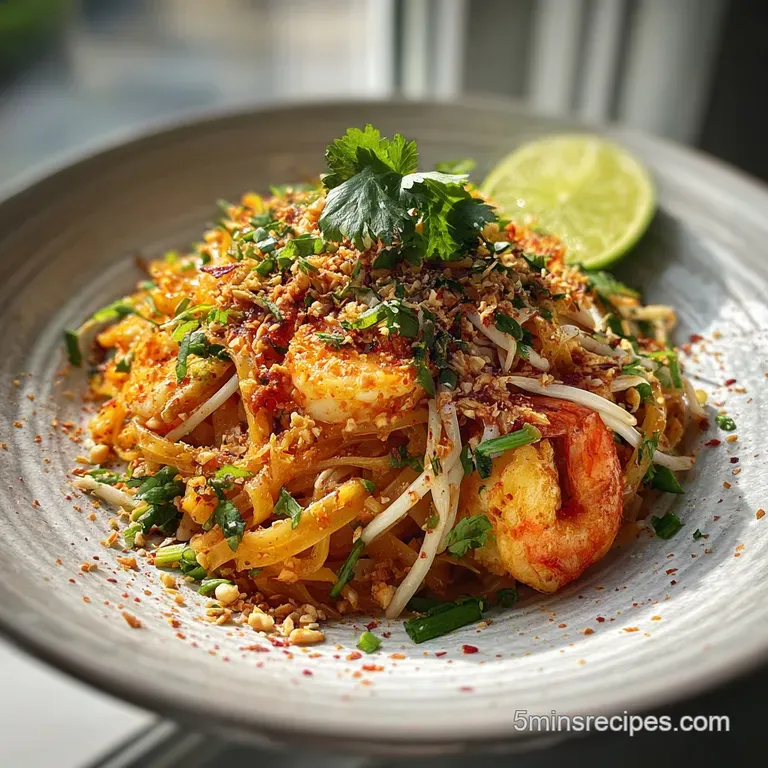
- Soak the noodles. Place 4 oz dried rice sticks in a bowl of room temperature water for 30 minutes until pliable but still firm to the bite. Note: Don't use hot water or they will turn to mush later.
- Prep the sauce. Whisk 3 tbsp tamarind concentrate, 3 tbsp fish sauce, and 3 tbsp shaved palm sugar in a small bowl. Note: This ensures the sugar dissolves evenly.
- Heat the wok. Add 2 tbsp neutral oil over high heat until it starts to shimmer and smoke slightly.
- Sear the protein. Toss in 6 oz sliced chicken breast. Stir fry for 2 minutes until the edges are golden and opaque.
- Add the aromatics. Stir in 2 cloves minced garlic, 1 tbsp tofu batons, 1 tbsp preserved radish, and 1 tbsp dried shrimp. Sauté for 30 seconds until the garlic is fragrant and the shrimp smells toasted.
- Wilt the noodles. Drain the rice sticks and add them to the wok. Pour in the sauce. Toss constantly for 2 to 3 minutes until the noodles absorb the liquid and turn translucent.
- Scramble the eggs. Push the noodle mixture to one side of the wok. Crack 2 eggs into the empty space. Let them set for 30 seconds, then scramble lightly. Note: This keeps the egg pieces distinct.
- The final fold. Toss the noodles back over the eggs. Add 1 cup bean sprouts, 1/4 cup garlic chives, and half of the crushed peanuts.
- Finish the cook. Stir fry for 1 minute until the sprouts are just starting to soften but still have a snap.
- Plating. Remove from heat. Serve immediately with remaining peanuts, lime wedges, and fresh cilantro.
Fixing Soggy or Bland Noodles
The biggest heartbreak in the kitchen is a plate of Pad Thai that feels like a wet sponge. Usually, this happens because the pan wasn't hot enough or the noodles were over soaked. If you find your noodles are sticking together in a giant ball, add a tiny splash of water (just a teaspoon!) to help loosen the starch, but keep that heat high.
Why Your Pad Thai Is Soggy
If your noodles are breaking apart or feel slimy, they likely spent too much time in the soaking water. You want them to feel like "al dente" pasta before they hit the wok. They should be flexible but still have a "snap" when you try to bend them sharply.
| Problem | Root Cause | Solution |
|---|---|---|
| Clumping Noodles | Not enough oil or low heat | Increase heat and toss more vigorously |
| Too Sweet | Too much palm sugar | Add an extra squeeze of lime juice |
| Dry Noodles | Under soaked rice sticks | Add 1 tbsp of water and cover for 30 seconds |
Common Mistakes Checklist
- ✓ Never boil your rice noodles; room temp soaking is the only way.
- ✓ Pat your chicken strips dry before frying to ensure a proper sear.
- ✓ Don't overcrowd the pan - if you're doubling the recipe, cook in two batches.
- ✓ Use Thai style tamarind concentrate, not the black, sticky Indian paste.
- ✓ Shave the palm sugar finely so it dissolves before the noodles overcook.
Fusion Flavors and Easy Subs
This dish is surprisingly flexible once you understand the base mechanics. I've seen people swap out the chicken for crispy pork belly or even smoked salmon for a wild fusion snack vibe. If you want to go the vegan route, you'll need to be clever with the umami.
The Vegan Pivot
Swap the fish sauce for a high-quality mushroom soy sauce or a vegan "no fish" sauce. Replace the dried shrimp with extra preserved radish and a pinch of dulse flakes for that oceanic saltiness.
Use extra firm tofu as your primary protein and skip the eggs, adding a pinch of kala namak (black salt) to get that "eggy" aroma.
Low Carb Swap
If you are watching the carbs, swap the rice noodles for spiralized zucchini or shirataki noodles. Be warned: shirataki noodles don't absorb sauce the same way, so you'll want to reduce the sauce in the pan for an extra minute before adding the noodles to ensure they get coated properly.
Storing and Reviving Leftovers
Pad Thai is always best fresh from the wok, but leftovers can work if you handle them with care. Store it in an airtight container in the fridge for up to 3 days. I don't recommend freezing it, as the rice noodles tend to become very brittle and break into tiny pieces once thawed.
To revive your noodles, don't just microwave them. They will turn into a dry, rubbery brick. Instead, heat a teaspoon of oil in a skillet over medium heat. Add the leftovers with a tiny splash of water or a squeeze of lime.
Cover the pan for 60 seconds to let the steam penetrate the noodles, then toss them quickly until they are hot and pliable again. For zero waste, use any leftover cilantro stems or chive ends in a morning omelet!
Perfect Sides and Drinks
Since this dish is a heavy hitter on the flavor scale, you want sides that offer a cooling contrast. A simple smashed cucumber salad with rice vinegar and sesame oil is brilliant. It cuts through the richness of the peanuts and the sweetness of the tamarind.
For drinks, go for something with high acidity or bubbles. A cold Singha beer is the classic choice, but a sparkling limeade or a dry Riesling works beautifully too. The acidity in the wine mimics the lime juice in the dish, making every bite feel fresh.
If you’re feeling bold, a spicy ginger beer really leans into those Asian fusion snack vibes we love.
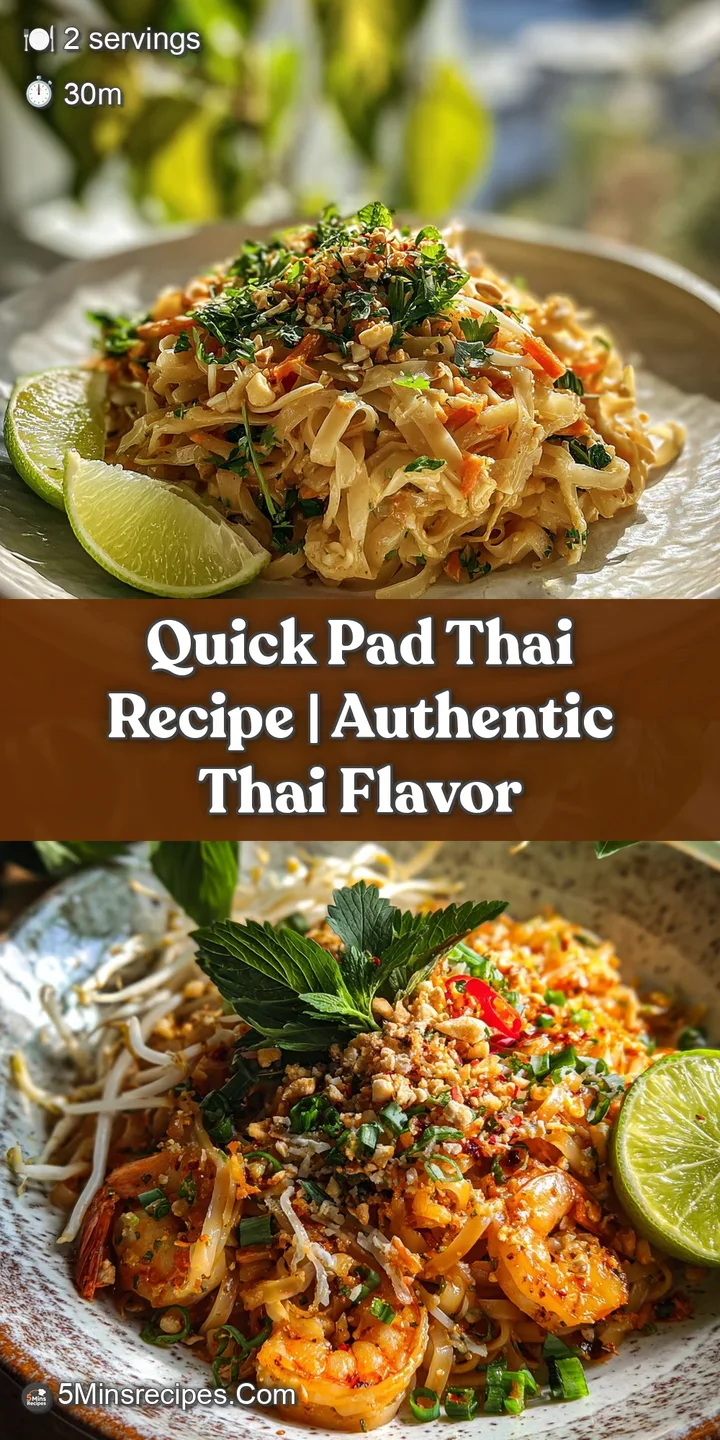
Very High in Sodium
2750 mg mg of sodium per serving (120% of daily value)
The American Heart Association recommends limiting sodium intake to about 2,300mg per day.
Tips to Reduce Sodium in Your Pad Thai:
-
Reduce Fish Sauce-30%
Fish sauce is a major sodium contributor. Reduce the amount from 3 tbsp to 1.5 tbsp and adjust other seasonings to taste. This change can significantly lower the sodium content.
-
Rinse Preserved Radish-20%
Preserved radish is very high in sodium. Rinse it thoroughly under cold water before adding it to the recipe. This helps remove some of the excess salt. Consider reducing the quantity by half.
-
Limit Dried Shrimp-20%
Dried shrimp is another significant source of sodium. Reduce the amount used by half, or consider omitting it altogether for a lower sodium dish. Use fresh shrimp instead and cook them with the chicken to achieve a similar flavor profile.
-
Low-Sodium Tofu-10%
Use firm tofu prepared without salty brine. If unavailable, press the tofu for 30 minutes to remove excess water and reduce any sodium content.
-
Control Chili Flakes
While chili flakes themselves don't contain much sodium, be mindful of the quantity you use as they can mask the need for salt. Adjust to taste and consider fresh chilies for better flavor.
-
Boost with Herbs & Spices
Enhance the flavor profile with fresh herbs like cilantro, lime juice, and spices to compensate for reduced sodium. Experiment with ginger or lemongrass for added complexity.
Recipe FAQs
What does Pad Thai consist of?
It consists of stir fried rice noodles, egg, tofu, dried shrimp, fish sauce, tamarind, palm sugar, and peanuts. The base layers savory, sweet, sour, and umami flavors using high heat wok cooking techniques.
Why is Pad Thai so healthy?
No, it is not inherently healthy, but it can be balanced. While it contains vegetables and protein, the traditional recipe is high in sugar from palm sugar and salt from fish sauce, requiring mindful portion control.
What is the difference between Pad Thai and lo mein?
Pad Thai uses flat, medium width rice noodles while Lo Mein uses thick, round wheat noodles. Furthermore, Pad Thai relies on a sharp, tangy tamarind sauce, whereas Lo Mein uses a savory, soy-based sauce.
What is the crunchy stuff in Pad Thai?
The primary crunchy elements are crushed roasted peanuts and preserved radish. Bean sprouts and garlic chives also add a final textural contrast when added at the end of cooking.
How do I prevent my Pad Thai noodles from turning into a mushy clump?
Soak the rice noodles in room temperature water until pliable but still firm. Never boil them, as this causes starch retrogradation, leading to a sticky mess when they hit the hot wok.
Is it true that dried shrimp is essential for authentic Pad Thai flavor?
Yes, dried shrimp is crucial for authentic flavor. It acts as a potent umami bomb, providing a distinct, deep, savory ocean note that soy sauce alone cannot replicate.
Should I add a protein first, or the sauce ingredients, when starting the wok?
Sear your sliced protein (like chicken or shrimp) first over high heat. This achieves a quick Maillard reaction and locks in moisture before you introduce the sauce mixture which needs to caramelize.
Quick Pad Thai Recipe
Ingredients:
Instructions:
Nutrition Facts:
| Calories | 839 kcal |
|---|---|
| Protein | 45g |
| Fat | 31g |
| Carbs | 91g |
| Fiber | 5g |
| Sugar | 35g |
| Sodium | 2750mg |
