Quick Pasta Sauce: Silky & Bright
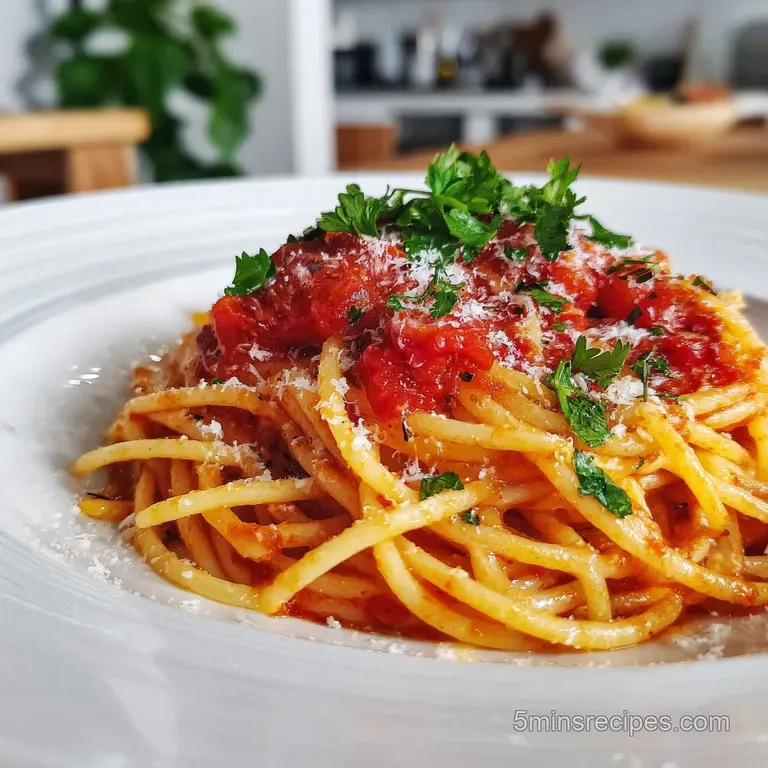
- Time: Active 5 minutes, Passive 5 minutes, Total 10 minutes
- Flavor/Texture Hook: Zesty, silky, and bright
- Perfect for: High speed weeknight dinners and meal prep basics
- Experience the Magic of This Quick Pasta Sauce
- The Chemistry of the Tomato Paste Sizzle
- Detailed Component Analysis for Better Flavor
- The Pantry Staples You Need for Success
- Minimalist Tools for Maximum Flavor Impact
- The Ten Minute Workflow for Silky Sauce
- Solving Common Texture and Flavor Hurdles
- Proportions for Scaling and Large Batches
- Debunking Common Kitchen Myths
- How to Store and Freeze Your Leftovers
- Pro Finishing Touches for Better Plating
- Quick Pasta Sauce FAQs
- 📝 Recipe Card
Experience the Magic of This Quick Pasta Sauce
The second those garlic slices hit the shimmering olive oil, the kitchen transforms. It starts with that high pitched sizzle, the kind that tells you something good is about to happen, followed by the sharp, savory aroma of garlic hitting that perfect golden edge.
I remember a Tuesday night when I was utterly exhausted, staring at a box of pasta and feeling like I’d failed the dinner game. I didn't have hours for a slow cooked ragu, but I did have ten minutes.
This Quick Pasta Sauce is my absolute "rescue" recipe. It’s the one I make when the fridge is looking thin and the clock is ticking against me. We aren't just dumping a can of tomatoes into a pan here; we are using specific chef techniques to build layers of flavor fast.
It’s about that hit of heat from the red pepper and the way the tomato paste deepens into a rich, brick red color before the crushed tomatoes even join the party.
We've all been tempted by the jarred stuff, but the difference here is the vibrancy. You get the punch of fresh torn basil and that velvety mouthfeel that only comes from a final whisk of butter. By the time your noodles are al dente, this sauce is ready to cling to them like a long lost friend.
It's proof that you don't need a whole afternoon to create a meal that feels intentional and soulful.
The Chemistry of the Tomato Paste Sizzle
Caramelization Pulse: over High heat sautéing of the tomato paste (the "pincé" technique) removes its raw metallic edge and intensifies the natural sugars through the Maillard reaction.
This creates a deep, concentrated savory base in seconds that would otherwise take an hour of simmering to achieve.
Emulsion Stability: Adding starchy pasta water and cold butter at the finish creates a fat in-water emulsion. The starch acts as a bridge between the watery tomato juice and the fats, resulting in a sauce that is silky and sticks to the pasta rather than pooling at the bottom of the bowl.
| Feature | Fast Pasta Sauce | Classic Slow Simmered Sauce |
|---|---|---|
| Cooking Time | 5-10 minutes | 2 to 4 hours |
| Flavor Profile | Bright, acidic, and fresh | Deep, sweet, and jammy |
| Primary Texture | Silky and light | Thick and chunky |
The speed of this method is its greatest strength, especially when you need a meal on the table in record time. While a slow simmered sauce relies on the long term breakdown of tomato fibers to create sweetness, our version uses the tomato paste and a hit of butter to cheat that richness. If you are looking for more speed focused meals, you might also enjoy the workflow in this One Pan Pasta recipe.
Detailed Component Analysis for Better Flavor
| Ingredient | Science Role | Pro Secret |
|---|---|---|
| Extra Virgin Olive Oil | Fat soluble flavor carrier | Use high-quality oil; it provides the primary fat bridge for the garlic and pepper flakes. |
| Tomato Paste | Umami concentrate | Fry it until it turns a dark rust color to eliminate that "canned" aftertaste. |
| Crushed Tomatoes | Structural body | Look for "San Marzano style" for lower acidity and fewer seeds. |
| Unsalted Butter | Emulsifier and softener | Add it dead last and cold to create a glossy, restaurant style sheen. |
Selecting the right components makes the difference between a thin soup and a proper coating. The crushed tomatoes provide the bulk, but the "secret" is the starch in that 1/4 cup of pasta water. It binds everything together, ensuring the flavors don't just slide off your fork.
The Pantry Staples You Need for Success
- 2 tbsp extra virgin olive oil: Why this? Provides the base fat for blooming spices.
- 4 cloves garlic, thinly sliced: Why this? Slicing prevents burning while maximizing surface area.
- 1/2 tsp red pepper flakes: Why this? Adds a background hum of heat without overpowering.
- 1 tbsp tomato paste: Why this? Essential for instant depth and rich color.
- 14 oz crushed tomatoes: Why this? The perfect balance of texture and moisture.
- 1 tsp dried oregano: Why this? Dried herbs bloom beautifully in hot oil.
- 1/2 tsp fine sea salt: Why this? Sharpens all other flavors immediately.
- 1/4 tsp black pepper: Why this? Adds a subtle earthy bite.
- 1 tbsp unsalted butter: Why this? Rounds out acidity for a velvety finish.
- 1/4 cup starchy pasta cooking water: Why this? The "liquid gold" that glues sauce to noodles.
- 1/4 cup fresh basil leaves, torn: Why this? Provides a fresh, aromatic top note.
Chef's Tip: Freeze your butter for 10 minutes before adding it to the sauce. Grating the cold butter into the hot liquid allows it to melt and emulsify almost instantly, creating a much more stable and glossy finish than a large melting chunk.
Minimalist Tools for Maximum Flavor Impact
You don't need a pantry full of gadgets to nail this. A wide, heavy bottomed skillet is your best friend here because it increases the evaporation rate, helping the sauce thicken in just five minutes. If you use a deep pot, the steam gets trapped, and the tomatoes will taste boiled rather than concentrated.
A sturdy wooden spoon or a heat resistant silicone spatula is vital for scraping the bottom of the pan. You want to make sure the tomato paste doesn't stick and burn, but rather incorporates into the oil.
Finally,, a good sharp knife or a mandoline for the garlic is non negotiable those cloves need to be paper thin so they melt into the oil rather than leaving crunchy bits in your dinner.
The Ten Minute Workflow for Silky Sauce
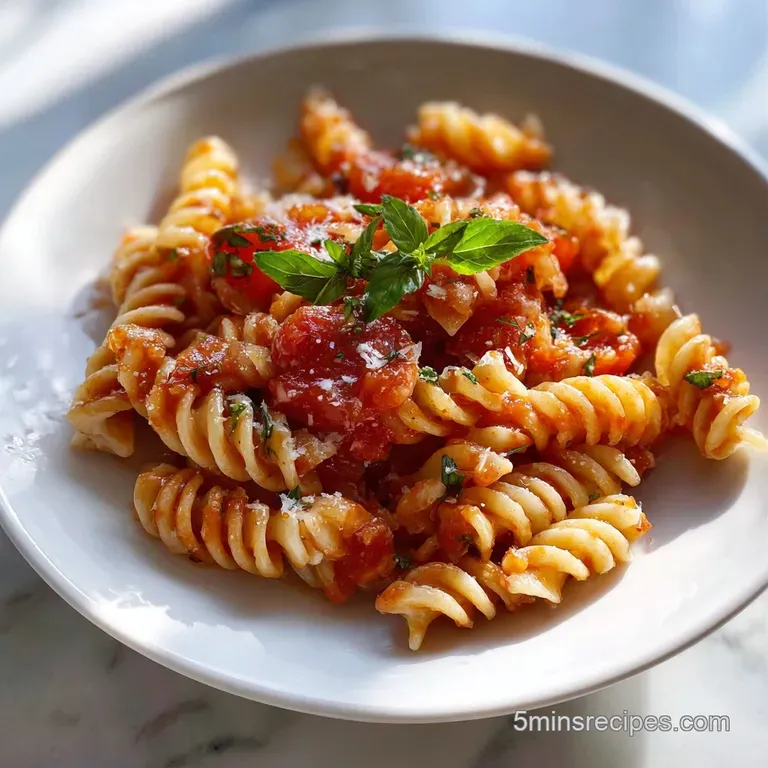
- Sauté the aromatics. Heat the 2 tbsp extra virgin olive oil in a large skillet over medium heat. Add the 4 cloves of thinly sliced garlic and 1/2 tsp red pepper flakes. Note: Keep the garlic moving so it turns translucent, not brown.
- Bloom the herbs. Stir in the 1 tsp dried oregano. Cook for 30 seconds until the kitchen smells like a pizzeria.
- Concentrate the paste. Add the 1 tbsp tomato paste to the center of the pan. Mash it into the oil with your spoon.
- Fry the paste. Cook the paste for about 1 minute until it turns a deep brick red and smells savory.
- Add the tomatoes. Pour in the 14 oz crushed tomatoes, 1/2 tsp sea salt, and 1/4 tsp black pepper. Stir well to combine the fried paste with the liquid.
- Simmer rapidly. Increase the heat slightly and let the mixture bubble for 3 to 4 minutes. Cook until the sauce thickens and looks slightly darker.
- Incorporate the starch. Pour in the 1/4 cup starchy pasta cooking water. This should be taken directly from your pasta pot just before draining.
- The butter finish. Remove the pan from the heat. Stir in the 1 tbsp unsalted butter. Stir vigorously until the butter vanishes and the sauce glows.
- The fresh finish. Toss in the 1/4 cup torn fresh basil leaves just before serving.
This workflow is incredibly fast. If you're looking for a similar speed but with a more traditional herb focus, you can check out this Marinara Sauce in recipe. Both versions beat anything you can buy in a jar.
Solving Common Texture and Flavor Hurdles
Sometimes things go sideways even with the simplest recipes. The most common issue with a Quick Pasta Sauce is acidity. Depending on the brand of tomatoes you use, the sauce might taste a bit "tinny" or sharp. This isn't your fault; it's just the nature of canned produce.
Why Your Sauce Tastes Metallic
If the sauce feels harsh on the back of your throat, the acidity is too high. This usually happens if the tomato paste didn't fry long enough or the canned tomatoes were particularly young. A tiny pinch of sugar or an extra half tablespoon of butter can neutralize this instantly.
Why Your Sauce Is Watery
If the liquid is separating from the solids, it means the emulsion didn't hold. This happens if you don't use enough pasta water or if you boil the sauce too hard after adding the butter. The butter must be stirred in off the heat to keep the fat from breaking.
| Problem | Root Cause | Solution |
|---|---|---|
| Bitter aftertaste | Burned garlic | Start over; burned garlic cannot be masked. Sauté on lower heat. |
| Sauce won't stick | Missing pasta water | Add 2 more tbsp of starchy water and whisk vigorously. |
| Too salty | Over reduction | Add a splash of unsalvaged water or a tiny dollop of heavy cream. |
Common Mistakes Checklist ✓ Never skip the "frying" stage of the tomato paste; it’s the secret to deep flavor. ✓ Don't use garlic powder; the fresh slices provide the texture and aroma needed for speed. ✓ Always save your pasta water before you drain the noodles.
✓ Add fresh basil at the very end; heat destroys its delicate aromatic oils. ✓ Avoid low-fat butter substitutes; you need the real fat to emulsify the sauce.
Proportions for Scaling and Large Batches
When you need to feed a crowd or just want to prep for the week, scaling this recipe is straightforward, but you have to watch the moisture levels.
- Scaling Down (1-2 Servings): Use a smaller pan to prevent the sauce from drying out too quickly. Reduce the simmering time by about 1 minute since the smaller volume will concentrate faster.
- Scaling Up (8-12 Servings): When doubling or tripling, do not double the salt or red pepper flakes immediately. Start with 1.5x the amount and adjust at the end. Use a very large wide pan so the tomatoes have enough surface area to reduce. If the pan is too crowded, the sauce will steam rather than concentrate, and you'll end up with a "raw" tomato flavor.
| Strategy | Change | Impact |
|---|---|---|
| Double Batch | Use 28 oz tomatoes, but only 1.5 tsp salt | Prevents over salting during reduction |
| Half Batch | Use 7 oz tomatoes and a small 8 inch skillet | Prevents sauce from burning to the pan |
| make-ahead | Cool completely before refrigerating | Keeps the basil from turning black |
For those who enjoy a heartier version of a fast meal, the logic of balancing spices when scaling up is very similar to what you'd find in this Chili Recipe in.
Debunking Common Kitchen Myths
Adding oil to pasta water prevents sticking. This is a total myth. The oil just floats on top and then coats the pasta as you drain it, which actually prevents your beautiful Quick Pasta Sauce from sticking to the noodles. Keep the oil in the pan, not the pot.
Sugar is the only way to fix acidic sauce. While sugar works, it can make the sauce taste like candy if you aren't careful. A better way to balance acidity is through fat (like our butter) or a tiny pinch of baking soda, which chemically neutralizes the acid without changing the flavor profile to "sweet."
How to Store and Freeze Your Leftovers
Storage: Keep any leftover sauce in an airtight glass container in the fridge for up to 4 days. Glass is better than plastic because tomatoes will stain your Tupperware forever. When reheating, add a teaspoon of water to loosen it up, as it will thicken significantly when cold.
Freezing: This sauce freezes like a dream. Pour it into freezer safe bags, squeeze out the air, and lay them flat. They will last for up to 3 months. To use, just drop the frozen block into a skillet over low heat it will thaw and "re emulsify" as it warms up.
Zero Waste: If you have just a half cup of sauce left, don't toss it. It makes an incredible base for a "shakshuka style" breakfast just poach an egg directly in the sauce the next morning. You can also use the leftover tomato skins or herb stems to flavor a vegetable stock later in the week.
Pro Finishing Touches for Better Plating
To get that "Better Than Dining Out" edge, always toss the pasta in the pan with the sauce for at least 30 seconds before plating. This allows the sauce to penetrate the outer layer of the pasta. If you just ladle sauce on top of dry noodles, the flavors stay separate.
For a photo ready contrast, keep a few small basil leaves aside to garnish at the very end. A final micro grating of Parmigiano Reggiano or a quick drizzle of high end finishing oil adds a layer of luxury that belies the ten minute cook time. If you’re feeling fancy, a dollop of cold ricotta on top of the hot pasta creates a beautiful creamy swirl as you eat. For more comfort style meals that look great on the plate, consider the techniques used in this and Chicken Noodle recipe.
Quick Pasta Sauce FAQs
What is the easiest pasta sauce to make?
The easiest is a simple tomato based sauce. This quick pasta sauce relies on pantry staples like crushed tomatoes and tomato paste, sautéed with garlic and red pepper flakes for flavor. You can achieve a rich taste in under 15 minutes.
What can I use if I don't have pasta sauce?
You can make a quick version from scratch. If you lack pre-made sauce, a simple combination of olive oil, garlic, canned tomatoes, and seasoning can be cooked down rapidly. This One Pan Pasta recipe shows how versatile basic ingredients can be for a speedy meal.
How to make a quick pasta sauce for one?
Halve the ingredients and use a small pan. Reduce the quantities of olive oil, garlic, tomatoes, and butter. Sauté for a shorter time to prevent burning and over reduction in a smaller skillet suitable for a single serving.
What is the famous 4 ingredient pasta sauce?
It usually refers to a simple tomato, garlic, olive oil, and basil combination. Often, this is a very basic marinara or pomodoro style sauce. However, our quick pasta sauce adds a few more key ingredients like tomato paste for depth and butter for a silky finish, making it more complex than a typical 4-ingredient recipe.
Can I make this sauce without fresh basil?
Yes, dried herbs can substitute for fresh basil. While fresh basil adds a vibrant aroma, 1 teaspoon of dried oregano or basil stirred in with the tomato paste works well. For a different flavor profile entirely, consider the bold spices in this Fast Beef Tacos: Restaurant Quality in Minutes recipe.
How do I get a glossy, restaurant quality finish on my sauce?
Emulsify cold butter into the sauce off the heat. Stirring in a knob of cold butter at the very end, after removing the pan from the heat, creates a stable emulsion. This technique, similar to the principles in making Fast Starch Bond, gives the sauce a beautiful sheen.
What is the key to making this sauce taste rich without long simmering?
Frying the tomato paste is crucial. Sautéing tomato paste until it darkens and smells savory, a technique called "pincé," intensifies its flavor and removes any raw metallic taste. This rapid concentration of sugars through the Maillard reaction is a key shortcut to deep flavor.
Quick Pasta Sauce
Ingredients:
Instructions:
Nutrition Facts:
| Calories | 126 calories |
|---|---|
| Protein | 1.8g |
| Fat | 9.8g |
| Carbs | 8.8g |
| Fiber | 2.3g |
| Sugar | 5.1g |
| Sodium | 345mg |
