Easy Pastina Recipe with Buttery Broth
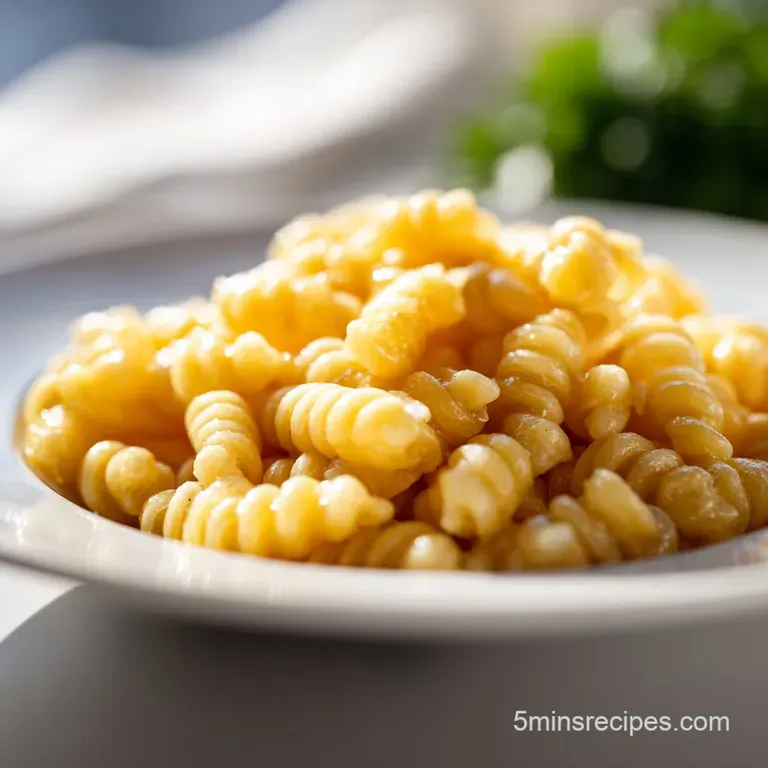
- Time: Active 5 minutes, Passive 15 minutes, Total 20 minutes
- Flavor/Texture Hook: Silky, buttery, and deeply savory
- Perfect for: Busy mornings, rainy days, or when you feel under the weather
- Science of the Golden Emulsion
- Recipe Timing and Planning Guide
- Selecting Quality Base Components
- Essential Tools for Busy Mornings
- Ingredient Lists and Smart Substitutions
- Executing the Perfect Simmer
- Fixing Common Texture Mistakes
- Creative Flavor Variations to Try
- Scaling for Families or Singles
- Debunking Common Kitchen Myths
- Reheating and Long Term Storage
- Best Pairings for Balanced Meals
- Recipe FAQs
- 📝 Recipe Card
The first time I made this pastina recipe, it was a gray Tuesday morning and my youngest had woken up with a scratchy throat. I remember the rhythmic sound of the tiny pasta hitting the bottom of the pot, like a handful of sand on a tin roof.
The steam rose up in gentle swirls, carrying the scent of rich chicken broth and melting butter that immediately made the kitchen feel like a sanctuary.
I used to think you just boiled these little stars like any other pasta, but I was so wrong. My Italian neighbor, Maria, saw me draining the broth one day and nearly had a heart attack. She taught me that the broth is the liquid gold you never throw away.
Now, whenever someone in our house feels a bit low, the first thing I reach for is that blue box of stelline and a carton of bone broth.
We’ve all had those mornings where we need something more substantial than toast but don't have the energy for a full production. This is the solution. It’s fast, it’s foolproof, and it uses ingredients you probably already have in the pantry.
You’re going to love how the egg creates a creamy, custard like finish without needing a drop of heavy cream.
Science of the Golden Emulsion
Starch Suspension: Cooking the pasta directly in a limited amount of broth allows the starches to concentrate, creating a thick, naturally creamy liquid base. This process, often called the "risottata" method, ensures that every grain of pasta is infused with flavor rather than just being hydrated by water.
Protein Tempering: Whisking the egg with the cheese and adding it at the very end creates a stable emulsion. The residual heat of the pasta gently cooks the egg into a silky sauce rather than scrambling it into solid chunks, resulting in a velvety mouthfeel.
| Method | Time | Texture | Best For |
|---|---|---|---|
| Classic Stovetop | 15 minutes | Silky and creamy | Immediate comfort and "sick" days |
| Oven Baked | 35 minutes | Firm and crusty | Large family brunches or meal prep |
| Microwave | 8 minutes | Soft and simple | Dorm rooms or quick office lunches |
While the stovetop is the gold standard for that authentic pastina recipe feel, the oven method works if you're making a massive batch and want to melt extra cheese on top. However, I find that the stovetop allows for much better control over the final consistency, which can turn from soup to sludge in a matter of seconds if left unattended in a hot oven.
Recipe Timing and Planning Guide
Getting this dish right is all about the flow. Since we’re dealing with such small pasta, things move quickly once that broth starts bubbling. I like to have everything measured out before I even turn on the burner because you won't have time to grate cheese while the stars are simmering.
Three Step Execution Timeline
- The Prep (Minutes 0-5): Grate your Parmigiano Reggiano into a small bowl. Whisk the pasture raised egg into the cheese until it forms a thick, pale yellow paste. This is your flavor engine.
- The Simmer (Minutes 5-18): Bring the 2.5 cups chicken bone broth to a boil. Drop in the 1/2 cup pastina pasta and turn the heat down. You want a gentle simmer, not a violent boil, or you'll evaporate too much liquid before the pasta is tender.
- The Finish (Minutes 18-20): Turn off the heat entirely. Stir in the 1 tablespoon unsalted butter until it vanishes. Slowly fold in the egg and cheese mixture, stirring constantly until the liquid transforms into a rich, golden sauce.
Selecting Quality Base Components
| Ingredient | Science Role | Pro Secret |
|---|---|---|
| Chicken Bone Broth | Provides gelatin and protein for a thicker mouthfeel | Use low sodium to control the final seasoning perfectly |
| Pastina (Stelline) | Releases starch to thicken the soup base | Toast them in dry butter for 2 minutes for nutty notes |
| Parmigiano Reggiano | Acts as an emulsifier and adds umami | Always grate from a block; pre shredded has waxy anti clumping agents |
Using the right ingredients makes a massive difference in such a simple dish. For an authentic pastina recipe, look for a high-quality bone broth. It has more collagen than standard chicken stock, which gives the soup a much richer body that coats the back of a spoon.
Essential Tools for Busy Mornings
You don't need a professional kitchen for this, but a few specific items make it easier. I always use a small, heavy bottomed saucepan. Thin pots tend to have hot spots that can scorch the delicate stars at the bottom.
A whisk is also non negotiable for getting that egg and cheese mixture perfectly smooth before it hits the hot broth.
A microplane or a fine grater is your best friend here. You want the cheese to be like snow so it melts instantly into the egg. If the cheese pieces are too big, they'll clump up and you'll end up with chewy bits instead of a silky sauce. This dish is often served with an Antipasto Salad Recipe for a bit of crunch on the side.
Ingredient Lists and Smart Substitutions
- 1/2 cup Pastina Pasta: Small stars (stelline) are traditional. Why this? They cook fast and hold just the right amount of sauce.
- Substitute: Acini di pepe or orzo.
- 2.5 cups Chicken Bone Broth: Use the low sodium variety. Why this? Provides a deep, savory foundation and healthy collagen.
- Substitute: Vegetable broth or homemade chicken stock.
- 1 tablespoon Unsalted Butter: high-quality grass fed is best. Why this? Adds a velvety fat layer that carries the flavor.
- Substitute: 1 tablespoon extra virgin olive oil.
- 1 Large Egg: Use pasture raised for a brighter yellow yolk. Why this? Binds the sauce and adds essential protein.
- Substitute: 2 tablespoons heavy cream (for egg free version).
- 1/4 cup Parmigiano Reggiano: Freshly grated is a must. Why this? Provides the saltiness and structure for the emulsion.
- Substitute: Pecorino Romano for a sharper, saltier bite.
- 1 pinch Sea Salt: To taste.
- 1 crack freshly ground Black Pepper: For a tiny bit of heat.
Executing the Perfect Simmer
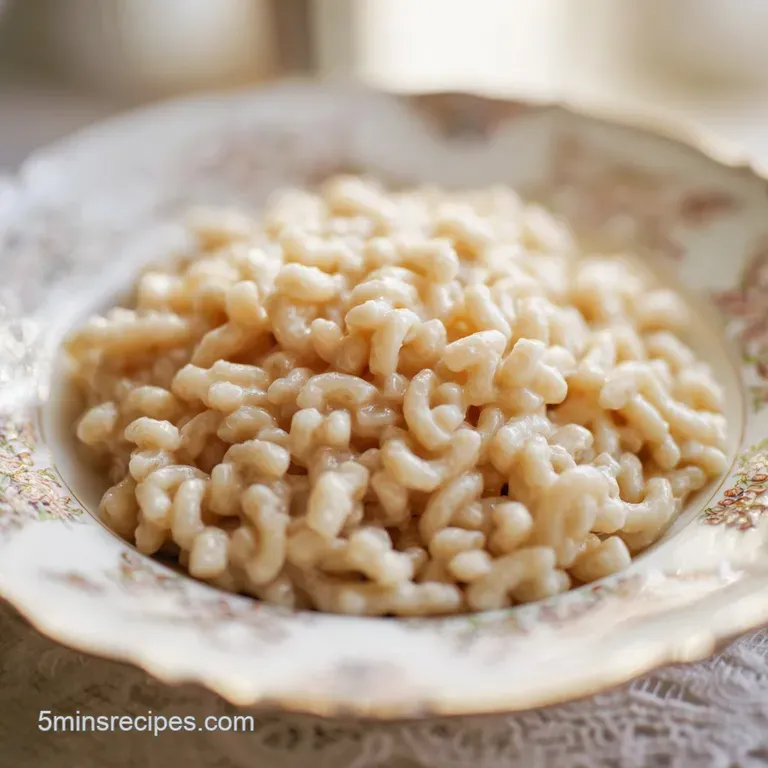
- Boil the broth. Pour the 2.5 cups chicken bone broth into a saucepan and bring to a rolling boil over medium high heat.
- Add the pasta. Pour in the 1/2 cup pastina pasta and a tiny pinch of salt. Wait for the water to return to a simmer before timing.
- Simmer gently. Reduce heat to low. Cook for about 8-10 minutes. Note: Stir occasionally to prevent the tiny stars from sticking to the bottom.
- Prepare the liaison. While the pasta cooks, whisk the egg and the 1/4 cup Parmigiano Reggiano in a small bowl until no lumps remain.
- Check for doneness. Taste a few grains of pasta. They should be soft but not falling apart.
- Add the butter. Remove the pan from the heat. Drop in the 1 tablespoon unsalted butter and stir until completely melted.
- Temper the egg. Take a spoonful of the hot broth and whisk it into your egg/cheese mixture. Note: This prevents the egg from curdling when it hits the main pot.
- The final fold. Pour the egg mixture into the saucepan. Stir vigorously for 30 seconds until the sauce turns opaque and creamy.
- Season and serve. Add a crack of black pepper and serve immediately in warm bowls.
Fixing Common Texture Mistakes
Why did my egg curdle?
This usually happens if the broth is still boiling when you add the egg, or if you didn't stir fast enough. The egg proteins denature and clump together into white strands rather than emulsifying.
To fix this, you can try to whisk it aggressively, but next time, make sure to pull the pan off the heat and let it sit for 30 seconds before adding the egg.
Why is the pasta sticky?
If the pastina recipe for sick days feels more like a thick paste than a soup, you likely used too high a heat, causing too much liquid to evaporate. Small pasta absorbs liquid even after you stop cooking.
Just splash in a little more warm broth or water a tablespoon at a time until it reaches that velvety consistency again.
| Problem | Root Cause | Solution |
|---|---|---|
| Gummy texture | Overcooked pasta | Drain a bit of liquid and add fresh broth |
| Bland flavor | Lack of acidity or salt | Add a squeeze of lemon or more cheese |
| Broken sauce | Added egg to boiling liquid | Remove from heat and whisk in a splash of cold broth |
Common Mistakes Checklist ✓ Don't walk away from the stove; pastina sticks to the bottom in seconds. ✓ Never use pre grated cheese; the cornstarch coating ruins the emulsion. ✓ Don't drain the liquid; the starchy broth is what makes the sauce.
✓ Add the egg only after the pot is off the heat to avoid scrambling. ✓ Always taste for salt at the very end, as the cheese is naturally salty.
Creative Flavor Variations to Try
If you want a different vibe, you can easily tweak this Italian pastina recipe. For a boost of greens, I often stir in a handful of finely chopped baby spinach during the last minute of simmering. The heat of the broth wilts it perfectly without overcooking it. If you want a red version, you can check out my Marinara Sauce in recipe and stir in a few tablespoons for a "pastina al pomodoro" style dish.
- Extra Protein
- Stir in shredded rotisserie chicken or a spoonful of hemp seeds at the end.
- Bright and Zesty
- Add a teaspoon of lemon zest and a squeeze of fresh juice before serving.
- Garlicky Kick
- Sauté a minced garlic clove in the butter before adding the broth to the pot.
Scaling for Families or Singles
When scaling this small pasta soup recipe, keep in mind that the pasta to liquid ratio is sensitive. If you are doubling the recipe for a family of four, use 1 cup of pasta and 4.5 cups of broth. You don't quite need to double the liquid because you lose less to evaporation in a larger pot.
For single servings, simply halve everything. Use 1/4 cup pasta and 1.25 cups broth. Since you can't really use half an egg easily, I suggest using the whole egg anyway it just makes the dish extra rich and custard like. Just make sure to use a very small pot so the liquid doesn't evaporate too quickly.
Debunking Common Kitchen Myths
Some people insist that you must toast the pasta first. While toasting adds a nice nutty flavor, it isn't necessary for an authentic pastina recipe. The classic version is meant to be clean and simple, focusing on the quality of the broth.
Toasting also hardens the exterior of the pasta, which can slightly increase the cooking time.
Another myth is that you need heavy cream to make it creamy. This isn't true at all. The combination of the pasta starch, the egg, and the finely grated cheese creates a natural emulsion that is much lighter and more flavorful than using cream. Adding cream actually masks the delicate flavor of the chicken broth.
Reheating and Long Term Storage
Storage: You can keep leftovers in an airtight container in the fridge for up to 3 days. Be aware that the pasta will continue to soak up the liquid as it sits, turning into a solid mass. This is totally normal and easy to fix.
Reheating: Don't just microwave it as is. Put the pastina in a small saucepan with a splash of extra broth or water. Heat it over low flame, stirring constantly, until it thins out and becomes creamy again. It only takes about 2 minutes to bring it back to life.
Zero Waste Tip: If you have leftover rinds from your Parmigiano Reggiano, throw them into the broth while it simmers. They will soften and release a massive amount of savory flavor. Just remember to fish the rind out before you serve!
Best Pairings for Balanced Meals
While this is often a standalone meal, especially as a chicken pastina soup for someone who isn't feeling well, it also works as a starter. It pairs beautifully with light, crisp vegetables that offset the richness of the egg and butter.
I love serving it alongside a simple roasted broccoli or a side of sautéed kale with lemon.
If you are serving this for a cozy weekend lunch, a thick slice of sourdough bread is essential for the "scarpetta" using the bread to swipe up every last drop of that golden sauce from the bottom of the bowl.
It's a simple, humble meal that reminds us that the best food doesn't have to be complicated; it just has to be made with a little bit of care.
Recipe FAQs
What is the ratio of broth to pasta for pastina?
Use approximately 5 parts liquid to 1 part pastina by volume. For the classic creamy texture, aim for 2.5 cups of broth for every 1/2 cup of pasta, cooking it directly in the liquid.
What is pastina called now?
It is still widely called pastina, but the shapes have specific names. The tiny stars used are called stelline, while other small shapes like acini di pepe or tubettini are also frequently substituted.
What is penicillin soup?
Penicillin soup is an affectionate nickname for classic chicken pastina soup. This dish is traditionally given to people recovering from illness because it is easy to digest, comforting, and nutrient dense.
Why was pastina discontinued?
No, pastina pasta is not discontinued, but distribution varies widely. Some specific brand names or packaging styles may have been phased out, but the tiny pasta shapes themselves remain common staples in Italian and standard grocery aisles.
Can I use water instead of broth for pastina?
No, using water dramatically reduces flavor and body. Broth provides the essential collagen and savory base that defines this soup; water results in a bland, thin liquid. If you must substitute, use a high-quality Chicken Tenderloin Recipe stock concentrate instead.
How do I achieve the creamy, velvety sauce without heavy cream?
Temper the egg and cheese mixture off the heat before stirring it in slowly. The starch released by the pasta, combined with the emulsifying action of the egg yolk and finely grated Parmesan, creates the natural silkiness. If you enjoyed mastering this emulsification technique, see how the same principle works in our One Pan Pasta recipe.
Is it true you must toast the pasta before simmering it?
No, this is not a mandatory step for the classic recipe. Toasting the pasta briefly in butter adds a nutty depth (known as tostatura), but it is an optional enhancement, not a requirement for proper cooking.
Velvety Pastina Recipe
Ingredients:
Instructions:
Nutrition Facts:
| Calories | 366 kcal |
|---|---|
| Protein | 25 g |
| Fat | 13.5 g |
| Carbs | 36 g |
| Fiber | 1.5 g |
| Sugar | 0.8 g |
| Sodium | 480 mg |
