Breakfast Buffet Idea with Scrambled Eggs: Custardy & Warm
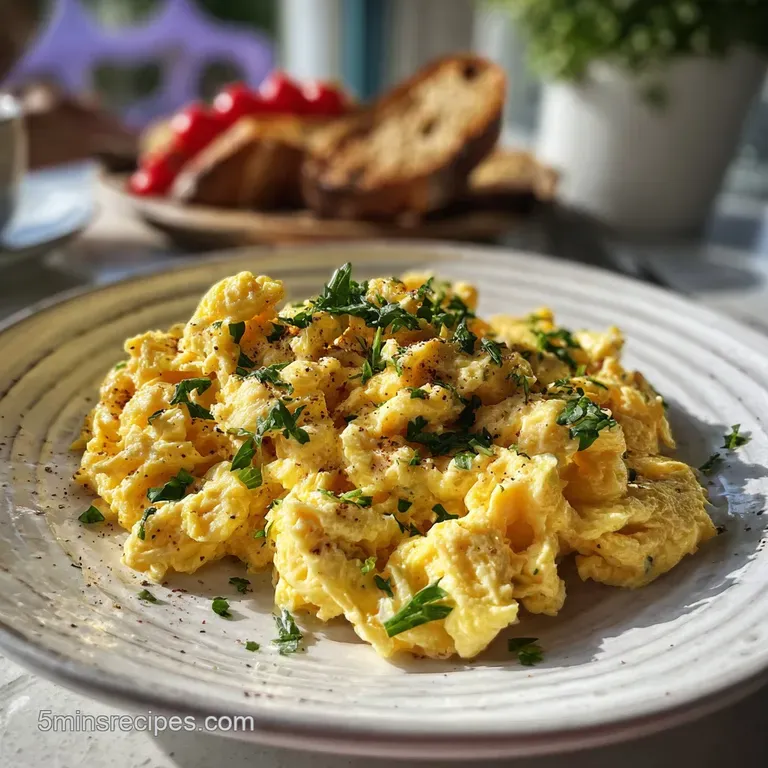
- Time: Active 15 minutes, Passive 20 minutes, Total 35 minutes
- Flavor/Texture Hook: Velvety, butter infused curds with a stabilized, non weeping finish
- Perfect for: Holiday brunches, family reunions, or large batch meal prep
- Create a Savory Breakfast Buffet Idea with Scrambled Eggs
- The Chemistry of the Buffet Proof Curd
- Planning for the Perfect Party Crowd
- Analyzing the Essential Buffet Egg Components
- The Complete Ingredient List and Substitutions
- Step by Step Buffet Egg Instructions
- Solving Traditional Scrambled Egg Challenges
- Adjusting Ratios for Different Group Sizes
- Comparing Stovetop and Oven Methods
- Debunking Common Kitchen Egg Lore
- How to Store and Keep Fresh
- What to Serve This With
- Recipe FAQs
- 📝 Recipe Card
Create a Savory Breakfast Buffet Idea with Scrambled Eggs
The sound of thirty eggs cracking against the rim of a heavy glass bowl is a rhythm I know by heart. It is the official drumroll of a chaotic Saturday morning when the house is full of cousins, the coffee pot is on its third cycle, and the pressure is on to feed a small army before the caffeine wears off.
This breakfast buffet idea featuring scrambled eggs is a guaranteed crowd pleaser because it solves the one problem every home cook faces: the dreaded "buffet weep" where eggs turn into a watery mess after ten minutes in a warming tray.
I remember the first time I tried to host a brunch for twelve people. I stood over the stove, frantically scrambling small batches while the first guests were already finishing their toast.
By the time I sat down, my own plate was cold and the eggs in the serving dish looked like a rubbery sponge sitting in a puddle of mystery liquid. It was a disaster. Since then, I have spent years testing how to keep eggs custardy and vibrant for a crowd without losing my mind in the process.
This recipe is the culmination of those kitchen failures and frantic mornings. We are using a few "secret" pantry staples that professional caterers swear by but rarely share with home cooks.
It is about working smarter, not harder, so you can actually sit down and enjoy a mimosa with your friends instead of being tethered to a frying pan. We want every guest to get that first bite silkiness, whether they are first in line or coming back for thirds thirty minutes later.
The Chemistry of the Buffet Proof Curd
Protein Buffer: Cornstarch acts as a physical barrier between egg proteins, preventing them from bonding too tightly and squeezing out moisture (syneresis).
Structural Integrity: Cream of tartar lowers the pH slightly, which stabilizes the egg whites and keeps the scramble airy even after sitting in a chafing dish.
Starch Gelatinization: The heavy cream and cornstarch form a dilute gel when heated, which traps fat and water in a velvety matrix that resists drying out.
Planning for the Perfect Party Crowd
| Servings | Ingredient Adjustments | Pan Size | Cook Time |
|---|---|---|---|
| 6 People | 15 Eggs, 0.5 cup Cream | 25 cm Skillet | 10 minutes |
| 12 People | 30 Eggs, 1 cup Cream | 35 cm Large Skillet | 20 minutes |
| 24 People | 60 Eggs, 2 cups Cream | Two 35 cm Skillets | 20 minutes |
When you are feeding a group, the math matters just as much as the seasoning. For a standard breakfast buffet, I usually budget two to three eggs per person, especially if there are other heavy hitters like pancakes or bacon on the spread.
Using a larger skillet is non negotiable here because you need the surface area to move the eggs around; if the pan is too deep and narrow, the bottom will turn into an omelet while the top stays raw.
Analyzing the Essential Buffet Egg Components
| Ingredient | Science Role | Pro Secret |
|---|---|---|
| Large Organic Eggs | Primary Protein | Room temperature eggs emulsify faster with dairy for a smoother texture. |
| Heavy Cream | Fat Emulsifier | Fat coats the proteins, ensuring the curds stay tender and rich. |
| Cornstarch | Moisture Anchor | This is the "insurance policy" that prevents the eggs from becoming watery on the plate. |
| Cream of Tartar | pH Stabilizer | Keeps the eggs from turning a dull greyish green if they sit on heat for too long. |
It is a common mistake to think that more milk makes eggs fluffier. In reality, too much thin liquid just separates during cooking. The heavy cream in this recipe provides the necessary fat content to keep the eggs feeling luxurious. If you are looking for a lighter option, you might consider how the greens are handled in a Breakfast Recipe for which balances protein with high fiber vegetables.
The Complete Ingredient List and Substitutions
- 30 Large Organic Eggs Why this? Provides the base structure and rich gold color for the buffet.
- Substitute: 1.5 liters of high-quality liquid egg whites (though you will lose the yolk richness).
- 1 cup Heavy Cream Why this? Adds essential lipids for a velvety mouthfeel that survives heat.
- Substitute: Whole milk with an extra tablespoon of melted butter.
- 2 tbsp Cornstarch Why this? Prevents syneresis (weeping) in the warming tray.
- Substitute: Tapioca starch or arrowroot powder for a similar thickening effect.
- 1 tsp Cream of Tartar Why this? Maintains the vibrant yellow color and stabilizes protein bonds.
- Substitute: 1 teaspoon of lemon juice or white vinegar.
- 0.5 cup Unsalted Butter Why this? Creates the initial non stick barrier and adds nutty depth.
- Substitute: Ghee or clarified butter for a higher smoke point.
- 1.5 tsp Kosher Salt Why this? Dissolves evenly to season the entire large batch.
- Substitute: 1 teaspoon of fine sea salt.
- 0.5 tsp White Pepper Why this? Provides a subtle kick without the black "specks" in the eggs.
- Substitute: Finely ground black pepper or a dash of cayenne.
- 2 cups Shredded Sharp Cheddar cheese Why this? Adds a savory tang and helps bind the curds together.
- Substitute: Gruyere or Fontina for a more sophisticated, melting profile.
- 0.25 cup Freshly snipped chives Why this? Adds a burst of onion like freshness and visual appeal.
- Substitute: Scallion tops or finely minced parsley.
step-by-step Buffet Egg Instructions
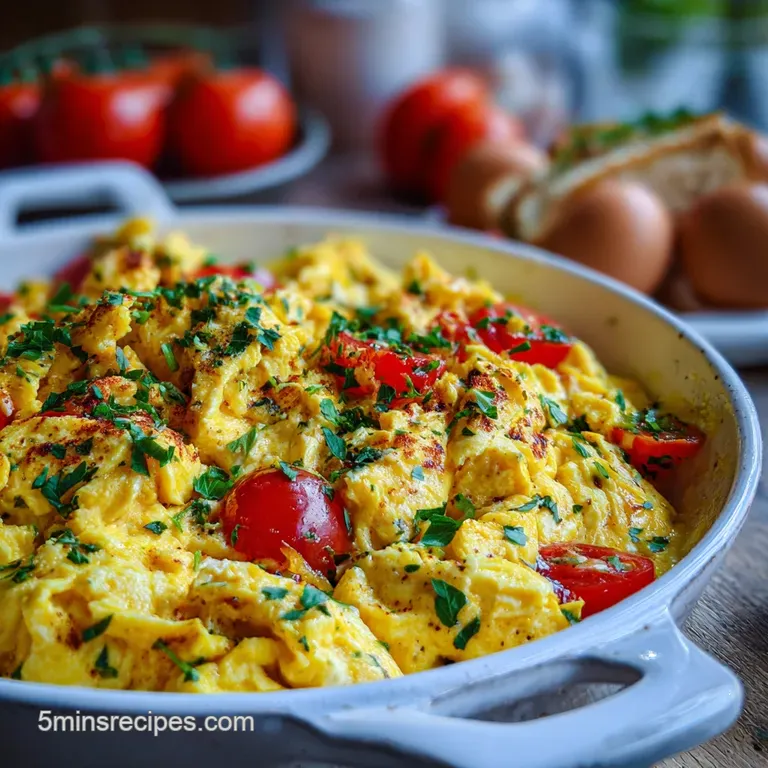
- Crack all 30 eggs into a very large mixing bowl. Note: Using a separate small bowl to crack each egg first prevents a single bad egg or shell from ruining the whole batch.
- Whisk the eggs vigorously until no streaks of white remain. You want a completely uniform, pale yellow liquid to ensure even cooking.
- Create a slurry by mixing the cornstarch and cream of tartar with a splash of the heavy cream. Note: This prevents clumps of starch from forming in your eggs.
- Pour the slurry and the remaining heavy cream into the eggs, then add the salt and white pepper. Whisk again for one full minute to incorporate air.
- Place a large, heavy bottomed skillet over medium low heat and add the butter. Wait until the butter is foaming and sizzling but not browning.
- Pour the egg mixture into the center of the pan. Let it sit for about 30 seconds until the edges just begin to set.
- Use a large silicone spatula to gently push the cooked edges toward the center, allowing the raw egg to flow into the hot space.
- Continue this "fold and push" motion slowly. Note: Aggressive stirring creates small, dry crumbles; slow folds create large, velvety clouds.
- When the eggs are 80% cooked and still look slightly wet, sprinkle the shredded cheddar over the top and fold once more.
- Remove the pan from the heat until the cheese is just beginning to melt. The residual heat will finish the cooking process perfectly.
- Transfer immediately to a pre warmed serving dish and garnish with the freshly snipped chives.
Solving Traditional Scrambled Egg Challenges
To Prevent Watery "Weeping" (Syneresis)
The most common complaint with buffet eggs is the puddle of water at the bottom. This happens because high heat causes egg proteins to contract like a wrung out towel. By using cornstarch, we create a molecular net that holds onto that water.
If you still see moisture, it usually means the heat was spiked too high at the very end. Keep the temperature low and steady to maintain that silky texture.
For a Velvety Mouthfeel
If your eggs feel grainy, you likely didn't whisk them enough or added the salt too late. Salt actually helps the proteins stay apart if it has a few minutes to dissolve before hitting the heat. For another crowd pleasing option that handles large numbers well, you might look at a Breakfast Idea for recipe which uses a similar dairy to egg ratio but in a baked format.
| Problem | Root Cause | Solution |
|---|---|---|
| Rubbery Texture | Too much heat | Reduce flame to medium low and remove eggs while they still look wet. |
| Grey or Green Tint | Overcooking/Iron reaction | Use cream of tartar to lower pH and avoid using cast iron pans for large egg batches. |
| Bland Flavor | Under seasoning | Season the raw liquid, not the finished curds, to ensure salt penetration. |
Common Mistakes Checklist
- ✓ Never use a metal whisk in a non stick pan; it flakes the coating into your eggs.
- ✓ Ensure the butter is fully foaming before adding eggs to prevent sticking.
- ✓ Don't skip the cornstarch slurry step; dry starch will clump and never dissolve.
- ✓ Avoid pre shredded cheese if possible; the potato starch coating can make eggs gritty.
- ✓ Always remove the eggs from the heat source 1 minute before you think they are "done".
Adjusting Ratios for Different Group Sizes
When you need to scale down for a quiet family morning, the math is simple: just divide everything by four. For a small batch, you can skip the cream of tartar, but I highly recommend keeping the cornstarch even for just four eggs.
It makes the window of perfection much wider, which is great if you are busy making toast or chasing a toddler.
Scaling up to forty or fifty eggs is where things get tricky. I never recommend doing more than 30 eggs in a single pan. The weight of the raw egg on the bottom curds will smash them into a dense block. If you are feeding a massive crowd, work in two pans simultaneously or in consecutive batches. For those who prefer a "set it and forget it" style for large groups, a Sweet Breakfast Idea recipe provides a great contrast to these savory eggs on a buffet line.
Comparing Stovetop and Oven Methods
| Method | Best For | Texture | Effort Level |
|---|---|---|---|
| Stovetop Fold | Maximum Creaminess | Large, soft, custardy clouds | High (Requires constant attention) |
| Oven Baked | Massive Crowds (50+) | Uniform, denser, sponge like curds | Low (Whisk and walk away) |
While the oven method is tempting for busy moms, it often results in eggs that feel a bit like a "casserole" rather than true scrambled eggs. If you have the ten minutes to stand by the stove, the stovetop method wins every single time for flavor and texture.
Debunking Common Kitchen Egg Lore
One persistent myth is that you should only salt eggs right before they hit the plate to keep them tender. Science actually proves the opposite. Salting the eggs about 15 minutes before cooking (during your prep) allows the salt to denature the proteins slightly, which prevents them from tightening up too much when heated.
This results in a much more tender curd that holds its shape better on a buffet.
Another misconception is that high heat is the secret to "fluffy" eggs. While high heat creates steam and volume, it also toughens the protein instantly. For a buffet, you want density and creaminess over airy fluff that will just collapse and dry out.
Slow and low is the mantra for eggs that stay beautiful for the duration of a long brunch.
How to Store and Keep Fresh
If you find yourself with leftovers, these eggs store surprisingly well because of the cornstarch. Place them in an airtight glass container and keep them in the fridge for up to 3 days. To reheat, avoid the microwave if possible as it will turn them into rubber.
Instead, place them in a small non stick pan with a tiny splash of cream over low heat, stirring gently until warmed through.
For zero waste, those leftover buffet eggs are the ultimate base for a "kitchen sink" fried rice the next morning. Simply chop up the cold eggs and toss them into a hot pan with leftover rice, some soy sauce, and whatever veggies are lingering in your crisper drawer.
The cheese and chives already in the eggs add a massive flavor boost to a quick lunch. You can even freeze scrambled eggs in muffin tins for quick breakfast sandwiches later, though they will lose some of that initial velvety shatter.
What to Serve This With
A breakfast buffet is all about the balance of flavors and textures. Since these eggs are rich, salty, and velvety, they pair beautifully with something acidic or sweet. I always put out a big bowl of fresh berries or a bright citrus salad to cut through the richness of the cheddar and butter.
Crusty sourdough toast or warm biscuits are essential for scooping up every last bit of those custardy curds.
If you want to offer a variety of proteins, consider serving these alongside a smoky bacon tray or some spicy maple sausage links. For a more comprehensive spread, you could even add a secondary egg dish that offers a different texture profile. For instance, the custardy feel of these eggs is a wonderful companion to a Smoky & Custardy recipe which provides a more structured, sliceable option for your guests to enjoy.
Recipe FAQs
What pairs well with scrambled eggs for breakfast?
A wide variety of items complement scrambled eggs. Consider serving them with crispy bacon, savory breakfast sausage, or whole grain toast. For a fresher contrast, fresh berries or a citrus salad also cut through the richness beautifully, similar to how acidity balances flavors in a Smoky & Custardy recipe.
What to serve at a breakfast buffet?
Offer a mix of sweet and savory dishes with varying textures. Include scrambled eggs, pancakes or waffles, and a protein like bacon or sausage. Fruit platters, yogurt parfaits, and pastries like croissants or muffins provide lighter options. For a make-ahead, crowd pleasing addition, consider a Pancake Breakfast Casserole: Overnight Prep.
How to keep scrambled eggs warm for a buffet?
Use a low, steady heat source and a stabilizing ingredient. Cornstarch acts as a buffer to prevent the eggs from weeping and turning watery. Keep them in a chafing dish or a pre-warmed serving platter set over a very low heat or a portable burner.
What are some unique breakfast buffet themes?
Explore international flavors or specific culinary trends. Consider a "Mexican Fiesta" with huevos rancheros inspired dishes, or an "Italian Brunch" featuring frittatas and focaccia. A "Healthy Harvest" theme could focus on whole grains, lean proteins, and abundant fruits, perhaps with a spin on a Egg White Breakfast Recipe with Spinach in 10 Minutes.
Can I make scrambled eggs ahead of time for a crowd?
Yes, with specific preparation techniques. For a buffet, the key is to incorporate ingredients like cornstarch and cream that help stabilize the eggs and prevent them from becoming watery.
This method, often used in professional settings, ensures they hold their custardy texture when kept warm for extended periods.
What kind of cheese is best in buffet scrambled eggs?
Sharp, well melting cheeses are ideal. Cheddar, Gruyere, or Monterey Jack work exceptionally well because they add flavor and help bind the curds. Pre-shredded cheeses can sometimes contain anti caking agents that affect texture, so shredding your own is often best if time permits.
Should I add milk or cream to scrambled eggs for a buffet?
Heavy cream is preferred for its richness and stability. Unlike milk, cream's higher fat content coats the egg proteins, resulting in a more velvety texture that holds up better under heat. If you are aiming for a lighter bite, you might look at how flavors are balanced in a Quick Breakfast Quesadilla: 10 Minute Crunch which uses minimal dairy.
Breakfast Buffet Scrambled Eggs
Ingredients:
Instructions:
Nutrition Facts:
| Calories | 395 calories |
|---|---|
| Protein | 21g |
| Fat | 33g |
| Carbs | 3g |
| Fiber | 0g |
| Sugar | 1g |
| Sodium | 617mg |
