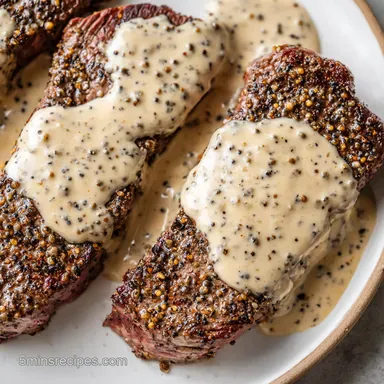
Peppercorn Steak: Creamy Homemade Sauce
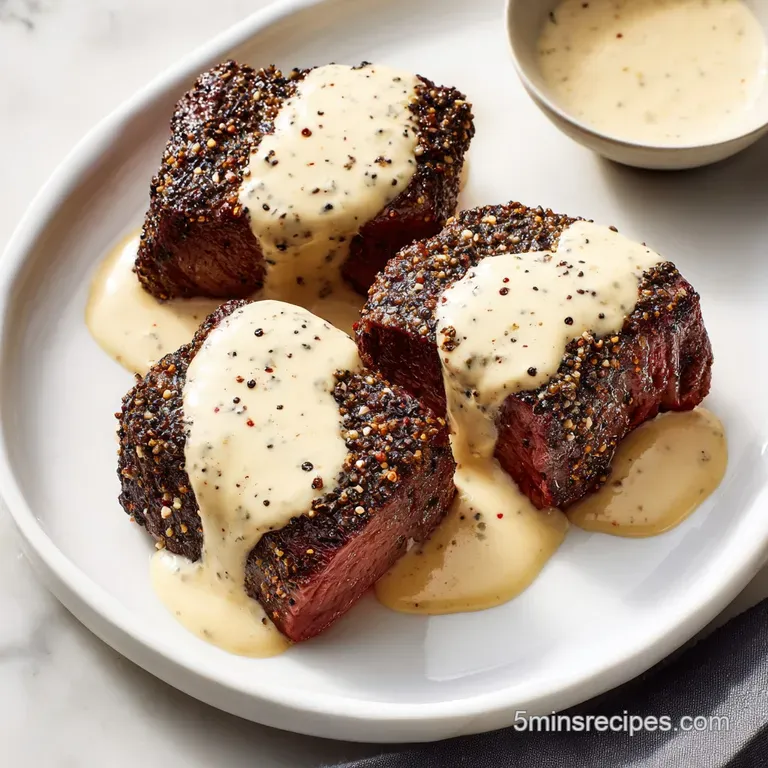
- Time: 10 min active + 15 min cooking + 5 min resting = Total 30 mins
- Flavor/Texture Hook: Shatter crisp pepper crust with a silky, buttery finish
- Perfect for: Fast date nights or a high end treat when you're short on time
- Peppercorn Steak
- Why this version works
- Component Analysis
- Gathering Your Essentials
- Kitchen tools for success
- Step-by-step cooking flow
- Fixing common cooking errors
- Troubleshooting Common Issues
- Different flavor twists
- Adjusting for different sizes
- Steak myths debunked
- Storage and Zero Waste
- The best side dishes
- Recipe FAQs
- 📝 Recipe Card
That loud, aggressive sizzle when a cold piece of meat hits a screaming hot cast iron pan is, for me, the sound of a successful dinner. There's something about the smell of toasted black pepper and butter that immediately makes a kitchen feel like a professional bistro.
I remember the first time I tried making a Peppercorn Steak for a guest; I used pre ground pepper and the sauce broke into a greasy mess because I rushed the reduction. It was a disaster, but it taught me that this dish is all about the timing of the heat.
Now, I've got this down to a science. We're talking about a crust that actually stays on the meat and a sauce that doesn't split. If you've ever struggled with a grey, steamed steak or a sauce that tastes like plain cream, this is for you. We're going to get that deep mahogany color and a sauce that clings to the meat.
This Peppercorn Steak is basically the ultimate "fakeaway" because it looks and tastes like it cost 50 bucks at a steakhouse, but it takes only 30 minutes from start to finish. Trust me on this, the secret is in the prep and the resting period. Let's crack on.
Peppercorn Steak
The Prep Flow Before you even touch the stove, get your steaks out of the fridge. Cold meat doesn't sear as evenly. While they sit, crush your peppercorns. I don't use a grinder; I use the bottom of a heavy skillet or a rolling pin. You want jagged, uneven shards, not a powder.
The Cooking Flow The heat needs to be high. We're looking for that smoke point where the oil just starts to shimmer. Once the meat is in, don't touch it. Let the crust form. Then, we pivot to the sauce, using the browned bits left in the pan to build a deep, savory base.
The Finish The most ignored step is the rest. If you cut into your Peppercorn Steak the second it leaves the pan, all those juices will run across the plate, and the meat will be drier. Give it 5 minutes. It's the hardest part, but it's non negotiable.
Why this version works
The secret to a great Peppercorn Steak isn't just the ingredients, but how they interact under heat.
- Pepper Toasting: By pressing the peppercorns into the meat, they toast in the oil, transforming from raw and biting to nutty and fragrant.
- Fond Utilization: The brown bits stuck to the pan (the fond) are concentrated flavor. Deglazing with Cognac lifts those bits back into the sauce.
- Fat Emulsion: The heavy cream binds the alcohol and beef broth into a cohesive, velvety sauce that doesn't separate.
- Carryover Cooking: Pulling the meat at 130°F (54°C) allows the internal temperature to rise slightly while resting, ensuring a medium rare center.
| Feature | Fresh Cracked Pepper | Pre Ground Pepper | Impact |
|---|---|---|---|
| Texture | Jagged shards | Fine powder | Fresh provides "pops" of heat |
| Aroma | Bold, citrusy | Dull, dusty | Fresh tastes more vibrant |
| Crust | Thick, adhered | Thin, washes off | Fresh creates a better sear |
Component Analysis
I've spent a lot of time testing different fats and liquids for this. Here is what's actually doing the heavy lifting in your Peppercorn Steak.
| Ingredient | Science Role | Pro Secret |
|---|---|---|
| Coarse Peppercorns | Flavor & Texture | Toast them in the pan for a deeper aroma |
| Cognac/Brandy | Deglazing Agent | Adds a fruity depth that cuts through the fat |
| Heavy Cream | Thickening/Binding | Use full fat to prevent the sauce from curdling |
| Unsalted Butter | Flavor Carrier | Added at the end for a glossy, professional sheen |
Gathering Your Essentials
For the Peppercorn Steak, you need ingredients that can stand up to high heat. Don't bother with low-fat alternatives here; they will break under the temperature of the pan sauce.
For the Peppercorn Crusted Steak 2 Sirloin or Filet Mignon steaks, approx 8 oz (225g) each Why this? Lean but tender cuts that sear quickly 2 tbsp (30ml) neutral oil Why this? High smoke point to prevent burning 2 tbsp (12g) coarse cracked
Black peppercorns Why this? Provides the signature spicy crust 1 tsp (6g) kosher salt Why this? Coarse grains draw out moisture for better searing
For the Creamy Peppercorn Sauce 2 tbsp (30g) unsalted butter Why this? Adds richness and a velvet texture 1 small shallot (15g), finely minced Why this? Sweetness to balance the pepper 2 cloves (6g) garlic, minced Why
This? Pungent base for the sauce 1/4 cup (60ml) Cognac or Brandy Why this? Essential for the classic steak au poivre taste 1/2 cup (120ml) beef broth, low sodium Why this? Deepens the beefy flavor profile 1/2 cup (120ml) heavy cream
Why this? Creates the thick, creamy body 1 tsp (5ml) Worcestershire sauce Why this? Adds umami and a hint of acidity
| Original Ingredient | Substitute | Why It Works |
|---|---|---|
| Cognac/Brandy | Dry Sherry or White Wine | Similar acidity. Note: Less depth than Cognac |
| Heavy Cream | Full fat Coconut Milk | Similar fat content. Note: Adds tropical notes |
| Sirloin Steak | Ribeye | More marbled. Note: Richer taste, may need longer sear |
| Shallot | Red Onion (small amount) | Similar sulfur profile. Note: Slightly harsher taste |
Kitchen tools for success
You don't need a professional kitchen, but a few specific tools make this Peppercorn Steak much easier.
First, a cast iron skillet is your best friend here. It holds heat far better than stainless steel or non stick, which is how you get that mahogany crust. If you don't have one, a heavy stainless steel pan works, but avoid non stick at all costs as you can't get the pan hot enough without damaging the coating.
Then, get a digital meat thermometer. Guessing doneness is how steaks get ruined. According to Serious Eats, using a thermometer is the only way to ensure consistency across different cuts of meat. Finally, use a whisk for the sauce. You need to keep the cream moving to ensure it integrates perfectly with the beef broth and fats.
Step-by-step cooking flow
Right then, let's get into the actual process. Follow these steps closely to ensure your Peppercorn Steak comes out like a pro dish.
- Pat the steaks completely dry with paper towels. Note: Moisture on the surface creates steam, which prevents a crust from forming.
- Season generously with salt, then press the cracked peppercorns firmly into both sides of the meat until a thick, consistent layer is formed.
- Heat oil in a cast iron skillet over high heat until it just begins to smoke.
- Carefully lay the steaks in the pan and sear for 3–5 minutes per side without moving them, until a deep mahogany colored crust forms.
- Use a meat thermometer to pull them at 130°F (54°C) for medium rare.
- Transfer steaks to a plate to rest for at least 5 minutes.
- Reduce heat to medium. Melt butter in the same pan, sautéing shallots and garlic until translucent and fragrant.
- Pour in the Cognac and scrape the bottom of the pan to release the fond.
- Stir in beef broth and Worcestershire sauce, simmering until the liquid is reduced by half.
- Stir in heavy cream and whisk constantly until the sauce thickens into a velvety consistency.
Chef's Tip: If you're worried about the Cognac flaming up, take the pan off the heat before pouring it in, then return it to the burner. Also, try adding a tiny pinch of espresso powder to the sauce to deepen the color and flavor of the Peppercorn Steak.
Fixing common cooking errors
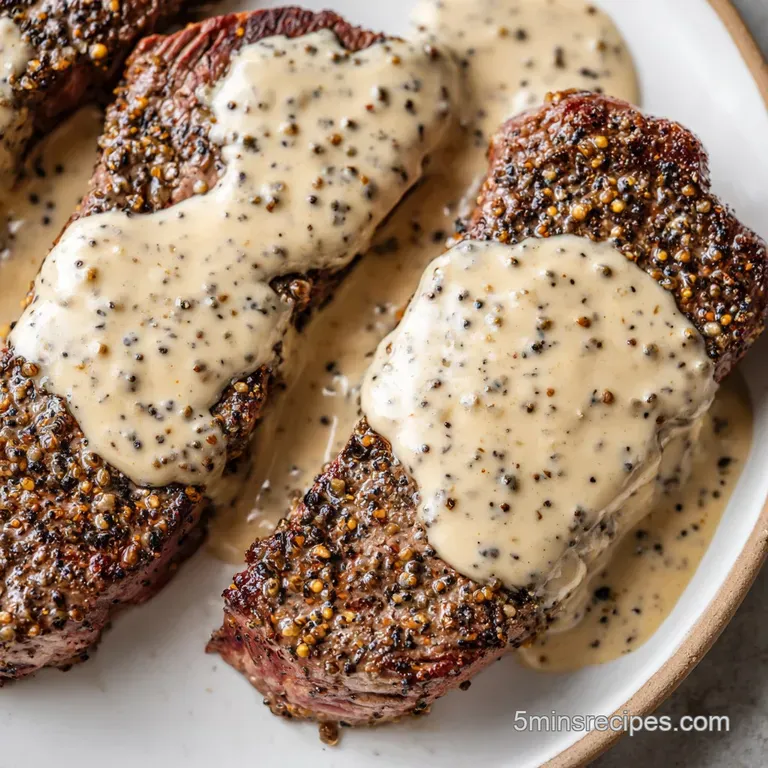
Even the best of us mess up. If your Peppercorn Steak didn't go as planned, it's usually one of these three things.
Troubleshooting Common Issues
| Issue | Solution |
|---|---|
| Sauce separating | This usually happens if the heat is too high when you add the cream or if you didn't whisk enough. The fat breaks away from the liquid, leaving you with oil slicks. |
| Why didn't my steak get a crust | If your steak looked grey or steamed, your pan wasn't hot enough or the meat was too wet. Ensure the oil is shimmering and the meat is bone dry before it hits the pan. |
| My sauce is too thin | You likely didn't reduce the beef broth enough before adding the cream. You can simmer it for another 2-3 minutes, or whisk in a tiny knob of cold butter at the very end to thicken it. |
Common Mistakes Checklist
- ✓ Did you pat the meat dry with paper towels?
- ✓ Did you use a thermometer to pull the meat at 130°F (54°C)?
- ✓ Did you wait 5 minutes before slicing?
- ✓ Did you reduce the broth by half before adding cream?
- ✓ Did you use coarse cracked pepper instead of powder?
Different flavor twists
If you want to move away from the classic steak au poivre style, there are a few ways to tweak this Peppercorn Steak.
For a more pungent kick, try using a mix of black and green peppercorns. Green peppercorns are less spicy and more "briny," which adds a complex layer to the sauce. If you're looking for something a bit more rustic, you can swap the Cognac for a splash of dark beer, though you'll need to reduce it longer to get rid of the raw alcohol taste.
For those who want a different topping entirely, you might like my cowboy butter recipe, which offers a garlicky, lemon forward alternative to the cream sauce. If you prefer a leaner meal, you can replace the heavy cream with a mixture of Greek yogurt and a splash of broth, though you must add the yogurt off the heat to prevent curdling.
Adjusting for different sizes
Cooking one steak is easy, but when you're feeding a crowd, the Peppercorn Steak requires a different strategy.
Scaling Down If you're just cooking one steak, reduce the sauce ingredients by half. Use a smaller pan so the sauce doesn't spread too thin and evaporate too quickly. Reduce the simmering time for the broth by about 20%.
Scaling Up When cooking 4 or more steaks, do not crowd the pan. If the steaks are too close, they'll steam instead of sear. Work in batches. Keep the finished steaks on a warm platter tented with foil.
For the sauce, don't double the salt or Worcestershire sauce increase them by about 1.5x only, as the flavors concentrate during reduction.
Pan Adjustments If you're using a larger pan, you may need an extra tablespoon of oil to ensure the entire surface is coated, otherwise, the edges of your Peppercorn Steak won't get that beautiful crust.
Steak myths debunked
There are a lot of "rules" about steak that are actually just noise. Let's clear a few up.
The "Seal in Juices" Myth Many people believe searing "seals" the meat to keep juices in. This is false. Searing is purely for flavor and texture. Moisture loss happens regardless of how you sear, but the crust makes it taste better.
The "Room Temp" Obsession You'll hear people say you must leave steak out for two hours. In reality, 30-60 minutes is plenty. Leaving meat out too long can actually be a food safety risk without significantly improving the cook.
Storage and Zero Waste
If you have leftovers of this Peppercorn Steak, store them in an airtight container in the fridge for up to 3 days. To reheat, don't use the microwave it will turn the steak into rubber. Instead, flash fry it in a pan with a bit of butter for 1-2 minutes per side.
Reheat the sauce separately in a small pot on low heat, adding a splash of milk if it has thickened too much in the fridge.
For freezing, the steak can be frozen for up to 3 months, but the cream sauce doesn't freeze well (it often splits). I recommend freezing the steak alone and making a fresh batch of creamy peppercorn sauce when you're ready to eat.
To avoid waste, save the leftover beef broth or any steak trimmings. If you have a few scraps of meat left over from trimming your sirloin, toss them into a stew or use them to flavor a homemade beef stock. Even the shallot ends can be thrown into a freezer bag for your next vegetable stock.
The best side dishes
Since the Peppercorn Steak is so rich and bold, you need sides that can cut through that creaminess.
A simple plate of steamed asparagus or sautéed garlic spinach works beautifully. The bitterness of the greens balances the buttery sauce. Alternatively, a pile of creamy mashed potatoes or a dauphinois potato bake is the classic choice to soak up every single drop of that sauce.
If you want something a bit lighter, a crisp arugula salad with a lemon vinaigrette provides a sharp contrast that cleanses the palate between bites. Just avoid anything too heavily cream based as a side, or the meal will feel too heavy.
Trust me, the acidity of a lemon or a vinegar based side is what makes this meal feel complete.
Recipe FAQs
What is a peppercorn steak?
A steak crusted in cracked black peppercorns and finished with a creamy sauce. It balances a pungent, spicy exterior with a velvety sauce made from Cognac, beef broth, and heavy cream.
Should peppercorns be on steak?
Yes, they create a bold flavor profile and a distinct crust. Pressing the peppercorns firmly into the meat ensures they stay attached during the high heat sear.
How to get a deep mahogany crust?
Pat the steaks completely dry with paper towels. Heat neutral oil in a cast iron skillet until it smokes, then sear for 3 5 minutes per side without moving the meat.
What is the 3 3 3 3 rule for steaks?
It is a general timing guide, but this recipe requires specific intervals. Sear for 3 5 minutes per side and rest for at least 5 minutes to ensure the juices redistribute.
What are common mistakes when making pepper steak?
Adding meat to a pan that isn't shimmering with oil. This results in grey, steamed meat instead of a deep, caramelized crust.
How to fix a sauce that is too thin?
Simmer the beef broth and Worcestershire sauce longer. Reduce the liquid by half before whisking in the heavy cream to achieve a velvety consistency.
Is it true that steaks can be served immediately after searing?
No, this is a common misconception. Allow the steaks to rest for at least 5 minutes to prevent the juices from escaping when the meat is sliced.
Creamy Peppercorn Steak 2