Best Chicken Parm Recipe with Mozzarella: Restaurant Style
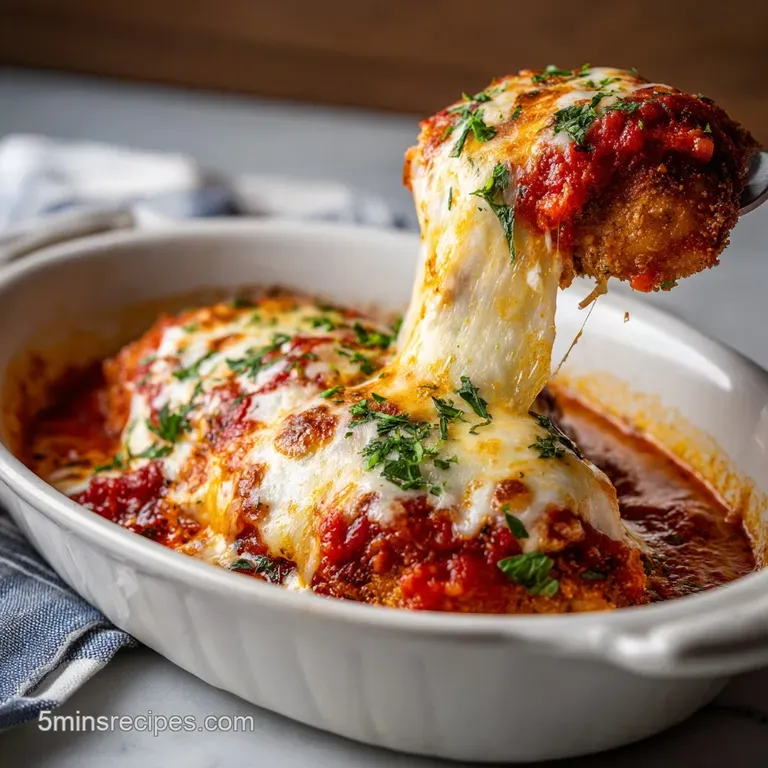
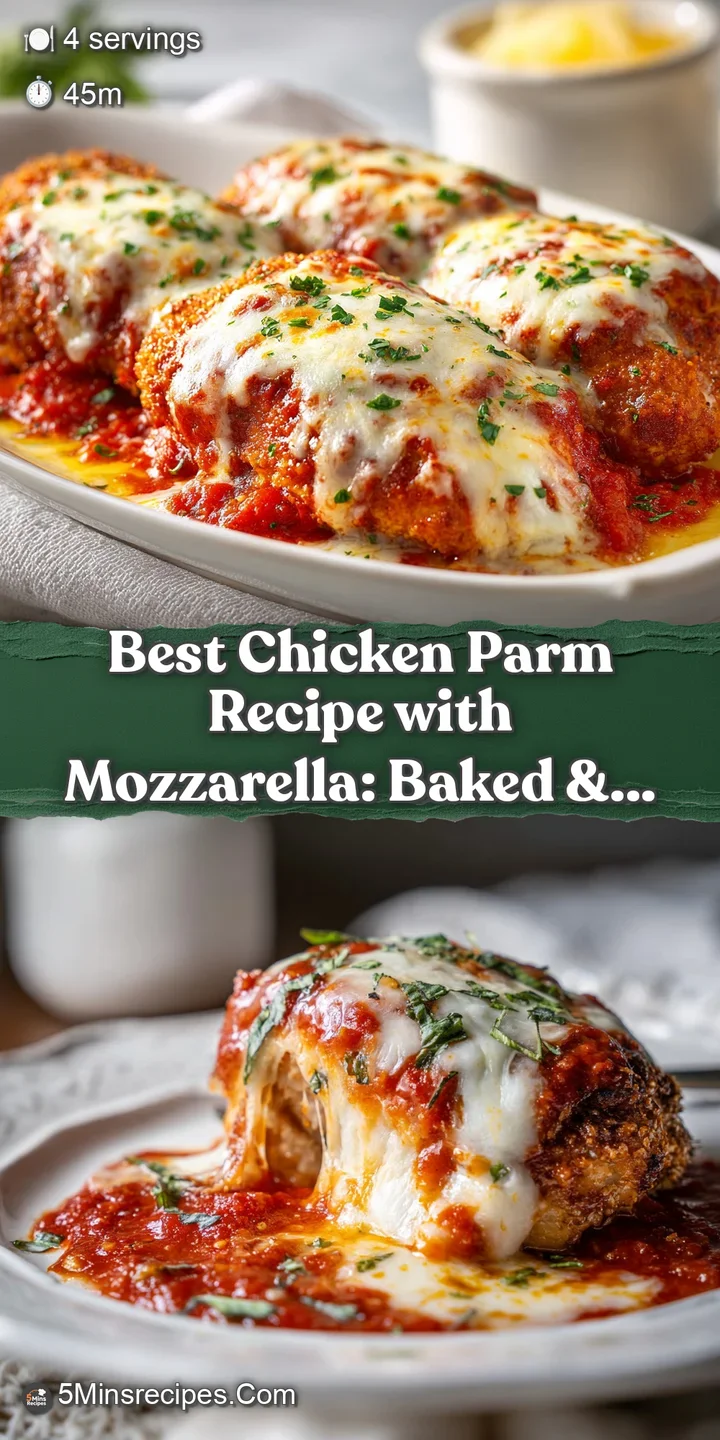
- Time: Active 25 mins, Passive 20 mins, Total 45 mins
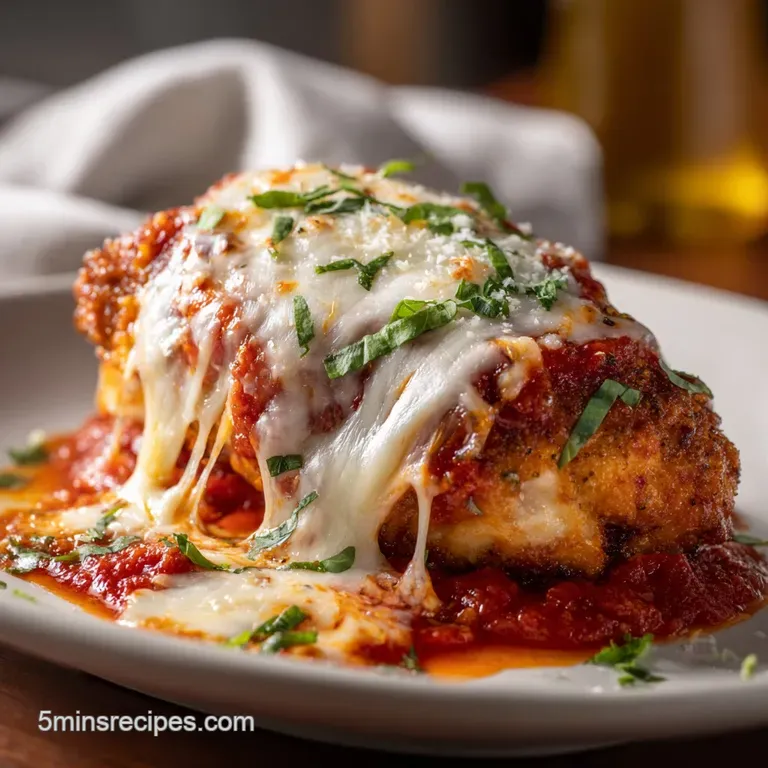
- Flavor/Texture Hook: Shatter crisp exterior with a velvety mozzarella pull
- Perfect for: Impressive Sunday dinner or a high end date night at home
- Best Chicken Parm Recipe with Mozzarella for Delicious Flavor
- The Physics of the Shatter Crust
- Analyzing the Component Elements
- Elements for Restaurant Style Results
- Critical Gear for Chef Results
- Step-by-Step Path to Crispy Perfection
- Solving Common Texture and Flavor Issues
- Scaling for Large Groups or Couples
- Debunking Traditional Kitchen Myths
- Storage Secrets and Waste Reduction
- Perfect Pairings for Your Feast
- Very High in Sodium
- Recipe FAQs
- 📝 Recipe Card
Best Chicken Parm Recipe with Mozzarella for Delicious Flavor
The air in my kitchen currently smells like toasted garlic and frying breadcrumbs, and it is honestly the best part of my day. I remember the first time I tried to make this for a friend, and it was a total disaster the breading slid off the chicken like a wet coat, and the meat was as dry as a desert.
I realized then that you can't just toss some sauce on fried chicken and hope for the best.
This recipe delivers the best chicken parm experience with mozzarella for delicious flavor. We are moving past the basic "shake and bake" vibes and moving into real deal chef territory, but with a budget friendly mindset that makes sense for a home cook.
You don't need fancy imported cheese to get that perfect stretch, just a few smart techniques.
Trust me, once you hear the sound of your knife hitting that gold brown crust, you'll never go back to the frozen stuff. We're going to use a specific double dredge method and a 15 minute brine that changes everything about the texture of the meat.
Let's get into why these specific steps actually matter for your dinner.
The Physics of the Shatter Crust
Moisture Management: Brining the chicken in a salt sugar solution for 15 minutes forces water into the protein cells, which prevents the meat from tightening up and becoming rubbery during the over high heat fry.
The Barrier Effect: Using a Panko Parmesan blend creates a jagged, uneven surface area that allows steam to escape while providing more "hooks" for the marinara to cling to without soaking through.
Maillard Reinforcement: Adding finely grated Parmesan directly into the breading causes the cheese to caramelize against the meat, creating a deeper umami profile than just putting cheese on top.
| Thickness | Internal Temp | Rest Time | Visual Cue |
|---|---|---|---|
| 1/2 inch | 165°F | 3 mins | Juices run clear |
| 3/4 inch | 165°F | 5 mins | No pink center |
If you are looking for other high speed dinner solutions that use similar frying techniques, you should definitely try my Bang Bang Chicken recipe. It uses a similar starch based coating that stays crispy even after it is tossed in a heavy sauce.
Analyzing the Component Elements
| Ingredient | Science Role | Pro Secret |
|---|---|---|
| Panko Breadcrumbs | Texture Architect | Don't use Italian crumbs; Panko stays crispier longer |
| Low Moisture Mozzarella | Fat Content | Grate it yourself from a block for a better melt |
| Kosher Salt | Protein Denaturant | Use Diamond Crystal for better coverage without over salting |
The choice of cheese here is vital for the Chicken Parm Recipe Mozzarella Layer. While fresh mozzarella is lovely in salads, it contains too much water for this specific baking application.
Using the low moisture block variety ensures you get that iconic "cheese pull" without creating a puddle of water in the middle of your crispy chicken.
Elements for Restaurant Style Results
- 2 large boneless skinless chicken breasts (approx. 1 lb)Why this? They provide the perfect canvas for thin, even pounding.
- Substitute: Chicken thighs (boneless) for a richer, juicier flavor.
- 2 cups cold water
- Substitute: Chicken stock for extra depth in the brine.
- 1 tbsp kosher salt
- Substitute: 1/2 tbsp table salt (it is more dense).
- 1 tsp granulated sugar
- Substitute: Honey or maple syrup.
- 1/2 cup all purpose flour
- Substitute: Cornstarch for an even lighter, crispier coating.
- 2 large eggs
- Substitute: 1/2 cup heavy cream.
- 1 tbsp water
- Substitute: Milk or buttermilk.
- 1 cup Panko breadcrumbs
- Substitute: Crushed saltine crackers for a budget friendly crunch.
- 1/2 cup finely grated Parmesan cheeseWhy this? It acts as a seasoning and a structural binder in the crust.
- Substitute: Pecorino Romano for a saltier, sharper bite.
- 1 tsp dried oregano
- Substitute: Dried Italian seasoning blend.
- 1/2 tsp garlic powder
- Substitute: Onion powder.
- 1/4 cup neutral oil for frying
- Substitute: Grapeseed or avocado oil.
- 1.5 cups marinara sauce
- Substitute: Crushed tomatoes with a pinch of sugar and garlic.
- 8 oz low moisture mozzarella cheese
- Substitute: Provolone for a deeper, smokier flavor.
- 4-6 fresh basil leaves
- Substitute: Fresh parsley for a brighter, grassy finish.
Critical Gear for Chef Results
For this recipe, a heavy bottomed skillet is your best friend. I usually reach for my cast iron pan because it holds heat so well that the oil temperature doesn't plummet when you drop the chicken in. You'll also need a meat mallet or even just a heavy rolling pin to pound the chicken to an even thickness.
If the chicken is uneven, the thin parts will turn into leather before the thick parts are even cooked through.
Having a wire cooling rack set over a baking sheet is another pro move. When you pull the chicken out of the oil, don't put it on a paper towel. The steam gets trapped underneath and makes the bottom soggy.
Putting it on a rack keeps the air circulating so that Delicious Chicken Parmesan Flavor stays wrapped in a crunchy shell.
step-by-step Path to Crispy Perfection
1. The Leveling Phase
Slice the 2 large chicken breasts in half horizontally to create four thinner cutlets. Place them between sheets of plastic wrap and pound them to a uniform 1/2 inch thickness. Note: Uniformity is the secret to even cooking.
2. The 15 Minute Brine
Whisk the 2 cups cold water, 1 tbsp kosher salt, and 1 tsp granulated sugar in a bowl until dissolved. Submerge the chicken and let it sit for 15 minutes. Wait until the meat feels slightly firm to the touch.
3. The Leveling Phase
Remove the chicken and pat it bone dry with paper towels. Note: If the meat is damp, the flour will turn into a slippery paste and fall off.
4. The Pro Level Breading Station
Set up three bowls: Flour in the first; 2 eggs whisked with 1 tbsp water in the second; 1 cup Panko mixed with 1/2 cup Parmesan, 1 tsp oregano, and 1/2 tsp garlic powder in the third.
5. The Triple Dredge Technique
Dredge each cutlet in flour, then egg, then press firmly into the Panko mixture. Make sure the coating is thick and even on all sides.
6. The Precision Sear
Heat 1/4 cup oil in a skillet over medium high heat until it shimmers. Fry the chicken for 3-4 minutes per side until deep golden brown and shatter crisp.
7. The Sauce & Mozzarella Layer
Transfer the chicken to a baking sheet. Spoon 1.5 cups marinara sauce over the center of each piece, leaving the edges bare to stay crispy. Top with 8 oz shredded mozzarella.
8. The Mozzarella Melt Finish
Place under a broiler for 2-3 minutes until the cheese is bubbling and has small charred spots.
9. The Fresh Garnish
Remove from the oven and top with 4-6 torn fresh basil leaves. Let it rest for 3 minutes before serving to let the juices settle.
Solving Common Texture and Flavor Issues
One of the biggest heartbreaks is when your breading separates from the chicken. This usually happens because the surface of the meat was too wet or you didn't press the Panko in hard enough. Think of the flour as the glue, the egg as the binder, and the Panko as the armor.
If one layer fails, the whole thing falls apart.
Why Your Breading Falls Off
This is usually caused by "steam pockets." If you don't pat the chicken dry after the brine, the moisture turns to steam during frying and pushes the crust away from the meat. Also, make sure your oil is hot enough if it's too cold, the breading just soaks up grease and gets heavy.
| Problem | Root Cause | Solution |
|---|---|---|
| Greasy crust | Oil wasn't hot enough | Heat oil until a crumb sizzles instantly |
| Bland flavor | No salt in the breading | Add Parmesan and salt to the Panko |
| Dry chicken | Overcooked in the oven | Use the broiler only for the cheese melt |
Another issue people run into is the sauce making everything soggy. If you want this recipe to stay crispy, only sauce the middle of the cutlet. Leaving those golden edges exposed provides a necessary textural contrast.
Common Mistakes Checklist
- ✓ Pat chicken completely dry after brining to ensure flour sticks.
- ✓ Don't overcrowd the pan; fry in two batches if necessary.
- ✓ Use a wire rack for resting to prevent a soggy bottom.
- ✓ Grate your own mozzarella for a smoother, silkier melt.
- ✓ Let the oil return to temperature between batches.
Scaling for Large Groups or Couples
When you are making a Homemade Chicken Parm Recipe for a crowd, don't try to fry eight pieces of chicken at once. You'll drop the oil temperature and end up with soggy meat. Instead, fry them in batches and keep the finished ones on a wire rack in a 200°F oven.
They will stay perfectly crisp while you finish the rest.
If you are scaling down for one or two people, just beat one egg and use half of the breading ingredients. The cooking time remains the same since the thickness of the chicken doesn't change. If you find yourself wanting a slower, easier version of a chicken dinner, you might enjoy the Crock Pot Creamy recipe, which requires much less active monitoring.
Debunking Traditional Kitchen Myths
There is a long standing myth that you must use fresh mozzarella for an "authentic" experience. While fresh is great on pizza, it's actually the enemy of a crisp Chicken Parm. The high water content in fresh mozzarella leaks out during baking, turning your carefully fried crust into mush.
Stick with low moisture mozzarella for that Perfect Chicken Parmesan Baking result every time.
Another myth is that you should "seal" the meat by searing it. Searing doesn't seal in juices the brine does that work. The sear is strictly for the Maillard reaction, which creates those deep, savory flavors in the crust.
Moisture loss is inevitable during cooking, but the brine gives the meat a head start so it stays juicy despite the heat.
Storage Secrets and Waste Reduction
Storage: Keep leftovers in an airtight container in the fridge for up to 3 days. To reheat, avoid the microwave at all costs. It will turn the crust into a rubbery mess.
Instead, put the chicken in an air fryer or oven at 350°F (180°C) for about 5-8 minutes until the cheese is bubbling again.
Zero Waste: Don't throw away the leftover flour or Panko that didn't touch the raw meat. However, if they did touch the meat, toss them. For the chicken scraps you trimmed off, save them in a freezer bag for making homemade chicken stock later.
The basil stems are also packed with flavor toss them into your marinara sauce while it simmers for an extra hit of herbal notes.
Perfect Pairings for Your Feast
This dish is the star of the show, but it needs a good supporting cast. A simple side of spaghetti with the remaining marinara is the classic choice, but I also love serving this with a crisp Caesar salad to cut through the richness of the cheese.
The acidity in the dressing helps balance the Chicken Parmesan with Melted Mozzarella.
If you want something heartier, a side of Baked Chicken Spaghetti recipe actually works surprisingly well as a side if you omit the extra chicken in that dish, creating a cheesy pasta base that matches the flavor profile perfectly. Whatever you choose, make sure it has a bit of brightness or acidity to keep the meal feeling balanced.
Decision Shortcut
- If you want the maximum crunch, leave the sauce off and serve it as a dipping side.
- If you want a healthier twist, air fry the breaded cutlets at 400°F (200°C) for 12 minutes.
- If you want a spicy kick, add red pepper flakes to both the marinara and the Panko mix.
Very High in Sodium
1240 mg mg of sodium per serving (54% % of daily value)
The American Heart Association recommends limiting sodium intake to about 2,300mg per day for optimal health.
Tips to Reduce Sodium in Your Chicken Parmesan
-
Low-Sodium Marinara-20%
Swap your regular marinara sauce for a low-sodium or no-salt added version. Many brands offer flavorful options with significantly less sodium.
-
Reduce Parmesan Cheese-15%
Parmesan cheese is a significant source of sodium. Reduce the amount used in the breading by half, or substitute with a lower sodium cheese like fresh mozzarella.
-
Reduce Kosher Salt-15%
The recipe uses a tablespoon of Kosher salt. Try reducing this to 1.5 teaspoons and taste as you go, adjusting as needed, or use a low-sodium salt substitute.
-
Skip Brining-10%
The recipe includes brining the chicken. While this adds flavor and moisture, it also adds a considerable amount of sodium. Skip the brining step or significantly reduce the salt used in the brine.
-
Unsalted Breadcrumbs-5%
Check your Panko breadcrumbs for added salt. If possible, use unsalted breadcrumbs to further reduce the sodium content of the breading.
-
Fresh Herbs
Enhance the flavor of your Chicken Parmesan with fresh herbs like basil, parsley, or oregano. These add depth and complexity without adding sodium.
Recipe FAQs
Should I use fresh mozzarella or low moisture mozzarella for the topping?
Use low moisture mozzarella. Fresh mozzarella contains too much water, which leaks out during baking and makes the crispy crust soggy.
How long should the chicken breast be brined before breading?
Brine the chicken for exactly 15 minutes. This short brine injects moisture into the protein cells, ensuring the meat remains juicy after frying and baking.
How to prevent the breading from falling off the chicken during frying?
Pat the chicken completely dry after brining before dredging. Moisture prevents the flour from acting as glue; ensure you press the Panko firmly into the egg wash for maximum adhesion.
Is it true that the breading must include Parmesan cheese for a good crust?
No, this is not strictly required, but highly recommended. Adding grated Parmesan to the Panko blend helps the crust bind structurally and adds a deep umami flavor through caramelization during the sear.
How do I reheat leftover Chicken Parm without losing the crunch?
Reheat in an air fryer or oven at 350°F (180°C) for 5-8 minutes. Avoid the microwave entirely, as it traps steam, which turns the shatteringly crisp crust soft and rubbery.
How do I ensure the chicken cutlets are cooked evenly before adding sauce?
Pound the cutlets to a uniform 1/2 inch thickness prior to brining. Uniformity is key; if you're looking to practice technique on high heat searing, see how the same principle works in our Lemon Pepper Chicken recipe for perfect surface browning.
Can I bake the chicken instead of frying it before the cheese melt?
No, you must pan-fry the breaded chicken first. Baking will not achieve the necessary high heat Maillard reaction that creates the foundational flavor and texture contrast needed for a true Chicken Parm.
Crispy Chicken Parm Mozzarella
Ingredients:
Instructions:
Nutrition Facts:
| Calories | 652 kcal |
|---|---|
| Protein | 59.8 g |
| Fat | 29.2 g |
| Carbs | 31.4 g |
| Fiber | 2.8 g |
| Sugar | 5.7 g |
| Sodium | 1240 mg |
