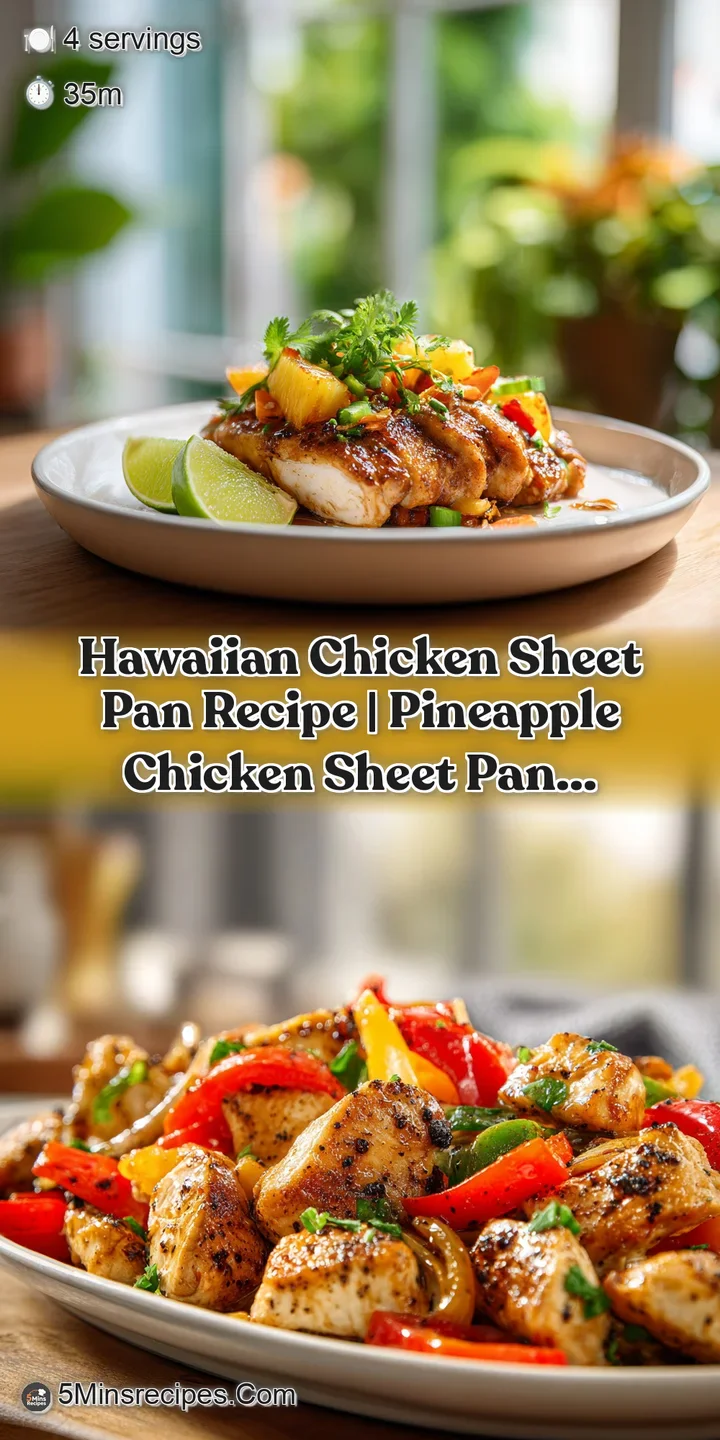
Hawaiian Chicken Sheet Pan: Charred Pineapple
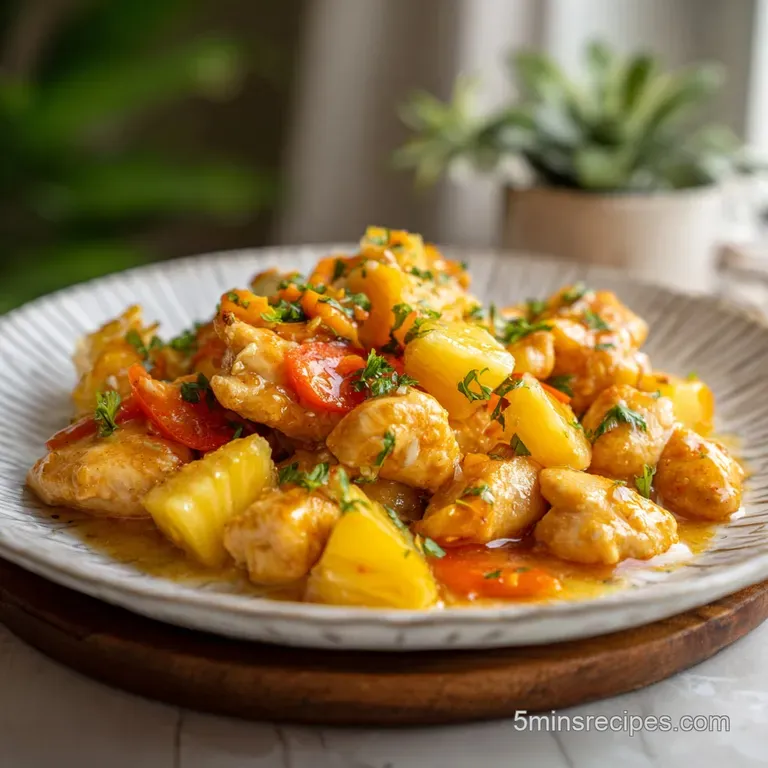
- Time: Active 15 minutes, Passive 20 minutes, Total 35 minutes
- Flavor/Texture Hook: Charred pineapple sweetness meets savory ginger garlic glaze
- Perfect for: High speed weeknight dinners and meal prep enthusiasts
- Achieving the Ultimate Caramelized Hawaiian Chicken Sheet Pan
- Timing and Precision for a Flawless Weeknight Dinner
- Curating the Vibrant Components for This Tropical Feast
- The Best Tools for over High heat Roasting and Glazing
- A Step-by-Step Blueprint for Maximum Flavor Development
- Navigating Texture Challenges and Perfecting the Finish
- Customizing the Dish for Different Nutritional Lifestyles
- Maintaining Freshness and Minimizing Waste in Your Kitchen
- Final Touches to Make Your Sheet Pan Pop
- Very High in Sodium
- Recipe FAQs
- 📝 Recipe Card
Achieving the Ultimate Caramelized Hawaiian Chicken Sheet Pan
The first time I tried making a Hawaiian Chicken Sheet Pan, it was a soggy disaster. I had tossed everything the wet pineapple, the raw onions, and the chicken onto the tray at once, hoping for a miracle.
Instead of those beautiful charred edges, I got a pool of lukewarm juice that steamed the meat into a rubbery mess. I stood over my kitchen counter, picking at a piece of grey chicken, and realized I’d ignored the basic laws of moisture.
We’ve all been there, right? You see a gorgeous photo of a sheet pan dinner and think it’s just "dump and bake." But the magic happens in the details. After a few dozen attempts and some heavy tinkering with oven temperatures and rack positions, I finally cracked the code.
Now, when I pull this tray out of the oven, the aroma of toasted ginger and caramelized sugar hits like a beachside grill in Maui.
It’s all about managing the "sizzle factor." You want the high heat to hit the surface of the chicken and the sugars in the fruit quickly, creating that deep mahogany color before the center of the meat gets tough.
We’re aiming for a specific texture profile: the peppers should still have a slight snap, the pineapple should be deeply bronzed, and the chicken must be velvety and glazed.
The Physics of the Pineapple Glaze
Enzymatic Tenderization: Fresh pineapple contains bromelain, an enzyme that breaks down protein fibers. By tossing the chicken with pineapple juice and teriyaki shortly before roasting, we soften the meat without turning it to mush.
Sugar Concentration: As the water evaporates from the teriyaki and juice during the final minutes of roasting, the sugars reach a "soft crack" stage. This creates a tacky, professional grade coating that clings to every ingredient.
| Thickness | Internal Temp | Rest Time | Visual Cue |
|---|---|---|---|
| 1 inch cubes | 165°F | 3 minutes | No pink, clear juices |
| 1.5 inch cubes | 165°F | 5 minutes | Firm to the touch |
| 0.5 inch slices | 160°F | 2 minutes | Opaque throughout |
Note: Carryover cooking will bring smaller slices to the safety zone of 165°F during the rest period.
Engineering Heat Distribution
The secret to preventing that dreaded "sheet pan soup" is airflow. If you crowd your ingredients, they'll steam each other. I always use a standard 13x18 inch half sheet pan for this recipe. If you’re doubling it, use two pans rather than piling everything high on one. Much like the technique I use in my Chicken Stir Fry recipe, heat contact is everything.
Timing and Precision for a Flawless Weeknight Dinner
Speed is the priority here, but we aren't sacrificing quality for the sake of the clock. A chef knows that prep is 90% of the battle. By standardizing the size of your cuts exactly 1 inch squares for the peppers and 1 inch cubes for the chicken you ensure that everything finishes at the exact same moment.
We are looking for three specific numeric checkpoints during this process: an oven calibrated to 400°F, a 20 minute total roast time, and a final internal temperature of 165°F for the poultry.
If your oven runs cold, you won't get the char; if it runs hot, the garlic in the glaze will turn bitter before the chicken is safe to eat.
Component Analysis
| Ingredient | Science Role | Pro Secret |
|---|---|---|
| Teriyaki Sauce | Maillard Catalyst | Use a "glaze" style sauce for better adhesion |
| Fresh Pineapple | Moisture & Acid | Fresh is better; canned contains too much excess water |
| Red Onion | Aromatic Foundation | Cut into thick wedges to prevent burning |
Selecting the right protein is just as important as the technique. While I usually go for breast for its lean profile, you could easily adapt this using a Chicken Tenderloin Recipe approach if you prefer a more forgiving, tender cut that cooks even faster.
Curating the Vibrant Components for This Tropical Feast
The ingredient list for the Hawaiian Chicken Sheet Pan is a balance of high sugar tropical elements and sharp aromatics. We need the fat from the neutral oil to carry the heat and the sriracha to provide a back of-the throat warmth that cuts through the sweetness of the fruit.
Ingredients & Substitutes
- 1.5 lbs chicken breast: Cut into 1 inch cubes. Why this? It's lean and absorbs the teriyaki glaze beautifully.
- Substitute: Chicken thighs (boneless/skinless) for a juicier, higher fat result.
- 2 cups fresh pineapple: Cut into chunks. Why this? Fresh fruit holds its structure under high heat better than canned.
- Substitute: Mango chunks (firm) provide a similar tropical sweetness.
- 2 large bell peppers: One red, one green. Why this? Adds a necessary crunch and vibrant color contrast.
- Substitute: Sliced zucchini, though it will be softer.
- 1 large red onion: Cut into thick wedges. Why this? Red onions caramelize with a milder sweetness than white onions.
- Substitute: Shallots (halved) for a more delicate flavor.
- 0.5 cup teriyaki sauce: Thick/glaze style. Why this? Provides the base for our sticky coating.
- Substitute: Hoisin sauce mixed with a splash of soy sauce.
- 1 tbsp neutral oil: Avocado or grapeseed. Why this? These have high smoke points suitable for 400°F roasting.
- Substitute: Light olive oil (not extra virgin).
- Aromatics: 1 tsp ginger, 2 cloves garlic, 1 tsp sriracha, 2 tbsp pineapple juice. Why this? These create a layered "Island" flavor profile.
- Substitute: Dried ginger and garlic powder (use 1/3 the amount).
Chef's Tip: To get the most juice out of your ginger, grate it while it's still frozen. It turns into a fine paste that melts instantly into the glaze without leaving woody bits behind.
The Best Tools for over High heat Roasting and Glazing
You don't need a professional kitchen, but a few specific pieces of gear will make your life significantly easier. I recommend a heavy duty rimmed baking sheet. Those thin, flimsy cookie sheets tend to warp in high heat, which causes your oil and sauce to pool in one corner, leaving half your chicken dry and the other half soggy.
- Half Sheet Pan: 13x18 inches is the gold standard for airflow.
- Parchment Paper or Silicone Mat: This is non negotiable for cleanup. The sugars in the teriyaki will "cement" to the pan otherwise.
- Microplane: For that fresh ginger and garlic.
- Instant Read Thermometer: The only way to guarantee succulent chicken every time.
| Method | Time | Texture | Best For |
|---|---|---|---|
| Oven (400°F) | 20 minutes | Charred & Tender | Traditional sheet pan results |
| Stovetop (Cast Iron) | 12 minutes | Seared & Juicy | Maximum crust development |
| Air Fryer (375°F) | 15 minutes | Crispy Edges | Small batches (2 servings) |
If you decide to go the stovetop route, make sure you don't overcrowd the pan, as the high water content of the pineapple will prevent the chicken from getting that golden sear we’re looking for.
A step-by-step Blueprint for Maximum Flavor Development
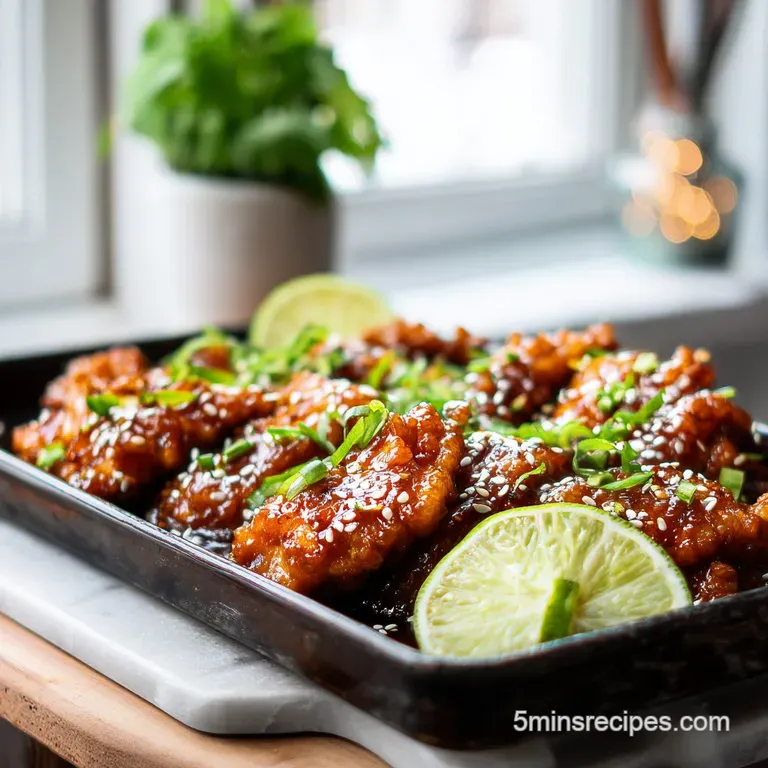
- Preheat and Prep: Set your oven to 400°F. Line your sheet pan with parchment paper. Note: This prevents the teriyaki from burning onto the metal.
- Season the Protein: Toss 1.5 lbs chicken cubes with 1 tbsp neutral oil, 0.5 tsp salt, and 0.25 tsp pepper.
- Prepare the Vegetables: In a separate bowl, toss the 2 large bell peppers and red onion wedges with 1 tbsp extra virgin olive oil.
- Arrange the Tray: Spread the chicken, peppers, onion, and 2 cups pineapple chunks across the pan in a single layer. Cook 12 minutes until the chicken is starting to turn opaque.
- Whisk the Glaze: While the first roast happens, combine 0.5 cup teriyaki, 2 tbsp pineapple juice, 1 tsp ginger, 2 cloves garlic, and 1 tsp sriracha.
- Apply the Coating: Remove the pan and drizzle half of the glaze over the ingredients, tossing gently with tongs to coat.
- Final Roast: Return to the oven and cook 8 minutes until the glaze is bubbling and the chicken reaches an internal temp of 165°F.
- Rest and Garnish: Let the pan sit for 3 minutes. Note: This allows the juices to redistribute so the meat stays velvety.
- Serve: Drizzle with the remaining glaze and serve over rice or quinoa.
Navigating Texture Challenges and Perfecting the Finish
The biggest pitfall with the Hawaiian Chicken Sheet Pan is moisture management. Pineapple is roughly 86% water. When it hits the heat, it releases that liquid. If your oven isn't hot enough, that liquid stays on the pan and boils the chicken.
Why Your Chicken Is Rubbery
This usually happens if the cubes are too small or if they've been cooked too long at a low temperature. When poultry stays in the "danger zone" of heat for too long, the proteins tighten up and squeeze out all their moisture. The solution is high heat (400°F) and a quick cook time.
Why Your Peppers are Mushy
If you cut your peppers into thin strips, they will disintegrate before the chicken is done. By cutting them into 1 inch squares, they maintain a structural integrity that provides a "shatter" when you bite into them, contrasting perfectly with the soft fruit.
| Problem | Root Cause | Solution |
|---|---|---|
| Burnt Glaze | Added too early | Apply glaze only in the last 8-10 mins |
| Soggy Vegetables | Pan was overcrowded | Use two pans or a larger sheet |
| Dry Chicken | Cubes too small | Keep cubes to a consistent 1 inch size |
Common Mistakes Checklist
- ✓ Never use "lite" teriyaki sauce; the low sugar content prevents it from glazing properly.
- ✓ Pat the chicken completely dry with paper towels before adding oil and salt.
- ✓ Don't skip the red onion wedges; they provide a savory balance to the fruit.
- ✓ Avoid frozen pineapple unless it has been thawed and patted dry thoroughly.
- ✓ Ensure the oven is fully preheated; starting in a cold oven results in grey meat.
Customizing the Dish for Different Nutritional Lifestyles
One of the reasons I love this Sheet Pan Delight is how easy it is to scale or adapt. If you're cooking for a crowd, it’s a simple math problem.
Adjusting the Volume
- Scaling Down (2 servings): Cut all ingredients in half. Use a smaller toaster oven sized sheet pan to ensure the juices don't evaporate too quickly and burn.
- Scaling Up (8 servings): Double all ingredients. Pro Tip: Use two separate pans on different racks. Rotate the pans halfway through the cooking time to ensure even heat distribution. Use 1.5x the salt and spices rather than doubling them to avoid over seasoning.
Swapping for Spice
If you want more kick, increase the sriracha to 1 tbsp or add a pinch of red pepper flakes to the initial seasoning. For a "Keto ish" version, swap the teriyaki for a mixture of coconut aminos, sesame oil, and a sugar-free sweetener like monk fruit.
Maintaining Freshness and Minimizing Waste in Your Kitchen
This is a meal prep dream. The flavors actually deepen as they sit in the fridge, making the leftovers just as good if not better the next day.
- Storage
- Keep leftovers in an airtight container in the fridge for up to 4 days.
- Freezing
- You can freeze the cooked dish for up to 3 months. However, be aware that the peppers will lose their crunch upon thawing.
- Reheating
- Avoid the microwave if possible, as it makes the chicken rubbery. Instead, toss everything back onto a sheet pan and bake at 350°F for 10 minutes, or use an air fryer for 5 minutes at 360°F to revive the glaze.
Zero Waste Tip: Don't throw away those pineapple skins! You can boil them with a stick of cinnamon and some ginger to make a refreshing "Tepache style" tea. Also, the white parts of the green onions (if you use them as garnish) can be placed in a jar of water on your windowsill to regrow indefinitely.
Final Touches to Make Your Sheet Pan Pop
We eat with our eyes first, and a sheet pan meal can sometimes look a bit "monochromatic" once it's all roasted together. To make this look like it came from a professional kitchen, I always add a few pops of fresh color at the very end.
- Fresh Herbs: A handful of chopped cilantro or sliced green onions adds a bright green contrast to the deep reds and yellows.
- Texture: Toasted sesame seeds or even crushed macadamia nuts add a crunch that elevates the entire experience.
- Acid: A final squeeze of fresh lime juice right before serving cuts through the sugar and wakes up all the flavors.
Debunking Kitchen Myths
- Myth: You must marinate the chicken for hours. Truth: Because the chicken is cut into small cubes, the surface area to volume ratio is high enough that the glaze provides plenty of flavor in just the last few minutes of roasting.
- Myth: Sheet pans are only for roasting. Truth: By using the "broil" setting for the final 2 minutes, you can turn a standard roast into a over high heat sear that mimics a professional grill.
Right then, you're ready to tackle this! Trust me on the 400°F temperature it’s the difference between a sad, soggy dinner and a vibrant, caramelized masterpiece. Let's crack on and get that oven preheated.
Very High in Sodium
1180 mg mg of sodium per serving (51% of daily value)
The American Heart Association recommends limiting sodium intake to about 2,300mg per day.
Tips to Reduce Sodium
-
Low-Sodium Teriyaki-20%
Replace the regular teriyaki sauce with a low-sodium version. This simple swap can significantly reduce the sodium content of the dish.
-
Reduce Added Salt-25%
Halve the amount of kosher salt used for seasoning the chicken from 0.5 tsp to 0.25 tsp. The teriyaki sauce and other ingredients already contribute to the saltiness.
-
Enhance with Pineapple-10%
Increase the amount of fresh pineapple chunks to naturally sweeten the dish and reduce the need for salty sauces. Consider adding another 1/2 cup.
-
Dilute Teriyaki-10%
Dilute the teriyaki sauce with an additional tablespoon of pineapple juice or water to lower the sodium concentration. Taste and adjust as needed.
-
Control the Sriracha-5%
Use sriracha sparingly, or replace it with a smaller amount of fresh chili or a chili paste with no added salt. Start with 1/2 tsp and adjust to taste.
-
Flavor Boost
Enhance the flavor with fresh herbs and spices like garlic powder, onion powder, smoked paprika, or dried oregano. These add complexity without adding sodium.
Recipe FAQs
What gives Hawaiian chicken its sweet flavor?
Pineapple and teriyaki sauce. The natural sugars in the fresh pineapple caramelize under high heat, and the thick teriyaki glaze concentrates its sweetness during the final roast. We use fresh fruit because canned fruit releases too much initial moisture.
How long to cook chicken on a sheet pan in the oven?
Total cook time is about 20 minutes at 400°F. The chicken cooks in two phases: 12 minutes plain, followed by 8 minutes after applying the glaze. Always confirm doneness using an internal thermometer reading 165°F.
Why is it called huli huli chicken?
Huli Huli means "turn turn" in Hawaiian. It refers to the traditional method of grilling the chicken over hot coals, constantly turning it to ensure even glaze caramelization. Our sheet pan method replicates this by keeping ingredients spread in a single layer for even heat exposure.
Is it true you must use chicken breast for this recipe?
No, you can use chicken thighs. Thighs are more forgiving and stay juicier under high heat, though they may take 1-2 minutes longer to reach the target internal temperature. If you enjoy maximizing the surface crust, check out our Lemon Pepper Chicken recipe to see how searing creates a deep flavor profile.
What is Ina Garten's most famous chicken recipe?
Her "Perfectly Simple Roast Chicken" is arguably her most famous. While her method is classic, our Hawaiian Sheet Pan focuses on speed and caramelization rather than slow roasting. If you're interested in a similar flavor balance using a different protein, the sweet and-savory profile works well in our Chicken Enchilada Casserole recipe.
How to prevent the pineapple from steaming the chicken?
Add the pineapple partway through the initial roasting phase. Cook the chicken and firm vegetables alone for 10-12 minutes first to allow their surface moisture to evaporate. This prevents the water released by the fruit from cooling the pan too much.
What temperature should the oven be for sheet pan cooking?
Set your oven to 400°F (200°C). High heat is crucial for developing the Maillard reaction on the chicken and caramelizing the sugars in the glaze before the meat overcooks. If your oven runs cool, you risk steaming the ingredients instead of roasting them.
Hawaiian Chicken Sheet Pan
Ingredients:
Instructions:
Nutrition Facts:
| Calories | 468 kcal |
|---|---|
| Protein | 53.6 g |
| Fat | 13.2 g |
| Carbs | 31.4 g |
| Fiber | 3.2 g |
| Sugar | 22.8 g |
| Sodium | 1180 mg |
