Homemade Fresh Mozzarella in 30 Minutes
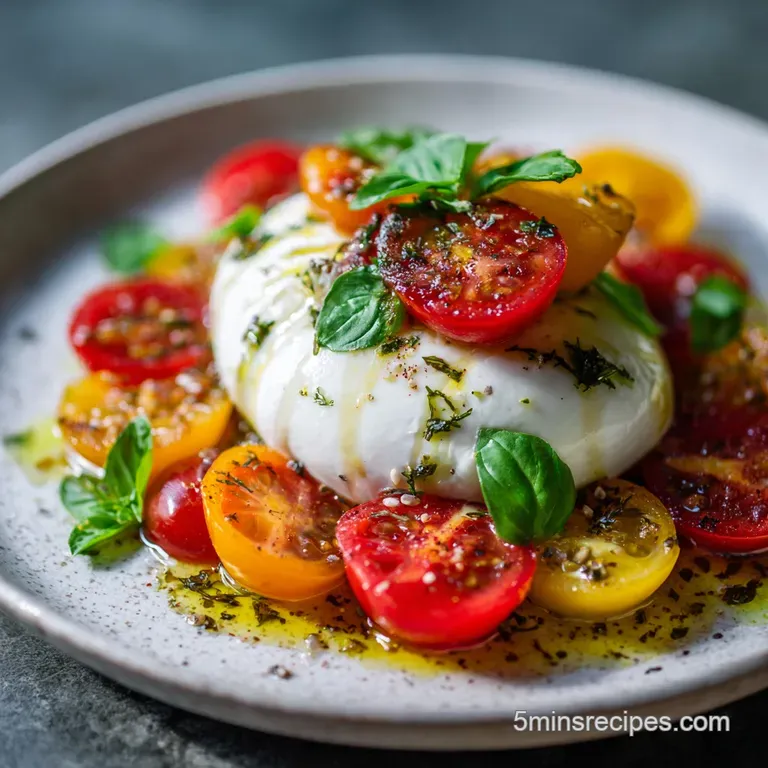
- Time: Active 20 mins, Passive 10 mins, Total 30 mins
- Flavor/Texture Hook: Milky, silky, and incredibly pliant
- Perfect for: Busy weeknight caprese or a quick morning kitchen project
- Fixing My Failed Fresh Mozzarella Kitchen Disasters
- The Science of The Perfect Cheese Stretch
- Vital Stats For Your Fresh Mozzarella Project
- Selecting Ingredients For Better Homemade Fresh Mozzarella
- Essential Tools For Making Cheese At Home
- Step By Step Guide To Better Cheese
- Solving Common Problems With Your Fresh Mozzarella
- Customizing Your Cheese With Flavor And Textures
- Proper Methods For Storing Your Homemade Cheese
- Best Ways To Serve Your Fresh Mozzarella
- Fresh Mozzarella FAQs
- 📝 Recipe Card
Fixing My Failed Fresh Mozzarella Kitchen Disasters
I'll never forget the Tuesday morning I decided to be a "cheese person." I had this romantic vision of myself elegantly pulling ribbons of curd while my coffee brewed. Instead, I ended up with a pot of grainy, greyish sludge that looked more like wet wool than Fresh Mozzarella.
I was so frustrated I almost tossed the whole pot, but as a busy mom, I hate wasting four liters of milk. I realized I had skipped the most important rule of home cheesemaking: temperature is not a suggestion.
That first failure taught me that making an Easy Mozzarella Cheese Recipe isn't about magic; it's about the chemistry of the stretch. Once I stopped guessing and started using a thermometer, the magic actually happened.
Now, I can whip this up between school drop offs, and the kids think I’m a literal wizard when they see the dull curds transform into glossy, porcelain white spheres.
We're going to use a fast track method today that skips the hours of natural bacterial ripening. By using citric acid, we get that perfect pH level instantly. It’s the ultimate kitchen win for anyone who wants high-quality results without a professional dairy setup.
Trust me, once you taste this still warm on a piece of sourdough, the grocery store plastic wrapped stuff will never taste the same again.
The Science of The Perfect Cheese Stretch
Making Fresh Mozzarella is essentially a controlled crash of milk proteins. We are manipulating the structure of the milk to force it to let go of its liquid and hold onto its solids.
- Acidification: Citric acid lowers the pH of the milk, which "primes" the casein proteins to clump together once the enzyme is added.
- Coagulation: Rennet acts like a molecular pair of scissors, snipping the ends off protein chains so they can link up into a solid mesh.
- Thermoplasticity: Heating the curds to 71°C allows the protein structure to become fluid, creating the iconic stretch we crave.
| Method | Time | Texture | Best For |
|---|---|---|---|
| Fast (Citric Acid) | 30 mins | Milky and soft | Immediate eating, salads |
| Classic (Cultured) | 5-18 hours | Tangy and complex | Artisanal platters |
| Microwave Hack | 20 mins | Firmer and bouncy | Fast pizza toppings |
This comparison shows that while the classic method offers a deeper flavor, our fast track version is unbeatable for busy mornings when you need a quick win. This silky cheese pairs beautifully with a Marinara Sauce in recipe for a fast lunch that feels like a five star meal.
Vital Stats For Your Fresh Mozzarella Project
To get this right every single time, we need to treat our ingredients with a bit of respect. Not all milk is created equal, and your choice here is the difference between a bouncy ball and a silky delight.
| Component | Science Role | Pro Secret |
|---|---|---|
| Whole Milk | Protein Source | Avoid "Ultra Pasteurized" or the proteins won't bond. |
| Citric Acid | pH Regulator | Dissolve in chlorine free water for even distribution. |
| Liquid Rennet | Coagulant | Always check the expiration; weak rennet equals "soup." |
| Cheese Salt | Flavor & Texture | Use non iodized salt to keep the brine clear. |
Before you start, make sure your water is filtered. Chlorine can actually deactivate the rennet, which is the most common reason the milk stays liquid after you add the "magic" drops.
Selecting Ingredients For Better Homemade Fresh Mozzarella
You only need a handful of items for this Homemade Fresh Mozzarella Recipe, but they have to be the right ones. If you're standing in the dairy aisle, look for "Pasteurized" but never "Ultra Pasteurized" (UP) or "UHT." UP milk has been heated so high that the proteins are basically shattered, and they simply won't form a curd no matter how much rennet you throw at them.
- 1 gallon (3.8 liters) whole milk Why this? Higher fat content equals a creamier, more velvety cheese.
- 1.5 tsp citric acid powder Why this? Provides the immediate acidity needed for the 30 minute stretch.
- 0.25 tsp liquid rennet Why this? The "glue" that turns liquid milk into solid curds.
- 1 tsp cheese salt Why this? Flaky and iodine free, it dissolves perfectly into the warm cheese.
- 0.5 cup cool chlorine free water (for citric acid)
- 0.25 cup cool chlorine free water (for rennet)
If you can't find liquid rennet, you can use 1/4 of a rennet tablet crushed and dissolved, though liquid is much easier to measure for an Easy Mozzarella Cheese Recipe.
Essential Tools For Making Cheese At Home

You don't need a fancy creamery, but a few specific tools make this "morning friendly" and far less stressful.
- Large Stainless Steel Pot: Avoid aluminum, as it can react with the acid and give your cheese a metallic tang.
- Digital Thermometer: This is non negotiable. We need to hit specific numbers to ensure the rennet works and the cheese stretches.
- Long Knife: For "cutting the curd" into a grid pattern.
- Slotted Spoon: To gently lift the delicate curds without breaking them.
- Microwave Safe Bowl: For the quick heat method that saves us from standing over a hot stove for an hour.
- Rubber Gloves: Essential for the stretching phase unless you have hands made of asbestos!
Chef's Tip: Use a heavy bottomed pot to prevent the milk from scorching at the bottom while you're heating it up.
step-by-step Guide To Better Cheese
This is the part where we turn science into dinner. Follow the timeline and don't rush the heating phases.
- Prep the Solutions. Dissolve the citric acid in 0.5 cup water and the rennet in 0.25 cup water in separate small bowls.
- Acidify the Milk. Pour the cold milk into your pot and stir in the citric acid solution. Note: This starts the protein alignment immediately.
- Warm the Base. Heat the milk over medium high heat until it reaches exactly 32°C.
- Add the Rennet. Remove from heat. Pour in the rennet solution and stir gently in a figure eight motion for exactly 30 seconds. Stop the milk from moving with your spoon and cover the pot.
- Let it Set. Leave the pot undisturbed for 5 to 10 minutes until the curd looks like firm custard and pulls away from the sides.
- Cut the Curd. Use your long knife to cut a 1 inch grid pattern all the way to the bottom of the pot.
- Cook the Curds. Place the pot back on the stove and heat gently to 43°C while stirring the cubes very slowly. Note: This helps the curds expel the liquid whey.
- Drain the Whey. Use a slotted spoon to transfer the curds to a microwave safe bowl. Gently press out excess liquid.
- The First Heat. Microwave the curds for 1 minute. Drain any extra whey. Fold the curds gently with a spoon.
- The Final Stretch. Microwave for another 30 seconds until the internal temp hits 71°C. Add salt, then pull and stretch the cheese until it’s glossy. Shape into balls and drop into cold water to set.
While you're waiting for the curds to set, it's the perfect time to prep a refreshing drink. This cheese is a dream alongside a Hugo Spritz Recipe on a sunny afternoon.
Solving Common Problems With Your Fresh Mozzarella
The most common "busy mom" mistake is trying to multitask and letting the milk get too hot too fast. If the milk goes over 35°C before the rennet is in, the enzymes might not bond the proteins correctly.
Why Your Cheese Is Grainy
If your curds look like cottage cheese and won't clump, it's usually an acidity issue or the milk was ultra pasteurized. Once the proteins are "broken" by high heat during factory processing, they can't form the long chains needed for a smooth cheese.
Fixing A Lack Of Stretch
If your cheese is firm but snaps instead of stretching, it’s not hot enough. The "stretch window" happens right around 71°C. If it’s too cold, the proteins stay locked; if it’s too hot, they melt into a puddle.
| Problem | Root Cause | Solution |
|---|---|---|
| Curds are "mushy" | Rennet was old or diluted | Use fresh liquid rennet; don't stir too long. |
| Cheese is "rubbery" | Over worked or over cooked | Stop stretching as soon as it's glossy. |
| No curd forms | Milk was Ultra Pasteurized | Check the label; only use "Pasteurized." |
Common Mistakes Checklist:
- ✓ Use a digital thermometer for precision (eye balling doesn't work here).
- ✓ Ensure your water is distilled or filtered to protect the rennet.
- ✓ Stir the rennet in for only 30 seconds over stirring breaks the initial bond.
- ✓ Let the cheese rest in cold water for 5 minutes after shaping to keep its round form.
Customizing Your Cheese With Flavor And Textures
Once you've mastered the basic Making Fresh Mozzarella technique, you can start getting fancy without adding much extra time to your morning.
- Herb Infusion: Add finely chopped basil or red pepper flakes during the final stretching phase.
- Creamy Center: To make "Pseudo Burrata," shred some of your fresh cheese and mix it with a splash of heavy cream, then tuck it inside a larger mozzarella ball.
- The Brine: Store your cheese in a mixture of 1 cup whey and 1 tsp salt to keep it soft and seasoned.
Handling Larger Batches
If you want to double the recipe to 2 gallons of milk, don't just double everything. Keep the salt and citric acid at 1.5x to avoid a metallic taste, but you can double the rennet.
You'll need a much larger pot and a bit more patience during the microwave heating steps, as the larger mass of curd takes longer to reach that magic 71°C.
| If you want... | Do this... |
|---|---|
| Pizza Topping | Stretch it a bit more to remove more moisture; it melts better. |
| Salad Rounds | Shape into "bocconcini" (grape sized balls) for easy tossing. |
| Marinated Mozzarella | Drop finished balls into olive oil with garlic and dried oregano. |
If you have leftovers (rare, I know!), this cheese is actually incredible when melted inside an Enchiladas Suizas Recipe — it gives a much fresher, milkier finish than store-bought bags.
Proper Methods For Storing Your Homemade Cheese
Fresh Mozzarella is best eaten immediately while it's still slightly warm and supple. However, life happens, and sometimes you need to save it for later.
- Fridge: Keep the balls submerged in their brine for up to 5 days. Without brine, they will become tough and rubbery.
- Freezer: You can freeze mozzarella, but the texture will change. It becomes slightly more crumbly, making it better for grating onto pizza than eating fresh. It lasts about 2 months in the freezer.
- Zero Waste: Don't throw away that leftover whey! It's packed with protein. Use it as a liquid replacement in bread recipes, add it to smoothies, or use it to cook rice for a subtle, creamy flavor boost.
Best Ways To Serve Your Fresh Mozzarella
There's a massive myth that you need fancy crackers or imported oils to enjoy Recipes With Mozzarella Cheese. In reality, the best way to enjoy it is the simplest: sliced thick with a sprinkle of flaky salt and a crack of black pepper.
- The Caprese Classic: Layer with heirloom tomatoes and fresh basil.
- Breakfast Toast: Smash a ball of mozzarella onto toasted sourdough and top with a poached egg.
- The Dessert Twist: Surprisingly, fresh mozzarella is amazing with sliced peaches and a drizzle of honey.
Common Myths Debunked: 1. "Squeaky cheese means it's bad." Nope! Squeakiness is just a sign of very fresh curds where the protein structures are still tightly bound. It usually fades after 24 hours. 2.
"You must use buffalo milk." While traditional Italian mozzarella uses water buffalo milk, high-quality cow's milk makes a spectacular version that is much easier for the average home cook to find. 3.
"Making cheese takes all day." As we've shown, 30 minutes is all you need for a restaurant quality result.
If you're hosting a little get together, serve these mozzarella balls alongside a Limoncello Spritz Recipe for a bright, citrusy pairing that feels like an Italian vacation in your own kitchen.

Fresh Mozzarella FAQs
Is fresh mozzarella the same as regular mozzarella?
No, they are structurally different. Fresh mozzarella is unaged, stored in whey or water, giving it a high moisture content and soft texture, whereas regular (low-moisture) mozzarella is aged, drier, and melts better for applications like baked pasta.
Is fresh mozzarella the healthiest cheese?
It is generally healthier than aged cheeses. Because it is unaged, it has lower sodium content and is often lower in lactose than hard cheeses. However, it is still calorie dense due to its high fat content.
Can you eat fresh mozzarella raw?
Yes, absolutely. Fresh mozzarella is intended to be eaten raw, sliced, or torn, as cooking it often leads to excessive moisture release and a diminished, soupy texture.
Can I use fresh mozzarella for pizza?
Yes, but you must pre-treat it. Fresh mozzarella releases a lot of water when heated, which can result in a soggy crust; drain it well, pat it dry, or briefly pre-bake it to remove excess moisture first.
How long does fresh mozzarella last once made at home?
Store it submerged in brine for up to 5 days. The best flavor and texture are achieved within the first 48 hours; keep it refrigerated, ensuring the liquid always covers the cheese ball completely.
Why did my homemade mozzarella curds not stretch properly?
The heat was likely insufficient or the pH was incorrect. The curds must reach precisely 71°C for the protein structure to become thermoplastic enough to stretch; if they snap, reheat gently to that target temperature.
What liquid should I substitute for the whey leftover from making fresh mozzarella?
Use the whey as a liquid base in baking or cooking. This leftover liquid is rich in nutrients; you can use it in place of water when making bread or follow the starch enrichment principle in our One Pan Pasta recipe for added body.
Homemade Fresh Mozzarella Now

Ingredients:
Instructions:
Nutrition Facts:
| Calories | 85 kcal |
|---|---|
| Protein | 6.2 g |
| Fat | 6.3 g |
| Carbs | 0.8 g |
| Fiber | 0 g |
| Sugar | 0.3 g |
| Sodium | 148 mg |
