Korean Breakfast Food: Gyeran Bap
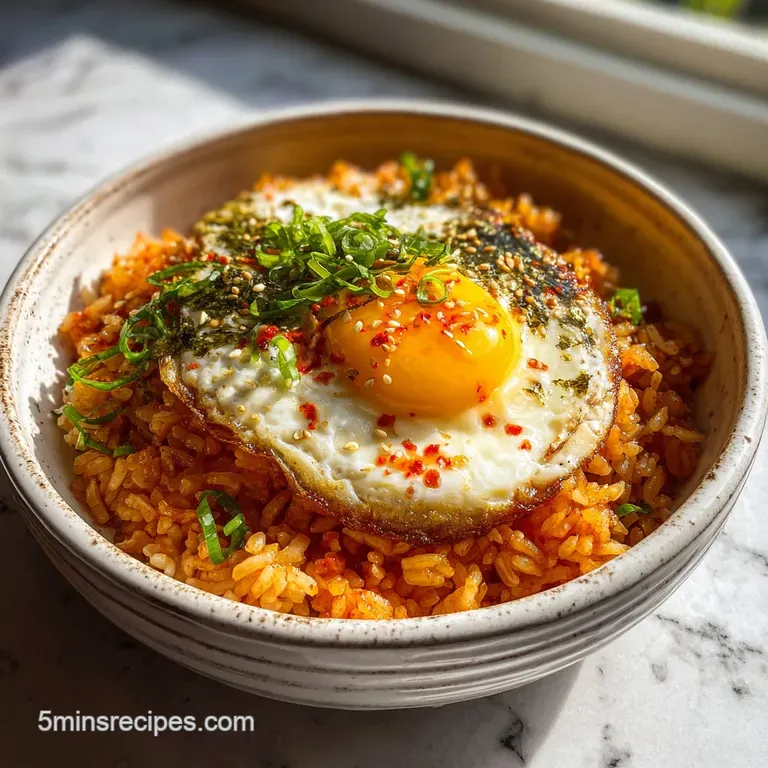
- Time: Active 5 mins, Passive 2 mins, Total 7 mins
- Flavor/Texture Hook: Savory, velvety yolk with crispy edged eggs
- Perfect for: Busy weekday mornings and beginner meal preppers
- Quick and Hearty Breakfast Korean Food for Mornings
- The Science Behind Your Perfect Bowl
- Essential Specs for Fast Morning Success
- Simple Ingredients for Authentic Korean Flavor
- Minimal Tools for a Faster Cleanup
- Key Steps for a Velvety Texture
- Preventing Common Kitchen Disasters and Mistakes
- Dietary Adaptations for Every Healthy Lifestyle
- Storage and Smart Zero Waste Tips
- Simple Pairings for a Balanced Meal
- Korean Breakfast FAQs
- 📝 Recipe Card
Quick and Hearty Breakfast Korean Food for Mornings
The smell of toasted sesame oil hitting a hot pan is my official "wake up" signal. If you have ever stared at the fridge at 7:00 AM feeling completely uninspired, this recipe is for you.
We are making what I call the "savior of the school run" a classic bowl of rice and eggs that hits every single flavor profile you actually want in the morning.
I first started making this breakfast korean food because I was tired of cold cereal but had exactly zero time to flip pancakes. This dish is essentially the Korean version of comfort food, relying on pantry staples that most of us already have.
It is warm, it is salty, and that little pat of butter makes the whole thing feel like a luxury instead of a "I'm running late" compromise.
We aren't doing anything fancy or complicated here. This is about using minimal tools to get maximum flavor. I've made the mistake of overcomplicating morning meals before, and trust me, nobody has time for a fourteen step process before their first coffee. Let's get into how to make this work every single time.
The Science Behind Your Perfect Bowl
The magic of this dish lies in lipid protein emulsification, where the runny egg yolk and melted grass fed butter combine with the starch from the rice to create a creamy sauce without any actual cream.
When you stir the bowl vigorously, the fats coat each grain of rice, preventing them from clumping and ensuring a velvety mouthfeel.
Another key factor is the Maillard reaction occurring on the whites of the eggs. By frying them in a mix of butter and sesame oil at a medium high heat, you create those lacey, browned edges that provide a necessary "shatter" and nutty depth to contrast the soft rice.
| Method | Cook Time | Texture | Clean up Effort |
|---|---|---|---|
| Fast (This Recipe) | 5 mins | Silky, slightly crispy | One frying pan only |
| Classic (Stovetop) | 25 mins | Fluffy, softer eggs | Multiple pots used |
| Traditional Porridge | 45 mins | Thick, creamy, soft | High (constant stirring) |
Choosing the fast method doesn't mean we sacrifice the soul of the dish; we just optimize the heat. Using pre cooked multi grain rice is a massive shortcut that actually provides a better "bite" than freshly boiled white rice, which can sometimes turn into mush when you add the soy sauce and butter.
Essential Specs for Fast Morning Success
To get this on the table before the kids start losing their minds, you need to know exactly what you're aiming for. Precision matters when you only have seven minutes total. I always aim for the egg whites to be fully set while the yolk remains liquid gold.
To Achieve the Maillard Reaction
We want the pan hot enough that the eggs sizzle immediately upon contact. If the pan is cold, the eggs will stick and the butter will just soak into the rice without creating that beautiful toasted flavor. You are looking for those tiny bubbles around the edge of the egg white.
For a Creamy No Cream Emulsion
The temperature of your rice is actually a precision point. If the rice is stone cold from the fridge, it will seize the butter. You want the rice steaming hot either freshly reheated or just cooked so that it acts as the primary heat source to melt the butter and gently "cook" the raw yolk as you stir it all together.
| Component | Science Role | Pro Secret |
|---|---|---|
| Organic Eggs | Protein binder | Use room temp for faster setting |
| Toasted Sesame Oil | Volatile aromatics | Add half at start, half at end |
| Multi grain Rice | Starch structure | Use "day old" rice for better texture |
The multi grain rice adds a layer of complexity that white rice just can't match. If you're looking for more ways to use grains, you might love this Whole Grain Breakfast recipe which uses a similar hearty base. The fiber in the multi grain mix keeps you full much longer than processed grains.
Simple Ingredients for Authentic Korean Flavor
You probably have 90% of this in your kitchen right now. I've tried "skimping" on the butter before, and I'm telling you, don't do it. The butter is what bridges the gap between the salty soy sauce and the rich yolk.
- 1 cup Pre cooked Multi grain Rice: Provides the fiber and nutty base. Why this? It holds its shape better than white rice when mixed.
- 1 tsp Toasted Sesame Oil: This is your primary flavor driver. Why this? Provides that signature nutty aroma that defines the dish.
- 2 Large Organic Eggs: The star protein. Why this? Higher quality yolks lead to a richer, darker orange "sauce."
- 1 tsp Grass fed Butter: Adds a creamy, Western style richness. Why this? Grass fed varieties have a higher smoke point and more vitamins.
- 1 tbsp Low Sodium Soy Sauce: The salt and umami source. Why this? Allows you to control the saltiness without overpowering the eggs.
- 1 tsp Roasted Sesame Seeds: For a subtle crunch.
- 0.5 sheet Roasted Seaweed (Gim): Provides a salty, ocean like "shatter."
- 1 stalk Green Onion: Essential for a fresh, sharp bite.
- 1 tsp Gochugaru (optional): For a tiny hint of smoky heat.
| Original Ingredient | Substitute | Why It Works |
|---|---|---|
| Grass fed Butter | Ghee | Higher smoke point, dairy-free option. |
| Soy Sauce | Liquid Aminos | gluten-free and slightly sweeter profile. |
| Multi grain Rice | Quinoa | Similar protein punch but a much lighter texture. |
If you are a fan of savory egg dishes but want something with a bit more kick, our Mexican Breakfast Dish recipe is a fantastic alternative for weekend mornings. It uses some of the same protein heavy principles but swaps the soy for spice.
Minimal Tools for a Faster Cleanup
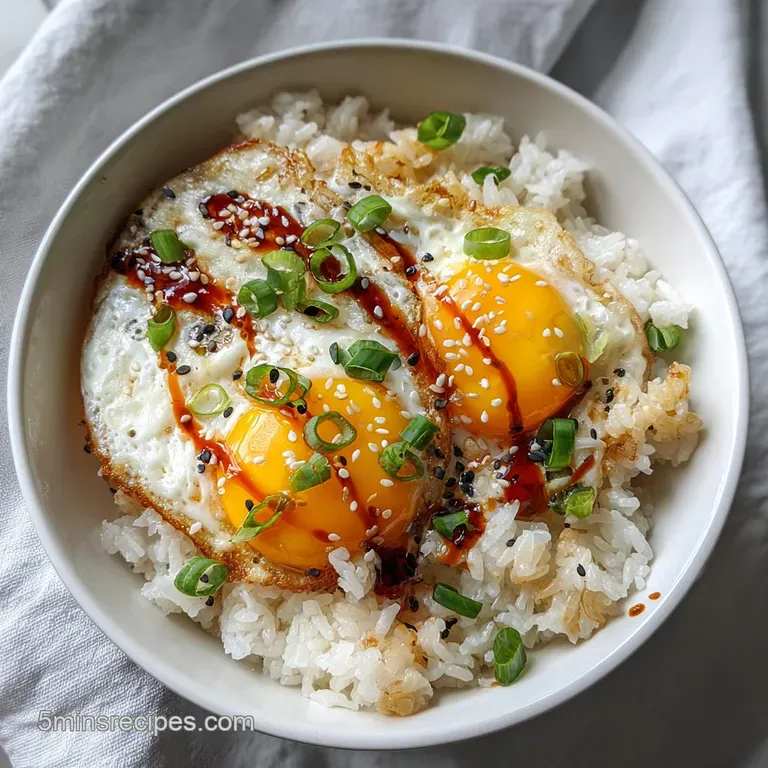
One pan. One bowl. That is my rule for "breakfast korean food" on a Monday. I use a small non stick skillet for the eggs because I don't want to fight with stuck on proteins when I'm already late for a meeting.
Chef's Tip: Use a pair of kitchen shears to cut the seaweed and green onions directly over the bowl. It saves you from washing a cutting board and a knife!
I also highly recommend using a stone bowl (dolsot) if you have one, but a regular ceramic cereal bowl works perfectly fine. The goal is to keep the heat trapped. If you have a small cast iron pan, you can even serve the dish directly in it to keep the rice "crackling" at the bottom.
Key Steps for a Velvety Texture
This process moves fast, so have your soy sauce and sesame oil ready before you crack the first egg. We want the transition from pan to bowl to happen in seconds to preserve the heat.
- Heat the base. Warm your 1 cup of multi grain rice until it is steaming. Note: This heat is what melts the butter later.
- Prep the pan. Place your skillet over medium high heat and add 1 tsp of toasted sesame oil.
- Fry the eggs. Crack 2 large organic eggs into the pan. Cook 2 mins until the edges are brown and "lacey" but yolks are still runny.
- Prepare the bowl. While eggs cook, place the hot rice in a bowl and add 1 tsp of grass fed butter in the center.
- Assemble the core. Slide the hot eggs directly onto the rice and butter.
- Season the dish. Pour 1 tbsp of low sodium soy sauce over the yolks.
- Add the crunch. Sprinkle 1 tsp of roasted sesame seeds and 1 tsp of optional gochugaru over the top.
- Garnish the bowl. Use shears to shred 0.5 sheet of seaweed and slice 1 stalk of green onion over the surface.
- The final mix. Use a spoon to break the yolks and stir everything vigorously for 30 seconds until the rice is glossy and coated.
Preventing Common Kitchen Disasters and Mistakes
The biggest mistake I ever made was using cold rice. I thought the eggs would heat it up they didn't. I ended up with a lukewarm, greasy bowl of sadness. Learn from my errors and make sure that rice is hot!
Why Your Eggs Are Rubbery
If you cook the eggs on low heat for a long time, the proteins cross link too tightly, making them tough. You want high heat for a short duration. This gives you that "shatter" on the bottom and a liquid center.
To Avoid a Salt Bomb
Soy sauce brands vary wildly in salt content. If you aren't using a low sodium version, start with half the amount, taste it, and then add more. You can always add salt, but you can't take it away once it's soaked into the grains.
| Problem | Root Cause | Solution |
|---|---|---|
| Soggy Rice | Too much soy sauce added at once. | Add sauce in increments; stir vigorously. |
| Butter Won't Melt | Rice was not heated sufficiently. | Microwave rice for an extra 30 seconds before mixing. |
| Eggs Stuck to Pan | Pan wasn't preheated with oil. | Ensure oil is shimmering before cracking eggs. |
Common Mistakes Checklist:
- ✓ Always preheat your pan for at least 2 minutes.
- ✓ Don't skip the butter; it acts as an emulsifier for the sauce.
- ✓ Use kitchen shears for garnishes to save prep time.
- ✓ Stir the bowl immediately while the ingredients are at peak temp.
- ✓ Pat your green onions dry before slicing to prevent them from getting slimy.
Dietary Adaptations for Every Healthy Lifestyle
This dish is surprisingly flexible. If you're trying to keep things plant based or watching your gluten intake, a few simple swaps keep the spirit of the dish alive without the ingredients you're avoiding.
For a Plant Based Profile
You can swap the organic eggs for crumbled extra firm tofu sautéed with a pinch of turmeric (for color) and kala namak (black salt) for that "eggy" sulfur flavor. Replace the butter with a vegan buttery spread or extra sesame oil. It won't have the same runny yolk sauce, but the flavor profile remains spot on.
For a gluten-free Transformation
Standard soy sauce contains wheat. To make this safe for a gluten-free diet, simply swap the soy sauce for Tamari or liquid aminos. Most roasted seaweed (gim) is naturally gluten-free, but always check the label for "malt" or "soy sauce" flavorings that might hide gluten.
- If you want more protein: Add a spoonful of canned tuna or some leftover rotisserie chicken.
- If you want more heat: Double the gochugaru or add a swirl of Sriracha.
- If you want a lower carb count: Use cauliflower rice, but be sure to sauté it first to remove excess moisture.
Storage and Smart Zero Waste Tips
Honestly, this is a dish that is best eaten immediately. Rice that has been mixed with egg and soy sauce doesn't reheat well; the eggs turn rubbery and the rice loses its texture. However, you can prep the components!
Store your pre cooked multi grain rice in airtight containers for up to 4 days in the fridge. You can even freeze portions of cooked rice for up to 3 months. When you're ready to eat, just pop a portion in the microwave for 90 seconds, and you're halfway to a fresh "breakfast korean food" bowl.
Zero Waste Tip: Don't throw away those slightly wilted green onions! Keep the white ends in a small jar of water on your windowsill, and they will regrow. For the tops, even if they're a bit soft, they still provide excellent flavor when sautéed in the sesame oil before you add the eggs.
Also, if you have half empty bags of roasted seaweed snacks, crush them up they are the perfect topping even if they aren't "full sheets."
Simple Pairings for a Balanced Meal
While this bowl is a complete meal on its own, I often like to serve it with something acidic to cut through the richness of the yolk and butter. A small side of well fermented kimchi is the traditional and best choice. The probiotics in the kimchi also help with morning digestion, which is a win for all us busy moms.
If you don't have kimchi, a quick cucumber salad with rice vinegar and a pinch of sugar does the trick. I've also found that a hot cup of barley tea (bori cha) or even a simple green tea complements the nuttiness of the sesame oil beautifully.
Just remember, the goal of this "breakfast korean food" is to keep your morning simple. Don't feel like you need a spread of five side dishes. One good bowl, one hot drink, and you are ready to face the day. It's the kind of reliable, 5 minute win we all need in our recipe tin. Enjoy that first velvety, salty bite!
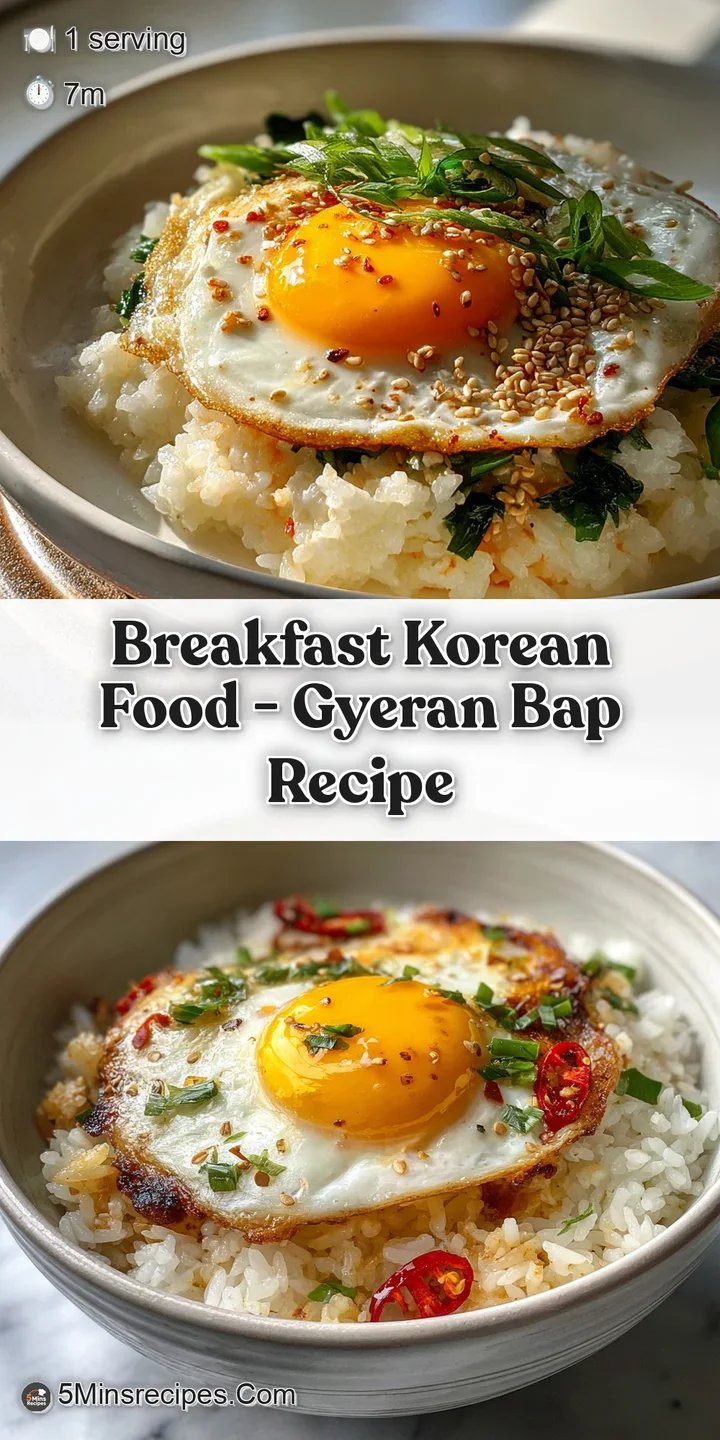
Korean Breakfast FAQs
What is a typical Korean breakfast?
Rice based meals are common. Traditional Korean breakfasts often feature rice, soup, and various side dishes (banchan), similar to lunch or dinner but sometimes lighter.
What do Koreans eat in the morning?
Many Koreans eat simple, savory dishes. This can include rice with egg (like Gyeran Bap), leftover stew (jjigae), or quick noodle dishes, prioritizing quick preparation and warmth.
What are the top Korean breakfast foods?
Gyeran Bap (rice with egg) is extremely popular. Other favorites include Kimchi Jjigae (kimchi stew), Doenjang Jjigae (soybean paste stew), and simple congee (juk).
Do Koreans eat kimchi jjigae for breakfast?
Yes, it's quite common. Many Koreans enjoy a hearty bowl of kimchi jjigae, often with rice, to start their day, especially during colder months.
Is Korean breakfast usually spicy?
Not always, but often contains some spice. While many popular dishes like kimchi jjigae have a spicy kick, simpler options like Gyeran Bap are mild and can be seasoned to taste.
Can I have Western style breakfast foods in Korea?
Absolutely. Western style breakfasts like toast, eggs, and cereal are readily available in cafes and convenience stores across Korea.
What's a quick Korean breakfast idea?
Gyeran Bap is ideal. This dish of hot rice, butter, soy sauce, and a fried egg is prepared in minutes, offering a satisfying and quick start. If you enjoyed mastering the emulsification technique here, see how the same principle works in our Quick Breakfast Quesadilla: 10 Minute Crunch.
Korean Breakfast Food
Ingredients:
Instructions:
Nutrition Facts:
| Calories | 462 kcal |
|---|---|
| Protein | 20.6 g |
| Fat | 21.2 g |
| Carbs | 48.5 g |
| Fiber | 4.2 g |
| Sugar | 0.8 g |
| Sodium | 645 mg |
