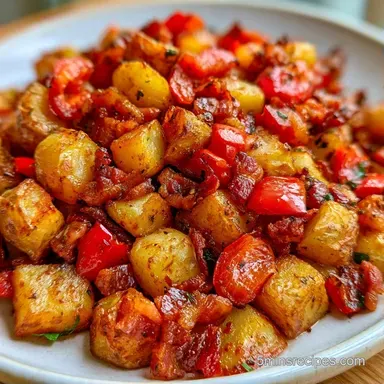
Loaded Breakfast Skillet with Bacon and Potatoes
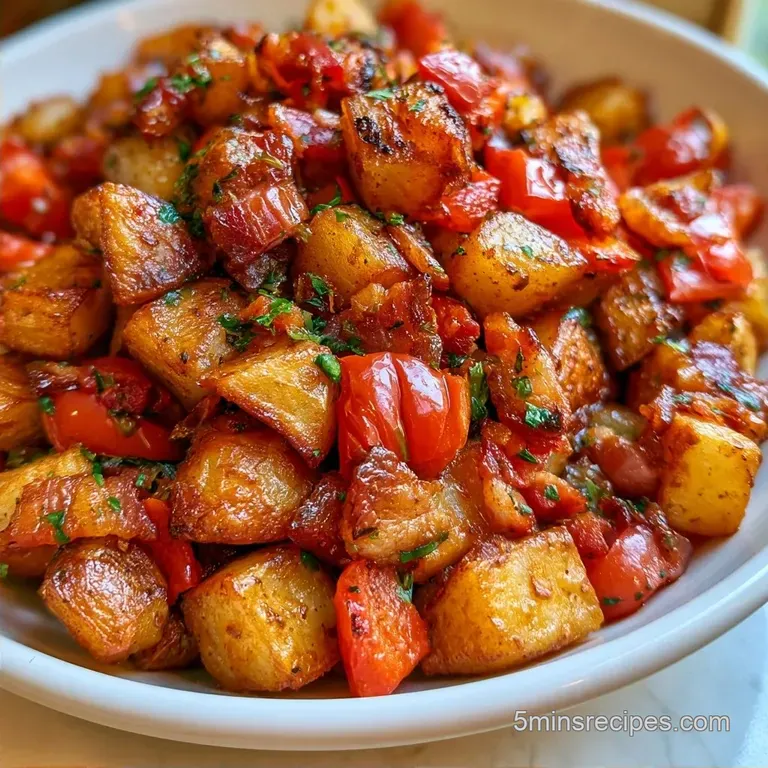
- Time: 10 min prep + 20 min cook
- Flavor/Texture Hook: Crispy, salty potatoes and molten cheese
- Perfect for: Lazy Sunday mornings or hungry families
You know that feeling when you order a skillet at a diner and it's basically a bowl of mush? I've been there. My early attempts at a Loaded Breakfast Skillet always ended up steaming the potatoes instead of searing them, leaving me with something that tasted okay but felt like baby food.
The fix is actually pretty simple, but most recipes don't tell you the most important part: stop stirring. If you keep moving the potatoes, they never get that deep, salty crust that makes this dish work.
This version is designed to be budget friendly and fast. We're using a few smart swaps to keep costs down without losing that heavy, satisfying diner feel. Here is how to actually get it right.
Quick Specs for This Skillet
The beauty of a Loaded Breakfast Skillet is that it's flexible. You can throw in whatever veg is wilting in your crisper drawer. Since we're using a cast iron pan, the heat stays consistent, which is why the potatoes brown so evenly.
If you're feeding a crowd, this is a lifesaver because you aren't flipping individual pancakes or frying eggs one by one. Everything happens in one place, and you only have one pan to scrub afterward.
What Makes This Work
Bacon Grease: Using rendered fat instead of neutral oil adds an earthy depth and helps the potatoes crisp up faster.
The "No Touch" Method: Letting the potatoes sit undisturbed for 5 minutes prevents them from steaming and creates a mahogany colored crust.
| Method | Time | Texture | Best For |
|---|---|---|---|
| Stovetop | 30 mins | Crispiest edges | Quick mornings |
| Oven Finished | 45 mins | Evenly melted | Large groups |
The Best Budget Ingredients
I suggest using Yukon Gold potatoes here. Their buttery flavor and ability to hold their shape unlike Russets ensure you don't end up with a mashed mess. Thick cut bacon is a great protein choice, but feel free to use breakfast sausage patties if you prefer a herby flavor.
Stick to a simple cheese. Sharp Cheddar provides a bold punch that balances the richness of the eggs. If you're budgeting, pre-shredded blends work, though grating your own ensures a smoother melt by avoiding anti clumping agents.
The Shopping List:
- 2 lbs Yukon Gold potatoes, ½-inch dicedWhy this? Waxy texture keeps them from falling apart
- 4 slices thick cut bacon, choppedWhy this? Provides the salt and cooking fat
- 1 medium yellow onion, dicedWhy this? Creates a savory, sweet base
- 1 medium red bell pepper, dicedWhy this? Offers mild sweetness and bright color
- 2 cloves garlic, mincedWhy this? Adds a nutty aroma
- 1 tsp smoked paprikaWhy this? Provides a touch of wood fired flavor
- ½ tsp kosher salt
- ¼ tsp black pepper
- 6 large eggsWhy this? The star of the dish
- 1 cup sharp Cheddar cheese, shreddedWhy this? A robust flavor that won't be overpowered
- 2 tbsp fresh chives, sliced
- 1 tbsp salted butterWhy this? Extra richness for the final sear
Essential Tools for Success
A 10 or 12 inch cast iron skillet is highly recommended for this recipe. Cast iron provides the even heat distribution and high temperatures necessary to get those potatoes beautifully browned. A heavy bottomed stainless steel pan is a good substitute, but steer clear of non-stick if you're aiming for a proper crust.
A durable slotted spoon is also useful for lifting out the bacon while preserving the fat in the pan. Additionally, ensure you have a tight fitting lid; this is the most effective way to set the egg whites without overcooking the yolks.
Bringing It Together
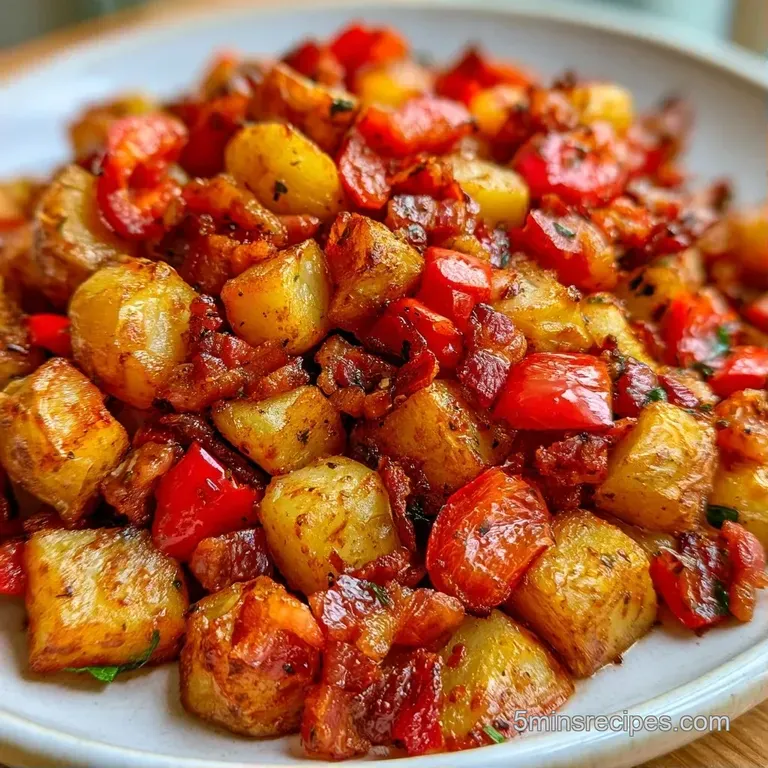
Phase 1: Rendering and the First Sear
Place the chopped bacon in the cold cast iron skillet and turn heat to medium. Fry until the fat has rendered and bacon is crisp. Use a slotted spoon to remove the bacon bits, leaving the fat in the pan.
Add the diced potatoes in a single layer to the skillet. Let them sit undisturbed for 5 minutes until a golden brown crust forms. Note: Don't peek or stir; this is where the crunch happens.
Phase 2: Building the Flavor Profile
Stir in the diced onions and red bell peppers. Sauté for another 5-7 minutes, stirring occasionally, until the vegetables are tender and the potatoes are mahogany colored.
Fold in the minced garlic, smoked paprika, salt, and pepper. Cook for 1 minute until the garlic smells nutty and fragrant. Stir the cooked bacon bits back into the mix.
Phase 3: The Egg Nest and Melt
Use a spoon to create 6 small indentations (wells) in the potato mixture. Carefully crack one egg into each well.
Sprinkle the shredded Cheddar cheese evenly around and over the potatoes. Cover the skillet with a lid for 3-5 minutes until the egg whites are opaque but the yolks still jiggle. Remove from heat and garnish with fresh chives.
How to Fix Common Problems
Fixing Soggy Potatoes
If your potatoes feel steamed, you've likely overcrowded the pan. When there's too much food, moisture gets trapped and boils the potatoes instead of frying them. To fix this, sear your potatoes in two smaller batches and then combine them when you add the vegetables.
Preventing Rubbery Eggs
Rubbery eggs happen when the heat is too high or the lid is on too long. The key is the "jiggle." Take the skillet off the burner the second the whites are set. The carryover heat will finish the cooking process while you're getting the table ready.
Stopping Cheese from Burning
If your cheese burns before the eggs cook, your heat is too aggressive. Turn the burner to low before adding the eggs and covering the pan. The trapped steam is what cooks the tops, not the direct heat from the stove.
Variations and Substitutions
Feel free to customize this dish based on what you have on hand. For a "Cowboy" twist, swap the bell pepper for diced jalapeños and a touch of cumin. If you prefer a leaner meal, turkey bacon works well, though you should add a bit more butter since turkey doesn't release as much fat.
For a hands off alternative, my breakfast casserole with hashbrowns is a fantastic option for those times you'd rather avoid the stove.
| Goal | What to change |
|---|---|
| Low Carb | Swap potatoes for cauliflower florets |
| Extra Spicy | Add diced serrano peppers with onions |
| Meatless | Use smoked paprika oil and soy chorizo |
Freezing and Reheating Guide
Refrigeration
Keep leftovers in a sealed container in the fridge for 3 days. The eggs won't be as jammy after reheating, but the potatoes stay pretty good.
Reheating for Maximum Crunch
Don't use the microwave. It turns the potatoes into mush. Instead, throw the leftovers back into a skillet over medium heat with a tiny knob of butter. Cover for 2 minutes to warm through, then uncover for 2 minutes to crisp the bottom again.
Freezing
I don't recommend freezing the full skillet because the eggs get a weird texture. However, you can freeze the potato and veg mix before you add the eggs. Just thaw overnight and finish the dish on the stove as usual.
Perfect Complements
Because this Loaded Breakfast Skillet is quite rich, I suggest pairing it with something zesty to cut through the fat. A side of fresh avocado with a squeeze of lime or some mixed berries works perfectly.
If you have a few extra minutes, salted butter on toasted sourdough is the best way to soak up those leftover egg yolks. To create a full brunch spread, serve this alongside a light fruit salad or a glass of chilled orange juice.
High in Sodium
860 mg 860 mg of sodium per serving (37% 37% of daily value)
The American Heart Association recommends a daily sodium limit of 2,300mg for most adults to maintain heart health.
Tips to Reduce Sodium
-
Swap the Bacon-25%
Replace thick cut bacon with low-sodium turkey bacon or center cut bacon to significantly reduce processed salt.
-
Eliminate Added Salt-25%
Remove the ½ tsp kosher salt entirely; the bacon and cheese provide enough natural saltiness for the dish.
-
Modify the Cheese-15%
Use a reduced sodium sharp Cheddar or decrease the amount from 1 cup to ½ cup.
-
Enhance with Aromatics
Increase the amount of fresh chives and minced garlic to add flavor depth without adding any sodium.
Recipe FAQs
Which ingredients work best in a breakfast skillet?
Diced potatoes, crisp bacon, sautéed onions, and bell peppers form the ideal base.
Tip: Use Yukon Gold potatoes for a naturally creamy interior and golden exterior.
What makes a breakfast skillet "cowboy style"?
Substitute the red bell pepper for diced jalapeños and include a pinch of cumin.
Tip: Add the jalapeños at the same time as the onions for consistent tenderness.
How to achieve the perfect potato crust?
Let the diced potatoes sit undisturbed in the hot bacon fat for 5 minutes before stirring.
Tip: Pat the potatoes dry before adding them to the pan to prevent steaming.
Is it true that breakfast skillets are never healthy?
Actually, no. You can easily control the nutrition by adjusting the amount of cheese or using lean proteins.
Tip: Load up on extra bell peppers and onions to increase the vegetable content.
Can I use turkey bacon instead of pork?
Yes, turkey bacon works well as a leaner substitute.
Tip: If you enjoy this hearty style, try our Mexican Cornbread Casserole for another filling breakfast.
Why should the eggs be cooked with a lid?
The lid traps steam to cook the egg whites quickly without drying out the yolks.
Tip: Keep the lid on for only 3-5 minutes to ensure the yolks still jiggle.
Does it really matter which potato variety I use?
False. While Yukon Golds are recommended, other starchy potatoes will still work.
Tip: Ensure all pieces are cut to exactly 1/2 inch to guarantee they cook evenly.
Loaded Breakfast Skillet