Lemon Lavender Cake Recipe: Zesty & Floral
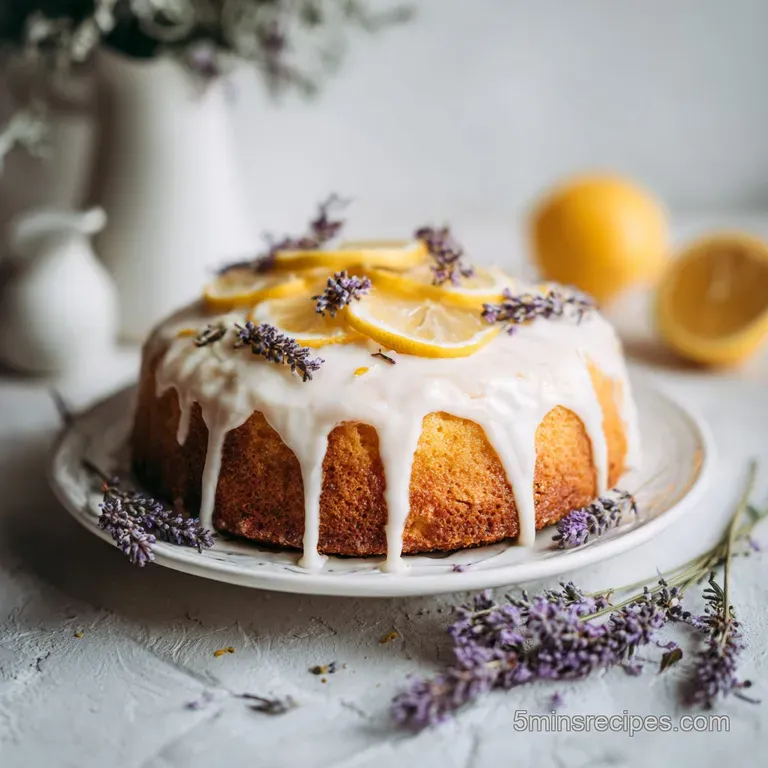
- Time: Active 30 minutes, Passive 35 minutes, Total 65 minutes
- Flavor/Texture Hook: Zesty, velvety, and floral
- Perfect for: Spring garden parties, weekend brunch, or a refined birthday treat
- Mastering This Lemon Lavender Cake Recipe
- Recipe Specifications and Timing
- Component Analysis and Selection
- Essential Ingredients and Substitutions
- Tools for the Perfect Bake
- Step-by-Step Baking Instructions
- Fixing Common Baking Mistakes
- Creative Flavor Variation Ideas
- Proper Storage and Reheating
- Serving and Pairing Suggestions
- Recipe FAQs
- 📝 Recipe Card
Mastering This Lemon Lavender Cake Recipe
Imagine walking into a kitchen where the sharp, citrusy sting of freshly zested lemons hits the air, immediately followed by the soft, earthy hum of dried lavender. The first time I tried making this, I was worried it would taste like eating a bar of soap, but the secret is all in the balance.
When that first golden slice slides out of the pan, the aroma is honestly intoxicating. It’s a bright, cheerful scent that makes the whole house feel like a high end French bakery on a sunny Tuesday morning.
I’ve spent months tweaking this specific ratio because floral cakes are notoriously tricky. Too much lavender and you’re eating potpourri; too little, and it just tastes like a basic lemon sponge.
We’ve landed on a version that features a velvety crumb, a tart lemon curd surprise in the middle, and a silky buttercream that ties everything together. Whether you are a seasoned baker or just looking for something more exciting than a box mix, this is the one that will have your friends asking for the recipe before they’ve even finished their first bite.
Recipe Specifications and Timing
The success of this cake relies on understanding the thermal properties of your ingredients. We aren't just tossing things into a bowl; we are building a stable emulsion that can withstand the heat of the oven without collapsing into a dense mess.
The Chemistry of Floral Infusion
Aromatic Extraction: Rubbing lavender into sugar uses friction to break the herb's cell walls, releasing essential oils directly into the sweetener. This ensures the floral flavor permeates the entire crumb rather than appearing in sporadic, soapy clumps.
| Method | Time | Texture | Best For |
|---|---|---|---|
| Oven Bake | 35 minutes | Fluffy, even crumb with a light golden exterior | Traditional cake layers and structure |
| Stovetop Curd | 10 minutes | Thick, glossy, and spreadable consistency | Filling the center for a tart contrast |
The contrast between the warm, soft cake and the chilled, sharp lemon curd is what makes this dessert stand out. While the oven does the heavy lifting for the structure, the stovetop is where we craft that intense citrus punch. If you're looking for other bright flavors to round out a brunch menu, you might consider pairing this with a fresh 5 Minute Smoothie recipe to keep the morning vibe light and energetic.
Component Analysis and Selection
Choosing the right ingredients is the difference between a "good" cake and a "how did you make this?" cake. We want high fat content for moisture and specific protein levels for the right bite.
| Ingredient | Science Role | Pro Secret |
|---|---|---|
| Unsalted Butter | Provides fat for a tender mouthfeel and carries aromatic oils | Use European style butter for higher fat and less water content |
| All purpose Flour | Creates the structural framework via gluten development | Sift three times to incorporate air for a lighter, cloud like lift |
| Culinary Lavender | Adds complex floral notes and essential oil aroma | Only use Angustifolia variety to avoid a bitter, medicinal aftertaste |
Using room temperature eggs is non negotiable here. Cold eggs will seize the creamed butter, causing the batter to break and resulting in a greasy, heavy cake. We want that silky, uniform batter that looks almost like thick pale yellow ribbons before it hits the pans.
Essential Ingredients and Substitutions
Gather these items before you start. Having everything weighed out (mise en place) prevents those frantic "where is the salt?" moments while your butter is over creaming.
- 3 cups (375g) All purpose flour, sifted
- Substitute: Measure for measure gluten-free flour blend. Why this? Provides the essential structure without making the cake too tough or chewy.
- 2.5 cups (500g) Granulated sugar
- Substitute: Caster sugar. Why this? Fine crystals dissolve faster into the butter for a superior aeration.
- 1 cup (225g) Unsalted butter, softened
- Substitute: Vegan butter sticks (high fat). Why this? Fat coats flour proteins, preventing excess gluten for a tender crumb.
- 4 Large eggs, room temperature
- Substitute: 1 cup unsweetened applesauce (yields a denser cake). Why this? Acts as the primary emulsifier and provides necessary lift.
- 1 cup Whole milk
- Substitute: Full fat oat milk. Why this? Adds moisture and creates a soft, delicate texture in the sponge.
- 2 tbsp Culinary grade dried lavender (Angustifolia)
- Substitute: 1 tsp lavender extract. Why this? Provides the signature botanical depth that defines the flavor profile.
- 3 tbsp Fresh lemon zest
- Substitute: 1 tbsp lemon extract. Why this? Contains the oils that provide the most intense, natural citrus fragrance.
- 0.25 cup Fresh lemon juice
- Substitute: Bottled lemon juice (less vibrant). Why this? Reacts with baking powder to provide an extra boost of leavening.
- 1 tbsp Baking powder
- Substitute: 1 tsp baking soda plus 2 tsp cream of tartar. Why this? The chemical leavener responsible for the cake's rise and fluffiness.
- 0.5 tsp Salt
- Substitute: Pink Himalayan salt. Why this? Sharpens all other flavors and balances the high sugar content.
- 0.5 cup Lemon curd
- Substitute: Raspberry jam. Why this? Adds a concentrated burst of tartness to contrast the sweet buttercream.
- 1 tsp Extra lemon zest (for the filling)
- 1.5 cups (340g) Unsalted butter, softened (for buttercream)
- 4.5 cups Powdered sugar, sifted (for buttercream)
- 2 tbsp Heavy cream
- Substitute: Full fat coconut milk. Why this? Thins the frosting to a spreadable consistency while maintaining richness.
- 1 drop Natural purple food coloring (optional)
- 1 pinch sea salt
Tools for the Perfect Bake
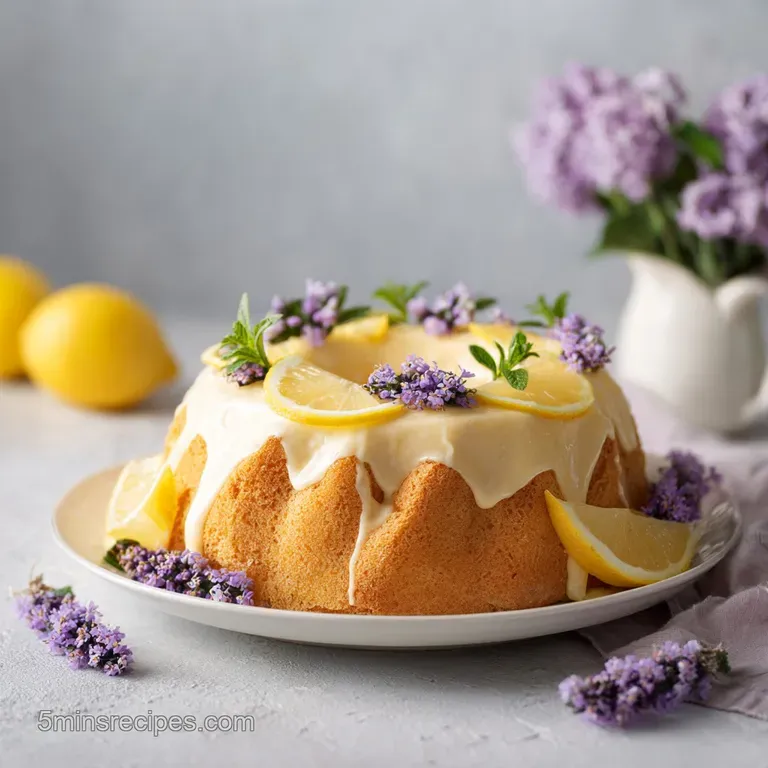
You don't need a professional kitchen, but a few specific tools make the process much smoother. I personally swear by a heavy duty stand mixer (such as a KitchenAid) because creaming butter and sugar for a full 5 minutes by hand is a workout nobody wants.
You will also need two 20cm (8 inch) round cake pans. Pro tip: use light colored aluminum pans rather than dark, non stick ones. Dark pans absorb heat too quickly, which often leads to over browned, dry edges before the middle is even set. A digital scale is also a life saver here.
Measuring flour by the cup is notoriously inaccurate, but 375g is always 375g.
If you're planning to serve this at a festive gathering, it actually pairs beautifully alongside a holiday spread featuring a Crockpot Cranberry Sauce recipe if you want to lean into those tart, fruit forward notes during a winter to spring transition.
step-by-step Baking Instructions
Follow these steps closely. The order in which we combine ingredients determines the final internal architecture of the cake.
- Preheat your oven to 180°C (350°F) and grease your cake pans thoroughly. Note: This ensures the cake doesn't stick.
- Combine the 500g granulated sugar, 3 tbsp lemon zest, and 2 tbsp dried lavender in a bowl. Rub the mixture between your fingers for 3 minutes until the sugar is damp and highly aromatic.
- Cream the 225g softened butter with the infused sugar using a mixer for 5 minutes until the mixture is pale and fluffy.
- Add the 4 eggs one at a time, beating well after each addition. Note: This prevents the emulsion from breaking.
- Whisk the 375g sifted flour, 1 tbsp baking powder, and 0.5 tsp salt in a separate bowl.
- Alterate adding the dry ingredients and the 1 cup milk to the butter mixture, starting and ending with the flour. Stir until just combined and no white streaks remain.
- Fold in the 0.25 cup lemon juice gently using a spatula.
- Divide the batter evenly between the two pans and bake for 35 minutes until a toothpick inserted in the center comes out clean.
- Let the cakes cool in the pans for 10 minutes before transferring them to a wire rack to cool completely.
- Whip the 340g butter for the frosting for 5 minutes, then gradually add the 4.5 cups powdered sugar, 2 tbsp heavy cream, extra zest, and sea salt until the frosting is silky and holds its shape.
Chef's Tip: If the cake tops are slightly domed, use a serrated knife to level them once they are completely cold. This makes stacking the layers much easier and prevents the lemon curd from sliding out the sides.
Fixing Common Baking Mistakes
Baking is a science, and sometimes things go sideways. If your cake didn't turn out quite right, don't panic. It's usually a small fixable error in the process.
Why Your Lavender Cake is Dense
If your cake feels more like a brick than a cloud, you likely over mixed the batter after adding the flour. Over mixing develops too much gluten, which creates a tough, rubbery texture. Next time, use a "folding" motion with a spatula for the final steps and stop the moment the flour disappears.
Why the Cake Sunk in the Middle
This usually happens if the oven door was opened too early or if the baking powder was expired. The cake needs that initial 20 minutes of undisturbed heat to set its structure. If the middle collapses, the air bubbles created by the leavener weren't strong enough to support the weight of the batter.
| Problem | Root Cause | Solution |
|---|---|---|
| Greasy Crumb | Butter was too melted or eggs were too cold | Ensure butter is "pliable" (leaves a dent but holds shape) and eggs are room temp |
| Soapy Aftertaste | Too much lavender or wrong variety used | Stick to 2 tbsp maximum and ensure it is "Culinary Grade" |
| Curd Leaking | Frosting "dam" wasn't strong enough | Pipe a thick ring of buttercream around the edge before adding curd |
Common Mistakes Checklist ✓ Always sift your flour and powdered sugar to avoid lumps and heavy spots. ✓ Check the expiration date on your baking powder; it loses potency after 6 months.
✓ Don't skip rubbing the lavender into the sugar it's the only way to get deep flavor. ✓ Let the cakes cool 100% before frosting, or the buttercream will melt into a puddle.
Creative Flavor Variation Ideas
Once you have the base down, you can play around with the profile to suit different seasons or preferences.
- Lemon Lavender Pound Cake: Increase the butter by 50g and bake in a loaf pan at 160°C for 60 minutes for a denser, more buttery slice.
- Blueberry Twist: Fold 1 cup of fresh blueberries tossed in flour into the batter just before baking. The burst of berry juice complements the lavender beautifully.
- Honey Lavender: Replace half the granulated sugar with honey. This creates a much moister, slightly darker cake with a floral sweetness that mirrors the lavender.
- Earl Grey Infusion: Steep the milk with two Earl Grey tea bags before using. The bergamot in the tea acts as a bridge between the lemon and the lavender.
If you find yourself wanting a different method for a simpler day, you could always pivot to a 5 Minute Mug recipe for those late night cravings where a full layer cake feels like too much work.
Proper Storage and Reheating
This cake actually tastes better on the second day because the lavender oils have more time to settle into the crumb.
Storage Guidelines Keep the frosted cake in an airtight container or under a cake dome. It stays fresh at room temperature for 2 days. For longer storage, keep it in the fridge for up to 5 days, but make sure to bring it to room temperature for at least 30 minutes before serving so the butter in the frosting can soften.
Freezing Instructions You can freeze the unfrosted cake layers! Wrap them tightly in plastic wrap, then a layer of aluminum foil. They will stay perfect for up to 3 months. To thaw, leave them in the fridge overnight while still wrapped to prevent condensation from making the cake soggy.
Zero Waste Tips If you have leftover cake scraps from leveling the tops, don't throw them away! Crumble them up and mix with a little leftover frosting to make cake pops. You can also toast the crumbs in a low oven to make a sweet, floral "soil" to sprinkle over vanilla ice cream.
Serving and Pairing Suggestions
When it's time to serve, think about textures. A sprinkle of sea salt on top of the lavender buttercream can shatter the sweetness in the best way possible.
I love serving this with a side of lightly sweetened whipped cream or a scoop of honey vanilla bean ice cream. If you are hosting a formal tea, pair it with a light herbal tea or a crisp glass of Prosecco.
The bubbles in the wine help cut through the richness of the buttercream, making every bite feel as fresh as the first.
- Bright/Rich
- The sharp lemon juice vs. the heavy cream frosting.
- Sweet/Floral
- The granulated sugar vs. the earthy lavender buds.
- Tender/Silky
- The soft cake crumb vs. the glossy lemon curd center.
The real joy of this cake is the way it lingers. It’s not a heavy, chocolate laden dessert that weighs you down. It’s light, sophisticated, and feels like a celebration of ingredients.
Trust me on the lavender sugar rubbing step it feels like an extra chore, but that’s the moment the magic actually happens. Enjoy the process, and definitely lick the bowl!
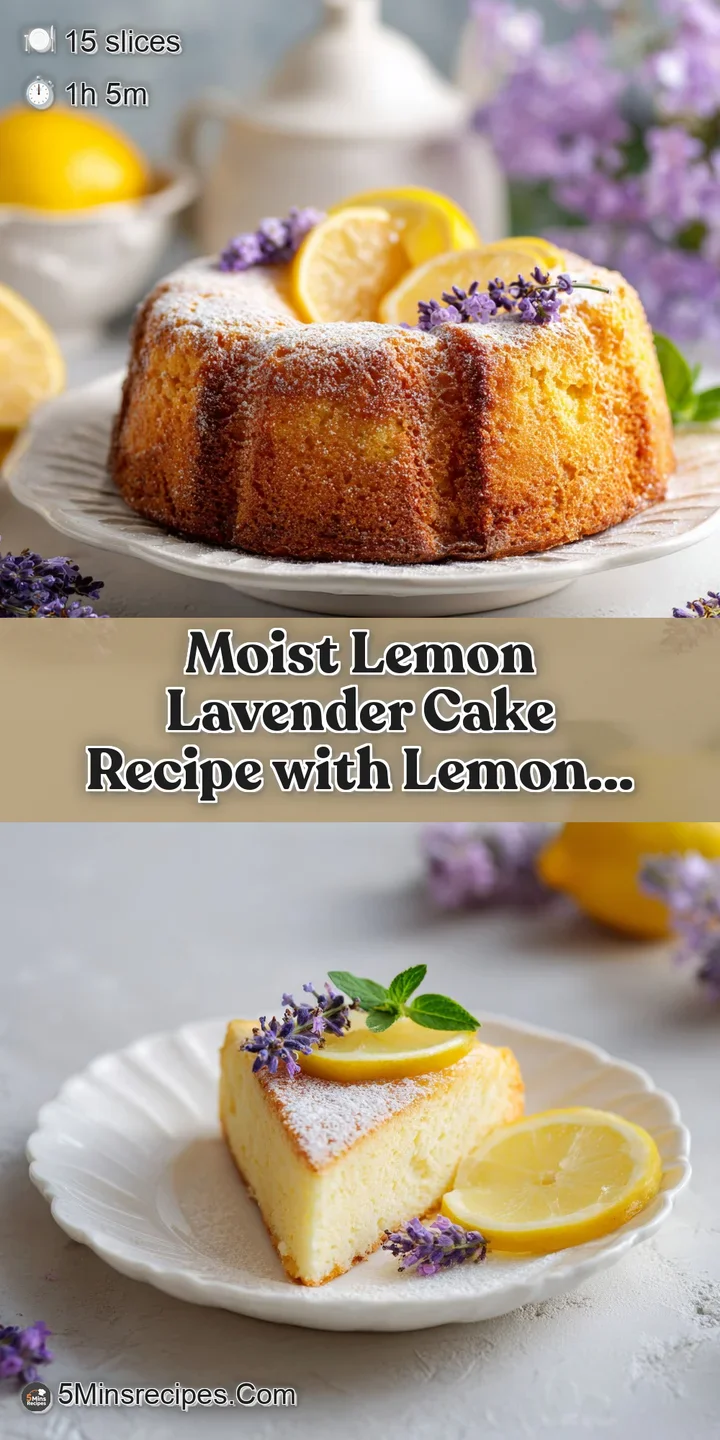
Recipe FAQs
Do lemon and lavender go well together?
Yes, absolutely. Lemon’s bright acidity cuts through the potent, earthy floral notes of lavender, creating a balanced, sophisticated flavor profile.
Does lavender pair well with citrus?
Yes, citrus is one of lavender’s best partners. The sharpness of lemon or grapefruit prevents the lavender from tasting soapy or overly perfumed.
What flavors pair best with lavender?
Vanilla, honey, white chocolate, and bright citrus pair best. These milder, sweeter flavors provide a pleasant backdrop that lets the delicate floral notes shine without competition.
What is the secret to a strong lemon flavor?
Rub the fresh lemon zest directly into the granulated sugar first. This friction releases the essential oils before baking, giving you a much more intense citrus aroma than just adding juice or zest to the wet ingredients alone.
How do I prevent my lavender cake from tasting soapy?
How to make the cake layers perfectly level for stacking?
Can I use oil instead of butter for a moister cake?
Moist Lemon Lavender Cake
Ingredients:
Instructions:
Nutrition Facts:
| Calories | 565 kcal |
|---|---|
| Protein | 4.8 g |
| Fat | 34.6 g |
| Carbs | 93.8 g |
| Fiber | 0.8 g |
| Sugar | 69.4 g |
| Sodium | 215 mg |
