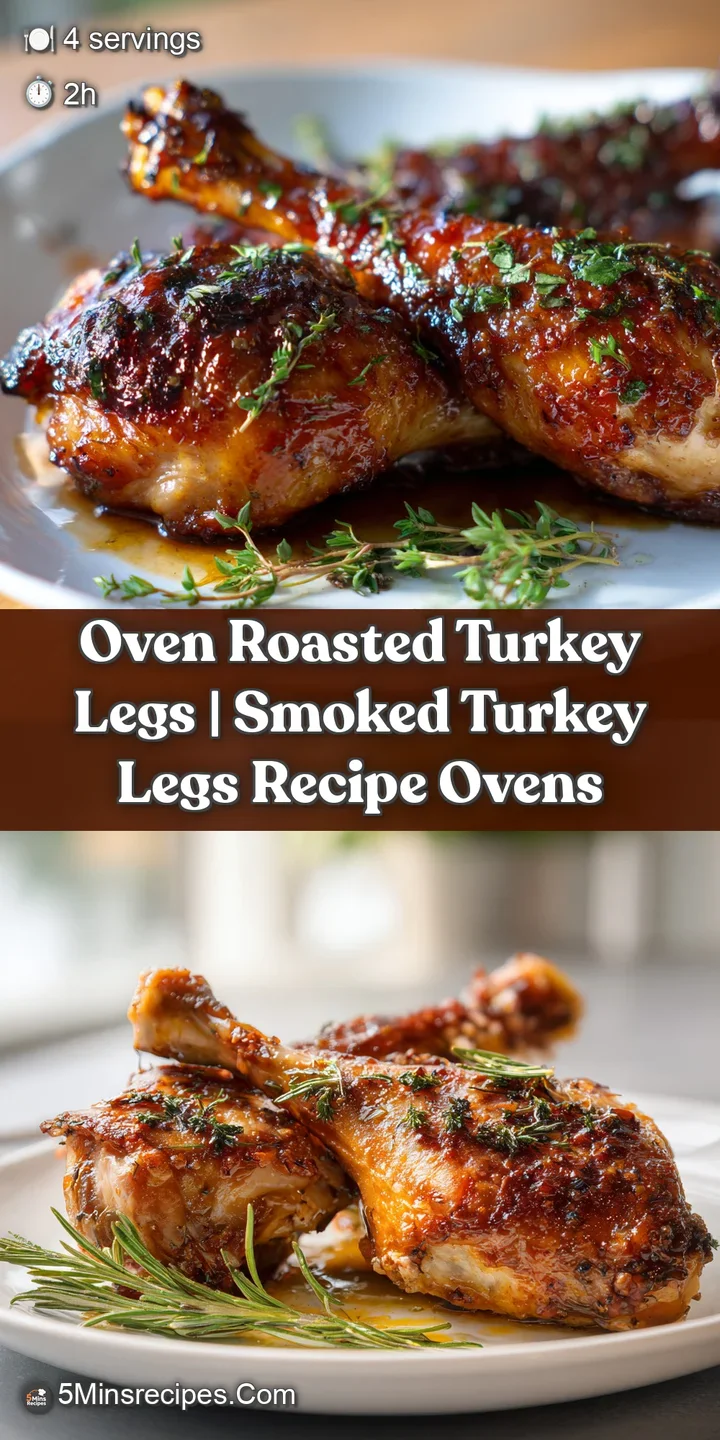
Oven Roasted Turkey Legs
- Time: Active 15 minutes, Passive 1 hours 45 mins, Total 2 hours
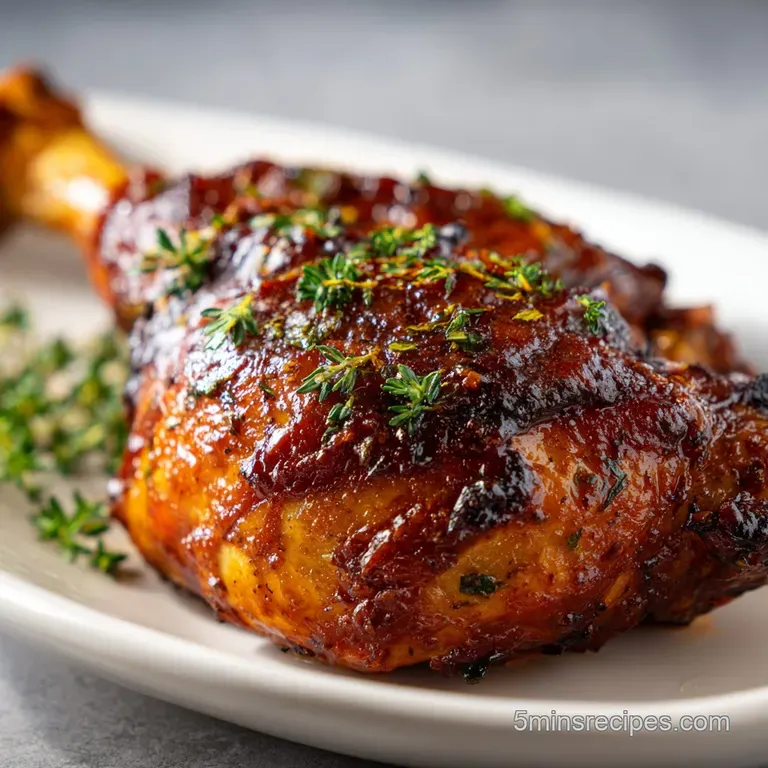
- Flavor/Texture Hook: Smoky sweet mahogany skin with velvety, fall off-the bone dark meat
- Perfect for: Game day crowds, holiday alternatives, or high protein meal prep
- Master Succulent Oven Roasted Turkey Legs
- The Physics of the Render
- Specific Cooking Targets and Metrics
- Selection of Elements for Flavor
- Essential Tools for Busy Cooks
- Executing the Roast and Finish
- Troubleshooting Texture and Doneness
- Easy Flavor Variations
- Scaling for Large Groups
- Debunking Turkey Myths
- Long Term Storage Secrets
- Perfect Sides and Complements
- Very High in Sodium
- Recipe FAQs
- 📝 Recipe Card
Master Succulent oven-roasted Turkey Legs
You know that smell at the state fair? That intoxicating mix of woodsmoke and rendered fat that hits you before you even see the stands? I spent three summers trying to replicate that specific "snap" of the skin without a commercial smoker.
My first attempt was a disaster the skin was like chewing on a rubber band and the meat was so dry I needed a gallon of water just to swallow one bite. It was a classic rookie mistake of cranking the heat too high too fast.
The secret, as I eventually learned from a chef friend who specialized in low and slow proteins, isn't fancy equipment. It’s about how we handle the collagen. Turkey legs are full of these thick, silver tendons that only turn into gelatin if you give them time to melt.
Now, when I pull these out of the oven, the aroma of smoked paprika and toasted garlic fills the whole house, and the meat literally slides off the bone with a gentle tug.
We are going to focus on a dry brine method that draws moisture out of the skin so it can crisp up properly, while the interior stays incredibly juicy. This isn't just a holiday dish; it’s a weekend win when you want something impressive but don't want to spend three hours washing dishes.
Let's get into the mechanics of why this works so you can nail it on the first try.
The Physics of the Render
Collagen Conversion: At temperatures between 160°F and 180°F, tough connective tissues break down into gelatin, creating a velvety mouthfeel.
Maillard Reaction: The brown sugar and smoked paprika react with the protein's amino acids under dry heat to create that signature mahogany crust.
Hygroscopic Action: The salt in the rub pulls moisture to the surface, where it evaporates, allowing the avocado oil to fry the skin from the outside in.
| Thickness | Internal Temp | Rest Time | Visual Cue |
|---|---|---|---|
| Standard (1 lb) | 175°F - 180°F | 10 minutes | Skin is taut and dark; meat pulls away from the bone base |
| Large (1.5 lb) | 175°F - 180°F | 15 minutes | Juices run clear when the thickest part is pierced |
| Jumbo (2 lb+) | 180°F | 20 minutes | Bone rotates easily in the socket |
Unlike a lean breast, dark meat actually tastes better when cooked slightly past the standard 165°F poultry mark. This extra heat ensures those stubborn tendons fully dissolve, much like the process in a Crockpot Turkey Breast Recipe where long exposure to heat creates tenderness. For these legs, hitting 175°F is the sweet spot for texture.
Specific Cooking Targets and Metrics
When you are working with large pieces of dark meat, precision is your best friend. A standard 1 lb leg needs enough time for the heat to penetrate the thickest part of the drumstick without burning the thin skin near the ankle.
I always aim for a weight to time ratio that favors the lower end of the oven spectrum before a final blast of heat.
| Component Analysis | Science Role | Pro Secret |
|---|---|---|
| Smoked Paprika | Color & Phenols | Provides the "smoked" flavor profile without an actual smoker. |
| Brown Sugar | Caramalization | Lowers the temperature at which the skin browns, adding depth. |
| Kosher Salt | Protein Denaturation | Changes the structure of the muscle fibers to trap more juice. |
| Avocado Oil | Heat Transfer | Has a high smoke point (520°F), preventing a bitter, burnt taste. |
If you find yourself with extra turkey meat after a big batch, it works wonders when shredded into a hearty White Bean Turkey recipe for a quick lunch the next day. The smoky spices from the rub actually season the chili base perfectly.
Selection of Elements for Flavor
Getting the right bird is half the battle. Look for legs that have intact skin with no tears; the skin acts as a protective bag that steams the meat while it roasts. If the skin is ripped, the meat underneath will inevitably dry out and turn stringy before the rest of the leg is done.
- 4 large turkey legs (approx. 1 lb each): Look for "A" grade with skin on and bone in. Why this? The bone conducts heat to the center, cooking the meat evenly from within.
- 1 tbsp smoked paprika: Use a high-quality Spanish pimentón. Why this? This is the primary source of that "state fair" red gold color.
- 2 tbsp avocado oil: High smoke point is essential. Why this? It allows for a crisp finish without the oil smoking out your kitchen.
- 1 tbsp brown sugar: Light or dark both work fine. Why this? Balances the salt and helps the skin "shatter" when bitten.
- 2 tsp Kosher salt: Avoid fine table salt here. Why this? Larger grains distribute more evenly and draw out moisture more effectively.
| Original Ingredient | Substitute | Why It Works |
|---|---|---|
| Avocado Oil | Ghee (Clarified Butter) | High smoke point and adds a rich, nutty depth to the skin. |
| Brown Sugar | Maple Syrup | Adds a floral sweetness. Note: Skin will brown much faster; watch closely. |
| Smoked Paprika | Liquid Smoke + Chili Powder | Mimics the woodsy flavor if you only have standard spices. |
Chef's Tip
For the absolute crispest skin, use a handheld hair dryer to blow cold air over the raw, salted turkey legs for 2 minutes before applying the oil. It sounds crazy, but it removes residual surface moisture that even paper towels miss.
Essential Tools for Busy Cooks
We aren't using a smoker or a rotisserie here because most of us don't have that kind of counter space. A simple rimmed baking sheet paired with a wire cooling rack is the "pro move" here.
Lifting the meat off the pan allows hot air to circulate 360 degrees, which prevents the bottom of the turkey from getting soggy and "steamed."
You'll also need a reliable instant read thermometer. I don't trust the "poke test" with turkey; the difference between 160°F (tough) and 175°F (perfect) is impossible to see with the naked eye.
A pair of heavy duty tongs is also helpful for flipping the legs halfway through without tearing that precious skin we worked so hard to season.
Executing the Roast and Finish
- Pat the 4 large turkey legs completely dry with paper towels. Note: Any moisture left on the skin will create steam instead of a crisp crust.
- Mix 2 tsp Kosher salt, 1 tbsp smoked paprika, 1 tbsp brown sugar, 1 tsp garlic powder, 1 tsp onion powder, 0.5 tsp dried thyme, 0.5 tsp dried oregano, 1 tsp pepper, and a pinch of cayenne in a small bowl.
- Coat each leg thoroughly with 2 tbsp avocado oil, ensuring every crevice is covered.
- Massage the spice rub into the skin and, if possible, slide a little under the skin without tearing it.
- Preheat your oven to 350°F (180°C).
- Place the legs on a wire rack set over a baking sheet.
- Roast for 1 hour 30 mins, rotating the pan halfway through. Cook until the skin looks taut and deeply bronzed.
- Increase heat to 400°F (200°C) for the final 15 minutes. Watch for the skin to start sizzling and darkening.
- Remove from oven when the internal temperature hits 175°F.
- Rest for 10 minutes on a cutting board before serving. This allows the juices to redistribute so they don't gush out when you bite in.
Troubleshooting Texture and Doneness
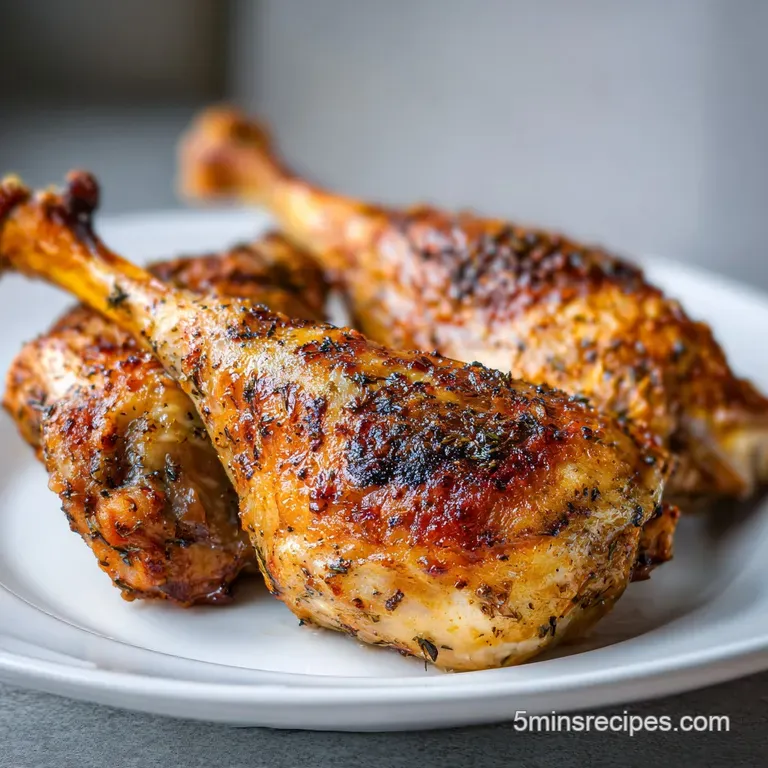
The most common complaint with home cooked turkey is the "rubber band" effect. This happens when the skin doesn't get hot enough to render the fat underneath, or when the meat is pulled too early. If you find the meat is sticking to the bone, it simply needs more time; that collagen hasn't turned to gelatin yet.
Preventing Rubbery Skin
If your skin is soft, the oven humidity was likely too high. Make sure you aren't crowding the pan. If the legs are touching each other, they will trap steam between them. Give them at least two inches of "breathing room" on the rack.
Salvaging Underdone Joints
Sometimes the drumstick looks done, but the meat near the joint is still pink or tough. This is common with extra large legs. Simply tent the legs with foil to prevent further browning and pop them back in for 15 minutes. The foil traps enough heat to finish the interior without burning the exterior.
| Problem | Root Cause | Solution |
|---|---|---|
| Bitter Skin | Spices burnt at high heat | Apply oil over spices or lower top rack position. |
| Dry Meat | Overcooked or skipped resting | Pull at 170°F and let carryover heat reach 175°F. |
| Splotchy Color | Uneven rub application | Mix spices with oil first to create a paste for even coating. |
Common Mistakes Checklist
- ✓ Never skip the "pat dry" step; moisture is the enemy of the crunch.
- ✓ Don't use a flat baking sheet without a rack; the bottom will stay soggy.
- ✓ Avoid checking the oven every 10 minutes; losing heat slows the rendering process.
- ✓ Ensure the brown sugar is fully incorporated to prevent concentrated "burn spots."
- ✓ Always let the meat rest; cutting too soon results in a dry, stringy texture.
Easy Flavor Variations
Copycat State Fair Style
To get that exact State Fair flavor, add 1/2 tsp of liquid smoke to the avocado oil before rubbing the legs. This provides the deep, wood fired essence without needing a backyard smoker. You can also baste them with a mixture of melted butter and a drop of honey during the last 10 minutes of cooking.
Herb and Garlic Focus
If you aren't a fan of the smoky profile, swap the paprika for extra dried sage and rosemary. Rub the meat with crushed garlic cloves and lemon zest. This creates a more traditional "Sunday Roast" vibe that pairs beautifully with mashed potatoes and gravy.
Scaling for Large Groups
UP (2x-4x): If you are cooking 8 to 12 legs, use two separate baking sheets on different oven racks. Switch their positions (top to bottom) halfway through the cook time.
You don't need to quadruple the salt; increase spices to 3x the original amount to avoid an salt overload, as the cumulative surface area doesn't scale linearly with spice needs.
DOWN (½): For just two legs, a small toaster oven actually works incredibly well because the heat source is closer to the skin. Reduce the cook time by about 10 minutes and check the temperature early, as the smaller space stays much hotter and more consistent than a large cavernous oven.
| Method | Time | Texture | Best For |
|---|---|---|---|
| Standard Oven | 1 hour 45 mins | Balanced / Juicy | Family Dinners |
| Air Fryer | 45 minutes | Ultra Crispy | Quick Prep |
| Slow Cooker | 6 hours | Fall apart tender | Shredding / Tacos |
Debunking Turkey Myths
One of the biggest myths is that you must baste turkey every 20 minutes to keep it moist. In reality, every time you open that oven door, the temperature drops significantly, extending the cook time and preventing the skin from ever getting truly crispy.
The fat under the skin does all the basting for you from the inside out.
Another misconception is that pink meat near the bone means it is raw. In young turkeys, the bone marrow can often seep through the porous bones during cooking, leaving a pinkish hue even when the meat is safely cooked to 175°F.
Always trust your thermometer over the color of the meat near the bone.
Long Term Storage Secrets
Storage: Keep leftover legs in an airtight container in the fridge for up to 4 days. If you want to keep the skin somewhat intact, wrap them loosely in foil rather than plastic wrap, which traps moisture and turns the skin into mush.
Freezing: You can freeze cooked turkey legs for up to 3 months. Wrap them tightly in plastic wrap, then a layer of foil. To reheat, thaw overnight in the fridge and pop them back into a 350°F oven for 15 minutes to recrisp the exterior.
Zero Waste: Don't throw away those massive bones! They are packed with marrow and collagen. Toss the stripped bones into a pot with some celery, carrots, and onions to make the richest turkey stock you've ever tasted. It makes a fantastic base for soups or even for cooking rice.
Perfect Sides and Complements
Because these legs are so rich and smoky, they need sides that offer a bit of acidity or brightness to cut through the fat. A sharp, vinegar based coleslaw or a quick pickled red onion salad works wonders. If you want something more comforting, these are the natural partners for a creamy Turkey Cheese Ball recipe served as an appetizer while the main event finishes roasting.
For a full meal, I usually serve these with roasted root vegetables or a citrus heavy green salad. The smoky rub on the turkey loves the sweetness of roasted sweet potatoes or the crunch of a fresh apple and walnut salad.
Right then, you've got the science, the steps, and the secrets it's time to get those legs in the oven and enjoy that incredible aroma!
Very High in Sodium
1165 mg mg of sodium per serving (51% of daily value)
The American Heart Association recommends limiting sodium intake to approximately 2,300mg per day for optimal health.
Simple Swaps for a Lower Sodium Turkey Leg Feast
-
Reduce Added Salt-25%
The recipe uses 2 tsp of Kosher salt. Reduce the amount of salt by half, using just 1 tsp, or eliminate it completely and adjust to taste after cooking. This can significantly reduce the sodium content. Also consider using a sodium free salt substitute after cooking to taste.
-
Choose Unprocessed Turkey-15%
Ensure the turkey legs are fresh and unprocessed, without any added sodium solutions. Check the packaging carefully for words such as 'enhanced' or 'self basting,' which often indicate added salt. Source your turkey legs from a local butcher and ask them how they are processed.
-
Cut Back on Brown Sugar-5%
Reduce the amount of brown sugar from 1 tbsp to 0.5 tbsp, or eliminate entirely. While it doesn't contribute sodium directly, it does affect the overall flavor profile, and reducing it might help compensate for less salt.
-
Spice It Up
Enhance flavor with fresh or dried herbs and spices! Increase the other spices like smoked paprika, garlic powder, onion powder, thyme, oregano, black pepper, and cayenne pepper to boost the flavor without adding sodium.
Recipe FAQs
What is the best way to cook turkey legs?
Use a dry brine followed by slow roasting on a wire rack. This technique ensures the internal temperature reaches 175°F for maximum collagen breakdown while allowing air circulation around the skin for crispness.
How long do turkey legs go in the oven?
A standard 1 lb leg typically requires 1 hour 45 minutes total cook time at 350°F. Always verify doneness using a thermometer, aiming for an internal temperature of 175°F in the thickest part of the meat.
Are turkey legs a ham?
No, turkey legs are poultry dark meat, not cured pork like ham. While they are both rich, flavorful meats, ham requires a curing process involving nitrites, which turkey legs do not undergo in this preparation method.
Should you cook turkey at 350 or 325?
Start at 350°F, then increase to 400°F for the final 15 minutes for optimal skin rendering. Cooking too low (like 325°F) risks preventing the skin from achieving its maximum shatter, although it will still cook the interior meat thoroughly.
How can I guarantee crispy skin on my turkey legs?
Pat the skin completely dry and roast the legs on a wire rack over a baking sheet. The combination of dry skin and 360-degree air exposure is crucial; opening the oven frequently will trap humidity and result in soft skin.
Why is my turkey leg meat still tough near the bone?
The meat is tough because the internal temperature hasn't reached the necessary point (175°F) to convert tough collagen into smooth gelatin. If you've hit the target temperature, try adding them to a slow cooker for a few more hours, similar to how we break down connective tissue in a Slow Cooker Crack recipe.
What is the best way to reheat leftover turkey legs without drying them out?
Reheat covered in a 350°F oven for 15 minutes, or place them in a covered slow cooker on low. Covering them traps steam to reintroduce moisture; you can uncover them for the last 5 minutes if you wish to attempt re-crisping the skin slightly.
Oven Turkey Legs Recipe
Ingredients:
Instructions:
Nutrition Facts:
| Calories | 462 kcal |
|---|---|
| Protein | 51.2g |
| Fat | 26.4g |
| Carbs | 3.8g |
| Fiber | 0.6g |
| Sugar | 3.1g |
| Sodium | 1165mg |
