Poached Eggs: Silky Whites & Liquid Gold
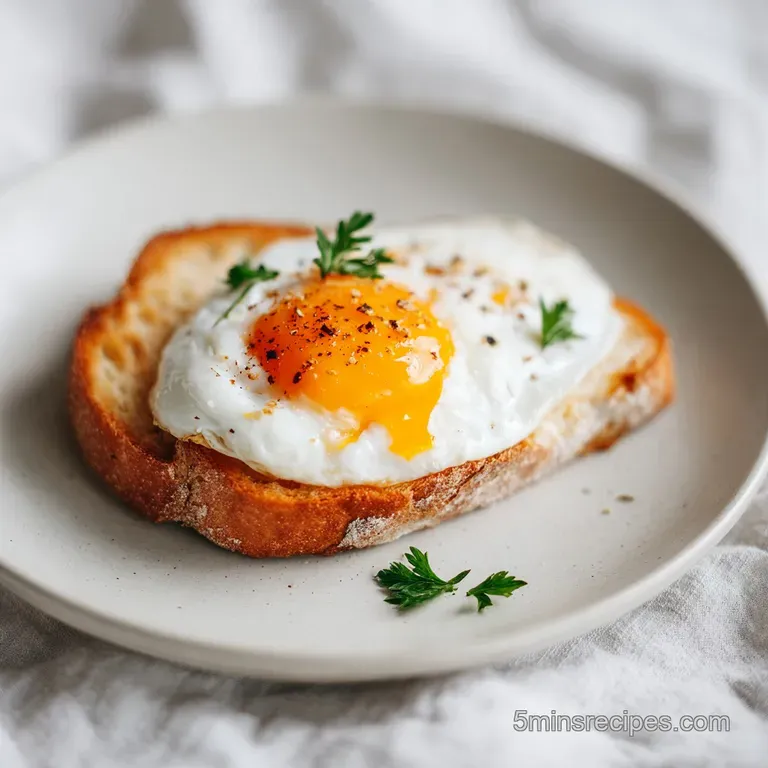
- Time: Active 2 min, Passive 4 min, Total 6 min
- Flavor/Texture Hook: Silky, tender whites with a warm, flowing center
- Perfect for: Busy weekday mornings or stress free Sunday brunch
- Why This No Fail Method Works
- Quick Specs for Busy Mornings
- Ingredient Deep Dive and Science
- Essential Tools for Egg Success
- Step-by-Step Cooking Guide
- Solving Common Poaching Problems
- Flavorful Variations to Try
- Storage and Reheating Tips
- Serving Suggestions for Every Meal
- Debunking Poaching Myths
- Recipe FAQs
- 📝 Recipe Card
Why This No Fail Method Works
Making Poached Eggs this way isn't just about convenience; it's about controlling the environment. When you use a poacher, you're essentially creating a humid micro climate that cooks the egg from all sides simultaneously.
- Protein Stabilization: The steam environment provides a constant 212°F (100°C) temperature, allowing the egg proteins to denature and bond without the physical turbulence of bubbling water tearing them apart.
- Thermal Buffering: The metal or silicone cup acts as a shield, preventing the exterior of the white from toughening before the interior reaches the ideal temperature.
- Moisture Retention: Unlike frying, where moisture escapes into the air, the trapped steam keeps the surface of the egg hydrated and supple.
The Physics of the Steam Bath
The secret lies in the heat transfer of water vapor. Steam carries significantly more energy than liquid water at the same temperature, which is why it cooks the egg whites so efficiently from the top down while the bottom simmer cooks them through the cup.
| Egg Doneness | Cook Time | Visual Cue | Best For |
|---|---|---|---|
| Runny | 3 mins | Whites set, yolk wobbles | Toast dipping |
| Jammy | 4 mins | Whites firm, yolk thickens | Avocado toast |
| Medium | 5 mins | Yolk edges start to set | Salad topping |
| Hard | 6 mins | Yolk is fully opaque | English muffins |
Cooking for a crowd? It’s much easier to scale this than the traditional swirl method. If you’re looking for a different texture, you might find my Scrambled Eggs recipe a great alternative for those mornings when you want soft, creamy curds instead of a liquid yolk.
Quick Specs for Busy Mornings
This recipe is designed for the high speed parent. We aren't looking for Michelin stars here; we’re looking for a hot, nutritious meal that doesn't leave the kitchen looking like a crime scene.
Component Analysis
| Ingredient | Science Role | Pro Secret |
|---|---|---|
| Large Grade A Eggs | Structural Protein | Use cold eggs; they hold their shape better in the cup |
| Neutral Oil | Boundary Lubricant | Use a silicone brush to get into the cup's "shoulders" |
| Water | Heat Conductor | Filtered water prevents mineral buildup in your pan |
| Sea Salt | Flavor Enhancer | Salt the yolk after cooking to prevent white spots |
Getting the right "slide" is all about that 1 tsp of neutral oil or butter. I’ve tried skipping it in "non stick" cups, and trust me, don't even bother. You'll end up scrubbing egg remnants out of the corners for twenty minutes.
A quick wipe with a paper towel dipped in oil makes the egg glide out like it’s on ice.
Ingredient Deep Dive and Science
You only need four basic items for these Poached Eggs, but the quality of each matters more than you’d think.
- 2 Large Grade A Eggs: Freshness is king. As eggs age, the proteins in the "thick" white break down, becoming thin and watery. If your eggs are a week old, you might notice a bit more liquid on top of the cooked egg.
- Substitute: Liquid egg whites (1/4 cup per egg). Why this? Good for low cholesterol diets, though you lose the yolk.
- 1 tsp neutral oil or butter: This creates a hydrophobic barrier between the egg and the poacher cup.
- Substitute: Cooking spray. Why this? Faster application, but can leave a sticky residue over time.
- 2 cups water: This is for the pan, not the egg itself.
- Substitute: Chicken broth. Why this? Adds a savory aroma to the steam, though flavor transfer is minimal.
- 1 pinch sea salt: For finishing.
- Substitute: Smoked paprika. Why this? Adds depth and a beautiful color contrast to the white.
Chef's Tip: Freeze your butter for 10 minutes then grate a tiny dusting into the poacher cups. It creates a "flavor pocket" that seasons the bottom of the egg while providing the perfect non stick surface.
Essential Tools for Egg Success
You don't need a pantry full of gadgets, but a specific eggs egg poacher setup makes this foolproof. I personally use a stainless steel insert that fits right into my everyday skillet.
- A 10 inch Skillet with a Tight Lid: The lid is non negotiable. If steam escapes, the tops of your eggs will stay raw while the bottoms turn to rubber.
- Egg Poaching Insert or Cups: Whether it's the standalone silicone pods or the metal tray style, make sure they are clean and dry before you oil them.
- A Small Silicone Spatula: This is the best tool for gently loosening the edges if the egg feels a bit shy about leaving the cup.
If you’re wondering about the difference between this and the classic method, here’s a quick breakdown.
| Feature | Fast (Poacher) | Classic (Vortex) |
|---|---|---|
| Success Rate | 99% | 60% (skill dependent) |
| Cleanup | Easy (cups only) | Messy (stray whites in pan) |
| Shape | Uniform/Round | Organic/Wispy |
step-by-step Cooking Guide
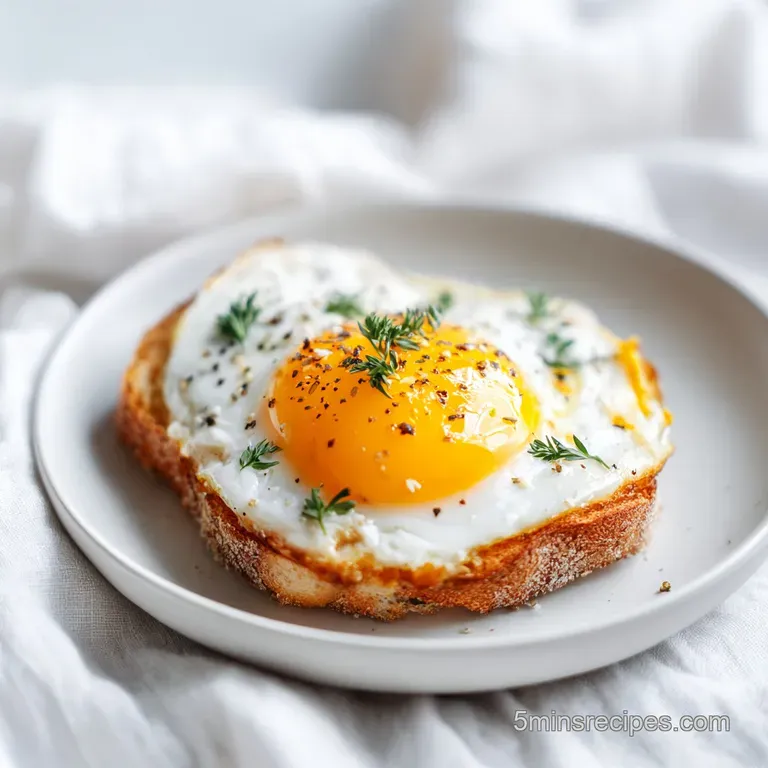
Ready to get started? Let’s break down the flow. This is a 6 minute process from start to finish.
1. Prepping the Steam Base
Add the 2 cups of water to your skillet. Bring it to a gentle simmer over medium heat. You’re looking for "shrimp eyes" those tiny bubbles that dance on the bottom not a rolling, violent boil.
2. The Gentle Slide
While the water heats, take your 1 tsp of neutral oil or butter and thoroughly coat the inside of two poaching cups. Crack each of the 2 Large Grade A Eggs into a small ramekin first. This lets you check for shells and ensures a smooth, centered drop into the poaching cup.
Slide the eggs into the cups gently.
3. The Sensory Finish
Place the poaching tray or pods into the simmering water. Cover immediately with the lid. Set your timer for 4 minutes. Bake under the lid until the whites are opaque and the yolk is veiled in a thin, translucent film.
4. Extraction
Carefully lift the tray out. Use a spoon or small spatula to nudge the egg. It should slide out effortlessly onto your plate.
5. Final Touch
Add your 1 pinch sea salt right at the end. Serve immediately while the steam is still rising.
For a fun twist, this pairs beautifully with a Mexican Breakfast Dish recipe if you want to swap out the scrambled style for a poached topper over spicy chorizo.
Solving Common Poaching Problems
Even with a poacher, things can go sideways if the heat is too high or the eggs are a bit older.
Why are my yolks turning hard?
This is almost always due to carryover cooking. Because the poaching cup holds heat, the egg continues to cook even after you lift the tray out of the water.
How do I prevent the egg from sticking?
If your eggs are sticking despite the oil, your water might be boiling too hard, splashing into the cups and washing away the fat barrier. Keep the water at a steady simmer.
| Problem | Root Cause | Solution |
|---|---|---|
| Rubbery Texture | Heat too high/Too long | Reduce heat; pull 30 seconds earlier |
| Watery Top | Steam condensation | Tilt lid away when opening |
| Tough Bottoms | Water level too low | Ensure water touches the bottom of the cup |
Common Mistakes Checklist ✓ Always grease the cups, even if they claim to be non stick. ✓ Use cold eggs straight from the fridge to help the yolk stay centered. ✓ Don't peek! Opening the lid lets the steam out and drops the temperature.
✓ Dry the bottom of the poaching cup before plating to avoid "puddle toast." ✓ Let the water reach a simmer before adding the eggs.
Flavorful Variations to Try
Once you've mastered the basic Poached Eggs, you can start getting creative. The poacher is actually a great vessel for adding flavors directly to the egg.
- The Spicy Chili Crunch Twist: Add a tiny drop of chili crisp to the bottom of the oiled cup before dropping the egg in. The heat will infuse into the white as it sets.
- dairy-free "Butter" Glide: Use a high-quality vegan butter or even a drop of toasted sesame oil for a nutty, aromatic finish that feels incredibly decadent.
- The "Nesting" Technique: Place a single baby spinach leaf in the bottom of the cup. The steam will wilt the spinach into a little "nest" for the egg.
Microwave Poached Eggs for Office Mornings
If you're at work and only have a microwave, you can still get your fix. Use a microwave safe mug with 1/2 cup of water and a dash of salt. Crack the egg in, prick the yolk with a toothpick (this is vital so it doesn't explode!), and heat on high for 45-60 seconds.
It’s not quite as velvety as the stovetop version, but it beats a vending machine snack any day.
For more inspiration on quick starts, check out this Breakfast Idea with recipe which is perfect for those "I have zero time" mornings.
Storage and Reheating Tips
Believe it or not, you can make Poached Eggs ahead of time. Professional kitchens do this for brunch service all the time to keep the line moving.
- Storage: Immediately after cooking, drop the poached eggs into a bowl of ice water. This stops the cooking process. You can keep them in a sealed container in the fridge for up to 2 days.
- Reheating: When you're ready to eat, drop the cold eggs into a bowl of hot (not boiling) water for 1-2 minutes until they are warmed through.
- Zero Waste: If you have leftover poaching water, don't just dump it! It’s essentially "egg tea" full of some minor proteins. Let it cool and use it to water your indoor plants; they’ll love the extra nutrients.
Serving Suggestions for Every Meal
The beauty of a poached egg is its versatility. It’s the "little black dress" of the kitchen.
- The Classic Avocado Foundation: Thick cut sourdough, smashed avocado with lime, and a perfectly timed egg on top.
- The Grain Bowl: Place your egg over a bed of quinoa, roasted sweet potatoes, and kale. When you break the yolk, it creates a natural, velvety sauce for the vegetables.
- Polenta Power: A soft, cheesy bowl of polenta topped with an egg and a flurry of Parmesan cheese is the ultimate comfort food.
- DOWN (1 serving)
- Use a single cup and reduce the water in the skillet to 1 cup to reach simmer faster.
- UP (4-8 servings)
- Use a multi hole poaching pan or work in two batches. If working in batches, keep the first set in a warm water bath (about 120°F or 50°C) to keep them at serving temp without overcooking.
- Baking Style (Large Batches)
- If you need 12 eggs at once, use a muffin tin. Put 1 tbsp of water in each well, drop the eggs in, and bake at 350°F (180°C) for about 10-12 mins.
Debunking Poaching Myths
There’s so much "gatekeeping" around how to poach an egg. Let’s clear the air on a few things that people usually get wrong.
First, you do not need vinegar if you are using an eggs egg poacher. The vinegar’s job is to help the whites coagulate faster in a big pot of water so they don't spread.
Since the poacher cup contains the egg physically, vinegar is completely optional and often just makes your kitchen smell like a salad.
Second, the "freshness test" where you look for the floaters is helpful, but even an older egg can be salvaged. If you’re worried about watery whites, crack the egg into a fine mesh sieve first.
Let the thin, watery part of the white drain away for 30 seconds, then put the remaining "thick" egg into your poaching cup. You'll get a much cleaner, more professional looking result.
Finally, don't believe the myth that you need specialized "poaching water." Plain tap water works perfectly fine. The magic is in the temperature and the seal of your lid, not the pH balance of the liquid underneath the tray.
Stick to the basics, keep your eye on the timer, and you'll have a café quality breakfast every single time. Now, go find those soccer socks!
Recipe FAQs
How do I poach eggs in an egg poacher?
Grease the cups lightly with oil or butter, then gently slide the cracked eggs into the cups. Place the cups into a skillet containing 1-2 inches of simmering water, cover tightly, and steam for 3-5 minutes depending on desired doneness.
What are common mistakes when poaching eggs?
The most common mistakes involve overheating the water or opening the lid too often. Boiling water makes the whites tough, and opening the lid releases steam, causing uneven cooking temperatures inside the cup.
Is it worth buying an egg poacher?
Yes, if consistency is your primary goal. An egg poacher removes the skill element of the traditional vortex method, delivering uniform, round eggs with minimal cleanup, making it ideal for regular use.
Why do you put vinegar in the water when you're poaching eggs?
No, vinegar is unnecessary when using a poacher. Vinegar’s purpose in traditional stovetop poaching is to quickly lower the water pH, forcing the loose egg whites to coagulate rapidly around the yolk before they dissipate.
Can I poach eggs ahead of time?
Yes, you can prepare them in advance for service. Immediately plunge the cooked eggs into ice water to stop the cooking process, then store them in the refrigerator for up to two days before reheating them briefly in hot water.
Should I use thick eggs or thin eggs in the poacher?
Always aim for the freshest, thickest eggs available. As eggs age, the outer white thins out, which can sometimes lead to wispy bits escaping the cup or sticking to the surface during the steaming process.
Do I need to stir the water while using an egg poacher?
No, stirring is counterproductive with a poacher tray. Since the eggs are contained in cups above the water, you only need to ensure the water below maintains a gentle simmer (shrimp eyes) and doesn't boil violently.
Poached Eggs In 6 Minutes
Ingredients:
Instructions:
Nutrition Facts:
| Calories | 89 kcal |
|---|---|
| Protein | 6.3 g |
| Fat | 6.7 g |
| Carbs | 0.4 g |
| Fiber | 0 g |
| Sugar | 0 g |
| Sodium | 120 mg |
