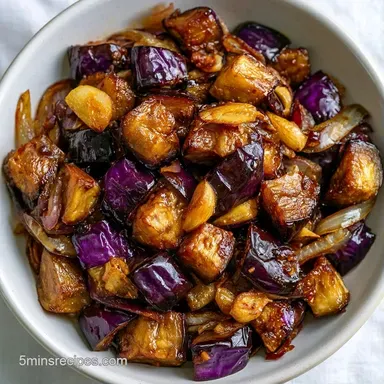
15 Minute Sauteed Eggplant with Garlic: Savory
- Time: 10 min prep + 15 min cook
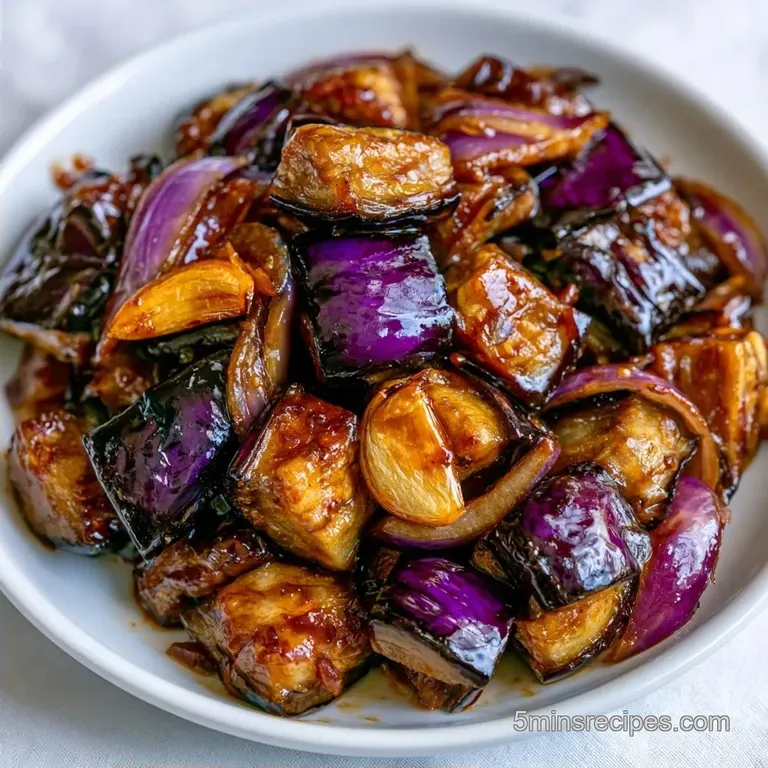
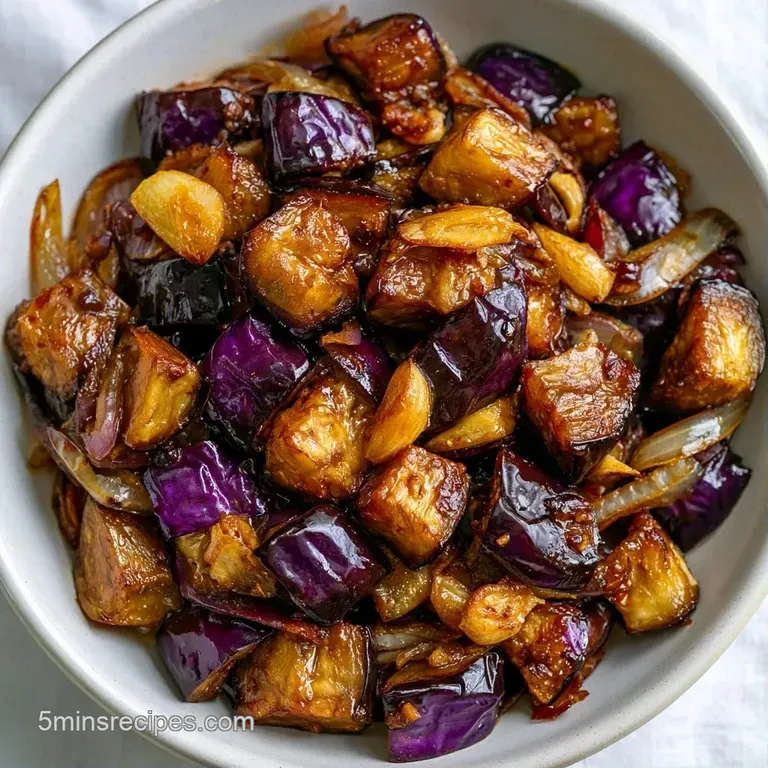
- Flavor/Texture Hook: Mahogany brown edges with a glossy, savory glaze
- Perfect for: A fast weeknight side or a vegan meal prep option
- 15 Minute Sauteed Eggplant with Garlic
- Recipe Specs
- One Step for Better Texture
- Ingredient Deep Dive
- Necessary Kitchen Gear
- Cooking Steps
- Fixing Common Issues
- Troubleshooting Common Issues
- Customizing the Flavor
- Scaling Guidelines
- Debunking Eggplant Myths
- Storage and Waste
- Plating Your Dish
- Recipe FAQs
- 📝 Recipe Card
15 Minute Sauteed Eggplant with Garlic
Listen for that first high pitched sizzle when the eggplant hits the hot oil. That sound means you're doing it right. For years, I believed the myth that eggplant had to be an oil soaked sponge or a mushy mess to taste good. I thought you needed hours of soaking or deep frying to get a decent result.
I was wrong. You don't need a gallon of oil or a whole afternoon to get great results. The trick is a quick salt sweat and a very hot pan.
You'll love this quick and flavorful 15 Minute Sauteed Eggplant with Garlic. It's designed for those nights when you want something that tastes like a restaurant side but only have a few minutes before the main course is ready.
Recipe Specs
This dish relies on speed and heat. I focus on a professional flow: prep everything first, then hit the stove and don't stop until it's plated.
The goal is a contrast in textures. You want the outside of the cubes to have a slight chew and the inside to be creamy. Because we use Chinese or Japanese eggplant, the skins are thinner, meaning they soften faster and don't need peeling.
If you're serving this as part of a larger meal, it pairs well with a starch. Since this has a strong savory profile, a simple steamed rice or a light noodle works best.
One Step for Better Texture
The biggest hurdle with eggplant is its porous nature. According to Serious Eats, salting helps break down the internal structure and expel water.
The Salt Sweat: Salt draws moisture out of the cells. This prevents the eggplant from absorbing too much oil and helps it brown faster.
High Heat Sear: Cooking on medium high creates a quick crust. This skin acts as a barrier, keeping the interior tender while the outside gets those dark, caramelized edges.
| Fresh Eggplant | Frozen Cubes | Impact | Savings |
|---|---|---|---|
| Firm, fresh bite | Softer, wetter | Loss of sear | 2-3 dollars |
| Better color | Pale grey/brown | Less flavor | 5 mins prep |
Ingredient Deep Dive
Each part of this recipe serves a specific purpose. We aren't just adding things for the sake of it.
| Ingredient | What It Does | Best Swap |
|---|---|---|
| Chinese Eggplant | Main structure | Japanese Eggplant |
| Soy Sauce | Umami and salt | Tamari or Coconut Aminos |
| Sesame Oil | Nutty aroma | Toasted Walnut Oil |
| Fresh Ginger | Bright, spicy heat | 1/2 tsp Ground Ginger |
Necessary Kitchen Gear
You don't need a fancy setup for this. A large stainless steel or cast iron skillet is the best choice because they hold heat better than non stick pans. A wide surface area is key so the eggplant isn't crowded.
I also recommend using a sturdy spatula. You'll need to press the cubes down slightly to ensure maximum contact with the heat. A simple bowl for the salting process and a few paper towels are the only other essentials.
Cooking Steps
Follow this flow for the best results. Don't rush the drying phase, or you'll end up steaming the vegetables.
- Toss the eggplant cubes with kosher salt in a bowl and let them sit for 5-10 minutes, then use a paper towel to pat them completely dry. Note: This removes the surface moisture that prevents browning.
- Heat the avocado oil in a large skillet over medium high heat until it shimmers.
- Add the eggplant in a single layer and cook undisturbed for 3-4 minutes until the bottoms are mahogany colored.
- Stir and cook for another 4-5 minutes until all sides are golden and tender.
- Reduce heat to medium. Push the eggplant to the sides of the pan and add the diced onion and ginger to the center; sauté for 2 minutes until translucent.
- Stir in the sliced garlic and cook for 45-60 seconds until fragrant.
- Pour in the soy sauce and sesame oil, tossing everything together for 1 minute until the glaze is glossy and coats every cube.
- Garnish with thinly sliced green onions before serving.
Chef's Tip: If your pan isn't huge, cook the eggplant in two batches. If you crowd the pan, the temperature drops, and the eggplant will release water and turn mushy.
Fixing Common Issues
Even with a plan, things can go sideways. Usually, it comes down to heat management or moisture.
Troubleshooting Common Issues
| Issue | Solution |
|---|---|
| Why Your Eggplant Is Mushy | This happens when the vegetables are too crowded in the pan. Instead of searing, they steam in their own juices. Make sure there is space between the cubes. |
| Why Your Garlic Burned | Garlic has a low burn point. If you add it with the onions, it will turn bitter and black before the onions are soft. Always add the garlic in the final minute of the aromatic stage. |
| Why It Feels Too Oily | If you don't pat the eggplant dry after salting, the water and oil create a mess. The salt pulls the water out, but that water stays on the surface until you wipe it away. |
Customizing the Flavor
This recipe is a great base. You can easily shift the flavor profile depending on what's in your pantry. For a spicy kick, add a teaspoon of Sriracha or chili garlic sauce when you add the soy sauce.
If you want a nuttier finish, toss in some toasted sesame seeds or crushed peanuts at the very end. For those who love a rich, creamy element, a drizzle of my Garlic Parmesan Sauce on the side adds a nice contrast.
If you prefer something with a bit more acidity, a splash of rice vinegar right before serving brightens the whole dish. It cuts through the richness of the sesame oil.
For a Spicy Kick
Add sliced red chilies with the ginger.
For a Nutty Crunch
Top with toasted almonds.
For a Mediterranean Twist
Swap soy for balsamic glaze and use dried oregano.
Scaling Guidelines
Adjusting the volume requires a few tweaks to the technique. You can't just double everything and expect the same result.
Scaling Down (1/2 batch): Use a smaller 8 inch skillet. Reduce the total cook time by about 20% since there's less mass to heat up. Use a small bowl to mix your soy and sesame oil first to ensure they blend.
Scaling Up (2x-4x batch): This is where people fail. Do NOT put 4 lbs of eggplant in one pan. Work in batches. Sear the eggplant cubes in three or four separate rounds, remove them to a plate, and then combine them all at the end when you add the aromatics and glaze.
Only increase the salt and spices to 1.5x the original amount to avoid over seasoning.
If you're making a massive amount, you can roast the cubes in the oven at 400°F (200°C) for 20 minutes first, then toss them in the skillet with the garlic and soy sauce to finish.
Debunking Eggplant Myths
You might have heard that you need to soak eggplant in salt water for an hour to remove bitterness. That's outdated. Most modern Chinese and Japanese varieties aren't bitter. A 10 minute sweat is plenty.
Another myth is that eggplant "absorbs" oil like a sponge and you can't stop it. As long as you salt them and use a high smoke point oil like avocado oil, the eggplant sears. This creates a barrier that keeps the interior creamy without becoming a grease trap.
Storage and Waste
Store leftovers in an airtight container in the fridge for up to 3 days. The texture will soften slightly, but it's still great. When reheating, use a skillet over medium heat for 3 minutes rather than a microwave. This helps bring back some of the sear.
Avoid freezing this dish. The high water content of the eggplant causes it to collapse and become watery upon thawing.
To reduce waste, save your onion skins and any eggplant stems in a freezer bag. Once the bag is full, simmer them with water and a few peppercorns to make a basic vegetable stock.
Plating Your Dish
To make this look as good as it tastes, use a shallow wide bowl. Pile the eggplant in the center so the mahogany edges are visible.
Scatter the green onions generously over the top for a pop of bright green. If you have a bottle of toasted sesame oil, one tiny extra drop on top just before serving enhances the aroma. This side dish pairs beautifully with a Quick Pasta Sauce if you're using the eggplant as a topping for noodles.
Recipe FAQs
How to fry eggplant without it getting soggy?
Avoid crowding the pan. Leave enough space between the cubes so they sear in the oil rather than steaming in their own juices.
How to fry eggplant without soaking up a lot of oil?
Toss cubes with kosher salt and pat them completely dry. This draws out moisture and closes the pores, preventing the eggplant from acting like a sponge.
How to get eggplant cubes crispy and mahogany colored?
Cook them undisturbed for 3-4 minutes. Flipping too often prevents the sugars from caramelizing. If you enjoyed mastering the sear here, the same high heat technique is used in our teriyaki chicken to create glazed crispy bites.
How to prevent the garlic from burning?
Add sliced garlic only after the onions have sautéed for 2 minutes. Garlic has a low burn point and only needs 45-60 seconds to become fragrant.
Can I use white eggplant instead of Chinese or Japanese varieties?
Yes, you can. Just ensure you follow the salting and drying steps to maintain the correct texture regardless of the variety.
How to reheat sautéed eggplant without it becoming mushy?
Reheat in a skillet over medium heat for 15 minutes. Avoid using a microwave, as it breaks down the structure and makes the cubes watery.
What is the best way to serve sautéed eggplant as a snack?
Garnish with thinly sliced green onions and serve immediately. This keeps the glaze glossy and the edges of the cubes tender crisp.
Sauteed Eggplant With Garlic