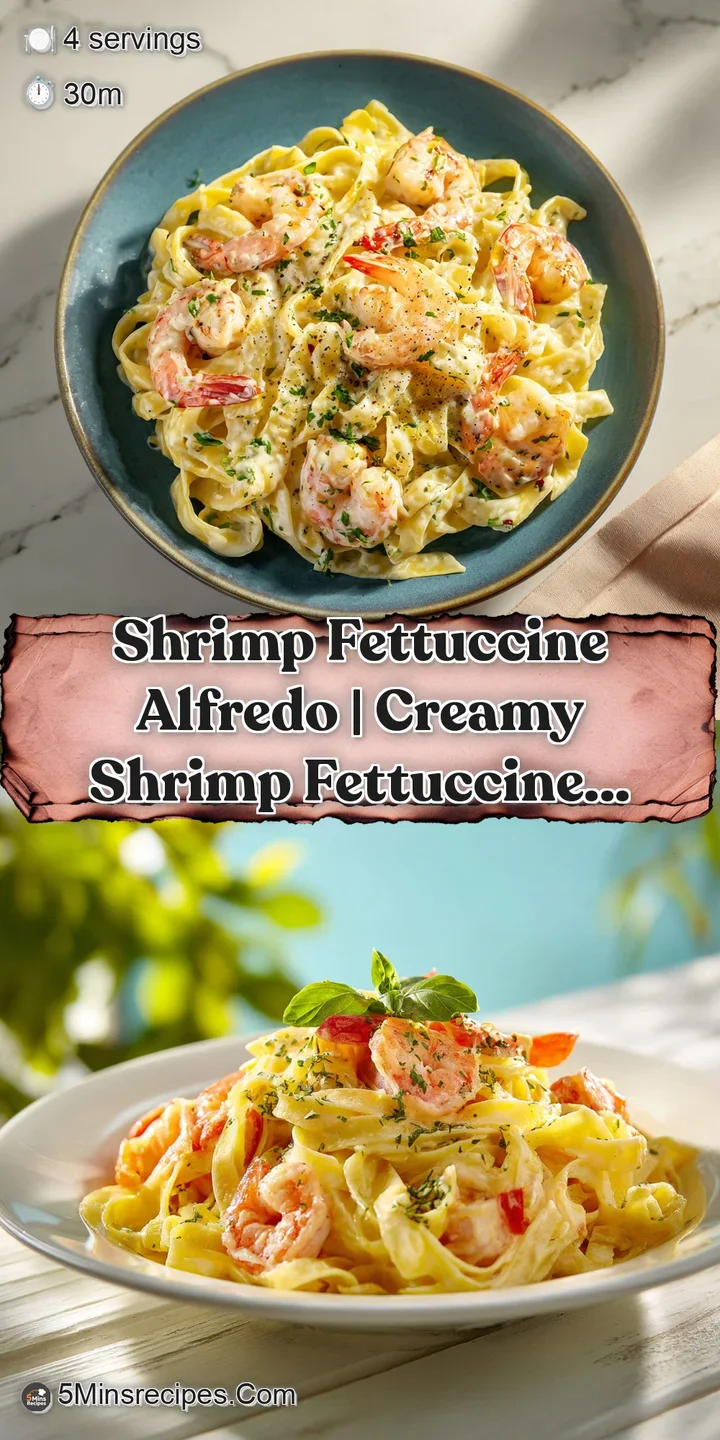
Shrimp Fettuccine Alfredo: Silky and Pan-Seared
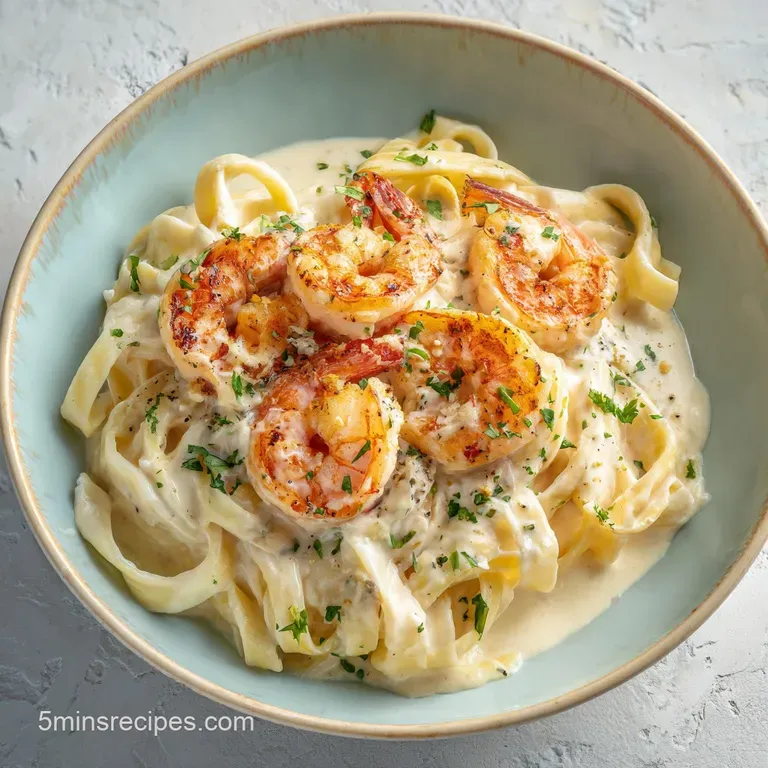
- Time: Active 10 minutes, Passive 20 minutes, Total 30 minutes
- Flavor/Texture Hook: Silky, garlic kissed cream paired with snap tender seared shrimp
- Perfect for: High end weeknight dinners or impressive date nights
- Mastering Velvety Shrimp Fettuccine Alfredo
- Why the Texture Stays Silky
- Component Deep Dive
- Quick Specs for a 30 Minute Meal
- Tools Required for Faster Cooking Results
- Step by Step Cooking Process Instructions
- Troubleshooting Sauce and Texture Issues
- Customizing Flavors and Regional Variations
- Storing and Reheating Your Leftover Pasta
- Best Side Dishes for Seafood Pasta
- Myths About Creamy Pasta
- Very High in Sodium (🚨)
- Recipe FAQs
- 📝 Recipe Card
Mastering Velvety Shrimp Fettuccine Alfredo
Have you ever wondered why some pasta sauces feel like a warm hug while others just slide off the noodles and pool at the bottom of the bowl? It usually comes down to one tiny, often ignored liquid: that cloudy, salty water you usually pour down the drain.
The first time I realized that pasta water was basically "liquid gold" for my Shrimp Fettuccine Alfredo, my entire approach to Italian American cooking changed. It is the secret handshake between the fat in the cream and the starch on the pasta.
We are going for a texture that is nothing short of velvety. You want that sauce to be thick enough to coat a spoon but fluid enough to swirl effortlessly around your fork. When you hit that sweet spot, the aroma of nutty Parmesan and sautéed garlic fills the kitchen, making it nearly impossible to wait for the shrimp to finish searing.
This isn't just about mixing ingredients, it's about managing heat and timing to ensure everything hits the plate at the peak of its silkiness.
Right then, let's talk about the shrimp. We aren't boiling them in the sauce until they turn into rubbery little erasers. We are giving them a fast, aggressive sear to get those crispy, paprika stained edges while keeping the centers tender and sweet.
It is a professional move that adds a layer of complexity you won't find in a standard jarred sauce. Trust me, once you see how the heavy cream reduces and thickens into a glossy glaze, you will never go back to the pre made stuff again.
Why the Texture Stays Silky
Starch Suspension: Reserved pasta water contains released starches that act as a natural binder, preventing the butter and cream from separating into a greasy mess.
Cheese Dispersion: Adding the Parmesan cheese one handful at a time at a low temperature allows the proteins to melt smoothly rather than clumping into a rubbery ball.
Protein Snap: Searing the shrimp separately at high heat triggers a fast surface cook, locking in moisture before the interior can overcook and become tough.
Fat Reduction: Simmering the heavy cream for exactly 3–5 minutes evaporates excess water, concentrating the fat molecules for a much richer mouthfeel.
| Method | Time | Texture | Best For |
|---|---|---|---|
| Stovetop Sear | 3 minutes | Snap tender with crust | Maximum flavor and speed |
| Poached in Sauce | 5 minutes | Soft and uniform | Lower fat, gentler texture |
| oven-roasted | 8 minutes | Firm and concentrated | Large batches/meal prep |
If you are looking to save a bit of money on the protein side without sacrificing that coastal vibe, you might consider using frozen shrimp or even swapping in a different seafood. If you love a bit of zest with your seafood, you could even try incorporating elements from my Butter Shrimp with Lemon recipe to give this pasta a brighter, citrusy finish. Using frozen shrimp is a great budget move, just make sure they are fully thawed and patted bone dry before they hit the pan to ensure you get that beautiful sear.
Component Deep Dive
| Ingredient | Science Role | Pro Secret |
|---|---|---|
| Heavy Cream | Provides the fat base for the emulsion. | Use room temperature cream to prevent the sauce from "shocking" and breaking. |
| Parmesan Cheese | Adds salt, umami, and thickening proteins. | Always grate from a block; pre shredded cheese is coated in starch that prevents melting. |
| Pasta Water | Acts as a bridge between the water based cream and fat based butter. | Pull the water right before draining for the highest starch concentration. |
It is worth noting that the choice of butter matters more than you might think in a sauce this simple. Using unsalted butter gives you total control over the seasoning, which is crucial because the Parmesan and the pasta water already bring plenty of salt to the party.
If you use salted butter, you risk the final dish becoming an over salted mess that hides the delicate sweetness of the shrimp.
Quick Specs for a 30 Minute Meal
For the Pasta Foundation
- 1 lb Dry Fettuccine: Why this? The wide surface area is designed specifically to hold heavy, cream based sauces. Substitute: Linguine or Tagliatelle for a similar mouthfeel.
- 2 tbsp Sea Salt: Why this? It's the only chance to season the pasta itself from the inside out. Substitute: Kosher salt works perfectly here too.
For the Golden Shrimp
- 1 lb Large Shrimp, peeled and deveined: Why this? Large shrimp (21/25 count) stay juicy during a over high heat sear. Substitute: Scallops or sliced chicken breast if you're out of shrimp.
- 1 tbsp Extra Virgin Olive Oil: Why this? High smoke point and adds a subtle fruity undertone to the sear. Substitute: Avocado oil or Grapeseed oil.
- 1 tsp Smoked Paprika: Why this? Adds a deep, earthy color and a hint of woodsy flavor. Substitute: Sweet paprika or a pinch of cayenne for heat.
- 1/2 tsp Garlic Powder: Why this? Distributes flavor more evenly over the shrimp surface than fresh garlic. Substitute: Onion powder.
- 0.5 tsp Salt: Why this? Essential for drawing out moisture for a better sear. Substitute: Celery salt for a twist.
- 0.5 tsp Cracked Black Pepper: Why this? Provides a sharp, floral bite to cut through the heavy cream. Substitute: White pepper for a more subtle heat.
For the Velvet Alfredo Sauce
- 1/2 cup Unsalted Butter: Why this? Pure fat content creates the foundation of the emulsion. Substitute: Salted butter (but reduce added salt later).
- 2 cups Heavy Cream: Why this? High fat content ensures the sauce stays stable and doesn't curdle. Substitute: Whole milk mixed with a tablespoon of cornstarch (will be thinner).
- 1.5 cups Freshly Grated Parmesan Cheese: Why this? Melts into the sauce to provide body and savory depth. Substitute: Pecorino Romano for a sharper, saltier profile.
- 3 cloves Garlic, minced: Why this? Fresh garlic provides an aromatic pungency that powders can't match. Substitute: Garlic paste for convenience.
- 1/4 tsp Ground Nutmeg: Why this? A classic French/Italian secret that rounds out the dairy flavors. Substitute: Ground mace or leave it out if preferred.
- 2 tbsp Fresh Parsley, chopped: Why this? Adds a necessary pop of color and a fresh, herbaceous finish. Substitute: Fresh basil or chives.
Tools Required for Faster Cooking Results
To pull this off in record time, you really need a heavy bottomed skillet. A cast iron or a heavy stainless steel pan like an All Clad is perfect because it holds onto heat even when you drop a pound of cold shrimp into it.
If your pan is too thin, the temperature will plummet, and your shrimp will end up steaming in their own juices instead of getting that gorgeous, brown crust.
You'll also want a sturdy whisk and a microplane. Grating your Parmesan fresh is non negotiable here. Those green cans or pre shredded bags contain cellulose (basically wood pulp) to keep the cheese from sticking together in the bag. That same cellulose will turn your sauce grainy.
A microplane allows you to get that "snow like" consistency that melts into the cream in seconds.
step-by-step Cooking Process Instructions
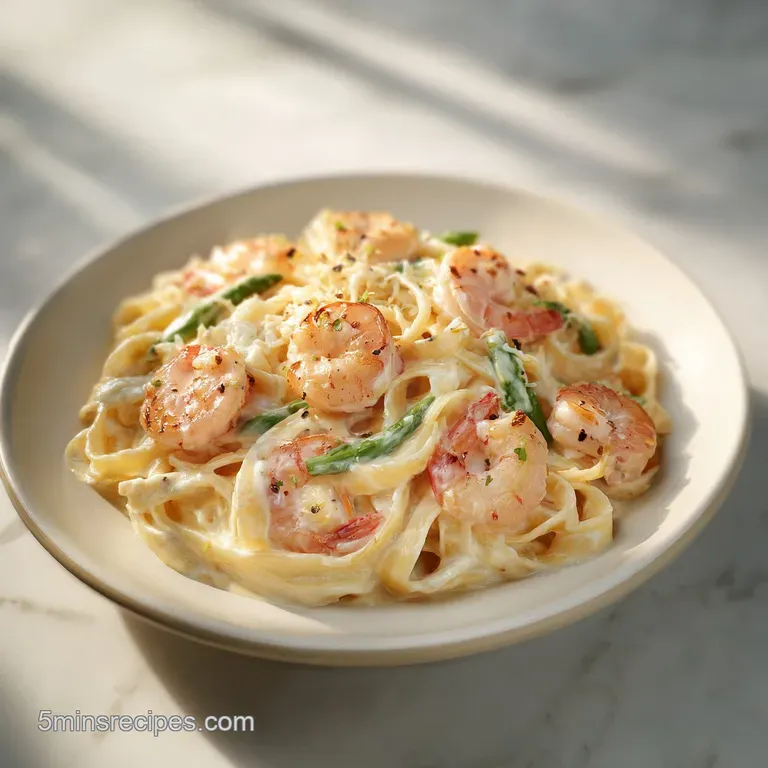
- Boil the pasta. Bring a large pot of water to a rolling boil and add the sea salt. Drop the fettuccine and cook for 1–2 minutes less than the package directions. Note: This ensures the pasta finishes cooking in the sauce without getting mushy.
- Save the liquid. Before you drain the pasta, carefully dip a measuring cup into the pot and reserve 1 cup of starchy pasta water.
- Prep the shrimp. Pat the shrimp completely dry with paper towels. Toss them in a bowl with olive oil, paprika, garlic powder, salt, and pepper until evenly coated.
- Sear the protein. Heat your heavy skillet over medium high heat. Add the shrimp in a single layer and sear for 90 seconds per side until opaque and slightly charred. Transfer them to a clean plate immediately.
- Build the base. In the same skillet (don't wash it!), melt the unsalted butter over medium heat. Add the minced garlic and sauté for 30 seconds until fragrant but not browned.
- Reduce the cream. Pour in the heavy cream. Let it simmer gently for 3–5 minutes until it starts to thicken and coat the back of a spoon.
- Incorporate the cheese. Turn the heat to low. Whisk in the Parmesan cheese one handful at a time, waiting for each batch to melt before adding more.
- Emulsify the sauce. Add the cooked fettuccine and a splash of that reserved pasta water. Toss the pasta vigorously with tongs until the sauce turns glossy and clings to the noodles.
- Combine and finish. Fold the seared shrimp back into the pan. Add the nutmeg and fresh parsley, tossing one last time to warm everything through.
- Serve immediately. Plate the pasta while it's still piping hot, as the sauce will continue to thicken as it cools.
Troubleshooting Sauce and Texture Issues
My Sauce is Too Thick or Dry
This usually happens if the pasta sits for too long before serving or if the cream was reduced too far. Pasta is like a sponge; it will continue to soak up liquid even after it is off the heat. If your dinner looks a bit stiff, don't panic.
Simply splash in a little more of that reserved pasta water and toss it over low heat. The starch will help re emulsify the fats and bring back that silky shine.
The Cheese Clumped Into a Ball
This is the heartbreak of many home cooks. If you add all the cheese at once or if the sauce is boiling too hard, the proteins in the cheese will seize and stick together. To prevent this, always turn the heat down to low before adding the cheese.
If it already happened, you can try to save it by adding a tiny bit more cream and whisking like your life depends on it, but it's hard to fully reverse once the proteins have bonded.
| Problem | Root Cause | Solution |
|---|---|---|
| Grainy Sauce | Pre shredded cheese used | Use a block of Parmesan and grate it yourself next time. |
| Rubbery Shrimp | Overcooked in the sauce | Sear quickly and only add back at the very end. |
| Greasy/Oily Surface | Sauce broke or butter separated | Add a tablespoon of pasta water and whisk vigorously to reconnect the fat and liquid. |
Common Mistakes Checklist
- ✓ Pat the shrimp bone dry before seasoning (moisture is the enemy of a good sear).
- ✓ Do not skip the pasta water; it is the glue that holds the entire recipe together.
- ✓ Grate the cheese as finely as possible to ensure it melts instantly.
- ✓ Turn the heat to low before adding cheese to prevent clumping.
- ✓ Use a large enough skillet so you can toss the pasta without it flying out of the pan.
Customizing Flavors and Regional Variations
If you want to move away from the classic profile, there are plenty of ways to shake things up. For a bit of a "surf and turf" feel, you could add some crispy pancetta at the beginning. If you're feeling adventurous with your spices, you might even consider adding a teaspoon of my homemade Old Bay Seasoning to the shrimp instead of just paprika and garlic powder. It gives the dish a Chesapeake Bay vibe that pairs incredibly well with the rich cream.
| Original Ingredient | Substitute | Why It Works |
|---|---|---|
| Heavy Cream (2 cups) | Half and Half + 1 tbsp Flour | Lower fat content. Note: Will be less stable and slightly thinner. |
| Dry Fettuccine (1 lb) | Zucchini Noodles (2 lbs) | Low carb option. Note: Release lots of water; sauté briefly and drain before adding sauce. |
| Shrimp (1 lb) | Sliced Portobello Mushrooms | Vegetarian swap. Note: Provides a similar meaty texture and earthy flavor. |
For those who want a bit of green on their plate, adding a handful of baby spinach at the very end is a fantastic move. The residual heat of the sauce will wilt the spinach in about 30 seconds, adding color and nutrients without changing the cook time.
Alternatively, steamed broccoli florets tossed in with the pasta provide a nice crunch that cuts through the richness of the Alfredo sauce.
Storing and Reheating Your Leftover Pasta
Leftover Shrimp Fettuccine Alfredo will stay good in the fridge for up to 2 days. I don't recommend keeping it much longer because the shrimp can start to take on a "fishy" aroma and the cream can start to absorb fridge smells. When storing, make sure it is in an airtight container to prevent the pasta from drying out.
Reheating is where most people go wrong. If you toss this in the microwave on high, the butter will separate, and you'll end up with a puddle of oil and some dry, clumpy noodles. Instead, put the pasta in a skillet over low heat.
Add a splash of milk or cream (about 2 tablespoons) and stir constantly until it's creamy again. This gently re hydrates the sauce and brings it back to life. I generally advise against freezing this dish; the cream and cheese emulsion often breaks during the thawing process, resulting in a very unappealing texture.
To reduce waste, if you have leftover sauce but no pasta, use it as a dip for crusty bread or drizzle it over roasted vegetables the next day. Any leftover shrimp can be chopped up and tossed into an omelet for a high protein "chef's breakfast" (though we don't talk about breakfast here, it's a great way to use scraps!).
Best Side Dishes for Seafood Pasta
When you're serving something as rich and decadent as Shrimp Fettuccine Alfredo, you really need a side dish that offers some acidity or crunch to balance the palate. A simple arugula salad with a sharp lemon vinaigrette is my go to.
The peppery bite of the greens and the sour citrus cut right through the heavy cream, making every bite of the pasta feel like the first one.
If you are looking for something heartier, a batch of garlic bread is the classic companion. You can use the same minced garlic and butter technique we used for the sauce. Another great option is roasted asparagus with a squeeze of fresh lemon.
The earthy, slightly bitter notes of the asparagus provide a beautiful contrast to the sweet, succulent shrimp. Honestly, a cold glass of crisp Pinot Grigio doesn't hurt either!
Myths About Creamy Pasta
One of the biggest misconceptions in the kitchen is that you need a massive amount of flour or cornstarch to thicken an Alfredo sauce. In reality, the reduction of the heavy cream and the addition of finely grated cheese provide all the thickening power you need.
Adding flour often leads to a "pasty" mouthfeel that masks the delicate flavor of the Parmesan.
Another common myth is that rinsing your pasta after boiling helps keep it from sticking. Please, never do this for Alfredo! Rinsing washes away the very starch we need to make the sauce stick to the noodles. If you rinse the pasta, the sauce will just slide off and sit at the bottom of your plate.
Keep that starch on the noodles where it belongs so you can achieve that perfect, unified dish.
Finally,, some people think that "fresh" pasta is always better than "dry" pasta. While fresh egg pasta is delicious, dry fettuccine is actually often superior for heavy sauces like this because it has a sturdier structure and a rougher surface that grips the cream more effectively.
Dry pasta is also much harder to overcook, giving you a wider window of "al dente" perfection.
Very High in Sodium (🚨)
1180 mg 1180 mg of sodium (51% 51% of daily value)
The American Heart Association recommends limiting sodium intake to no more than 2,300mg per day, with an ideal limit of about 1,500mg for most adults.
Tips to Reduce Sodium
-
Eliminate Added Salt in Pasta Water-25%
The 2 tablespoons of sea salt added to the pasta water contribute significantly to the overall sodium. Removing this completely will drastically cut down sodium. Do not add any salt to the pasta cooking water.
-
Reduce Parmesan Cheese-15%
Parmesan cheese is a major source of sodium. Try using half the amount of freshly grated Parmesan cheese (about 0.75 cups) to still get a cheesy flavor with less sodium.
-
Use Garlic Powder Instead of Salt-5%
The recipe calls for 0.5 tsp salt in the shrimp seasoning. Replace this salt with an additional 0.5 tsp of garlic powder or other sodium free seasonings like onion powder or paprika to enhance flavor.
-
Boost Flavor with Fresh Herbs and Spices
While these don't reduce sodium, incorporating more fresh parsley, garlic, smoked paprika, and nutmeg can add vibrant flavors and aroma, making you less reliant on salt for taste.
Recipe FAQs
Is shrimp good with fettuccine alfredo?
Yes, it is a classic pairing. The richness of the heavy cream and parmesan sauce perfectly complements the sweetness of seared large shrimp.
Do you cook the shrimp before you put it in the Alfredo sauce?
Yes, sear the shrimp separately first. Heat a heavy skillet over medium high heat and cook the seasoned shrimp for 90 seconds per side until opaque, then transfer them to a plate to avoid overcooking while the sauce simmers.
Is Alfredo sauce high in FODMAP?
Yes, this recipe is high in FODMAP. Ingredients like heavy cream, garlic, and butter contain lactose and fructans which are typically restricted on a low-FODMAP diet.
What type of pasta is best for shrimp alfredo?
Fettuccine is the traditional choice. Its wide, flat surface area provides the perfect structure to hold the creamy emulsion of heavy cream, parmesan, and butter.
How to keep the Alfredo sauce from separating when reheating?
Reheat the pasta in a skillet over low heat. Avoid the microwave, which causes the butter to separate and results in a greasy, clumpy texture. If you enjoyed mastering emulsification here, you can apply similar low-heat stirring techniques to maintain the stability of other cream based sauces.
How to get the perfect al dente texture for the fettuccine?
Cook the pasta for 1 2 minutes less than the package instructions. This ensures the noodles finish cooking directly in the sauce, preventing them from becoming mushy.
How to achieve the ideal sauce consistency?
Whisk in the parmesan one handful at a time over low heat. Adding a splash of the reserved starchy pasta water at the end helps pull the sauce together so it clings to the fettuccine.
Shrimp Fettuccine Alfredo
Ingredients:
Instructions:
Nutrition Facts:
| Calories | 1305 kcal |
|---|---|
| Protein | 49.1 g |
| Fat | 82.8 g |
| Carbs | 80.8 g |
| Fiber | 3.1 g |
| Sugar | 4.2 g |
| Sodium | 1180 mg |
