Silky Protein Pasta with Cottage Cheese
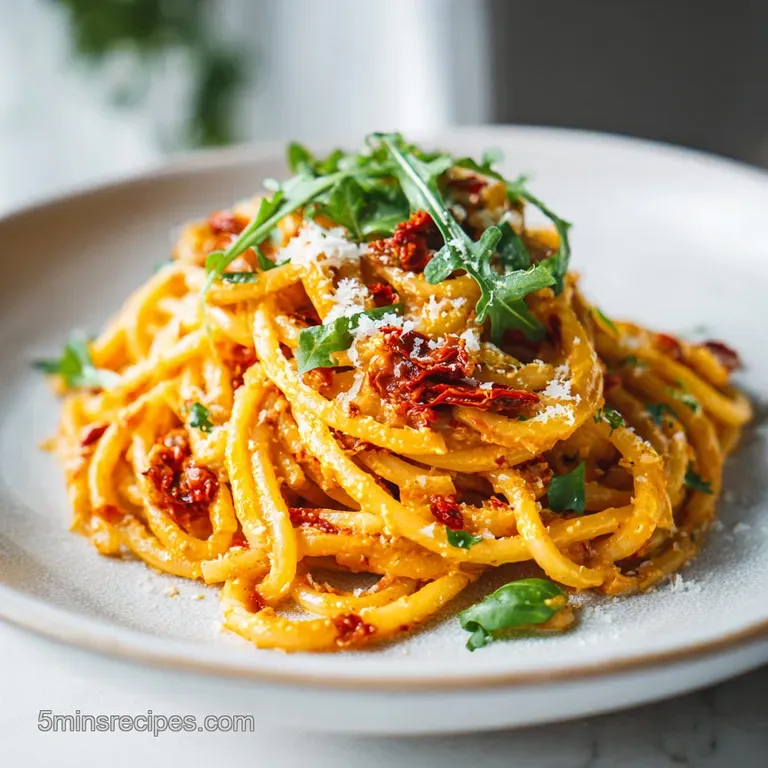
- Time: Active 10 minutes, Passive 15 minutes, Total 25 minutes
- Flavor/Texture Hook: Zesty, sun dried tomato punch with a silky, high protein finish
- Perfect for: Post workout fuel or a 25 minute weeknight dinner rush
- Master Your Weeknight Dinner with Protein Pasta
- Why This Healthy Creamy Sauce Works
- Essential Science Behind Every Single Ingredient
- Quality Ingredients and Their Best Substitutes
- Minimal Tools Required for Kitchen Speed
- Complete Step-by-Step Pasta Cooking Guide
- Solving Common Pasta Texture and Flavor Issues
- Simple Dietary Adaptations for Every Table
- Smart Storage and Leftover Safety Tips
- Beautiful Ways to Serve Your Meal
- High in Sodium
- Recipe FAQs
- 📝 Recipe Card
Master Your Weeknight Dinner with Protein Pasta
I remember standing in my kitchen six months ago, staring at a box of "healthy" noodles and feeling totally uninspired. I’d spent years thinking that if I wanted a high protein meal, I had to choke down a dry chicken breast or a chalky shake.
Then, the aroma of garlic hitting warm sun dried tomato oil filled the room, and I realized I could have my comfort food and my macros too.
This isn't just another boring health meal, it’s a legitimate culinary shortcut. We’re using the natural power of cottage cheese to mimic a heavy cream sauce, giving you all the richness with none of the guilt.
It’s the kind of dinner that makes you feel like a chef even when you’ve only got 15 minutes to spare before the kids’ soccer practice or your next Zoom call.
We are going to focus on technique here, specifically how to marry the starch from the water with the proteins in the cheese. By the time you’re done, you’ll have a bowl of pasta that feels indulgent but leaves you energized. Let’s get that water boiling and transform your weeknight routine.
Why This Healthy Creamy Sauce Works
The Alchemy of the Curd: Blending cottage cheese breaks down its structural casein proteins into a smooth liquid that emulsifies perfectly with starchy water. This creates a thick, velvety coating that clings to the penne without the need for flour based thickeners.
| Pasta Thickness | Internal Temp | Rest Time | Visual Cue |
|---|---|---|---|
| Standard Penne | 210°F (boil) | 2 mins | Al dente - slight resistance |
| Thick Ridged | 210°F (boil) | 3 mins | Holds shape when tossed |
| Thin Protein | 210°F (boil) | 1 min | Tender but not mushy |
If you find yourself craving a different flavor profile after trying this, you might enjoy the brightness of my Pasta Sauce in recipe which uses a similar speed focused approach. Both recipes prioritize getting a high-quality meal on the table in record time without sacrificing the soul of the dish.
Essential Science Behind Every Single Ingredient
The secret to this dish isn't just the protein, it's the chemistry of the ingredients working together. When we talk about "Protein Pasta," we are usually dealing with a blend of wheat and pea or lentil flour, which behaves differently than standard semolina.
| Ingredient | Science Role | Pro Secret |
|---|---|---|
| Cottage Cheese | Primary Emulsifier | Blend it cold to keep the proteins stable before heating. |
| Reserved Pasta Water | Starch Binder | The "liquid gold" that bridges the gap between sauce and noodle. |
| Sun dried Tomato Oil | Flavor Carrier | Contains fat soluble aromatics that spread flavor better than water. |
Understanding how these elements interact is the difference between a grainy mess and a silky masterpiece. For instance, the acidity in the lemon juice doesn't just add flavor, it actually helps to cut through the density of the cheese, making the entire dish feel lighter on the palate.
Quality Ingredients and Their Best Substitutes
I always keep these staples in my pantry because they turn a frantic Tuesday into a win. Using the 14.5 oz Barilla Protein+ Penne is my top choice because it holds its structure beautifully against the heavy sauce, but you have options if your cupboard looks a little different today.
- 14.5 oz Barilla Protein+ Penne: High protein content with a traditional texture. Why this? Maintains a firm bite even when reheated later.
- 1.5 cups low-fat cottage cheese: The creamy, low calorie base of our sauce.
- 0.5 cup grated Parmesan cheese: Adds salty depth and helps the sauce thicken.
- 8.5 oz jar sun dried tomatoes: Use the oil from the jar for sautéing!
- 3 cloves fresh garlic, minced: Essential for that sharp, aromatic foundation.
- 1 tsp red pepper flakes: Adds a subtle heat that cuts the richness.
- 2 cups fresh baby spinach: Wilts in seconds and adds a pop of color.
- 0.5 lemon, juiced: Brightens the entire flavor profile.
| Original Ingredient | Substitute | Why It Works |
|---|---|---|
| Cottage Cheese | Greek Yogurt (non fat) | High protein and creamy. Note: Very tangy; add a pinch of sugar. |
| Sun dried Tomatoes | Roasted Red Peppers | Sweet and smoky. Note: Lacks the intense umami punch of tomatoes. |
| Fresh Spinach | Frozen Kale | Adds fiber and iron. Note: Must be thawed and squeezed dry first. |
Minimal Tools Required for Kitchen Speed
You don't need a professional kitchen to pull this off, just a few basics that work hard. I highly recommend using a high speed blender or an immersion blender for the cottage cheese.
If you try to just stir the cottage cheese in, the texture will stay lumpy and "curdy," which is definitely not the vibe we're going for.
A large 12 inch skillet is also vital here. You want enough surface area to toss the pasta with the spinach so everything wilts evenly without steaming the noodles into mush. If you’re a fan of minimal cleanup, this approach is very similar to my favorite One Pan Pasta recipe, where the goal is maximum flavor with the fewest possible dishes.
Complete step-by-step Pasta Cooking Guide
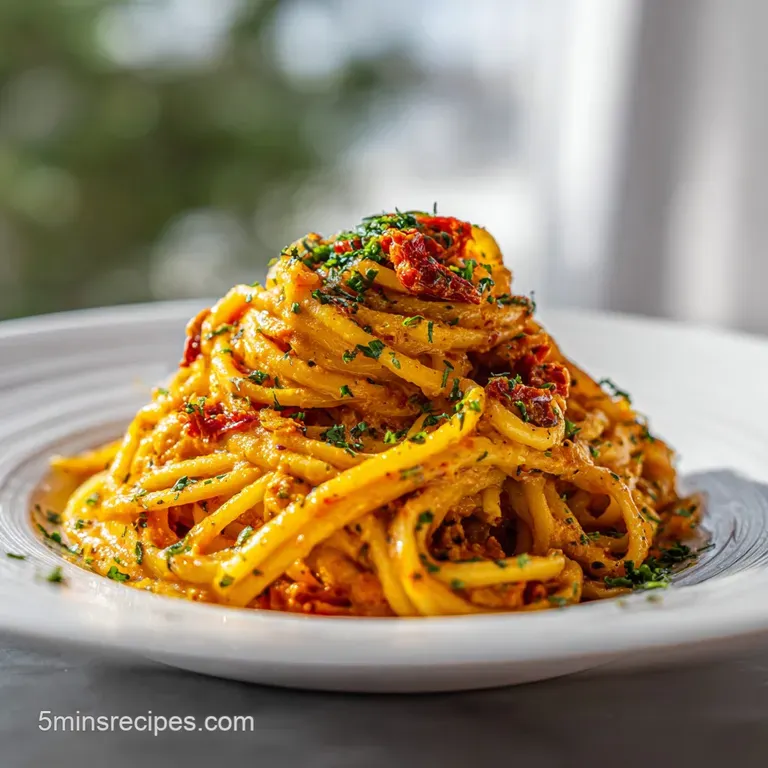
- Boil the water. Use a large pot with plenty of salt. Note: The water should taste like the sea to season the pasta from the inside out.
- Cook the 14.5 oz Barilla Protein+ Penne. Follow the box instructions but stop 1 minute early. Cook 9 minutes until firm to the bite.
- Blend the sauce. While the pasta cooks, put 1.5 cups cottage cheese and 0.5 cup Parmesan in a blender. Process until completely velvety and liquid.
- Reserve the water. Before draining, dip a measuring cup into the pot. Note: You need 0.5 cup of this starchy liquid to bind the sauce.
- Sauté the aromatics. In your skillet, add 2 tbsp reserved tomato oil and the 3 minced garlic cloves. Heat 1 minute until fragrant and sizzle starts.
- Add the tomatoes. Toss in the 8.5 oz drained sun dried tomatoes and 1 tsp red pepper flakes. Note: This creates a concentrated flavor base.
- Wilt the greens. Throw in the 2 cups baby spinach. Sauté 30 seconds until bright green and just starting to collapse.
- Combine and emulsify. Add the cooked pasta, the blended cheese mixture, and the 0.5 cup reserved water to the skillet.
- The final toss. Stir constantly over low heat for 2 minutes until the sauce thickens and coats every noodle.
- Finish with brightness. Remove from heat and stir in the 0.25 cup fresh basil and juice from 0.5 lemon.
Solving Common Pasta Texture and Flavor Issues
Why is my sauce grainy?
This usually happens if the cottage cheese isn't blended enough or if the heat is too high. High heat can cause the proteins in the cheese to "seize" and separate from the liquid. Always blend until the mixture looks like heavy cream, and keep the skillet on low when you combine everything.
My pasta is mushy!
Protein based pastas can go from al dente to mushy in about 30 seconds. Because they contain legumes or extra gluten, they absorb water faster toward the end of the cooking cycle. Always check your pasta 2 minutes before the package says it's done.
| Problem | Root Cause | Solution |
|---|---|---|
| Dry Pasta | Sauce evaporated | Add 2 tbsp of warm pasta water and stir. |
| Bland Flavor | Not enough acid | Add an extra squeeze of lemon or a splash of vinegar. |
| Curdled Sauce | Skillet was too hot | Remove from heat immediately and whisk in cold water. |
Common Mistakes Checklist
- ✓ Never rinse your protein pasta after draining; you need that surface starch.
- ✓ Always blend the cottage cheese until no visible curds remain.
- ✓ Sauté the garlic for only 60 seconds to avoid a bitter, burnt taste.
- ✓ Add the spinach at the very end to keep it from turning into a grey slime.
- ✓ Use the reserved sun dried tomato oil rather than plain olive oil for 10x the flavor.
Simple Dietary Adaptations for Every Table
If you need to scale this recipe down for a solo lunch, just halve all the ingredients and use a small saucepan. The cooking time for the pasta remains the same, but the sauce will thicken much faster, so keep your eye on it.
When scaling up for a crowd, cook the pasta in two batches to ensure the water temperature doesn't drop too much when you add the noodles.
Chef's Note: If you're doubling the recipe, only increase the red pepper flakes to 1.5 tsp. Spices can become overwhelming when doubled exactly in large batches.
The Protein Pasta Salad Twist
You can actually serve this dish cold! Skip the final heating step in the skillet. Toss the cooked, cooled pasta with the blended cheese, tomatoes, and raw spinach. It makes an incredible meal prep lunch that stays creamy in the fridge.
The Vegan Soy Swap
To make this plant based, swap the cottage cheese for 1.5 cups of silken tofu blended with 2 tbsp of nutritional yeast and a pinch of salt. It provides a similar protein punch and that signature "velvety" mouthfeel without the dairy.
Smart Storage and Leftover Safety Tips
Storage: This dish keeps beautifully in the fridge for up to 4 days. Store it in an airtight glass container to prevent the sun dried tomatoes from staining your plastic ware. The sauce will naturally thicken and firm up as it cools, so don't be alarmed if it looks a bit solid the next day.
Reheating: To bring back that silky texture, add a teaspoon of water or milk before microwaving. Heat in 30 second bursts, stirring in between, until it's warmed through. Do not overheat, or the cheese will begin to separate and become oily.
Zero Waste Tip: Don't throw away the rest of that sun dried tomato oil! It’s packed with herbs and tomato essence. Use it the next morning to fry an egg or drizzle it over a piece of crusty sourdough for a quick snack.
Beautiful Ways to Serve Your Meal
To make this feel like a true "chef" moment, serve it in wide, shallow bowls rather than deep ones. This allows the sauce to spread out and prevents the spinach from clumping at the bottom. I love to finish each plate with an extra crack of black pepper and a few torn basil leaves for that fresh, herbaceous aroma.
If you want to round out the meal, a simple side of roasted broccoli or a crisp arugula salad with a balsamic vinaigrette provides a nice textural contrast to the soft, creamy pasta. Honestly, though, this dish is a complete powerhouse on its own.
It’s got the carbs for energy, the protein for recovery, and enough flavor to make you forget you’re even trying to eat healthy. Enjoy the sizzle and the speed!
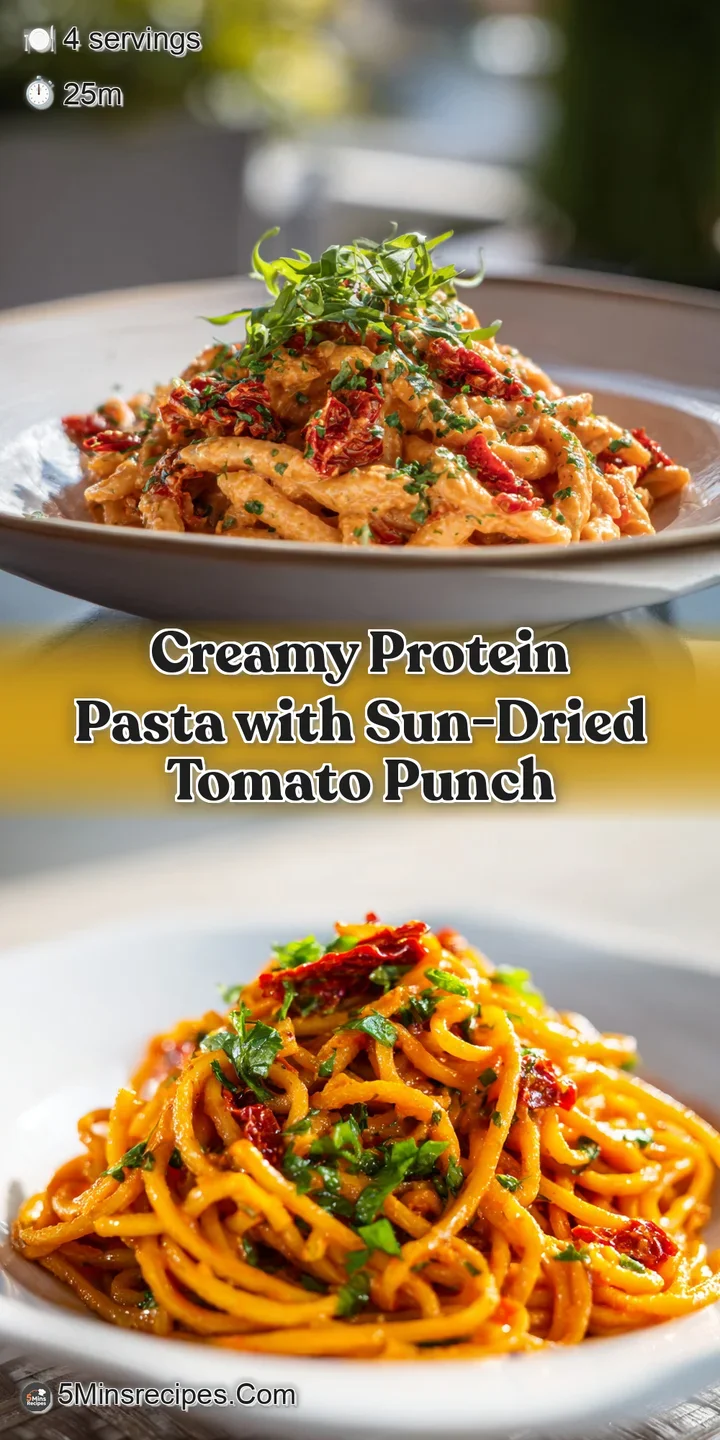
High in Sodium
895 mg of sodium per serving (39% of daily value)
The American Heart Association recommends limiting sodium intake to about 2,300mg per day.
Tips to Reduce Sodium in This Recipe
-
Reduce Parmesan-15%
Parmesan cheese is a significant source of sodium. Use only 0.25 cup instead of 0.5 cup to reduce sodium, or substitute with a lower sodium cheese, like part skim ricotta, which has a milder flavor. This could reduce sodium by approximately 15%.
-
Rinse Sun-Dried Tomatoes-10%
Rinsing the sun-dried tomatoes under water prior to adding them to the dish removes excess sodium. It's important to gently pat them dry after rinsing. Expect a sodium reduction of up to 10% with this simple step.
-
Limit Pasta Water-5%
While pasta water adds flavor and helps bind the sauce, it can contain sodium from the pasta cooking process. Start with 0.25 cup instead of 0.5 cup, adding more only if needed. This could reduce sodium by up to 5%.
-
Increase Lemon Juice
Lemon juice enhances flavor naturally and may reduce the need for salt. Increase the lemon juice to a full lemon to improve the flavor without additional sodium.
-
Spice it Up!
Experiment with sodium free herbs and spices like black pepper, oregano, or garlic powder to enhance the flavor of your dish without adding sodium. These additions have no impact on sodium content, but may enhance the overall flavor.
Recipe FAQs
Is protein pasta inherently healthier than traditional pasta?
Yes, generally it is. Protein pasta typically replaces some refined white flour with ingredients like chickpea, lentil, or soy flour, significantly boosting the fiber and protein content per serving.
What type of pasta is generally considered high in protein?
Lentil, chickpea, and soy-based pastas are the highest in protein. Barilla Protein+ uses a blend that is higher in protein than durum wheat alone, making it a good bridge option.
Is Barilla protein pasta a healthy choice for daily consumption?
It can be, provided you watch the sauce. While the pasta itself offers a good nutritional upgrade, the health quotient depends heavily on what you pair it with, like ensuring you don't drown it in heavy, high fat sauces.
Do bodybuilders eat protein pasta as a primary carbohydrate source?
Yes, many incorporate it strategically. It serves as a source of complex carbohydrates that also contributes meaningfully to their daily protein goals post workout, making meal planning more efficient.
How can I ensure my protein pasta sauce doesn't turn grainy?
Blend the dairy base completely before adding it to the heat. Achieving a truly smooth emulsion requires blending cottage cheese or yogurt until it resembles heavy cream, a technique similar to what's required for a stable Fast Starch Bond recipe.
Should I rinse protein pasta after draining to stop cooking?
No, never rinse protein pasta. Rinsing washes away the surface starch that is essential for helping your sauce adhere properly to the noodle surface.
How do I make my high protein, low-fat sauce taste rich and creamy?
Use starchy pasta water and a high speed blender. The starch binds the sauce, while blending cottage cheese creates a velvety texture that mimics cream without the added fat content. This technique keeps the flavor profile bright, much like balancing acid in a good quick side dish.
Silky Cottage Cheese Protein Pasta
Ingredients:
Instructions:
Nutrition Facts:
| Calories | 645 calories |
|---|---|
| Protein | 34.8 g |
| Fat | 14.2 g |
| Carbs | 91.5 g |
| Fiber | 8.2 g |
| Sugar | 11.4 g |
| Sodium | 895 mg |
