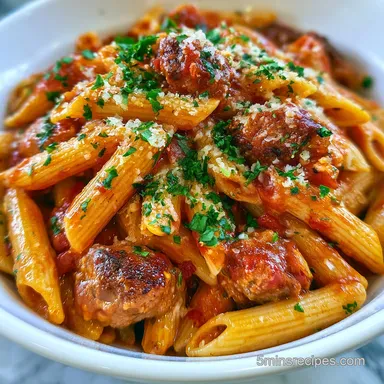
Pasta with Sausage: Creamy and Rich
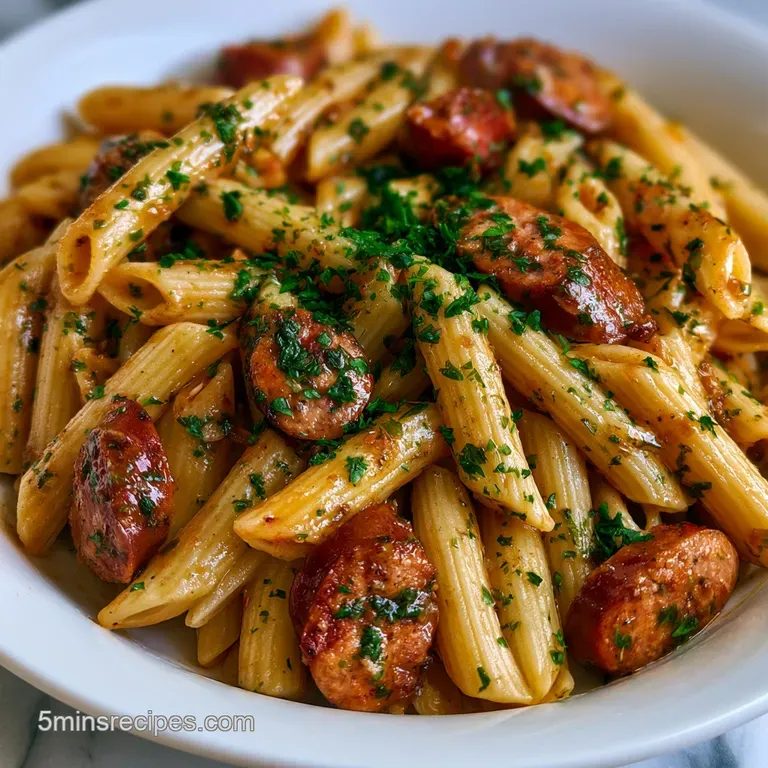
- Time: 5 min active + 20 min cook = Total 25 mins
- Flavor/Texture Hook: Velvety cream sauce with mahogany crisped sausage
- Perfect for: Busy weeknight dinners or high speed comfort food
- Common Sauce Mistakes
- The Recipe Specifications
- The Essential Ingredients
- Required Kitchen Tools
- The Step-by-Step Guide
- Fixing Kitchen Disasters
- Troubleshooting Common Issues
- Dietary Plate Adjustments
- Adjustment Guidelines
- Common Kitchen Myths
- Storage and Freshness
- The Perfect Pairings
- Critical Sodium Levels
- Recipe FAQs
- 📝 Recipe Card
Sizzle. That is the sound of pork fat hitting a hot skillet, the kind of sound that tells you dinner is actually going to be good. I can't tell you how many times I've seen people make this dish only for it to turn into a greasy puddle.
You know the one, where the sauce separates, the meat is rubbery, and the noodles are just swimming in a thin, oily liquid. It is a common frustration because most recipes ignore how fats and starches actually interact.
The fix is simpler than you think. The secret isn't more cheese or a thicker cream, it is the pasta water. By reserving that cloudy, salty liquid and tossing the noodles in the pan while they are still slightly underdone, you create a bond. This is how you get a sauce that coats every single ridge of the penne.
When you make this pasta with sausage, you aren't just boiling and mixing. You are building layers of flavor, from the caramelized crust on the pork to the sharp bite of garlic. It is a fast, high impact meal that feels like it took an hour, but we are going to knock it out in 25 minutes flat.
Common Sauce Mistakes
Most people treat the sauce like a separate entity, cooking the pasta in one pot and the sauce in another, then dumping them together at the end. This is why the sauce often slides right off the noodle.
When the pasta is fully cooked before hitting the pan, it loses its ability to absorb the sauce, and the lack of starch means the fat from the sausage won't emulsify.
Another huge mistake is overcooking the garlic. Garlic turns bitter and acrid the second it burns, which ruins the delicate balance of the cream. You have to time it perfectly, adding it only after the meat has developed its crust. If you throw it in too early, you are essentially eating burnt paper.
Finally,, don't be afraid of the "mahogany" stage. Many cooks pull the sausage off the heat as soon as it is no longer pink. But the real flavor comes from the browning. That deep brown crust provides the savory depth that cuts through the richness of the heavy cream. Trust the process and let it sizzle.
The Recipe Specifications
| Method | Time | Texture | Best For |
|---|---|---|---|
| Stovetop (This Recipe) | 25 mins | Velvety & Glazed | Speed & Freshness |
| Oven Baked | 45 mins | Crusty & Gooey | Crowds & Meal Prep |
Right then, let's look at the numbers. This is a high speed operation designed for someone who wants a chef level result without spending the whole night in the kitchen. We are focusing on a single pan finish to keep the cleanup minimal.
The goal here is a specific consistency: a velvety glaze. If it's too thick, it's a paste; if it's too thin, it's a soup. By using the exact ratios of cream to pasta water, we hit that sweet spot every time.
The Essential Ingredients
Component Analysis
| Ingredient | Science Role | Pro Secret |
|---|---|---|
| Pasta Water | Emulsifier | The starch binds fat to water |
| Heavy Cream | Body & Base | Prevents sauce from breaking |
| Parmesan | Thickener/Salt | Adds umami and viscosity |
The Grocery List
- 1 lb (450g) Penne or Rigatoni pasta Why this? Ridges hold onto the heavy cream sauce (Substitute: Fusilli)
- 4 qts (3.8L) Water
- 1 tbsp (15g) Salt
- 1 lb (450g) Italian pork sausage Why this? Provides built in seasoning and fat (Substitute: Turkey sausage for leaner option)
- 2 tbsp (30ml) Olive oil (Substitute: Unsalted butter)
- 3 cloves (15g) Garlic, minced Why this? Adds aromatic sharpness (Substitute: Garlic powder, 1 tsp)
- 1 cup (240ml) Heavy cream Why this? High fat prevents curdling (Substitute: Half and half, though less rich)
- ½ cup (50g) Grated Parmesan cheese Why this? Melts into the sauce for thickness (Substitute: Pecorino Romano)
- ½ tsp (3g) Red pepper flakes (Substitute: Cayenne pepper)
- ½ cup (120ml) Reserved pasta water Why this? Essential for the velvety glaze (Substitute: None)
- ¼ cup (15g) Fresh parsley, chopped (Substitute: Fresh basil)
- Salt and black pepper to taste
Required Kitchen Tools
You don't need a professional kitchen for this, but a few specific tools make it faster. I highly recommend a wide skillet, like a 12 inch stainless steel or cast iron pan. The wider the surface area, the better the sausage browns because the moisture evaporates faster.
You'll also need a large pot for the pasta and a set of tongs. Tongs are far superior to a slotted spoon here because you can vigorously stir the pasta into the sauce without breaking the noodles.
The step-by-step Guide
1. The Pasta Foundation
Bring a large pot of salted water to a rolling boil. Add the pasta and cook for 1 minute less than the package directions. Note: This ensures the pasta finishes cooking in the sauce, absorbing the flavor. Before draining, reserve ½ cup (120ml) of the cloudy pasta water, then drain the noodles.
2. Browning the Protein
Heat olive oil in a wide skillet over medium high heat. Add the Italian sausage, breaking it into small crumbles with a spoon. Cook until mahogany colored and slightly crispy.
3. Aromatic Infusion
Stir in minced garlic and red pepper flakes. Cook for exactly 60 seconds until the garlic is fragrant but not brown.
4. Creating the Base
Lower heat to medium. Pour in the heavy cream and simmer for 2 minutes until it slightly thickens.
5. The Cheese Bind
Stir in the Parmesan cheese until completely melted and smooth.
6. The Final Emulsion
Toss in the cooked pasta and the reserved pasta water. Stir vigorously for 1-2 minutes until the sauce becomes a velvety glaze. This is where the starch from the water and the fats from the cream unite.
7. The Finish
Garnish with fresh parsley and season with salt and black pepper to taste. Serve immediately while the sauce is still glossy.
Fixing Kitchen Disasters
Troubleshooting Common Issues
| Issue | Solution |
|---|---|
| Why Your Sauce is Too Thin | If the sauce looks like a liquid rather than a glaze, it usually means the pasta was overcooked or you didn't simmer the cream long enough. The starch needs time to bond. You can fix this by letting t |
| Why the Sausage is Sticking | This happens if the pan wasn't hot enough when the meat hit the oil. The meat steams instead of searing, causing it to glue itself to the metal. Use a medium high heat and wait for the oil to shimmer |
| Why the Garlic Burned | Adding garlic at the same time as the sausage is a classic mistake. The sausage takes several minutes to brown, while garlic burns in seconds. Always add your aromatics in the final minute of browning |
Dietary Plate Adjustments
If you want to lean into a "veggie boost" and make a pasta with sausage and peppers or spinach, the timing is everything. For peppers, sauté them right after the sausage is browned but before adding the cream. For spinach, stir it in during the final 60 seconds of tossing the pasta so it just barely wilts.
For those wanting a lower carb version, you can swap the penne for zoodles or spaghetti squash. Just be aware that you won't have the natural starch from the pasta water, so you may need to simmer the cream for an extra 2-3 minutes to get the thickness right.
If you're avoiding dairy, coconut cream is a decent swap, though it adds a tropical note. For a more neutral flavor, try a cashew based cream. If you love a rich profile, you might also enjoy my Garlic Parmesan Sauce as a base for other proteins.
Decision Shortcut:
- If you want more heat, double the red pepper flakes.
- If you want a richer sauce, use a mix of heavy cream and mascarpone.
- If you're in a rush, use pre crumbled sausage to save chopping time.
Adjustment Guidelines
When making this for a crowd, don't just double everything blindly. If you are scaling up to 4x the recipe, only increase the salt and red pepper flakes to 1.5x the original amount. Spices can become overwhelming when scaled linearly.
For larger batches, work in two separate skillets if possible. Overcrowding the pan will cause the sausage to release its juices and boil rather than brown, which means you lose that critical mahogany crust.
If you're cooking for one, use a smaller 8 inch skillet. Reduce the cooking time for the cream by about 20% because smaller volumes of liquid evaporate and thicken much faster.
Common Kitchen Myths
Myth: Searing the sausage "seals in" the juices. Actually, searing doesn't seal anything. Moisture loss happens throughout the cooking process. The reason we brown the meat is for the flavor created by the browning process, which adds a savory depth that boiling or steaming can't touch. According to Serious Eats, this browning is essential for developing complex flavors in meat.
Myth: Al dente means the pasta is barely cooked. Al dente should have a slight "bite" or resistance in the center, but it shouldn't be raw. If you undercook it too much, the starch won't be released properly, and your pasta with sausage won't have that signature velvety cling.
Storage and Freshness
Store any leftovers in an airtight container in the fridge for up to 3 days. You'll notice the pasta absorbs the sauce as it sits, making it much thicker by the next morning.
Reheating Tip: Do not microwave it on high. Add a splash of water or milk and heat it slowly on the stovetop over low heat. This helps the sauce "loosen up" and return to its original velvety texture.
Zero Waste: If you have leftover sausage crumbles, they are brilliant in a morning omelet. Any remaining pasta water can be used as a base for a quick vegetable soup, as it's already salted and full of starch.
The Perfect Pairings
Because this dish is so rich and creamy, you need something with acid or crunch to balance it out. A sharp arugula salad with a lemon vinaigrette is the best bet. The bitterness of the greens cuts right through the heavy cream.
For something more substantial, try serving this alongside some Homemade Cheese Crackers for a bit of salty crunch on the side. A crisp white wine, like a Pinot Grigio, also works well to cleanse the palate between bites of the savory pork.
Right then, you've got everything you need. This pasta with sausage is all about those small technical wins - the browning, the undercooking, and the emulsion. Let's get cooking!
Critical Sodium Levels
1150 mg 1,150 mg of sodium per serving (50% 50% of daily value)
The American Heart Association recommends a daily sodium limit of no more than 2,300 mg, with an ideal limit of 1,500 mg for most adults to maintain heart health.
Strategies to Reduce Sodium in This Recipe
-
Swap Processed Sausage-25%
Replace the Italian pork sausage with fresh ground pork seasoned with fennel seeds, crushed red pepper, and garlic powder to eliminate processed salts.
-
Reduce Pasta Water Salt-25%
Reduce the 1 tbsp of salt in the boiling water to 1 teaspoon; the pasta will still be seasoned without excessive sodium absorption.
-
Eliminate Added Salt-15%
Remove the 'salt to taste' step and instead use freshly cracked black pepper or a splash of lemon juice to brighten the flavors.
-
Limit Parmesan Cheese-15%
Use a smaller amount of high-quality, aged Parmesan, which has a stronger flavor profile, allowing you to use less while maintaining taste.
-
Enhance with Fresh Herbs
Double the fresh parsley or add fresh basil and oregano to increase the aromatic complexity of the sauce without adding any sodium.
Recipe FAQs
Do sausages and pasta go together?
Yes, they are a classic pairing. The savory, spiced fats from the pork complement the neutral base of the noodles perfectly.
What's a good sausage to put in pasta?
Italian pork sausage is the best choice. Its blend of fennel and herbs provides a deep, savory profile that pairs well with cream and Parmesan.
What sauce goes best with sausage pasta?
A creamy Parmesan sauce creates the most luxurious result. If you prefer a lighter, tomato based option, a quick marinara sauce is another excellent alternative.
What pasta is best for high blood pressure?
Limit the salt used in the boiling water. Reducing sodium intake during the cooking process is the most effective way to adapt this dish for blood pressure management.
How to prevent the sausage from sticking to the pan?
Heat the olive oil over medium high heat until it shimmers. This ensures the meat sears immediately upon contact rather than steaming and gluing to the metal.
Is it true that you can skip adding the reserved pasta water?
No, this is a common misconception. The starchy water is essential for emulsifying the heavy cream and cheese into a velvety glaze.
How to reheat sausage pasta without it drying out?
Add a splash of water and heat slowly on the stovetop over low heat. This loosens the sauce and restores the original texture without overcooking the noodles.
Creamy Pasta With Sausage