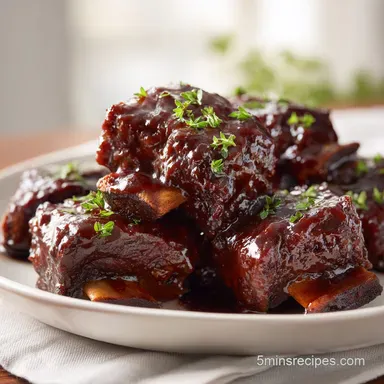
Short Ribs Recipe with Red Wine: Tender and Rich
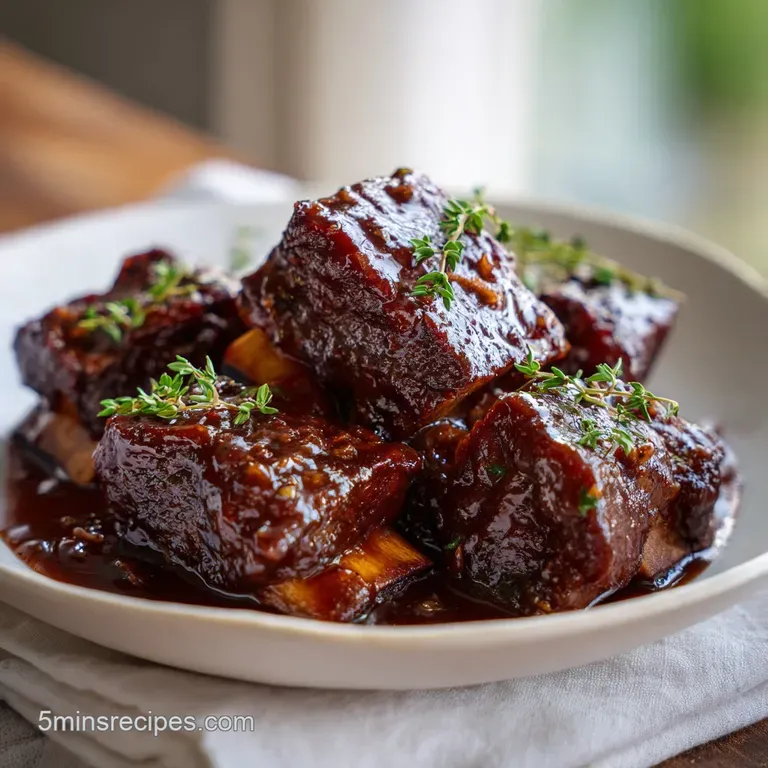
- Time: 20 min active + 180 min cooking = 200 mins
- Flavor/Texture Hook: Mahogany crust with a silky, rich reduction
- Perfect for: Impressing guests on a budget or slow Sunday dinners
That first sizzle when the seasoned beef hits the hot oil is where the magic starts. There is a specific aroma - a mix of toasted pepper and searing fat - that fills the kitchen and tells you that you're doing something right.
I remember the first time I tried this; I was terrified of overcooking the meat, but the beauty of a braise is that it's almost impossible to mess up if you have the patience.
Forget the idea that you need a bottle of wine that costs more than the meat to make this work. That is a total myth. A basic, dry Cabernet or Merlot from the grocery store is actually better because it provides the necessary acidity without overpowering the beef.
The goal isn't to taste the wine, but to use its structure to cut through the richness of the fat.
You can expect a dish that feels like a luxury restaurant meal but uses humble ingredients. This Short Ribs Recipe with Red Wine is all about the transformation. We take a tough, muscular cut of beef and, through the power of time and moisture, turn it into something that literally slides off the bone.
Let's get into how we make this happen.
Short Ribs Recipe with Red Wine
The secret to a truly great braise is the "low and slow" approach. When we talk about these cuts of meat, we are dealing with a lot of collagen. If you cook them fast, they stay tough and rubbery. But when you hold them at a steady, low temperature in a liquid, that collagen breaks down into gelatin.
That is what gives the sauce its body and the meat its silky feel.
It is also about the balance of flavors. We use a classic mirepoix - onions, carrots, and celery - to build a base of sweetness and earthiness. Then comes the tomato paste, which adds a concentrated savory punch, and the red wine, which provides the acid.
This combination ensures the final result doesn't just taste like "fatty beef," but like a complex, layered sauce.
If you are looking for other ways to handle ribs, you might find my oven riblets recipe interesting for a faster, stickier alternative. But for a deep, soulful meal, this braising method is the gold standard. It's the kind of meal that makes your whole house smell like a French bistro for six hours.
Why This Works
To get that "restaurant quality" result at home, you have to understand what's happening inside the pot. It's not just about following steps, it's about the mechanical change in the food.
- Collagen Breakdown: The long cooking time at 325°F converts tough connective tissues into gelatin, creating a velvety mouthfeel.
- Acidic Tenderizing: The wine's acidity helps break down the muscle fibers, ensuring the meat isn't stringy.
- Fond Development: Searing the meat creates "fond" - those brown bits stuck to the pot - which are concentrated flavor bombs.
- Liquid Reduction: Simmering the wine before adding the stock concentrates the flavor and removes the raw alcohol taste.
- Aromatic Infusion: Thyme and rosemary release their oils slowly into the fat, flavoring the meat from the outside in.
| Fresh Approach | Shortcut Method | Impact on Result | Savings |
|---|---|---|---|
| Fresh Mirepoix | Frozen Mixed Veg | Less depth, slightly sweeter | $2 - $4 |
| Oven Braise | Slow Cooker | Meat is tender but lacks the crust | 0 mins active |
| Dry Red Wine | Beef Broth + Vinegar | Lacks the complex tannins of wine | $5 - $10 |
Right then, let's look at what's actually doing the heavy lifting in your pot. Most people think the meat is the only thing that matters, but the supporting cast is what creates that rich, dark sauce.
Component Analysis
| Ingredient | Science Role | Pro Secret |
|---|---|---|
| Beef Short Ribs | Collagen source | Always buy bone in for a richer sauce |
| Dry Red Wine | Acid & Tannin | Reduce by half to avoid a "boozy" taste |
| Tomato Paste | Umami & Color | Brown it until dark red for deeper flavor |
| Unsalted Butter | Emulsifier | Finish the sauce with a knob for a glossy shine |
It's important to be specific with your ingredients. If you use a sweet wine, the whole dish will taste like jam. If you use low-fat stock, the sauce won't have that clingy, luxurious texture. Trust me on this, don't cut corners on the fat content here.
Ingredients
- 5 lbs bone in beef short ribs Why this? Bone in provides essential marrow and flavor
- 2 tbsp vegetable oil Why this? High smoke point for the sear
- 2 tsp kosher salt
- 1 tsp cracked black pepper
- 2 tbsp unsalted butter Why this? Adds richness to the aromatics
- 1 large onion, diced
- 3 large carrots, sliced into rounds
- 2 stalks celery, diced
- 4 cloves garlic, smashed
- 2 tbsp tomato paste Why this? Thickens and adds deep umami
- 3 cups dry red wine Why this? Cuts through beef fat with acidity
- 2 cups beef stock Why this? Provides the braising volume
- 3 sprigs fresh thyme
- 2 sprigs fresh rosemary
- 2 bay leaves
- Beef Stock
- Use bone broth for a thicker, more protein rich sauce.
- Red Wine
- Use a mix of beef stock and a tablespoon of red wine vinegar (Note: Less complex flavor).
- Carrots
- Parsnips work great for a slightly peppery, wintery taste.
- Thyme/Rosemary
- Dried herbs work, but use 1/3 of the amount.
Equipment Needed
You don't need a professional kitchen, but you do need a pot that can handle the heat. A heavy bottomed Dutch oven is the best tool for this Short Ribs Recipe with Red Wine because it distributes heat evenly and has a tight fitting lid.
If you don't have a Dutch oven, a deep oven safe pot with a heavy lid will work. Avoid thin pots, as they tend to create hot spots that can burn your sauce during the three hour bake. You will also need a set of tongs for searing and a good ladle for serving.
From Prep to Plate
Let's crack on. The goal here is to build layers of flavor. If you rush the sear or the vegetable sauté, the final sauce will taste flat.
- Dry and Season. Pat the ribs completely dry with paper towels. Note: Moisture on the surface prevents a good crust. Season generously with salt and pepper.
- The Sear. Heat oil in a Dutch oven over medium high heat. Sear the ribs in batches until a deep mahogany crust forms on all sides, about 3-4 minutes per side. Remove ribs and set aside.
- Sauté Aromatics. Reduce heat to medium and melt butter. Add the onion, carrots, and celery, sautéing until onions are translucent (about 6-8 minutes).
- Concentrate Flavor. Stir in the garlic and tomato paste. Cook for another 2 minutes until the paste turns a dark brick red.
- The Deglaze. Pour in the red wine, scraping the bottom of the pot to release the fond. Bring to a simmer and reduce the liquid by half. Note: This removes the harsh alcohol bite.
- Assemble. Return the ribs and accumulated juices to the pot. Pour in beef stock until ribs are 3/4 submerged. Add thyme, rosemary, and bay leaves.
- The Braise. Cover with a tight lid and transfer to a 325°F (160°C) oven for 3 hours, or until the meat is tender and pulls away from the bone.
- The Finish. Remove the ribs. If the sauce is too thin, simmer it on the stove for 10 minutes. Taste and add a pinch of salt if needed.
- Sear Temp
- Oil should be shimmering, nearly smoking, before adding meat.
- Liquid Level
- Ribs should not be fully covered; leaving the tops exposed allows for a slight caramelization.
- Internal Temp
- The meat is done when it hits roughly 205°F (96°C) internally, though the "fork tender" test is more reliable.
Common Mistakes & Troubleshooting
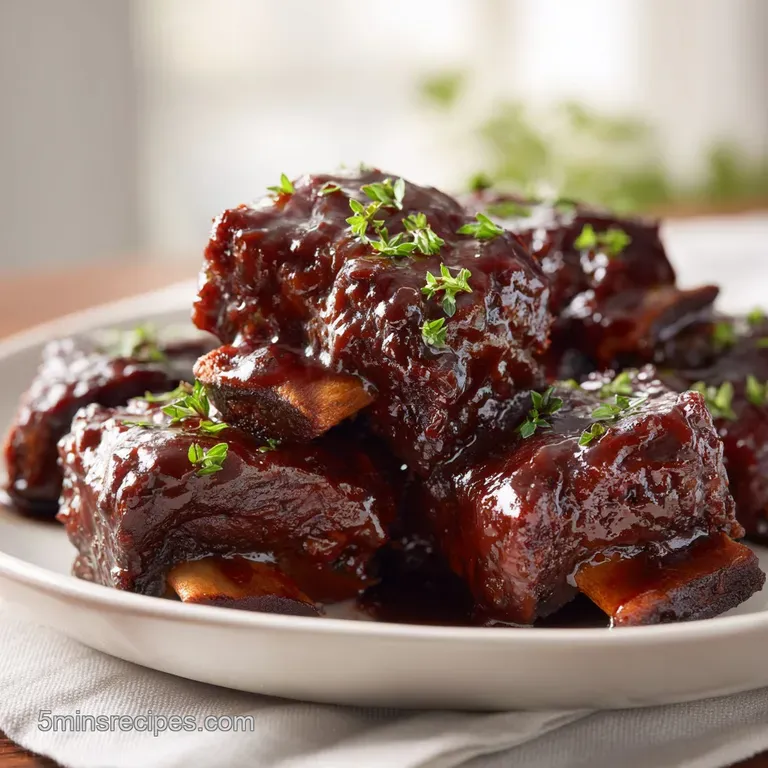
Most issues with this dish come down to temperature or time. If your meat is tough, it's almost never because you cooked it too long, but because you didn't cook it long enough.
Meat is still tough/chewy
This usually means the collagen hasn't fully converted to gelatin. This happens if the oven temperature was too low or the meat was pulled too early. Just put them back in for another 30-45 minutes.
Sauce is too thin/watery
If the sauce doesn't coat the back of a spoon, you likely didn't reduce the wine enough or the lid wasn't tight enough, allowing too much liquid to stay. You can fix this by simmering the sauce on the stovetop after removing the meat.
Sauce tastes too acidic
This happens if the wine was very young or the tomato paste was too sharp. A tiny pinch of sugar or a tablespoon of cold butter whisked in at the end will balance the acidity.
| Problem | Root Cause | Solution |
|---|---|---|
| Grey Meat | Not enough searing/crowding pan | Sear in smaller batches |
| Burnt Bottom | Heat too high during sauté | Lower heat, add a splash of water |
| Bland Flavor | Under seasoning at the start | Add salt to the reduction stage |
Common Mistakes Checklist:
- ✓ Did you pat the meat dry? (Prevents steaming instead of searing)
- ✓ Did you reduce the wine by half? (Prevents a "raw" wine taste)
- ✓ Did you sear in batches? (Prevents temperature drop in the pot)
- ✓ Did you use a tight lid? (Prevents liquid evaporation)
- ✓ Did you let the meat rest? (Keeps the juices inside)
Variations & Substitutions
While this is a classic, you can tweak the flavor profile depending on what you have in the pantry. If you want a more intense, smoky flavor, you could stir in a tablespoon of smoky adobo sauce during the tomato paste stage. It adds a depth that mimics a slow smoked rib.
Slow Cooker Short Ribs Recipe with Red Wine
If you prefer a set it and forget it method, you can sear the meat in a pan first, then move everything to the slow cooker. Cook on Low for 8 hours. Note that the sauce will be thinner, so you'll need to strain it into a pan and reduce it on the stove at the end.
Short Ribs Recipe Instant Pot Red Wine
For a time crunch, the Instant Pot is a lifesaver. Use the "Sauté" function for the searing and aromatics, then pressure cook on High for 90 minutes. Allow a natural release for 15 minutes. Again, the reduction step at the end is mandatory for that velvety texture.
Non Alcoholic Swap
Replace the 3 cups of red wine with 2 cups of beef stock and 1 cup of pomegranate juice or unsweetened cranberry juice. This provides the acidity and color without the alcohol.
The Mushroom Twist
Add 8oz of sliced cremini mushrooms during the sauté stage. They soak up the red wine and beef fat, becoming little umami bombs that complement the ribs perfectly.
Adjustment Guidelines
When you are cooking for a crowd or just for yourself, you can't just double everything blindly. Liquids and salts behave differently as volume increases.
Scaling Down (Half Batch): Use a smaller pot (about 3-4 quarts). Reduce the cooking time by about 20%, checking the meat at the 2.5 hour mark. Use 1 tablespoon of butter and 1.5 cups of wine.
Scaling Up (Double Batch): Searing is the biggest challenge here. Work in 4-5 small batches to avoid crowding the pan, or you'll end up boiling the meat in its own juices.
Increase the salt and pepper to only 1.5x the original amount, as the reduction concentrates these flavors more intensely in larger volumes. Reduce the total liquid by about 10% to prevent the sauce from becoming too thin.
Baking Adjustments: If you are using a very large commercial oven or a convection oven, lower the temperature to 300°F (150°C) and extend the time by 30 minutes to prevent the edges from drying out.
Kitchen Myths
There are a few things people tell you about braising that just aren't true. Let's clear those up so you can cook with confidence.
Myth 1: Searing "seals in" the juices. This is the most common lie in cooking. Searing doesn't create a waterproof barrier. In fact, meat loses more moisture during searing. The reason we do it is for the flavor - the browning process creates complex compounds that you just can't get from simmering.
Myth 2: You must use an expensive Cabernet. As mentioned, expensive wines are often more complex, but for a braise, you want a "workhorse" wine. Something with decent acidity and tannins that can stand up to the beef. A $10 bottle is often more than enough.
Myth 3: Bone in is only for flavor. While the marrow is great, the bone also acts as a heat conductor, helping the meat cook more evenly from the inside out during the long braise.
Storage Guidelines
These ribs actually taste better the next day. The flavors have time to marry and settle, and the sauce thickens naturally in the fridge.
Fridge Storage: Store in an airtight container for up to 4 days. The fat will solidify into a white layer on top, which actually acts as a natural seal to keep the meat moist.
Freezer Storage: You can freeze these for up to 3 months. Place the meat and sauce in a heavy duty freezer bag, squeezing out all the air. When you're ready to eat, thaw overnight in the fridge.
Zero Waste Tips: Don't toss the leftover bones if you have some. Simmer them with a few scrap carrots and onion skins to make a rich, homemade beef stock. Also, any leftover sauce can be frozen in ice cube trays and used as a base for a quick beef stew or a rich gravy for mashed potatoes.
Serving and Enjoyment
The way you serve this dish can either make it a home meal or a feast. Because the sauce is so rich and velvety, you need something to soak it up and something to cut through the heaviness.
The Classic Pairing: Creamy mashed potatoes are the gold standard here. The buttery texture of the potatoes blends perfectly with the red wine reduction. If you want something different, a bed of creamy polenta or wide pappardelle noodles works brilliantly.
The Fresh Contrast: To keep the dish from feeling too "heavy," add a bright element. A side of roasted asparagus or a simple arugula salad with a lemon vinaigrette provides the necessary acid to cleanse your palate between bites.
Plating Tip: Place a generous scoop of mash in the center of the plate, lean two ribs against it, and spoon the reduced sauce over the top. Garnish with a sprinkle of fresh, chopped parsley. The bright green against the deep mahogany meat makes the dish look professional.
Trust me, your guests will think you spent the whole day in a culinary school, not just hanging out in your kitchen.
High in Sodium
892 mg 892 mg of sodium per serving (39% 39% of daily value)
The American Heart Association recommends a daily sodium limit of 2,300 mg, with an ideal limit of 1,500 mg for most adults to reduce the risk of cardiovascular disease.
Tips to Reduce Sodium
-
Swap Beef Stock-30%
Replace regular beef stock with low-sodium or no-salt added beef stock to significantly decrease the base sodium content.
-
Reduce Added Salt-25%
Cut the kosher salt in half or omit it entirely, as the natural juices from the beef and stock provide inherent salinity.
-
Choose No-Salt Tomato Paste-15%
Use a no-salt added tomato paste to avoid the hidden sodium often found in canned concentrates.
-
Enhance with Aromatics
Increase the amount of fresh thyme and rosemary, or add a splash of balsamic vinegar at the end to brighten the flavor without adding salt.
Recipe FAQs
Why are my short ribs still tough after cooking?
You likely didn't cook them long enough. These cuts require a full 3 hours at 325°F to break down the connective tissue and become tender.
Can I substitute the red wine with another liquid?
Yes, you can use extra beef stock with a tablespoon of vinegar. If you like the flavor balance of our Quick Marinara Sauce, you'll find a similar balance of acidity and richness here.
How to sear short ribs for the best crust?
Pat the ribs completely dry and use medium high heat. Sear in batches for 3-4 minutes per side until a deep mahogany crust forms.
Is it true that searing ribs seals in the juices?
No, this is a common misconception. Searing develops a mahogany crust for deep flavor, but it does not create a physical seal to keep juices inside.
How to ensure the ribs don't dry out in the oven?
Pour in beef stock until the ribs are 3/4 submerged. Always use a tight lid to trap moisture during the braising process.
How long can I store leftover short ribs in the fridge?
Store them for up to 4 days in an airtight container. The fat layer that solidifies on top acts as a natural seal to keep the meat moist.
How to reduce the red wine properly?
Simmer the wine over medium heat until the liquid volume is reduced by half. Use a wooden spoon to scrape the fond from the bottom of the pot during this process.
Short Ribs With Red Wine