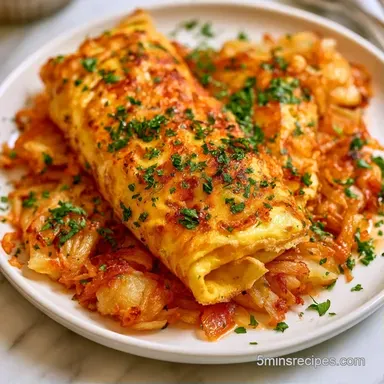
Crispy Hash Brown Omelet

- Time: 10 min active + 20 min cook
- Flavor/Texture Hook: Deep mahogany crust with a gooey cheese center
- Perfect for: Busy mornings or a slow weekend brunch
Nothing beats the sound of frozen potatoes hitting a hot, buttered skillet to start the day. That aggressive sizzle is the signal that a proper crust is developing. For a while, I assumed a commercial-grade griddle was the only way to achieve those shatteringly crisp edges found in cafes, fearing home burners lacked the heat to prevent the potatoes from steaming.
As it turns out, the equipment isn't the issue, it's the moisture. The game changed once I started patting my potatoes completely dry and resisting the urge to move them in the pan. You can achieve a high-end eatery result using your own stove.
This Hash Brown Omelet is a fantastic, low-cost meal. Using basic pantry staples, it creates a filling dish that keeps children satisfied until lunchtime. It's a hearty, comforting breakfast that is very affordable to put together.
The Crispy Hash Brown Omelet
Here is why this technique works. A common mistake is stirring the potatoes too frequently. Moving them too much drops the surface temperature, which causes the potatoes to boil in the fat instead of crisping.
Dry Potatoes: Eliminating extra moisture stops the hash browns from steaming, allowing them to brown faster. Steady Heat: Using medium high heat develops a crust strong enough to support the weight of the eggs.
| Method | Time | Texture | Best For |
|---|---|---|---|
| Fast Sear | 20 minutes | Shattering crust | Weekday mornings |
| Slow Bake | 45 minutes | Tender, soft | Crowd feeding |
For a heartier meal, my breakfast hash brown sausage casserole is an excellent choice for those who prefer a simple bake-and-forget method.
Shopping List Details
Frozen shredded hash browns are used for the base here. They are more budget-friendly than fresh and taste just as good, provided they are dried well. I recommend the plain variety without added seasonings so you can manage the salt yourself.
A touch of heavy cream is added to the eggs to prevent them from becoming rubbery. Using cream instead of milk adds a higher fat content for a more luxurious mouthfeel.
Diced ham and sharp cheddar provide the primary flavor. I opt for sharp cheddar as its bold profile balances the butter and cream.
The Full List:
- 2 cups (300g) frozen shredded hash browns, thawed and patted dryWhy this? Uniform shred size ensures even browning
- 2 tbsp (28g) unsalted butterWhy this? Gives the crust a toasted, nutty flavor
- 1/2 tsp (3g) kosher salt
- 1/4 tsp (1g) black pepper
- 8 large eggsWhy this? Provides enough structure for 4 servings
- 1/4 cup (60ml) heavy creamWhy this? Stops the eggs from drying out
- 1/2 tsp (3g) salt
- 1/4 tsp (1g) white pepper
- 1 cup (150g) diced cooked hamWhy this? Offers a salty contrast to the potatoes
- 1 cup (115g) shredded sharp cheddar cheeseWhy this? Strong taste and melts beautifully
- 1/4 cup (40g) diced white onion
- 1/4 cup (40g) diced red bell pepper
- 1 tbsp (15g) vegetable oilWhy this? Can withstand the heat for the initial sauté
| Original Ingredient | Substitute | Why It Works |
|---|---|---|
| Heavy Cream (1/4 cup) | Whole Milk (1/4 cup) | Matches the liquid ratio. Note: Less rich, slightly thinner eggs |
| Sharp Cheddar (1 cup) | Pepper Jack (1 cup) | Melts in a similar way. Note: Adds a spicy kick |
| Cooked Ham (1 cup) | Cooked Turkey (1 cup) | Comparable saltiness. Note: Lower fat content |
Goal Based Adjustments
| Goal | What to change |
|---|---|
| Extra Crunch | Use 1 extra tbsp oil |
| Lower Calorie | Swap cream for water |
| Softer Base | Reduce sear time by 2 mins |
Essential Cooking Tools
Grab a 10 or 12 inch non-stick skillet for the best results. I recommend avoiding stainless steel, as potatoes tend to stick and make flipping difficult.
You will also need a sturdy spatula. This allows you to press the hash browns down, ensuring they maintain full contact with the hot surface.
Finally, a medium bowl and a basic whisk are perfect for the eggs. I personally prefer a silicone whisk since it's much simpler to clean.
Making the Omelet
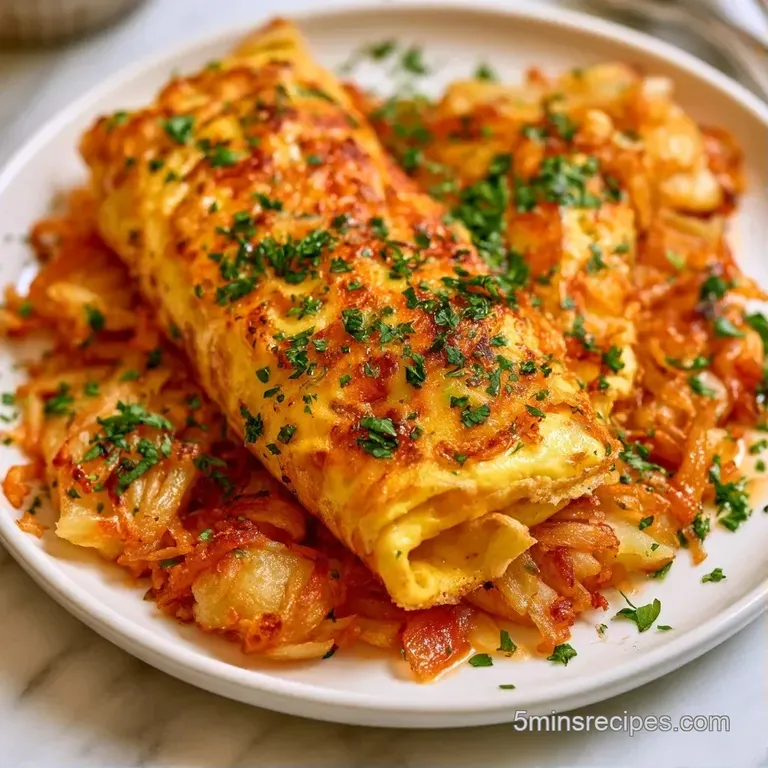
Phase 1: Sautéing the Aromatics
Warm the vegetable oil over medium heat. Toss in the chopped onions and red bell peppers, cooking until they turn translucent and aromatic (roughly 3-4 minutes). Mix in the diced ham until warmed, then scoop the mixture out of the skillet and set it aside.
Phase 2: Creating the Shattering Crust
Melt the butter in that same pan over medium-high heat. Arrange the thawed, dried hash browns in a uniform layer. Firmly press them down using a spatula. Let them cook without stirring for 5-7 minutes until the underside reaches a deep mahogany brown and lifts easily.
Flip the potatoes in parts or as a single cake, searing the second side for 3 minutes.
Phase 3: The Egg Pour and Fold
Reduce the heat to medium-low. In a bowl, whisk together the eggs, cream, and seasonings until perfectly smooth. Pour this egg mixture evenly across the golden-brown hash browns. Once the edges start to set and appear opaque, distribute the sautéed filling and shredded cheese over one half.
Carefully fold the other side over the top. Place a lid on the pan for 60 seconds so the cheese melts completely and the center stays velvety.
What Makes This So Good
The magic happens during the sear. By letting the potatoes sit, we create a crust that acts as a barrier. This stops the eggs from soaking into the potatoes and making them soggy.
The heavy cream in the eggs acts as a stabilizer. It keeps the proteins from bonding too tightly, which is why the eggs stay tender instead of becoming like a sponge.
Serious Eats' testing shows that removing moisture from vegetables before cooking prevents a gummy texture. Applying that here means our hash brown base stays crisp even after the eggs are added.
Fixing Common Issues
Fixing a Soggy Base
If your Hash Brown Omelet feels mushy, it's almost always a moisture issue. Frozen potatoes release a lot of water as they thaw. If you don't pat them dry with paper towels, that water turns into steam in the pan. Steam is the enemy of a crust.
Next time, squeeze the potatoes in a clean kitchen towel to get every drop out.
Preventing Egg Overcooking
Rubbery eggs happen when the heat is too high during the final pour. Once the potatoes are browned, you must drop the heat to medium low. If the pan is still screaming hot, the eggs will puff up and toughen before the cheese even has a chance to melt. Keep the heat low and slow for the eggs.
Managing the Flip
Flipping a large Hash Brown Omelet can be scary. If you're worried about it breaking, don't try to flip it as one piece. Use your spatula to flip it in quarters. Once each section is flipped, gently slide them back together. It's not as pretty, but it saves you from having scrambled potatoes.
Saving and Reheating
Place remaining portions in a closed container and refrigerate for up to 3 days. Note that the crust will naturally soften in the fridge, as is typical with potato dishes.
To restore the crunch, avoid using a microwave, which often makes the eggs rubbery and the potatoes soggy. Instead, heat a slice in a dry skillet over medium heat for 2-3 minutes per side to crisp up the exterior.
To avoid waste, stir any extra diced peppers or onions into a sausage cabbage skillet for dinner. It's a fantastic way to use up the remaining bits from your vegetable drawer.
Fun Flavor Twists
For a Southwestern Twist
Swap the ham for chorizo and use pepper jack cheese. Add a few slices of fresh jalapeño to the sauté phase. Serve it with a dollop of sour cream and some sliced avocado on top.
For a Garden State Version
Skip the meat entirely. Use sautéed spinach, mushrooms, and feta cheese. The saltiness of the feta replaces the ham, and the spinach adds a nice pop of color.
For a Low Carb Swap
If you need to cut the carbs, replace the frozen hash browns with riced cauliflower. You'll need to sauté the cauliflower for a bit longer to cook off the moisture since it doesn't have the same starch as potatoes.
For a dairy-free Option
Use a vegan butter substitute and swap the heavy cream for a splash of unsweetened almond milk. Use a dairy-free cheddar shred. You'll lose a bit of the richness, but the texture stays mostly the same.
Best Side Dishes
Because a Hash Brown Omelet is a hearty meal, I prefer pairing it with something fresh or acidic. Sliced tomatoes with a touch of salt and pepper are a simple way to balance the richness of the cheese and butter.
Grapefruit slices or fresh berries are also wonderful options. That hit of tartness refreshes your palate between bites of the savory egg and potato blend.
When serving a group, a pot of bold black coffee is all you need. The strong flavor offsets the richness of the cheddar, keeping every bite of the Hash Brown Omelet tasting bright.
Recipe FAQs
Are hash browns good in an omelette?
They add a satisfying crunch and heartiness to the dish.
Tip: pat them dry first to ensure they crisp up instead of steaming.
Can you mix hash browns with eggs?
Combining them creates a dense, filling breakfast hybrid.
Tip: sear the potatoes fully before pouring the eggs over them for better texture.
Do you need to cook potatoes before putting in omelette?
Yes, they must be seared in butter first to develop a crust.
Tip: let them cook undisturbed for 5–7 minutes to get a deep mahogany-brown color.
Is it true that only commercial griddles create crispy potato edges?
This one's false: A standard skillet works perfectly if you maintain medium-high heat.
Tip: use a spatula to press the potatoes firmly against the pan.
How to keep the omelet from falling apart when folding?
Wait for the edges to set and look opaque before adding your filling.
Tip: use a lid for 60 seconds at the end to melt the cheese and stabilize the center.
Which sides pair best with a potato omelet?
Fresh fruit or a light salad balances the richness of the butter and cheese.
Tip: if you enjoyed mastering this savory skillet technique, see how it applies to our cheesy corn bake.
Hash Brown Omelet for 4 Servings