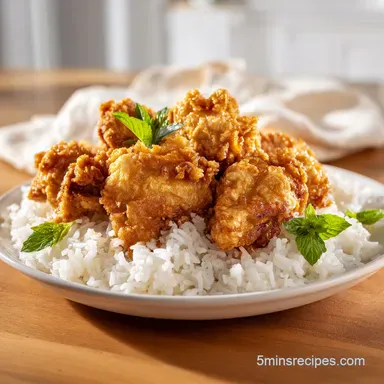
Chicken and Rice: One-Pan Oven Bake
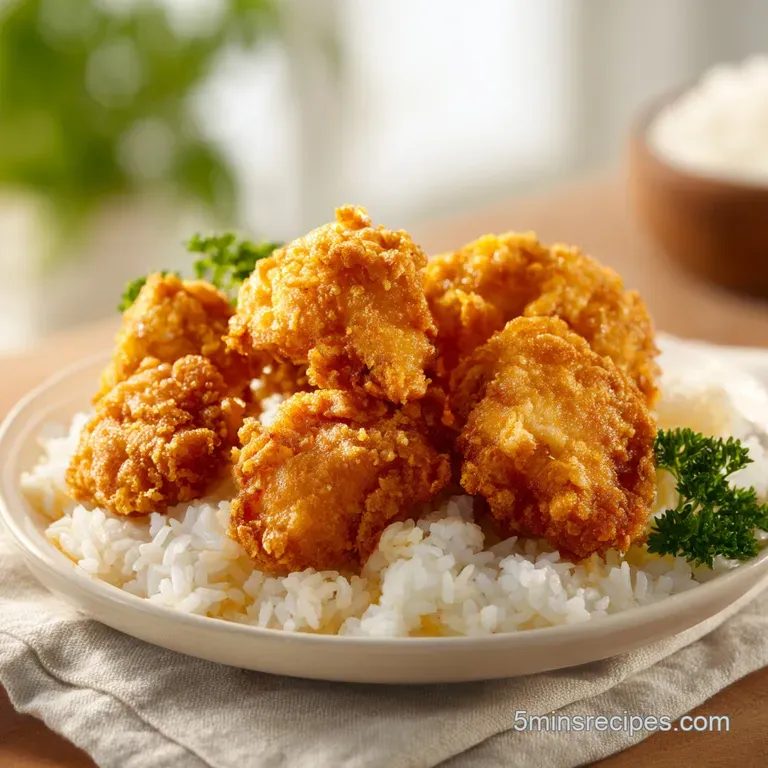
- Time:15 minutes active + 60 minutes cooking = Total 75 minutes
- Flavor/Texture Hook: Mahogany crisp skin with velvety, savory rice
- Perfect for: Busy weeknight dinners and minimal cleanup
- The Secret to Great Chicken and Rice
- Why the Rice Stays Fluffy
- Method Comparison
- Component Analysis
- Ingredients and Substitutes
- Essential Minimal Tool Kit
- Step by Step Method
- Fixing Common Pan Problems
- Flavor Twists and Substitutes
- Adjusting for Batch Size
- Kitchen Myths
- Storage and Zero Waste
- Best Side Dish Pairings
- High in Sodium
- Recipe FAQs
- 📝 Recipe Card
The Secret to Great Chicken and Rice
Sizzle. That's the sound of chicken skin hitting a hot pan, and it's the most important sound in this entire process. I remember the first time I tried a pan chicken and rice recipe. I was lazy and just threw everything in the pot at once. The result?
The chicken was grey, the rice was a gummy mess, and it tasted like boiled cardboard. I realized then that this dish isn't just about combining ingredients, it's about the order of operations.
The real magic happens when you treat the pan like a professional station. You need that hard sear on the thighs to create a base of flavor, and you need to toast the rice in the leftover fat before the liquid hits.
When those two things happen, you get a meal that feels like it took hours but actually just sat in the oven while you relaxed.
This Chicken and Rice method is designed for speed and reliability. We're using a single oven safe skillet to move from the stovetop to the oven without stopping. You'll get that distinct contrast between the shatter crisp skin and the tender, broth soaked grains.
Trust me, once you do it this way, you'll never go back to the "dump and bake" method.
Why the Rice Stays Fluffy
I used to wonder why some versions of this dish come out like risotto and others stay distinct. It comes down to a few simple physical reactions in the pan.
- Grain Toasting: Coating the rice in butter and fat before adding broth creates a protective barrier. This prevents the grains from releasing too much starch, which is what causes that gummy, porridge like texture.
- Fat Rendering: Searing the skin on thighs first releases natural schmaltz. This fat permeates the rice as it bakes, adding a deep, savory layer that you can't get from butter alone.
- Steam Control: Using a tight fitting lid prevents the liquid from evaporating too quickly. This ensures the rice cooks evenly through convection rather than just boiling from the bottom.
- Carryover Heat: Letting the pan rest after it leaves the oven allows the remaining moisture to redistribute. This is why the rice doesn't stick to the bottom of the pan.
If you enjoy these kinds of streamlined textures, you might also like the way the sauce clings in my Smothered Chicken and Rice version, though that's a bit creamier.
Method Comparison
| Method | Active Time | Texture | Best For |
|---|---|---|---|
| Stovetop Only | 25 minutes | Softer/Moister | Fast cravings |
| Oven Bake | 15 minutes | Crispy Skin/Fluffy | Hands off dinner |
| Slow Cooker | 10 minutes | Shredded/Tender | Meal prep |
Right then, let's look at what's actually happening with the ingredients before we get into the gear.
Component Analysis
| Ingredient | Science Role | Pro Secret |
|---|---|---|
| Long grain Rice | Structure | Rinse it well to remove surface starch |
| Bone in Thighs | Flavor Base | Keep the bone in for better rice flavor |
| Chicken Broth | Hydration | Use low sodium to control the salt |
| Lemon Juice | Brightness | Add at the end to cut through the fat |
Ingredients and Substitutes
For this Chicken and Rice, stick to these exact measurements for the best results.
- 4 bone in, skin on chicken thighs (approx. 1.5 lbs / 680g) Why this? Thighs stay juicy during the long bake.
- 1 tsp salt
- ½ tsp black pepper
- 1 tsp garlic powder
- 1 tbsp olive oil
- 1 ½ cups long grain white rice (uncooked) Why this? Long grains stay separate and fluffy.
- 2 ¾ cups low sodium chicken broth
- 1 cup diced carrots
- 1 cup diced celery
- ½ cup diced yellow onion
- 3 cloves minced garlic
- 2 tbsp unsalted butter
- ½ cup fresh parsley, chopped
- 1 tbsp lemon juice
Ingredient Swap Guide
| Original Ingredient | Substitute | Why It Works |
|---|---|---|
| Long grain White Rice | Basmati Rice | Similar structure. Note: Slightly nuttier flavor and more aroma |
| Chicken Broth | Water + Bouillon | Same liquid ratio. Note: Watch the salt levels carefully |
| Bone in Thighs | Boneless Thighs | Faster cook time. Note: Less flavor in the rice, skin is missing |
| Fresh Parsley | Fresh Cilantro | Similar freshness. Note: Shifts flavor toward a Latin profile |
Don't even bother with low-fat butter here. The fat is what carries the garlic and onion flavors into every single grain of rice.
Essential Minimal Tool Kit
You don't need a kitchen full of gadgets for this. In fact, the fewer tools you use, the better the flow.
- Oven safe skillet: A 12 inch cast iron or stainless steel pan is best. It must be able to handle 375°F without the handle melting.
- Tight fitting lid: If you don't have a lid for your skillet, a sheet of heavy duty aluminum foil works perfectly.
- Paper towels: These are non negotiable for drying the chicken skin.
- Chef's knife and cutting board: For those quick dice of the mirepoix (carrots, celery, onion).
Step by step Method
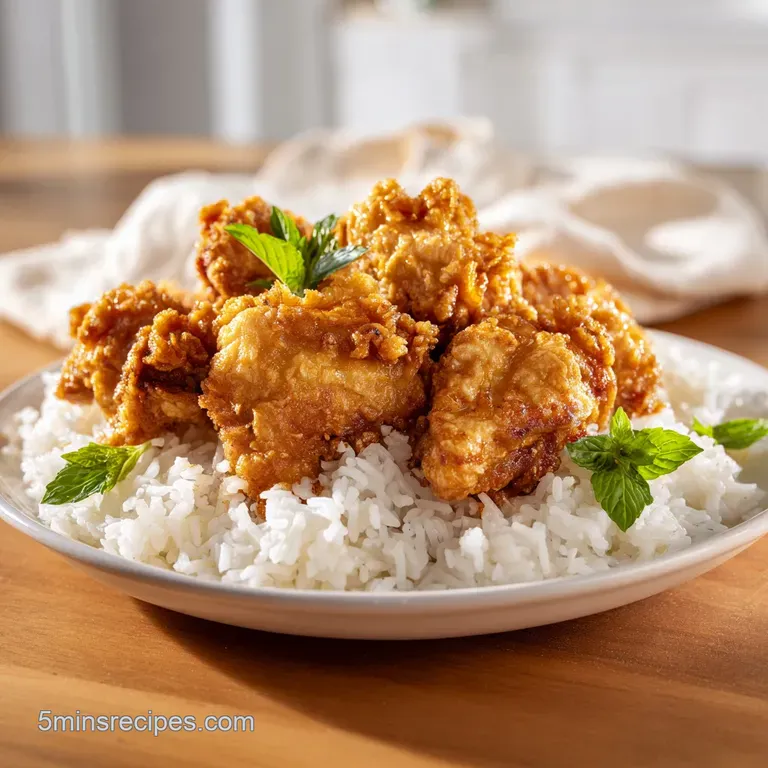
Let's crack on with the actual cooking. Follow these steps in order to ensure you get that mahogany finish on the meat and a fluffy base.
Phase 1: The Golden Sear
- Pat the chicken thighs bone dry with paper towels. Note: Moisture on the skin creates steam, which prevents browning.
- Season all sides of the meat with salt, pepper, and garlic powder.
- Heat olive oil in your oven safe skillet over medium high heat.
- Place thighs skin side down and sear for 5-7 minutes until the skin is mahogany colored and releases easily from the pan.
- Flip and sear for 2 more minutes, then remove chicken to a plate. Note: The chicken won't be cooked through yet, and that's fine.
Phase 2: Aromatics and Toasting
- Lower heat to medium and melt butter in the remaining chicken fat.
- Add onion, carrots, and celery, sautéing for 4-5 minutes until the onion is translucent and fragrant.
- Stir in minced garlic and dry rice, stirring constantly for 2 minutes until rice edges look translucent. Note: This toasting step is what prevents "porridge" rice.
Phase 3: The Oven Bake
- Pour in chicken broth and stir, scraping the bottom of the pan to release the browned bits. Note: Those brown bits are concentrated flavor gold.
- Nestle the seared chicken thighs on top of the rice, skin side up.
- Cover the pan with a tight fitting lid or foil and bake in a preheated oven at 375°F (190°C) for 35-40 minutes until rice is tender and liquid is absorbed.
Phase 4: The Final Rest
- Remove from oven and let it sit, covered, for 5 minutes.
- Garnish with chopped fresh parsley and a drizzle of lemon juice before serving.
Chef Note: If you're using a very deep pan, check the rice at 30 minutes. The surface area affects how quickly the liquid evaporates.
Fixing Common Pan Problems
Even with a solid plan, things can go sideways. Usually, it's a matter of heat management or liquid ratios.
Mushy Rice Textures
This usually happens if the rice wasn't toasted enough or if you stirred the rice too much after adding the broth. Stirring releases starch, which creates a creamy, porridge like consistency. To avoid this, stir once to incorporate the broth and then leave it alone.
Rubbery Chicken Skin
If your skin isn't shattering, it's likely because the chicken was damp when it hit the oil. You have to be aggressive with the paper towels. Also, make sure the pan is hot enough that the oil shimmers before you drop the meat in.
Hard Rice Grains
If the rice is still crunchy but the timer is up, you likely have a leak in your lid. Steam escaping means the liquid evaporated before the starch could gelatinize.
| Problem | Root Cause | Solution |
|---|---|---|
| Rice is too wet | Lid too tight/low heat | Bake uncovered for 5 more minutes |
| Burnt bottom | Heat too high | Add 2 tbsp broth and lower oven temp |
| Dry chicken | Overbaked | Reduce bake time by 5 minutes next time |
Common Mistakes Checklist
- ✓ Did you dry the chicken skin completely?
- ✓ Did you toast the rice until the edges were translucent?
- ✓ Did you scrape the "fond" (brown bits) off the pan?
- ✓ Is your lid truly airtight?
- ✓ Did you let the dish rest before serving?
Flavor Twists and Substitutes
Once you've nailed the basic Chicken and Rice, you can start playing with the profiles. I've found that changing just two ingredients can make this feel like a completely different cuisine.
For a Mediterranean Twist Swap the carrots and celery for diced zucchini and red bell pepper. Stir in a handful of kalamata olives and some dried oregano with the garlic. Top it with crumbled feta cheese right before serving.
For a Creamy Comfort Style Stir in two tablespoons of heavy cream or a dollop of sour cream after taking the pan out of the oven. This gives it a richness similar to a casserole. If you're craving something with a sweet savory glaze, you could try a technique similar to my Homemade Teriyaki Chicken by adding a touch of honey and soy sauce to the broth.
For a Low Sodium Version Use a "no salt added" chicken broth and replace the salt seasoning with a squeeze of extra lemon and a pinch of smoked paprika. The acidity of the lemon mimics the "hit" of salt on the tongue.
For gluten-free Needs This recipe is naturally gluten-free as long as your chicken broth is certified GF. Some bouillon cubes contain wheat based fillers, so always check the label.
Adjusting for Batch Size
When you change the amount of food, you can't always just double the numbers. Thermodynamics doesn't work linearly in a skillet.
Cooking for Two (Half Batch) Use a smaller 8 inch skillet. Reduce the baking time by about 20% (try 25-30 minutes) because the smaller mass heats through faster. If you're using a single egg as a binder in variations, beat it first and measure out half.
Feeding a Crowd (Double Batch) Don't try to double this in one standard skillet, or the rice in the middle won't cook. Use two separate pans or a large roasting pan. Increase the salt and spices to only 1.5x the original amount, as these flavors concentrate more in larger volumes.
Reduce the total liquid by about 10% to prevent the bottom layer from becoming soggy.
Baking Large Quantities If you move this to a deep casserole dish, lower the oven temperature to 350°F (175°C) and extend the bake time by 10-15 minutes. This prevents the edges from burning before the center is cooked.
Kitchen Myths
There are a few things people say about pan searing that just aren't true. Let's clear the air.
The "Juice Seal" Myth Many people believe searing the chicken "seals in the juices." It doesn't. Moisture loss happens regardless of whether you sear the meat. What searing actually does is create a crust of flavor through the Maillard reaction, which makes the dish taste better.
The "Rinsing Rice is Bad" Myth Some say rinsing rice ruins the texture. For risotto, yes. For Chicken and Rice, no. Rinsing long grain rice removes the excess surface starch, which is exactly how we ensure the grains stay separate and fluffy rather than clumping together.
Storage and Zero Waste
Don't let the leftovers go to waste. This dish actually holds up quite well in the fridge.
Storage Guidelines Keep your leftovers in an airtight container in the fridge for up to 3-4 days. If you're freezing it, I recommend freezing the rice and chicken separately if possible, but as a mixed dish, it lasts about 2 months.
Reheating for Quality Avoid the microwave if you can, as it makes the chicken rubbery. Instead, put a portion in a small pan with a splash of chicken broth or water. Cover it and heat on low for 5-10 minutes. This steams the rice back to life.
- Chicken Bones
- If you have extra bones from the thighs, simmer them with the celery and carrot scraps to make a quick "scrap broth" for your next meal.
- Parsley Stems
- Don't throw them away! Finely chop the stems and sauté them with the onions; they have more concentrated flavor than the leaves.
- Leftover Rice
- If you have a bit of rice left over, fry it up the next morning with an egg and some soy sauce for a quick breakfast hash.
Best Side Dish Pairings
Since this Chicken and Rice is a complete meal (protein, starch, and veg), you want sides that provide a contrast in texture or a pop of acidity.
Fresh and Crisp A simple arugula salad with a lemon vinaigrette is the best match. The peppery greens and sharp acid cut right through the richness of the chicken fat and butter.
Steamed Greens Garlic sauteed spinach or steamed broccolini adds a vibrant color to the plate and provides a nutritional boost. Since the oven is already on, you can roast some asparagus on a separate tray during the last 12 minutes of the bake.
Tangy Accents A side of quick pickled red onions or a few slices of fresh avocado provides a creamy, tangy contrast to the savory, salty profile of the pan chicken and rice.
High in Sodium
840 mg 840 mg of sodium per serving (37% 37% of daily value)
The American Heart Association recommends a daily limit of 2,300mg of sodium to maintain heart health and reduce the risk of hypertension.
Tips to Reduce Sodium
-
Swap the Broth-30%
Replace the low-sodium chicken broth with homemade unsalted broth or water combined with extra aromatic vegetables to cut significant salt.
-
Reduce Added Salt-25%
Cut the 1 tsp of added salt in half or remove it entirely, as the chicken broth already contains sodium.
-
Boost the Acidity-10%
Increase the lemon juice or add a splash of apple cider vinegar; acidity tricks the palate into perceiving more saltiness.
-
Enhance with Aromatics
Increase the amount of fresh parsley, minced garlic, and black pepper to add depth of flavor without adding any sodium.
Recipe FAQs
Can you cook raw chicken and rice at the same time?
Yes, if the chicken is seared first. Searing the chicken separately ensures the skin gets mahogany colored and the meat reaches a safe temperature without overcooking the rice.
Can a diabetic eat baked chicken?
Yes, baked chicken is an excellent choice. It provides lean protein without added sugars, though you should monitor the portion of white rice to manage carbohydrate intake.
Can I put rice in the same pan I cooked chicken in?
Yes, and you should. Cooking the rice in the remaining chicken fat and browned bits adds significant depth and flavor to the final dish.
What can I add to chicken and rice to make it taste better?
Stir in chopped fresh parsley and a drizzle of lemon juice. These additions add a bright, citrusy acidity that cuts through the richness of the butter and chicken.
How to prevent the rice from becoming mushy?
Sauté the dry rice in butter for 2 minutes. This toasts the grains and helps them maintain their structure during the baking process. If you enjoyed mastering this texture control, see how the same principle works in our one pan pasta.
Is it true that you must rinse the rice before cooking to prevent sticking?
No, this is a common misconception. While rinsing removes surface starch, sautéing the rice in butter as specified in this recipe effectively prevents clumping.
How to reheat leftovers without making the chicken rubbery?
Heat in a small pan with a splash of chicken broth. Cover the pan and warm on low for 5-10 minutes to steam the rice back to its original consistency.
One Pan Chicken And Rice