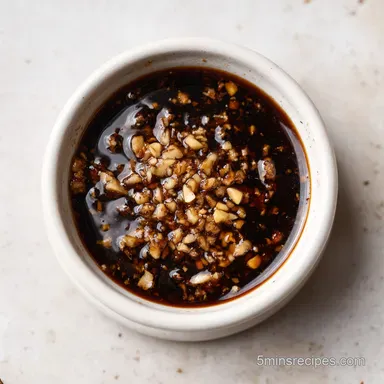
Dumpling Dipping Sauce: Tangy and Bold
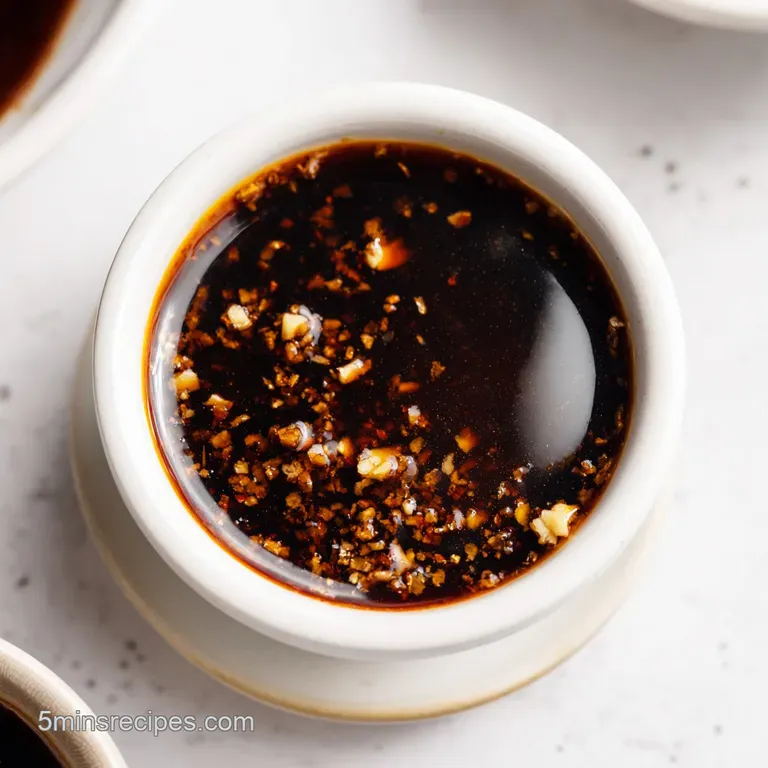
- Time:2 minutes active = Total 2 minutes
- Flavor/Texture Hook: Tangy, salty, and velvety with a spicy kick
- Perfect for: Quick weeknight snacks, potsticker parties, or appetizer platters
The Best Dumpling Dipping Sauce
That sharp, vinegary scent hitting you the second you walk into a dim sum parlor is something you never forget. It's a smell that signals a feast is coming, usually involving mountains of steamed baskets and plates of golden bottomed potstickers.
For a long time, I thought that flavor was a secret guarded by chefs, something you could only find in specific neighborhoods of the city. I grew up eating dumplings, but the sauce was always the mystery ingredient that tied the whole meal together.
I spent a few years trying to recreate it at home, but something was always off. Sometimes it was too salty, other times it tasted like plain salad dressing. Then I realized the mistake was the vinegar. I was using standard white vinegar, which is just aggressive acid.
The real secret to a proper Dumpling Dipping Sauce is the depth of the vinegar and the way the aromatics are infused into the liquid.
Now, I make this every single time I have a frozen bag of gyoza or homemade wrappers in the fridge. It's not just a side; it's the star. We're looking for a specific contrast here: the richness of the sesame oil against the punch of the black vinegar, and the sweetness of the sugar bridging those two extremes.
Let's get into how to make this happen in literally two minutes.
Why Most Recipes Fail
Most people just throw a few things in a bowl and call it a day, but the balance of a Dumpling Dipping Sauce is a delicate game of tug of-war. If you overdo the soy, it's a salt lick. If you skip the sugar, the vinegar tastes harsh.
The Acid Balance: Black vinegar isn't just sour, it's malty. It provides a base note that standard vinegars can't touch, which keeps the sauce from tasting one dimensional.
Aromatic Timing: Adding garlic and ginger at the end without a brief rest period leaves them tasting too "raw" and biting. A tiny bit of time allows the acidity to soften them.
Fat Integration: Sesame oil and chili oil are heavy. If they aren't whisked in properly, they just float on top in a greasy layer instead of blending into a velvety liquid.
The Sweetness Bridge: Sugar doesn't make the sauce "sweet" in a dessert way. It actually suppresses the bitterness of the soy and the sharpness of the vinegar, making the overall flavor feel rounder.
| Thickness | Temp | Rest | Cue |
|---|---|---|---|
| Thin/Watery | Room Temp | 60 seconds | Sugar completely dissolved |
Exact Recipe Specs
Before we dive into the ingredients, it's important to understand that this is a high impact condiment. Because it's so concentrated, a little goes a long way. You aren't soaking the dumplings; you're lightly dipping them to add a layer of bold flavor.
This recipe focuses on an Asian fusion approach, blending the deep notes of Chinese black vinegar with the nutty punch of toasted sesame oil. It's designed to be fast, but the quality of your ingredients really matters here. If you use a cheap, watered down soy sauce, the result will be bland.
Look for a naturally brewed soy sauce for the best umami hit.
Your Essential Ingredients
For this to work, you need the right components. Don't try to shortcut the black vinegar if you can help it, as it's the soul of the dish.
- 3 tbsp soy sauce Why this? Provides the salty, umami foundation. (Substitute: Tamari for gluten-free)
- 2 tbsp Chinese black vinegar Why this? Adds a malty, complex sourness. (Substitute: Balsamic vinegar in a pinch)
- 1 tsp sugar Why this? Balances the sharp acidity. (Substitute: Honey or maple syrup)
- 1 tsp toasted sesame oil Why this? Adds a rich, nutty aroma. (Substitute: Peanut oil with a drop of liquid smoke)
- 1 clove garlic, finely minced Why this? Fresh pungency. (Substitute: 1/4 tsp garlic powder)
- 1/2 tsp fresh ginger, grated Why this? Adds a bright, peppery heat. (Substitute: 1/4 tsp ground ginger)
- 1 tsp chili oil with flakes Why this? Brings the heat and visual texture. (Substitute: Sriracha or red pepper flakes)
| Ingredient | Science Role | Pro Secret |
|---|---|---|
| Black Vinegar | Acid/Depth | Use Chinkiang vinegar for the most authentic malty taste |
| Soy Sauce | Salt/Umami | Use low sodium if you're sensitive to salt to avoid overpowering the ginger |
| Sesame Oil | Aromatics | Always use "toasted" oil, not plain sesame oil, for that deep scent |
| Fresh Ginger | Brightness | Grate it on the smallest holes of your grater for a velvety texture |
Tools You Need
You don't need a fancy kitchen setup for this. A small mixing bowl and a whisk (or even just a fork) will do the trick. If you're prepping this for a party, a glass jar with a lid is great because you can shake it up to re emulsify the oils before serving.
I usually use a small ceramic ramekin for serving. It keeps the sauce contained and looks a bit more polished on the table. If you're making a larger batch, a Mason jar is your best friend here.
Step by step Mixing
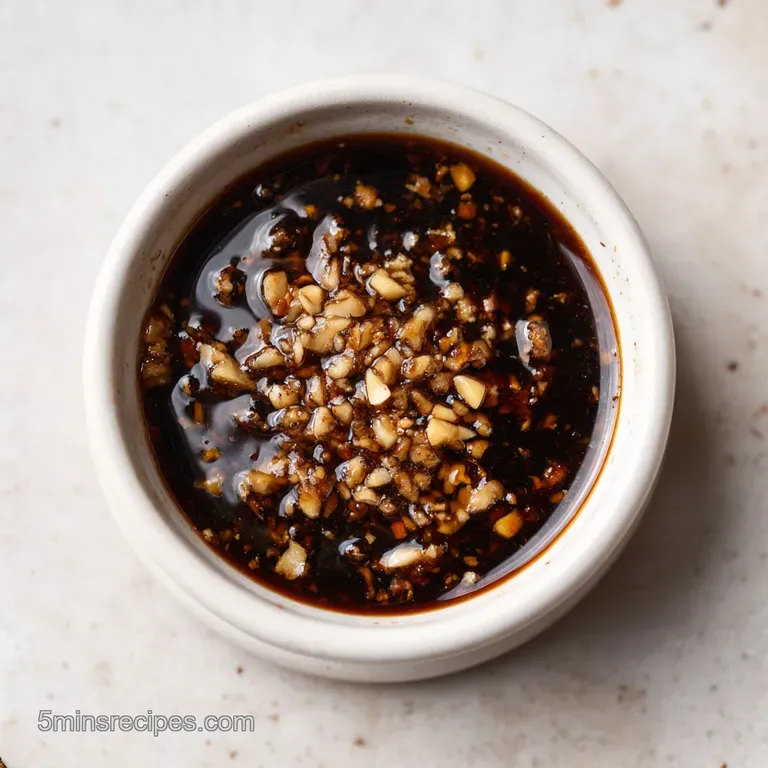
This is where the magic happens. It's a fast process, but the order of operations is key to getting that smooth, integrated flavor.
- Combine the soy sauce, black vinegar, and sugar in a small mixing bowl. Note: Using a bowl with a rounded bottom helps the whisk reach everything.
- Whisk vigorously for 30 seconds until the sugar is completely dissolved.
- Stir in the minced garlic and grated ginger.
- Let the mixture sit for 60 seconds until the vinegar mellows the raw garlic.
- Slowly whisk in the toasted sesame oil. Note: Doing this slowly prevents the oil from separating immediately.
- Stir in the chili oil with flakes until the red oil streaks through the dark base.
- Give it one final whisk to ensure all the aromatics are suspended in the liquid.
- Taste a small drop with a dumpling to check the balance.
Chef's Note: If the sauce feels too sharp, add another pinch of sugar. If it feels too heavy, a tiny splash of extra vinegar will brighten it right back up.
Fixing Common Sauce Issues
Even with a simple recipe, things can go sideways. Usually, it's a matter of ingredient ratios or substitutions that didn't quite land.
The sauce is too salty
This usually happens if your soy sauce is a very concentrated brand. The salt can mask the ginger and garlic. To fix this, add a teaspoon of water or a bit more black vinegar to dilute the sodium concentration.
I can't find black vinegar
If you're in a pinch and can't get to an Asian grocery store, you can try a mix of balsamic and rice vinegar. As noted by Serious Eats, Chinkiang vinegar has a very specific profile that is hard to mimic, but the balsamic provides a similar darkness and depth.
The flavor feels flat
Flatness usually means a lack of acidity or fresh aromatics. Check your ginger - if it was old or powdered, it won't have that "zing." Adding a squeeze of fresh lime juice can often wake up a dull Dumpling Dipping Sauce.
| Problem | Root Cause | Solution |
|---|---|---|
| Oil floating on top | Poor whisking | Shake vigorously in a jar before serving |
| Too pungent/sharp | Garlic too raw | Let the sauce sit for 5-10 minutes |
| Lacks "body" | Sugar didn't dissolve | Whisk for another 30 seconds |
Common Mistakes Checklist:
- ✓ Did you use toasted sesame oil instead of regular?
- ✓ Is the sugar fully dissolved so the sauce isn't gritty?
- ✓ Did you let the garlic sit in the vinegar for a minute?
- ✓ Did you use fresh ginger instead of the dried powder?
- ✓ Did you whisk the oils in last to keep the emulsion?
Tasty Flavor Twists
Once you've nailed the base, you can start playing with the profile. This is where you can turn a standard dip into something totally unique.
The "No Soy" Swap If you need a version without soy sauce, use coconut aminos. According to USDA FoodData, coconut aminos are lower in sodium and have a slightly sweeter profile. It works well but makes the sauce a bit thinner, so you might want to reduce the sugar by half.
The Japanese Gyoza Twist For a cleaner, brighter taste, swap the black vinegar for rice vinegar and add a teaspoon of mirin. This creates a more delicate balance that doesn't overpower the filling of the dumpling.
The Szechuan Fire If you love heat, double the chili oil and add a pinch of ground Szechuan peppercorns. This adds that famous "numbing" sensation that pairs brilliantly with fried potstickers. If you enjoy these bold flavors, you'll probably love my Teriyaki Chicken recipe for another hit of Asian inspired goodness.
The Low Sodium Lean Use low sodium soy sauce and increase the amount of fresh ginger and garlic. This relies on aromatics rather than salt to carry the flavor, making it a lighter option without sacrificing the punch.
| Original Ingredient | Substitute | Why It Works |
|---|---|---|
| Soy Sauce (3 tbsp) | Coconut Aminos (3 tbsp) | Similar saltiness. Note: Sweeter and lower sodium |
| Black Vinegar (2 tbsp) | Balsamic Vinegar (2 tbsp) | Similar color and depth. Note: Lacks the malty funk |
| Sugar (1 tsp) | Maple Syrup (1 tsp) | Adds sweetness. Note: Adds a slight woody flavor |
Adjusting Batch Sizes
Making this for two people is different than making it for a party of ten. You can't always just multiply everything by five and expect it to taste the same.
Scaling Down (Half Batch) If you're only making a small amount, be careful with the garlic. One small clove is plenty. Use 1.5 tbsp soy and 1 tbsp vinegar. The oils can be tricky to measure in tiny amounts, so just use a generous drizzle.
Scaling Up (4x Batch) When quadrupling the recipe, don't quadruple the salt (soy sauce) and spices immediately. Start with 3x the soy sauce and sesame oil, then taste and adjust. Liquids tend to amplify differently in larger volumes.
Work in a larger bowl to ensure you have enough room to whisk the oils in without splashing.
Debunking Sauce Myths
There are a few things people tell you about dipping sauces that just aren't true. Let's clear those up.
Myth: You need to heat the sauce to "activate" the flavors. False. Heating this sauce can actually cause the volatile aromas of the sesame oil and fresh ginger to evaporate, leaving you with a flatter taste. Keep it cold or room temp.
Myth: Soy sauce is the only way to get umami. Not true. The black vinegar and the toasted sesame oil provide their own forms of savory depth. You can actually reduce the soy and increase the vinegar for a more "tangy" rather than "salty" experience.
Storage and Waste
This sauce keeps surprisingly well because the vinegar and salt act as natural preservatives.
Fridge Storage Store the sauce in an airtight glass jar in the fridge for up to 2 weeks. The garlic and ginger will continue to infuse, meaning the sauce actually tastes better after a day or two. Just remember to shake it well before using, as the oils will naturally separate.
Freezing Do not freeze this sauce. The oils can separate permanently, and the fresh garlic can develop an off flavor when thawed. It's too quick to make from scratch to bother with the freezer.
Zero Waste Tips If you have leftover ginger root, peel it and freeze it in a zip lock bag. You can grate it while it's still frozen - it's actually easier! For the garlic skins, if you're making a vegetable stock, toss them in for a tiny bit of extra aromatic depth before composting.
Perfect Food Pairings
While this is designed as a Dumpling Dipping Sauce, it's versatile enough to use on other things. It's essentially a high end ponzu with a spicy kick.
Try drizzling this over steamed bok choy or roasted cauliflower. The acidity cuts through the bitterness of the greens and the char of the vegetables. It also works as a glaze for grilled shrimp if you simmer it for two minutes to thicken it slightly.
If you're looking for something totally different for your snack platter, my Garlic Parmesan Sauce offers a creamy, salty contrast that works great alongside these spicy dumplings. Whether you're going for the bold Asian fusion of this dip or a cheesy classic, the key is always that balance of salt and acid.
Recipe FAQs
What is the best dipping sauce for dumplings?
A balance of salty, sour, and spicy. Combining soy sauce and Chinese black vinegar provides the essential base, while chili oil adds heat. If you enjoy bold, zesty flavors, you might also like the bright notes in our Lemon Pepper Chicken.
Can diabetics have this sauce?
Consult your doctor, but be cautious of the sugar. This recipe contains 1 tsp of sugar per batch, which may impact blood glucose levels depending on your dietary needs.
How to make a quick gyoza dipping sauce?
Whisk soy sauce, black vinegar, and sugar for 30 seconds until the sugar is completely dissolved. Stir in garlic and ginger, let sit for 60 seconds, then slowly whisk in the sesame and chili oils.
What is potsticker dipping sauce made of?
A blend of savory, acidic, and aromatic ingredients. It consists of soy sauce, Chinese black vinegar, sugar, toasted sesame oil, minced garlic, grated ginger, and chili oil.
Is it true that you can freeze this sauce for later?
No, this is a common misconception. Freezing can cause the oils to separate permanently and may cause the fresh garlic to develop an off flavor upon thawing.
How long can I store this sauce in the fridge?
Up to 2 weeks in an airtight glass jar. The vinegar and salt act as natural preservatives, though you should shake the jar before serving as the oils will naturally separate.
Why do I need to let the sauce sit for 60 seconds?
To mellow the raw garlic. This brief resting period allows the acidity of the black vinegar to soften the harsh, pungent bite of the fresh minced garlic.
Dumpling Dipping Sauce