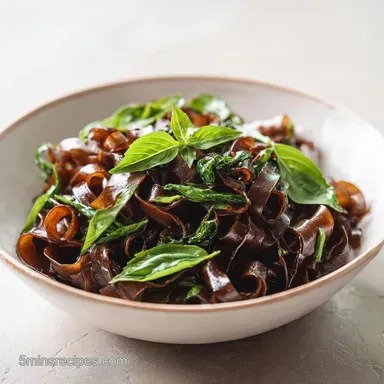
Authentic Thai Drunken Noodles: Smoky and Bold
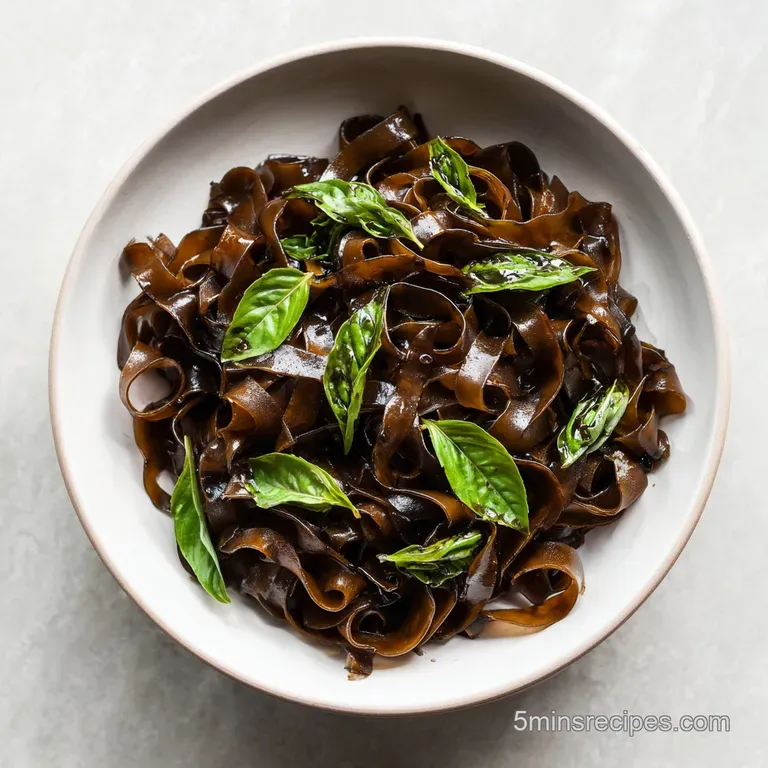
- Time: 10 min active + 30 min soaking = Total 45 mins
- Flavor/Texture Hook: Smoky, charred edges with a bold, spicy sweet punch
- Perfect for: A fast weeknight dinner that feels like a takeout treat
- Best Drunken Noodles Recipe
- The Secret To Wok Char
- Quick Recipe Specs
- Essential Stir Fry Ingredients
- Required Kitchen Tools
- Step By Step Cooking Guide
- Fixing Common Cooking Mistakes
- Bold Flavor Twists
- Scaling For Different Crowds
- Truth About Stir Fry Myths
- Storage And Waste Tips
- Plating For Maximum Impact
- High in Sodium
- Recipe FAQs
- 📝 Recipe Card
Best Drunken Noodles Recipe
That first hiss when the beef hits the shimmering oil is everything. I remember the first time I tried this at a tiny spot in Bangkok, and the aroma of charred Thai basil and fish sauce literally stopped me in my tracks.
I spent way too long trying to recreate that specific "burnt" flavor at home, only to realize I was being too timid with my stove.
The trick is pushing your pan to the absolute limit. Once I stopped worrying about the smoke alarm and started embracing the high heat, everything changed. You want those wide noodles to actually sear against the metal, creating those little blackened spots that give the dish its soul.
If you've been craving something that hits every single taste bud at once, this drunken noodles recipe is it. It's a bold fusion of heat, salt, and a surprising hint of sweetness that cuts through the richness of the beef. Let's get into how to actually pull this off without turning your dinner into a mushy mess.
The Secret To Wok Char
Right then, let's talk about why this actually works. Most people struggle with stir fries because they crowd the pan, which drops the temperature and steams the food instead of searing it.
High Heat Contact: Searing beef in a single layer prevents moisture buildup, allowing the meat to brown and create deep, savory flavors.
Starch Control: Soaking dried noodles in lukewarm water rather than boiling them keeps the exterior firm. This prevents them from disintegrating when they hit the sauce.
Umami Layering: Using three different types of soy and fish sauce creates a complex salt profile. According to Serious Eats, this layering of salty elements is what gives professional Asian dishes their depth.
Fresh Basil Timing: Adding basil at the very end preserves the volatile oils. If you cook it too long, you lose that bright, peppery punch.
Fast vs Classic Method
| Feature | Fast Home Method | Classic Restaurant Way | Impact |
|---|---|---|---|
| Equipment | Cast Iron / Large Skillet | High BTU Commercial Wok | Home version takes slightly longer to sear |
| Prep Time | Pre mixed sauce bowl | Individual seasoning additions | Much lower stress for home cooks |
| Noodle Prep | Lukewarm soak | Fresh wet noodles | Soaking is more accessible and consistent |
Quick Recipe Specs
Before we crack on with the cooking, let's look at the numbers. This drunken noodles recipe is designed for efficiency, but you can't rush the noodle soak.
Flavor Map
- Richness: Dark soy and beef sirloin
- Zest: Thai bird's eye chilies and garlic
- Brightness: Fresh Thai basil and green onions
- Sweetness: Brown sugar glaze
Precision Checkpoints
- Beef Sear: Exactly 60 seconds of untouched contact with the pan.
- Veggie Sizzle: 2 minutes maximum to keep them vibrant.
- The Final Toss: 2-3 minutes on high heat until the sauce thickens.
Decision Shortcut
- If you want more heat, double the bird's eye chilies.
- If you prefer a sweeter glaze, add an extra teaspoon of brown sugar.
- If the noodles feel too stiff, soak them for another 5 minutes.
Essential Stir Fry Ingredients
You'll need a few specific items for this drunken noodles recipe. Don't settle for "regular" basil if you can avoid it; the Thai variety is what makes this dish authentic.
The Sauce Base
- 2 tbsp oyster sauce Why this? Adds a thick, savory brine (Substitute: Mushroom sauce for vegetarians)
- 1 tbsp light soy sauce Why this? Pure saltiness and liquid base (Substitute: Tamari for gluten-free)
- 1 tbsp dark soy sauce Why this? Gives that deep mahogany color (Substitute: 1 tsp molasses + light soy)
- 2 tsp fish sauce Why this? Essential funky, salty depth (Substitute: Vegan fish sauce/soy mix)
- 1 tbsp brown sugar Why this? Balances the salt and aids caramelization (Substitute: Coconut sugar)
- 1 tsp white pepper Why this? Earthy heat that hits the back of the throat (Substitute: Ground black pepper)
The Main Components
- 1 lb beef sirloin, thinly sliced against the grain Why this? Tender but holds its shape (Substitute: Flank steak or chicken thigh)
- 12 oz wide flat rice noodles (dried) Why this? Maximum surface area for sauce (Substitute: Fresh wide rice noodles)
- 3 tbsp neutral oil Why this? High smoke point (Substitute: Grapeseed or canola oil)
- 5 cloves garlic, mincedWhy this? Pungent base layer
- 6 Thai bird's eye chilies, minced Why this? Intense, clean heat (Substitute: Serrano peppers)
- 1 cup red bell pepper, slicedWhy this? Sweetness and color
- 1 cup carrots, juliennedWhy this? Crunch and sweetness
- 1 small onion, slicedWhy this? Aromatic sweetness
- 1 cup fresh Thai basil leaves Why this? Anise like flavor (Substitute: Thai holy basil)
- 2 stalks green onion, cut into 1 inch piecesWhy this? Fresh, mild finish
Component Analysis
| Ingredient | Science Role | Pro Secret |
|---|---|---|
| Dark Soy Sauce | Color & Viscosity | Use sparingly; too much makes it look like ink |
| Fish Sauce | Umami Catalyst | Add at the start to let it reduce slightly |
| Brown Sugar | Caramelization | Ensures the sauce sticks to the noodles |
| Thai Basil | Aromatic Finish | Fold in off heat to prevent bitterness |
Required Kitchen Tools
You don't need a professional kitchen to nail this drunken noodles recipe, but the pan choice matters. If you don't have a wok, a heavy cast iron skillet is your best friend because it holds heat way better than non stick.
I usually reach for a 12 inch cast iron. It allows the beef to sear without the pan temperature plummeting. If you're using a thin skillet, you'll need to work in smaller batches.
For the prep, have your "mise en place" ready. In a stir fry, things happen in seconds. If you're still chopping carrots while the garlic is frying, you'll end up with burnt garlic. Get everything in bowls first.
Step by step Cooking Guide
Let's get moving. Remember, the goal here is high heat and fast movement.
Phase 1: The Mise en Place
- Soak the dried rice noodles in lukewarm water for 20-30 minutes until pliable but still firm. Note: Over soaking leads to mushy noodles.
- Whisk together oyster sauce, light soy sauce, dark soy sauce, fish sauce, brown sugar, and white pepper in a small bowl until the sugar is completely dissolved.
Phase 2: Searing the Protein & Aromatics
- Heat neutral oil in a wok or cast iron skillet over high heat until shimmering and just beginning to smoke.
- Add sliced beef sirloin in a single layer; sear without moving for 60 seconds until a brown crust develops, then stir fry until just cooked through. Remove beef from the pan and set aside.
- In the remaining oil, toss in minced garlic and Thai bird's eye chilies; stir fry for 30 seconds until fragrant and sizzling.
Phase 3: The over High heat Toss
- Add sliced onions, julienned carrots, and red bell pepper. Stir fry for 2 minutes until vegetables are vibrant but still have a snap.
- Return the beef to the pan and add the soaked noodles. Pour the prepared sauce over the mixture.
- Toss everything on high heat for 2-3 minutes until the noodles are well coated and develop charred, smoky edges.
Phase 4: The Basil Fold
- Remove from heat and fold in fresh Thai basil leaves and green onions until just wilted.
Chef Note: If you love that bold, fusion feel, try adding a splash of lime juice right before serving. It cuts through the richness and makes the colors pop. If you're looking for another high protein meal, you might enjoy my with Cottage Cheese Sauce recipe for a different kind of comfort.
Fixing Common Cooking Mistakes
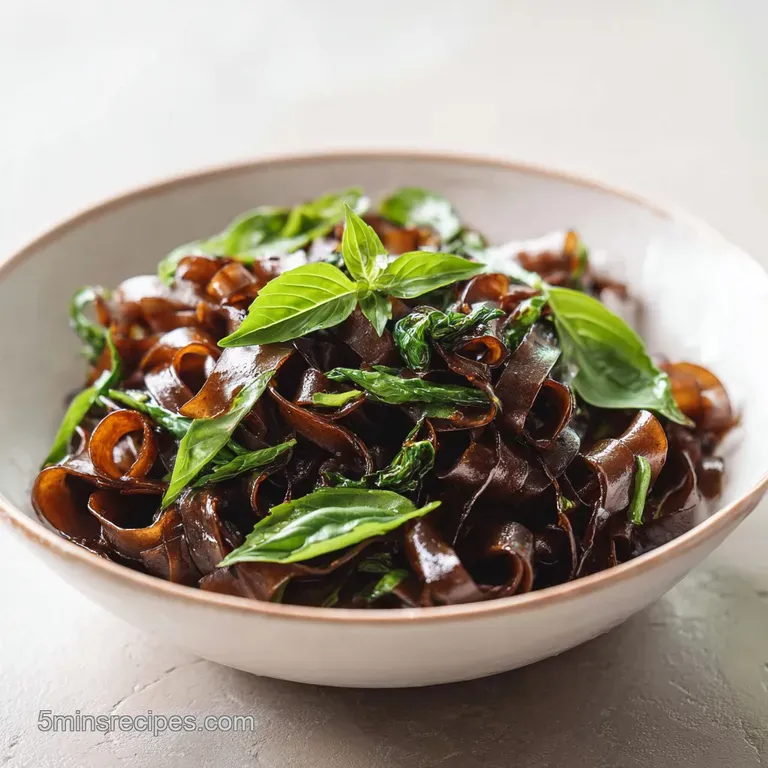
Even with a great drunken noodles recipe, things can go sideways if the heat isn't right or the timing is off.
Noodles Clumping Together
This usually happens if the noodles are too wet when they hit the pan or if the heat is too low. When the noodles aren't searing, they release starch that acts like glue. To fix this, make sure you drain them well and keep the heat on high.
Sauce is Too Salty
Since fish sauce and soy sauce are both salt heavy, it's easy to overdo it. If it tastes too salty, a squeeze of fresh lime or a pinch more brown sugar can neutralize the brine.
Lack of Charred Edges
If your noodles look pale, your pan wasn't hot enough. Don't be afraid to let the noodles sit still for 30 seconds at a time before tossing them.
| Problem | Root Cause | Solution |
|---|---|---|
| Mushy Noodles | Over soaking or over cooking | Soak for exactly 20-30 mins; high heat |
| Burnt Garlic | Garlic added too early or heat too high | Add garlic only after oil is hot; stir constantly |
| Bland Flavor | Not enough fish sauce/white pepper | Add a dash of fish sauce at the very end |
Common Mistakes Checklist
- ✓ Did you slice the beef against the grain?
- ✓ Are the noodles firm (not soft) before hitting the pan?
- ✓ Did you wait for the oil to smoke slightly?
- ✓ Is the basil added only after the heat is off?
- ✓ Did you avoid crowding the pan during the beef sear?
Bold Flavor Twists
This drunken noodles recipe is a fantastic canvas for experimentation. While the beef is a classic, you can easily swap proteins. For a Homemade Teriyaki Chicken vibe, you could use chicken thighs and add a bit more ginger to the aromatic base.
For a Vegan Drunken Noodles Recipe
Swap the beef for extra firm tofu or sliced king oyster mushrooms. Use a mushroom based "oyster" sauce and substitute the fish sauce with a mix of light soy sauce and a pinch of seaweed powder to maintain that ocean like umami.
For a Vegetarian Drunken Noodles Recipe
Use a mix of bok choy, snap peas, and tofu. The key is to keep the high heat so the vegetables don't steam. The sauce remains mostly the same, just swap the oyster and fish sauces for vegan alternatives.
For an Extra Spicy Kick
If bird's eye chilies aren't enough, add a teaspoon of Sambal Oelek or Sriracha into the sauce mixture. For a more complex heat, add a slice of fresh ginger to the garlic and chili sauté.
Scaling For Different Crowds
When you're adjusting this drunken noodles recipe, you can't just multiply everything by four and throw it in one pan.
Scaling Down (1/2 Batch) Use a smaller skillet to ensure you maintain the heat. Reduce the cooking times for the vegetables by about 20% since there's less mass in the pan. For the beef, you can just use half a pound.
- - Work in batches
- Sear the beef in 3-4 separate turns.
- - Liquid adjustment
- Reduce total sauce by about 10% for very large batches, as less moisture evaporates.
- - Spice adjustment
- Increase salt and spices to only 1.5x initially, then taste and adjust.
Truth About Stir Fry Myths
Let's clear some things up because there's a lot of bad advice out there about this drunken noodles recipe.
The Wok Myth: You do NOT need a professional wok to get a great result. While they are amazing for heat distribution, a heavy cast iron skillet creates a similar effect by holding onto heat.
The "Seal in Juices" Myth: Searing the beef doesn't "seal" the juices inside. It creates a flavorful crust through browning. The tenderness comes from slicing against the grain and not overcooking the meat.
The Boiling Noodle Myth: Some recipes tell you to boil rice noodles first. This is a mistake for this specific dish. Boiling makes them too soft and prone to breaking during the over high heat toss.
Storage And Waste Tips
If you have leftovers from this drunken noodles recipe, store them in an airtight container in the fridge for up to 3 days.
Reheating Tips Avoid the microwave if possible, as it can make the noodles rubbery. Instead, toss them back into a hot skillet with a teaspoon of oil and a splash of water. This helps revive the texture and brings back some of that charred flavor.
Zero Waste Ideas
- Veggie Scraps: Save your onion ends, carrot peels, and bell pepper stems in a freezer bag. Once full, simmer them with water to make a basic vegetable stock.
- Basil Stems: Don't throw away the basil stems. Chop them very finely and add them to the initial sauté with the garlic for an extra layer of herbal depth.
- Leftover Sauce: If you made extra sauce, it's a great marinade for grilled shrimp or a glaze for roasted carrots.
Plating For Maximum Impact
You eat with your eyes first, and the deep colors of this drunken noodles recipe make it a visual winner.
Start by piling the noodles high in the center of a wide, shallow bowl. This keeps the heat trapped in the middle. Arrange the seared beef slices on top so they're visible, rather than buried under the noodles.
Add a final sprinkle of fresh green onions and a few raw Thai basil leaves for a pop of bright green against the dark sauce. A wedge of lime on the side isn't just for looks; the acid cuts through the richness of the dark soy.
For a final touch, sprinkle a tiny bit of toasted sesame seeds over the top for a subtle crunch.
High in Sodium
1125 mg 1,125 mg of sodium per serving (49% 49% of daily value)
The American Heart Association recommends a daily sodium limit of 2,300 mg, with an ideal limit of 1,500 mg for most adults to reduce the risk of cardiovascular disease.
Tips to Reduce Sodium
-
Swap Soy Sauces-20%
Replace both light and dark soy sauces with low-sodium soy sauce or coconut aminos to significantly cut salt while maintaining the savory flavor.
-
Modify Fish Sauce-20%
Use a low-sodium fish sauce or reduce the amount by half and supplement the missing depth with a squeeze of fresh lime juice.
-
Adjust Oyster Sauce-15%
Look for a reduced sodium oyster sauce or substitute with a mushroom based vegetarian stir fry sauce which often contains less salt.
-
Enhance with Acidity-10%
Add fresh lime juice or a small splash of rice vinegar at the end; acidity mimics the perception of salt, allowing you to use fewer sauces.
-
Boost Fresh Aromatics
Increase the amount of fresh Thai basil, minced garlic, and chilies to create a more vibrant flavor profile without adding any sodium.
Recipe FAQs
What are the ingredients in drunken noodles?
Beef sirloin, wide flat rice noodles, and a savory sauce. The sauce consists of oyster sauce, light and dark soy sauce, fish sauce, brown sugar, and white pepper, combined with garlic, chilies, bell pepper, carrots, onion, Thai basil, and green onions.
What is the secret to getting that charred flavor?
High heat and a shimmering pan. Use a wok or cast iron skillet over high heat until the oil just begins to smoke to sear the beef and char the noodles.
What makes drunken noodles different from other stir fries?
The wide rice noodles and the addition of Thai basil. These create a distinct chewy texture and a peppery, aromatic flavor profile that differs from thin noodle dishes.
How to prepare the wide flat rice noodles?
Soak the dried noodles in lukewarm water for 20 30 minutes. Ensure they are pliable but still firm before adding them to the pan.
Is it true that I should boil the noodles before stir frying?
No, this is a common misconception. Boiling often leads to mushy noodles; soaking them in lukewarm water preserves the necessary firmness for high heat tossing.
How to reheat leftovers without them getting rubbery?
Toss them in a hot skillet with a teaspoon of oil and a splash of water. This method revives the texture and brings back the charred flavor better than a microwave.
What can I serve as a side dish with this meal?
Fresh, acidic sides like a cucumber salad balance the rich sauce. If you enjoy the process of whisking together a fast, high flavor condiment, see how that same method works for our homemade tartar sauce.
Drunken Noodles Recipe