Easy Baked Salmon with Creamy Lemon
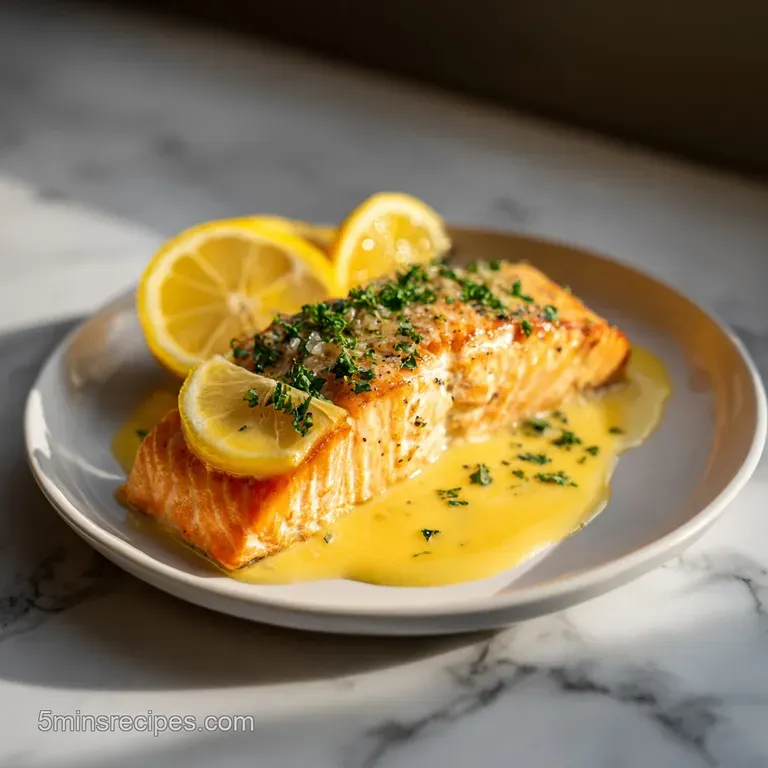
- Time: Active 8 minutes, Passive 12 minutes, Total 20 minutes
- Flavor/Texture Hook: Flaky, butter basted salmon with a velvety, citrus forward sauce
- Perfect for: Weeknight speed, budget-friendly date nights, or a healthy keto friendly meal
- Easy Baked Salmon with Creamy Lemon
- Why This Works
- Smart Budget Ingredients for Salmon
- Essential Tools for Perfect Searing
- Master the 20 Minute Method
- Avoiding Common Kitchen Failures
- Flavor Variations and Smart Swaps
- Myths About Salmon Cooking
- Storing and Reheating Your Leftovers
- Best Sides for Creamy Salmon
- Recipe FAQs
- 📝 Recipe Card
Easy Baked Salmon with Creamy Lemon
You know those nights when you get home and the thought of cooking feels like a mountain you just can't climb? This article features one simple, delicious recipe for Easy Baked Salmon with Creamy Lemon Butter Sauce and Garlic.
I used to think a sauce this silky required a chef's degree or at least an hour over a hot stove, but I was wrong. It’s all about the timing and the temperature, and once you see how the butter transforms into a glossy coating in seconds, you'll never go back to plain fillets.
The first time I made this, the aroma of sautéing garlic and lemon zest filled my kitchen so quickly that my neighbor actually knocked on the door to ask what was happening.
There’s something about that sizzle when the heavy cream hits the pan and starts to bubble that feels like a win before you even take a bite. It’s a 20 minute miracle that looks like it cost four times as much as it actually did.
We’re going to focus on getting that skin crisp while keeping the center of the fish moist and tender. No more dry, chalky salmon that requires a gallon of water to swallow. By the time the oven timer dings, your sauce will be ready to pour, creating a restaurant level experience on a Tuesday night budget.
Right then, let’s get into the details so you can get this on the table in record time.
Why This Works
Understanding the "why" behind the technique helps you cook with more confidence and speed. This isn't just about throwing ingredients in a pan, it's about a few simple reactions that ensure success every single time.
- Cold Butter Mounting: Adding cold butter cubes at the very end prevents the sauce from breaking. The cold fat emulsifies slowly into the warm cream, creating a stable, velvety texture rather than a greasy mess.
- Residual Heat Cooking: Salmon continues to cook after it leaves the oven. By pulling it at 135°F, you allow the internal temp to rise to a safe 145°F during the rest period, ensuring the proteins don't tighten up and become rubbery.
- Acid Balance: The lemon juice doesn't just add flavor, it cuts through the heavy fats of the salmon and cream. This brightness stimulates your palate and makes the dish feel light rather than heavy.
- Surface Moisture Removal: Patting the fish bone dry is the secret to a professional sear. If there is water on the surface, the salmon will steam instead of roast, preventing the smoked paprika and salt from forming a savory crust.
| Thickness | Internal Temp | Rest Time | Visual Cue |
|---|---|---|---|
| 0.5 inch | 135°F | 2 mins | Opaque and barely firm |
| 1 inch | 135°F | 3 mins | Flakes easily with a fork |
| 1.5 inches | 135°F | 5 mins | Center is light pink and moist |
The thickness of your fillets determines the exact cook time, but the temperature never lies. Investing in a quick read thermometer is the single best way to ensure you never serve overcooked fish again. If you're interested in more techniques for perfectly cooked seafood, you might want to see how I handle Salmon in 17 Minutes recipe which uses a slightly different heat profile.
| Component | Science Role | Pro Secret |
|---|---|---|
| Salmon Fillets | Main Protein | Choose center cut pieces for even cooking across the tray. |
| Heavy Cream | Emulsifier Base | Use full fat cream to ensure the sauce reduces without curdling. |
| Unsalted Butter | Texture & Gloss | Always use unsalted to control the seasoning level of the final sauce. |
| Lemon Juice | Chemical Brightener | Add this last to keep the citrus notes sharp and prevent the cream from splitting. |
Using the right fat content in your cream is vital here. low-fat alternatives like half and half often lack the stability to withstand the simmer and the acidity of the lemon. Stick to the heavy stuff for that signature glossy finish.
Smart Budget Ingredients for Salmon
You don't need to spend a fortune at a high end fish market to get great results. I usually grab my salmon from the freezer section or the bulk counter at the local grocery store. As long as you follow the prep steps, even budget friendly fillets will taste like a million bucks.
- 4 (6 oz) Salmon fillets: Look for skin on, center cut pieces. Why this? Skin protects the flesh from drying out in the oven.
- 1 tbsp Extra virgin olive oil: Use a standard cooking grade oil. Why this? Helps the spices stick and promotes even browning.
- 0.5 tsp Smoked paprika: This provides color and a hint of depth. Why this? Adds a "grilled" flavor without needing a grill.
- 0.5 tsp Kosher salt: Essential for drawing out flavor. Why this? Coarse grains distribute more evenly than table salt.
- 0.25 tsp Freshly cracked black pepper: For a subtle heat. Why this? Pre ground pepper loses its punch quickly.
- 3 tbsp Unsalted butter: Divided into 1 tbsp for sautéing and 2 tbsp for mounting. Why this? Provides the base for a rich, restaurant style sauce.
- 4 cloves Garlic: Minced finely. Why this? Fresh garlic provides a much sharper, better aroma than the jarred stuff.
- 0.5 cup Heavy cream: The backbone of the sauce. Why this? Creates a thick, luxurious coating for the fish.
- 2 tbsp Fresh lemon juice: Squeezed from a real lemon. Why this? Bottled juice often has a bitter, metallic aftertaste.
- 1 tsp Lemon zest: From the same lemon. Why this? Contains the oils that give the sauce a punchy aroma.
- 1 tbsp Fresh parsley: Finely chopped. Why this? Adds a pop of green and a fresh, earthy finish.
- 1 pinch Red pepper flakes: For just a tiny bit of zip. Why this? Balances the richness of the butter and cream.
| Original Ingredient | Substitute | Why It Works |
|---|---|---|
| Heavy Cream (0.5 cup) | Coconut Milk (Full Fat) | Similar fat content. Note: Adds a slight tropical nuttiness to the dish. |
| Unsalted Butter | Ghee or Vegan Butter | High fat content. Note: Ghee adds a toasted, nutty flavor profile. |
| Smoked Paprika | Chili Powder | Provides a similar earthy color but with more heat and less smoke. |
Essential Tools for Perfect Searing
You don't need a kitchen full of gadgets, but two specific items will make your life much easier. First, a large rimmed baking sheet. The rim is important because it catches any juices that might escape, preventing them from burning on the bottom of your oven.
I always line mine with parchment paper because it makes cleanup a 30 second job.
Second, you'll want a small non reactive saucepan for the sauce. Stainless steel or enamel coated pans are perfect because they won't react with the acidity of the lemon. Avoid unlined aluminum or cast iron for the sauce, as they can sometimes give the lemon a weird, off flavor.
A simple whisk is also better than a spoon here because it helps integrate the butter into the cream more effectively, creating that stable emulsion we're looking for.
Master the 20 Minute Method
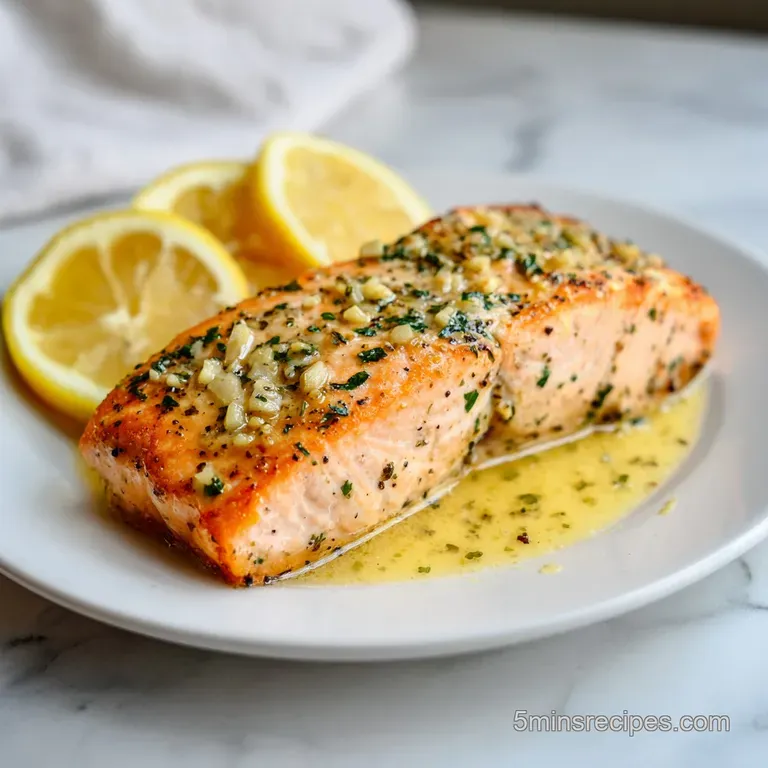
- Preheat your oven to 400°F (200°C) and line a large rimmed baking sheet with parchment paper. Note: High heat is the secret to a quick cook without drying out the center.
- Pat the salmon fillets bone dry with paper towels to ensure a professional sear. Note: Moisture is the enemy of a good crust.
- Rub the skin and flesh with extra virgin olive oil and season evenly with salt, pepper, and smoked paprika.
- Arrange the salmon on the prepared baking sheet and roast on the center rack for 10–12 minutes, or until the internal temperature reaches 135°F.
- While the salmon is roasting, melt 1 tablespoon of butter in a small non reactive saucepan over medium heat.
- Sauté the minced garlic for 60 seconds until fragrant and nutty but not brown.
- Whisk in the heavy cream and allow the mixture to simmer until reduced by approximately one third.
- Remove the saucepan from the heat. Note: This prevents the sauce from splitting when the lemon hits.
- Whisk in the remaining 2 tablespoons of cold butter cubes, lemon juice, and lemon zest until a stable, velvety emulsion forms.
- Stir in the parsley and red pepper flakes, then plate the salmon and immediately drizzle with the warm sauce.
Ensure Perfectly Flaky Texture
To get that professional finish, don't move the salmon once you place it on the baking sheet. Let the heat do the work. If you find your salmon is sticking to the parchment, it usually means it hasn't cooked long enough to release its natural fats. Give it another minute and it should slide right off.
Achieve a Restaurant Quality Sauce
The "reduction" part of the sauce is where the magic happens. Don't rush this. Watching the bubbles go from small and thin to large and lazy is the visual cue that the water is evaporating and the sauce is thickening.
If you stop too early, the sauce will be thin and runny; if you go too long, it might become too thick and greasy. Aim for a consistency that coats the back of a spoon.
Avoiding Common Kitchen Failures
One mistake I once made was adding the lemon juice while the cream was still boiling over high heat. The whole thing curdled instantly, looking more like cottage cheese than a silky sauce. Now I always pull the pan off the burner for a few seconds before whisking in the acid.
It’s a small step that saves the entire meal.
Why Your Sauce Split
If your sauce looks oily or separated, it's usually a temperature issue. Either the cream boiled too hard, or the butter was added while the liquid was too hot.
| Problem | Root Cause | Solution |
|---|---|---|
| Curdled Sauce | Added lemon to boiling cream | Remove from heat before adding acid. |
| Dry Salmon | Cooked past 145°F | Use a thermometer and pull at 135°F. |
| Bland Flavor | Not enough salt or lemon | Taste the sauce and add a pinch more salt at the very end. |
Common Mistakes Checklist
- ✓ Forgot to pat the salmon dry (leads to soggy, grey fish).
- ✓ Burned the garlic (makes the entire sauce taste bitter).
- ✓ Used cold cream in a hot pan (can cause splashing and uneven reduction).
- ✓ Overcrowded the baking sheet (prevents air circulation and crisping).
- ✓ Skipped the resting period (juices run out immediately upon cutting).
Flavor Variations and Smart Swaps
Scaling this recipe is incredibly straightforward. If you're cooking for two, you can easily halve the ingredients, though I recommend making the full amount of sauce because it’s great over roasted vegetables the next day.
If you're scaling up for a crowd of eight, use two baking sheets and rotate them halfway through the cooking time to ensure even browning.
For a Low Carb Keto Powerhouse
This recipe is naturally keto friendly as written. To boost the healthy fats, you can add an extra tablespoon of butter to the sauce or serve it over a bed of sautéed spinach.
The high fat content of the salmon and the heavy cream makes this a perfect meal for staying in ketosis without feeling like you're on a diet.
A dairy-free Alternative
If you need to avoid dairy, swap the heavy cream for full fat canned coconut milk and use a high-quality vegan butter or extra olive oil. The coconut milk will add a slight sweetness that pairs beautifully with the lime instead of lemon, giving the dish a Thai inspired twist.
Just make sure to use the thick cream from the top of the can for the best consistency.
| Method | Time | Texture | Best For |
|---|---|---|---|
| Oven Baked | 12 mins | Evenly tender, hands off | Stress free weeknight dinner |
| Stovetop Pan Sear | 8 mins | Extra crispy skin | When you want maximum crunch |
| Air Fryer | 10 mins | Very fast, compact | Cooking for 1 or 2 people |
If you decide to go the stovetop route, you'll get a much crunchier skin, but you'll have to watch it like a hawk to prevent burning. For a similar flavor profile using chicken, check out my with Zesty Pan Sauce recipe which utilizes the same pan reduction logic.
Myths About Salmon Cooking
Searing meat or fish does not "seal in juices." This is one of the oldest myths in the kitchen. Moisture loss occurs regardless of whether the surface is browned or not. The real reason we sear or roast at high heat is for the flavor and texture of the crust, not to trap liquid inside.
Another common misconception is that you must remove the skin before cooking. Honestly, don't even bother with skinless fillets for this recipe. The skin acts as a thermal barrier, protecting the delicate flesh from the direct heat of the pan.
Even if you don't plan on eating it, leaving the skin on results in a much juicier piece of fish.
Finally, some people think that white stuff (albumin) that pushes out of the salmon is a sign the fish is "bad." It’s actually just protein that solidifies as it cooks. While it's perfectly safe to eat, it is often a sign that the fish was cooked a bit too fast or too long.
Pulling the salmon at 135°F significantly reduces the amount of albumin that appears.
Storing and Reheating Your Leftovers
Salmon is always best the moment it comes out of the oven, but you can store leftovers in an airtight container in the fridge for up to 2 days. I don't recommend freezing cooked salmon with a cream sauce, as the sauce will break and become grainy when thawed. It’s better to eat it fresh.
When it comes to reheating, the microwave is your enemy. It will turn your velvety sauce into oil and make the salmon rubbery. Instead, place the salmon in a small pan with a splash of water or extra cream, cover it with a lid, and warm it gently over low heat on the stove.
This creates a gentle steam that revives the fish without overcooking it.
For a zero waste tip, if you have leftover sauce but no fish, toss it with some hot pasta or drizzle it over a baked potato. The garlic and lemon butter are basically liquid gold and shouldn't ever be tossed out. You can also use any leftover salmon flakes to make a stunning cold salmon salad for lunch the next day.
Just mix the cold flakes with a little mayo, celery, and the remaining chopped parsley.
Best Sides for Creamy Salmon
Because this dish is quite rich, I like to serve it with something that can soak up that extra sauce. A simple pile of fluffy jasmine rice or some garlic mashed potatoes works wonders.
If you're keeping it light, roasted asparagus or a crisp green salad with a vinaigrette provides a nice contrast to the creamy lemon butter.
Trust me on this: make sure you have some crusty bread on the table. You're going to want to swipe up every last drop of that sauce from your plate. It’s that good. Whether you're cooking for yourself or trying to impress someone special, this recipe delivers maximum results for minimum effort every single time.
Let's crack on and get that oven preheated!

Recipe FAQs
How to ensure the salmon skin doesn't get soggy?
Pat the fillets completely dry with paper towels before adding oil. Removing surface moisture is critical for achieving a clean, professional finish in the oven.
Is it true I can cook the salmon and sauce in the same pan?
No, this is a common misconception. You must roast the salmon on a separate baking sheet to ensure proper air circulation, while the sauce requires a non-reactive saucepan on the stove to manage the cream reduction and butter emulsion.
How to know exactly when the salmon is finished roasting?
Use an instant read thermometer to check the thickest part of the fillet. Pull the salmon from the 400°F oven when it reaches 135°F for medium rare or 145°F for well done.
How to prevent the creamy lemon sauce from breaking?
Whisk in cold butter cubes only after removing the saucepan from the heat. If you enjoyed nailing this Salad in 10 Minutes recipe, you can apply the same temperature sensitive whisking method to other pan sauces.
Can I freeze the leftover salmon with the cream sauce?
No, avoid freezing this dish. The dairy based sauce will separate, lose its velvety texture, and become grainy once thawed.
How to reheat leftovers without making the fish rubbery?
Warm the salmon gently in a small pan over low heat with a splash of water or cream. Avoid the microwave, as it will overheat the proteins and cause the sauce to break into separated oil.
How to fix bitter tasting garlic in the sauce?
Discard the sauce and start over if the garlic has turned brown. Once garlic burns, it releases a sharp, bitter flavor that cannot be balanced out by the lemon or cream.
Easy Baked Salmon With Creamy Lemon
Ingredients:
Instructions:
Nutrition Facts:
| Calories | 568 kcal |
|---|---|
| Protein | 35.6 g |
| Fat | 44.2 g |
| Carbs | 3.8 g |
| Fiber | 0.4 g |
| Sugar | 1.2 g |
| Sodium | 445 mg |
