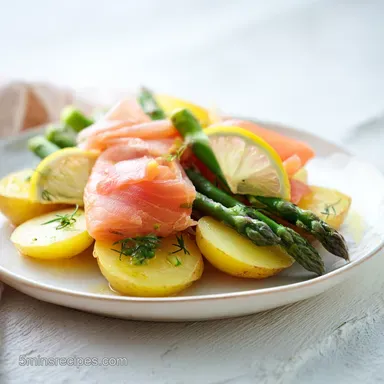
Easy Camping Meal with Foil Packed: Salmon and Potatoes
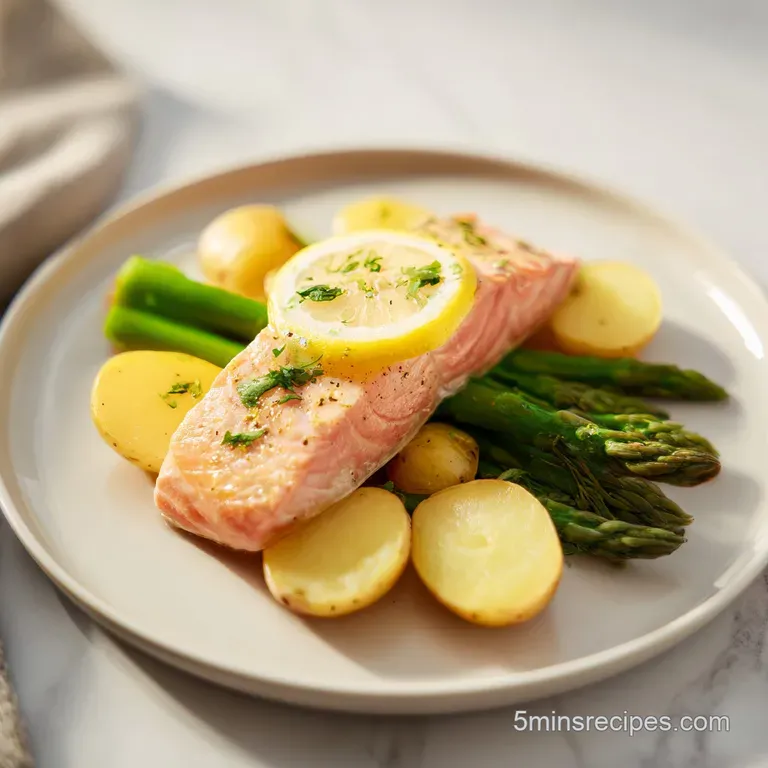
- Time: 10 min active + 20 min cooking = Total 30 minutes
- Flavor/Texture Hook: Buttery, lemon infused salmon with tender crisp asparagus
- Perfect for: Campfire dinners, RV trips, or easy outdoor hosting
- Easy Camping Meal with Foil Packed
- What Keeps the Fish Juicy
- Component Analysis
- Shopping List Breakdown
- Essential Gear Needed
- Building Your Foil Packets
- Pro Tips and Common Pitfalls
- Troubleshooting Common Issues
- Creative Twists and Swaps
- Adjusting Your Portions
- Debunking Camping Myths
- Storage and Reheating Guide
- Best Sides for Salmon
- Recipe FAQs
- 📝 Recipe Card
Imagine the scent of charred pine and lemon zest drifting through the crisp night air. You hear the gentle hiss of butter hitting hot foil and the distant crackle of a dying fire. There is something about eating straight out of a foil pouch under the stars that makes the food taste a hundred times better.
I remember my first attempt at this on a trip to the coast. I used thin foil and put the packets directly into the roaring flames. Within five minutes, the foil melted, the salmon was scorched on the outside and raw in the middle, and the potatoes were basically charcoal.
I spent the rest of the night eating granola bars.
That mistake taught me that the magic is in the steam and the coal, not the flame. Discover the perfect Easy Camping Meal with Foil Packed Salmon for your next outdoor adventure. Once you get the layering right, you'll never go back to traditional grilling.
Easy Camping Meal with Foil Packed
The beauty of this approach is that you're basically making a portable oven. By sealing the ingredients tightly, you're trapping all those aromatics the garlic, dill, and lemon and forcing them into the fish.
It's a hands off process that lets you actually enjoy the campfire instead of hovering over a grill grate for an hour.
Most people struggle with salmon on a grill because it sticks or dries out. When you use an Easy Camping Meal with Foil Packed setup, you eliminate the sticking entirely. You get that buttery, tender texture every single time, regardless of how inconsistent your heat source is.
Right then, let's look at why this actually works. It's not just about convenience, it's about how the heat interacts with the ingredients inside that silver pouch.
What Keeps the Fish Juicy
I used to think the foil was just for easy cleanup, but it's actually doing the heavy lifting for the texture.
- Steam Chamber: The sealed pouch traps moisture from the vegetables and butter, steaming the salmon instead of searing it.
- Thermal Buffer: The foil protects the delicate fish from the aggressive, uneven heat of open coals.
- Flavor Infusion: Because the steam can't escape, the lemon and dill oils are pushed back into the protein.
- Vegetable Bed: The potatoes and asparagus act as a rack, preventing the salmon from sitting in too much liquid and getting soggy.
| Method | Prep Time | Texture | Best For |
|---|---|---|---|
| Foil Packet | 10 minutes | Velvety & Steamed | Camping/Easy Cleanup |
| Pan Seared | 15 minutes | Crispy Skin/Firm | Restaurant style |
| Open Grill | 20 minutes | Smoky/Charred | BBQ Lovers |
Component Analysis
Understanding the role of each ingredient helps you tweak the recipe without ruining the outcome.
| Ingredient | Science Role | Pro Secret |
|---|---|---|
| Baby Gold Potatoes | Starch Base | Slice to 1/8 inch or they'll stay raw |
| Unsalted Butter | Fat/Emulsifier | Cube it for even melting across the fillet |
| Lemon Slices | Acid Balance | Place directly on fish to prevent curling |
| Heavy Duty Foil | Heat Conductor | Always double layer the base for stability |
Shopping List Breakdown
Grab these items from the store. I highly recommend getting the "Heavy Duty" foil specifically, otherwise, you'll risk a blowout on the grill.
- 6 salmon fillets, 6 oz each Why this? Consistent thickness ensures even cooking
- 1 lb baby gold potatoes, thinly sliced into 1/8 inch rounds Why this? Waxy potatoes hold shape better than russets
- 1 lb asparagus, woody ends trimmed and cut into 2 inch pieces Why this? Quick cooking time matches the salmon
- 2 large lemons, thinly sliced into rounds
- 4 cloves garlic, minced
- 6 tbsp unsalted butter, cubed Why this? Adds a rich, velvety finish to the sauce
- 2 tbsp olive oil
- 1 tbsp fresh dill, chopped
- 1 tsp kosher salt
- 1/2 tsp cracked black pepper
- 1/2 tsp paprika
Substitution Options
| Original Ingredient | Substitute | Why It Works |
|---|---|---|
| Salmon | Trout fillets | Similar fat content. Note: Trout is milder and slightly thinner |
| Asparagus | Zucchini slices | Similar water content. Note: Softens faster than asparagus |
| Baby Gold Potatoes | Pre boiled diced potatoes | Reduces cook time. Note: Less "roasted" flavor |
| Fresh Dill | Dried Parsley | Similar herbaceous notes. Note: Use 1/3 the amount of dried |
Essential Gear Needed
You don't need a full kitchen, but a few specific tools make this process much smoother. Use a large mixing bowl for the veg and a pair of tongs for handling the hot packets.
If you're using a campfire, a portable grill grate is a lifesaver. It keeps the packets off the ash and allows for better airflow. Trust me, you don't want to be flipping these in the dirt.
Chef's Note: If you don't have a grate, you can place the packets on a flat, hot rock near the edge of the fire, but be careful some rocks can explode if they have trapped moisture.
Building Your Foil Packets
Let's crack on with the assembly. The goal is to create a snug but not tight fit.
- Toss the thinly sliced potatoes and asparagus in a bowl with olive oil, salt, pepper, and paprika. Note: Coating the veg first ensures no dry spots.
- Lay two large sheets of heavy duty aluminum foil crosswise. Note: The cross pattern prevents the bottom from ripping.
- Pile a portion of the potato and asparagus mixture in the center of the foil.
- Place one salmon fillet directly on top of the vegetables.
- Top the fish with a pat of butter, a slice of lemon, minced garlic, and chopped dill.
- Fold the foil edges tightly to create a sealed pouch, leaving a small amount of headspace for steam.
- Place the packets on a grate over medium hot coals. Note: Avoid roaring flames which burn the foil.
- Cook for 15–20 minutes until the packet puffs and the salmon is opaque.
The salmon should be opaque and flake easily with a fork. The flesh should no longer look translucent in the center, according to The FDA shares guidelines around cooking seafood.
Pro Tips and Common Pitfalls
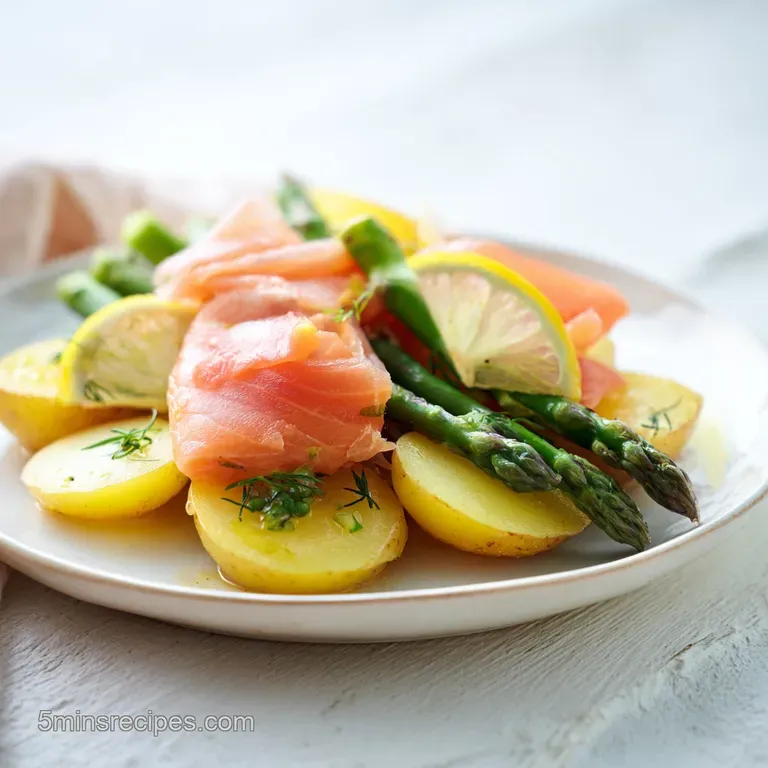
The biggest mistake people make with this Easy Camping Meal with Foil Packed salmon is the fire management. If the fire is too hot, you'll burn the bottom of the potatoes before the fish is done. You want "glowing red" coals, not "orange licking" flames.
Another quirk is the potato thickness. If you slice them too thick, you'll have a velvety piece of salmon sitting on top of raw potato chips. Keep them to a strict 1/8 inch (about 3mm).
Troubleshooting Common Issues
| Issue | Solution |
|---|---|
| Why Your Potatoes Stay Crunchy | This usually happens because of the layering. If the potatoes are piled too high, the heat can't penetrate the center of the heap. Keep the vegetable layer flat and thin. |
| Why Your Salmon Is Dry | Overcooking is the enemy here. If you leave the packets on for 25-30 minutes, you've gone too far. Start checking at 15 minutes by gently squeezing the packet; if it feels firm and puffed, it's likely |
| The Foil Rips | This happens with cheap, thin foil. Always use the heavy duty stuff and use the "double cross" folding method described in the instructions. |
Common Mistakes Checklist
- ✓ Using thin foil (Always go heavy duty)
- ✓ Slicing potatoes too thick (Stick to 1/8 inch)
- ✓ Placing packets in roaring flames (Use hot coals)
- ✓ Overstuffing the packet (Leave room for steam)
- ✓ Forgetting to season the vegetables (Season before the fish)
Creative Twists and Swaps
Once you've nailed the basic Easy Camping Meal with Foil Packed salmon, you can start playing with the flavors. For a Mediterranean vibe, swap the dill for oregano and add some halved cherry tomatoes. They burst during the steaming process and create a natural sauce.
If you want a spicier kick, add a pinch of crushed red pepper or a thin slice of jalapeño under the butter. This cuts through the richness of the salmon beautifully. For a dipping option, I highly recommend pairing this with my Homemade Tartar Sauce, which adds a tangy contrast to the buttery fish.
Customizing Your Packets
- The Creamy Version: Add a tablespoon of cream cheese or a splash of white wine inside the pouch.
- The Pesto Version: Replace the butter and garlic with a dollop of basil pesto.
- The Asian Twist: Use soy sauce, ginger, and sesame oil instead of lemon and butter.
Adjusting Your Portions
Scaling this recipe is straightforward since each person gets their own independent packet. You don't have to worry about overcrowding a single pan.
Scaling Down (2-3 people) Just halve the ingredients. You'll still use the same cooking time (15-20 minutes), as the thickness of the individual fillets doesn't change. Use a smaller grill area to concentrate the heat.
Scaling Up (12+ people) When doubling or tripling the recipe, don't just multiply the salt and paprika by 3 start with 2x and taste your vegetable mix first. Work in batches if your grill grate is small.
If you're using a large oven for a "camping style" meal at home, lower the temp to 375°F (190°C) and extend the time by 5-10 minutes to ensure airflow between the packets.
| Priority | Budget Choice | Premium Choice | Impact |
|---|---|---|---|
| Fish | Frozen Salmon | Wild caught Sockeye | Richer color and flavor |
| Fat | Margarine | Grass fed Butter | Better melt and creaminess |
| Veg | Carrots | Asparagus | Faster cook time |
Debunking Camping Myths
You'll hear a lot of " campfire wisdom" that isn't actually true. Let's clear some things up.
Myth: You need to "sear" the fish first to lock in juices. Searing doesn't seal anything. Moisture loss happens regardless. In a foil packet, the goal isn't a crust it's a velvety, tender texture. Trying to sear it first just adds an extra step and more dishes.
Myth: Aluminum foil ruins the flavor of the food. As long as you aren't cooking highly acidic foods for hours on end, you won't taste the foil. For a 20 minute steam, the foil is completely neutral.
Storage and Reheating Guide
Since this is a camping meal, you might have leftovers. While it's best eaten fresh, you can store the remaining salmon and veg in an airtight container in the fridge for up to 2 days.
Freezing I don't recommend freezing the cooked meal, as the asparagus becomes mushy upon thawing. However, you can "pre pack" the raw ingredients in foil, freeze the packets, and throw them straight on the grill (just add 5-10 minutes to the cook time).
Reheating Avoid the microwave it'll turn your salmon into rubber. Instead, place the leftovers in a small oven safe dish with a pat of butter and cover with foil. Heat at 300°F (150°C) for about 10 minutes.
This gently warms the fish without overcooking it.
Zero Waste Tips Don't toss the lemon rinds! If you have a cocktail shaker or a jar, infuse some vodka or gin with the leftover lemon peels. Also, if you have leftover potato slices, sauté them in the morning with a bit of the remaining butter for a quick camp breakfast.
Best Sides for Salmon
While the potatoes and asparagus are built in, sometimes you want a bit more on the table. This Easy Camping Meal with Foil Packed salmon is rich and buttery, so you need something to cut through that weight.
A crisp green salad with a sharp vinaigrette is the classic choice. If you're looking for something more filling, my Homemade Cheesy Garlic Breadsticks are a hit at any campsite. The garlic and cheese complement the lemon dill salmon perfectly.
Alternatively, if you're in the mood for something fruity and bright, a side of cranberry sauce can provide a tart contrast to the fatty salmon. It's an unexpected but brilliant pairing that brings a bit of gourmet flair to the wilderness.
Recipe FAQs
Can I use trout instead of salmon?
Yes, trout is a great alternative. It has a similar fat content but is generally milder and slightly thinner than salmon.
How to check if the salmon is cooked through?
Gently squeeze the foil packet starting at 15 minutes. If the packet feels firm and puffed, the salmon is likely opaque and ready to eat.
Why are my potatoes still crunchy after 20 minutes?
Your vegetable layer is likely too thick. Keep the potatoes and asparagus in a flat, thin layer so heat can penetrate the center of the heap.
Is it true that standard thin aluminum foil works for these packets?
No, this is a common misconception. Cheap, thin foil often rips during cooking; always use heavy duty aluminum foil to ensure a sturdy, sealed pouch.
How to prepare these meals in advance for a trip?
Pre-pack the raw ingredients in foil and freeze the packets. Throw them straight on the grill, but add 5 10 minutes to the total cook time.
Can I substitute the asparagus with zucchini?
Yes, zucchini slices work well. They have similar water content, though they soften faster than asparagus. For another hearty camping dinner, try my smothered chicken recipe.
Is it safe to freeze the meal after it has been cooked?
No, it is not recommended. While the salmon freezes adequately, the asparagus becomes mushy upon thawing.
Easy Foil Packed Salmon