Easy Breakfast Idea with Scrambled Eggs
- Time: Active 5 minutes, Passive 2 minutes, Total 7 minutes
- Flavor/Texture Hook: Velvety, soft curds with a buttery finish
- Perfect for: Busy weekday mornings and beginner cooks
- Why This Breakfast Recipe Actually Works
- Quick Timing and Serving Guide
- Component Deep Dive and Science
- Simple Elements for Busy Morning Meals
- Basic Tools for Every Kitchen
- Clear Steps for Velvety Eggs
- Fixing Texture and Common Mistakes
- Creative Variations for Your Plate
- Smart Storage and Leftover Advice
- Perfect Pairing for Balanced Mornings
- Recipe FAQs
- 📝 Recipe Card
That gentle, whisper quiet sizzle as the eggs hit the butter is the soundtrack to my best mornings. We've all been there, standing over a pan with a spatula, watching once promising eggs turn into dry, rubbery chunks that feel like chewing on a sponge.
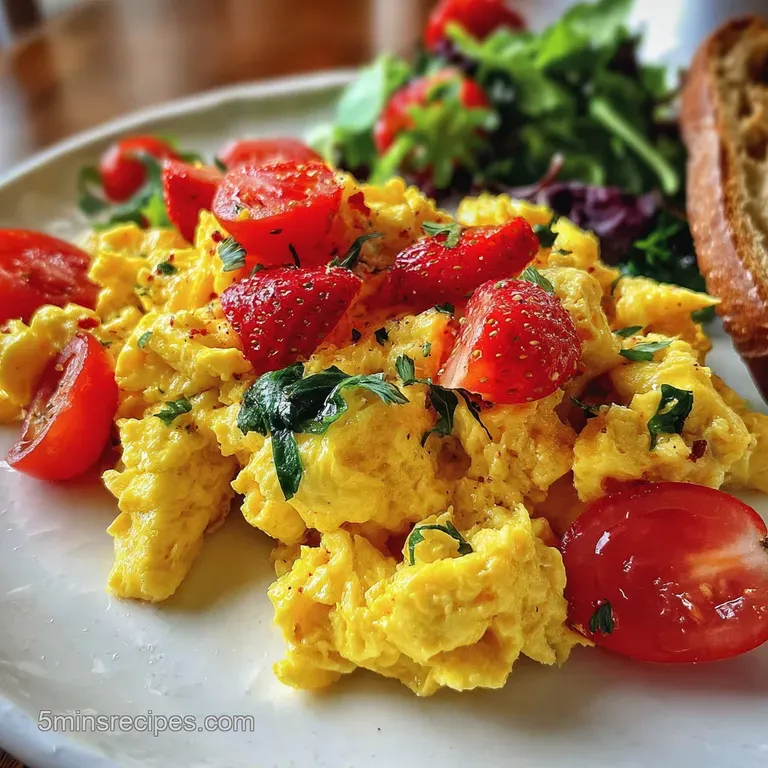
Start your day right with this easy breakfast idea featuring fluffy scrambled eggs.
I used to think the secret was a fancy pan or some complex technique I hadn't learned yet, but it’s actually much simpler than that. As a busy mom, I don't have time for multi step processes when the kids are looking for their shoes and the coffee hasn't kicked in.
I need something that works every single time without making a mess of my kitchen or my schedule.
This recipe is my go to because it prioritizes texture without demanding your full attention for twenty minutes. We are talking about soft, glistening curds that practically melt. Whether you are a total beginner or just someone who has struggled with dry eggs in the past, these steps will change your morning routine for the better.
Why This Breakfast Recipe Actually Works
Protein Denaturation: Low heat prevents egg proteins from tightly bonding and squeezing out moisture, which keeps the texture soft.
Fat Emulsification: Adding heavy cream and butter creates a stable fat in-water emulsion that coats the protein strands for a velvety mouthfeel.
Carryover Cooking: Removing the pan from the heat while the eggs look slightly wet allows residual energy to finish the job without overcooking.
Chef Tip: Use a Cold Pan
Start your eggs in a cold non stick pan with the butter. As the pan warms up slowly, the eggs and butter emulsify together from the start, leading to a much creamier result than if you dropped them into a searing hot skillet.
Quick Timing and Serving Guide
| Thickness | Heat Level | Visual Cue | Texture Goal |
|---|---|---|---|
| Thin Curd | Medium Low | Wet, loose edges | Silky and soft |
| Medium Curd | Medium | Soft, distinct clumps | Fluffy and light |
| Large Curd | Medium High | Firm, opaque edges | Hearty and solid |
Understanding the relationship between your stove settings and the final result is the first step toward egg mastery. If you find yourself rushing, you might be tempted to crank the heat, but that often leads to the dreaded "weeping" where water separates from the solids. If you have an extra ten minutes on a Saturday, you might want to try this technique alongside a Mexican Breakfast Dish recipe for a bit more kick.
Slow and steady really does win the race here, especially when you are balancing school lunches and work emails. The goal is to see the eggs transform from a liquid to a soft solid without any browning, as brown edges usually signal a loss of that delicate moisture we're after.
Component Deep Dive and Science
| Ingredient | Science Role | Pro Secret |
|---|---|---|
| 3 Large Eggs | Structural Base | Use room temperature eggs to ensure even cooking and faster emulsification with the fats. |
| 1 tbsp Unsalted Butter | Moisture Barrier | Whisking cold butter bits into the eggs before cooking creates tiny pockets of steam and fat. |
| 1 tsp Heavy Cream | Tenderizing Agent | The high fat content interferes with protein cross linking, preventing a rubbery or tough structure. |
Achievable Custard Like Texture
To get that custard like finish, you need to think about the eggs as a delicate sauce rather than a piece of meat. High heat is the enemy of the "velvety" texture we want. When the proteins in the egg whites get too hot too fast, they contract violently, which is exactly why you sometimes see a puddle of water on your plate next to dry eggs.
Uniform Heat Management
Using a heavy bottomed non stick pan is your best friend for this easy breakfast idea with scrambled eggs. It distributes the energy from your burner evenly so you don't end up with one side of the pan overdone while the other is still raw.
This consistency is what allows a busy cook to step away for five seconds to grab a plate without returning to a disaster.
Simple Elements for Busy Morning Meals
- 3 Large Eggs: The foundation of the dish.
- Substitute: 3/4 cup liquid egg whites (Note: Results will be less creamy and more firm).
- 1 tbsp Unsalted Butter: Provides the signature rich flavor. Why this? Salted butter can make it hard to control the final seasoning levels.
- Substitute: 1 tbsp Olive oil (Note: Adds a fruity note but loses the creamy dairy finish).
- 1 tsp Heavy Cream: Breaks up the protein bonds for softness.
- Substitute: 1 tsp Full fat Greek yogurt (Note: Adds a slight tang and thicker body).
- 0.125 tsp Fine Sea Salt: Dissolves quickly for even seasoning.
- Substitute: Kosher salt (Note: Use a larger pinch as the grains are coarser).
- 1 tsp Fresh Chives: Adds a mild onion like brightness.
- Substitute: 1/4 tsp Dried parsley (Note: Provides color but much less flavor punch).
- 1 pinch Black Pepper: For a subtle earthy heat.
- Substitute: White pepper (Note: Keeps the eggs looking clean without black flecks).
Basic Tools for Every Kitchen
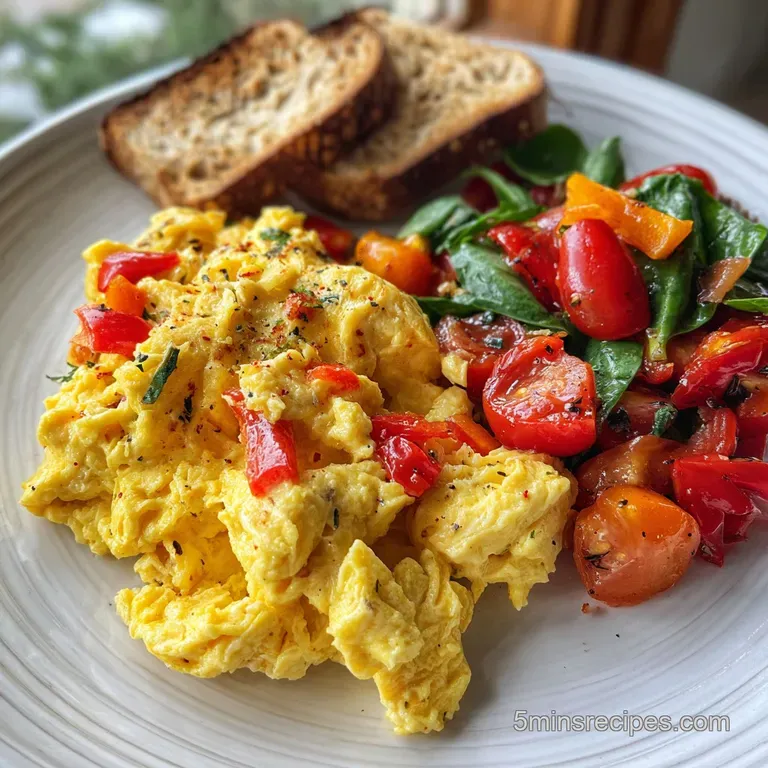
You don't need a pantry full of gadgets to make a great meal, but having the right basics makes the morning much smoother. A small 8 inch non stick skillet is the gold standard for a single serving of eggs.
It provides enough surface area for the eggs to move but keeps them contained so they don't spread too thin and dry out.
A silicone spatula is another non negotiable for me. Unlike metal or wood, silicone is flexible enough to get into the "corners" of the pan, ensuring no part of the egg is left behind to overcook. It also protects the coating of your pan, which is vital for that effortless slide onto the plate. If you’re looking to expand your morning menu, this same tool is great for flipping a Sweet Breakfast Idea recipe on the griddle.
Clear Steps for Velvety Eggs
- Whisk eggs. Crack 3 Large Eggs into a small bowl and beat vigorously for 30 seconds. Note: This incorporates air for a lighter, fluffier lift.
- Add dairy. Stir in 1 tsp Heavy Cream and 0.125 tsp Fine Sea Salt. Note: Salt helps break down the egg proteins before they hit the heat.
- Prep pan. Place 1 tbsp Unsalted Butter in a small non stick skillet over medium low heat.
- Melt butter. Wait until the butter is melted and starts to foam slightly.
- Pour eggs. Add the egg mixture to the pan immediately. Note: Don't wait for the butter to brown.
- Set edges. Let the eggs sit undisturbed for 20 seconds until the bottom begins to set.
- Push curds. Using a silicone spatula, gently push the cooked edges toward the center.
- Fold gently. Continue sweeping the spatula across the pan until large, soft clumps form.
- Finish heat. Remove from heat when the eggs look 80% cooked and still glistening.
- Garnish. Sprinkle with 1 tsp Fresh Chives and 1 pinch Black Pepper.
1. The Aeration Phase
Don't just break the yolks; you want to actually see little bubbles forming on the surface. This air expands as it heats up, which is what gives you that "pillowy" lift. If you just stir them lazily, the eggs will be dense and flat.
2. The Cold Start Sauté
While I mentioned starting with a cold pan in the tip above, even if you preheat, keep it low. You want the butter to act as a lubricant and a flavor enhancer. If the butter sizzles loudly or turns brown, the pan is too hot. Wipe it out and start over; it only takes a minute.
3. The Residual Heat Finish
This is where most people go wrong. If the eggs look "done" in the pan, they will be overdone on the plate. Eggs continue to cook for about 60 seconds after you take them off the burner. Trust the process and pull them off while they still look a bit "runny" in the gaps between the curds.
Fixing Texture and Common Mistakes
| Problem | Root Cause | Solution |
|---|---|---|
| Rubbery/Tough | Heat was too high | Reduce heat to medium low and move the pan off the burner occasionally. |
| Watery/Leaking | Eggs were overcooked | Remove from heat earlier; the protein strands are squeezing out water. |
| Flat/Dense | Not enough whisking | Whisk for a full 30-45 seconds to incorporate enough air for lift. |
One of the most common issues I hear from friends is that their eggs turn out "weepy." This is actually a scientific process called syneresis. Basically, the proteins have bonded so tightly that there's no room left for the water, so it just leaks out. If this happens, your best bet is to chop them up and use them in a Breakfast Quesadilla recipe where the tortilla can absorb the extra moisture.
Preventing Watery Seepage
To avoid the puddle on your plate, make sure you aren't adding too many watery "extras" like raw tomatoes or onions directly into the scramble. These vegetables release moisture as they heat up. If you want veggies, sauté them first until their liquid has evaporated, then add the eggs to the pan.
Common Mistakes Checklist
- ✓ Don't salt too late; adding salt at the beginning helps tenderize the proteins.
- ✓ Avoid high heat; if you hear a loud sizzle, turn the dial down immediately.
- ✓ Stop cooking before you think you should; residual heat is a powerful force.
- ✓ Use a small pan; too much surface area leads to thin, dry sheets of egg.
- ✓ Don't use a fork in a non stick pan; you'll ruin the coating and the eggs will stick.
Creative Variations for Your Plate
If you want to change things up, this base recipe is incredibly forgiving. For a high protein variation, I love adding a tablespoon of cottage cheese right at the end. It melts into the folds of the eggs, adding a boost of nutrition and an even creamier texture without needing extra butter.
If you are craving an Indian scrambled egg breakfast recipe style, you can bloom some cumin seeds in the butter before adding the eggs. Toss in a finely diced green chili and a pinch of turmeric. The turmeric turns the eggs a beautiful vibrant yellow, and the spices add a warmth that is perfect for cold mornings.
To Maximize Savory Depth
To get a more intense "umami" flavor, try a tiny drop of soy sauce or a grate of fresh parmesan cheese. Even a small amount of fat rich cheese like sharp cheddar can transform the dish, but be careful not to over salt if you are adding salty toppings.
Smart Storage and Leftover Advice
Storage: You can keep cooked scrambled eggs in an airtight container in the fridge for up to 3 days. However, they will never be quite as silky as when they are fresh. To reheat, use the microwave at 50% power in 20 second bursts to avoid making them rubbery.
Zero Waste: Don't throw away those leftover egg bits! I like to toss them into a stir fry for dinner or fold them into a wrap with some black beans and salsa the next day. If you have herb stems from your chives, save them in a bag in the freezer to make a quick vegetable stock later in the week.
Perfect Pairing for Balanced Mornings
For a complete meal, I usually serve these eggs alongside a few slices of avocado or some lightly dressed greens. The acidity in a simple vinaigrette cuts through the richness of the butter and eggs beautifully. If you have the time, a slice of thick sourdough toast is the "classic side" that never fails to satisfy.
The Fresh Balance Option
If you want to keep things "no bread," try serving the eggs over a bed of sautéed spinach. The residual heat from the eggs will wilt the spinach just enough, and you get a huge dose of iron and vitamins to start your day. It’s a fast, efficient way to eat well even when the morning feels like a race.
Decision Shortcut
- If you want Classic Fluffy Eggs, use the heavy cream and whisk vigorously.
- If you want Diner Style Eggs, skip the cream and use a slightly higher heat for browned edges.
- If you want Healthy Low Cal Eggs, swap the butter for a quick spray of oil and use 1 whole egg plus 2 whites.
Making a great breakfast doesn't require you to be a professional. It just requires a little bit of patience and a few simple tricks that work with your busy life, not against it. Once you get the hang of the "low and slow" method, you'll never go back to those dry, sad eggs again.
Trust me, your morning self will thank you.

Recipe FAQs
What to pair with scrambled eggs for breakfast?
Avocado, greens with vinaigrette, or toast. A simple green salad with vinaigrette offers a fresh contrast, while toast is a classic pairing. For a healthier option, try serving them over wilted spinach.
Is eating 3 scrambled eggs a day healthy?
Generally yes, for most healthy adults. Three large eggs provide around 18 grams of protein and essential nutrients like choline and vitamin D. Individual dietary needs and health conditions can vary, so consulting a doctor is always wise.
What are 10 good breakfast foods?
Eggs, oatmeal, yogurt, whole grain toast, fruit, avocado, cottage cheese, smoothies, breakfast potatoes, and lean breakfast meats. These offer a good balance of protein, fiber, and healthy fats to start your day.
How do I upgrade my scrambled eggs?
Incorporate herbs, cheese, or spices. For a savory boost, add fresh chives, a sprinkle of sharp cheddar, or a pinch of turmeric for color and warmth. You can also explore options like our Chorizo Breakfast Burrito Recipe: Shatter Crisp for added flavor.
Can I add vegetables to my scrambled eggs?
Yes, but cook them first. Sautéing vegetables like onions, peppers, or spinach until their moisture has evaporated prevents watery eggs. If you enjoy heartier vegetable preparations, consider our Breakfast With Sausage Recipe: Maple Glazed Veggies for inspiration.
What's the secret to creamy scrambled eggs?
Low heat and gentle stirring. Starting in a cold pan with butter and cooking over medium low heat allows the eggs to emulsify slowly, creating soft, velvety curds. Removing them from heat when they still look slightly wet is key to avoiding overcooking.
How can I make scrambled eggs ahead of time?
Cook them slightly underdone and reheat gently. Store in an airtight container in the fridge for up to 3 days. Reheat in the microwave at 50% power in short intervals to prevent rubberiness.
Easy Scrambled Eggs Breakfast
Ingredients:
Instructions:
Nutrition Facts:
| Calories | 335 calories |
|---|---|
| Protein | 18.9 g |
| Fat | 27.6 g |
| Carbs | 1.5 g |
| Fiber | 0.1 g |
| Sugar | 1.1 g |
| Sodium | 415 mg |
