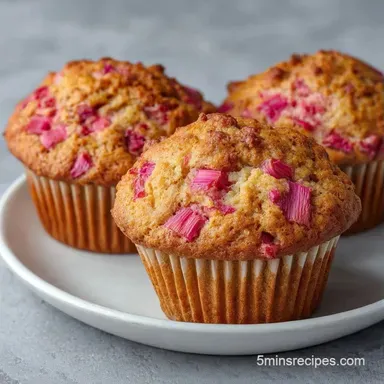
Frozen Rhubarb Muffins: Tangy and Tender
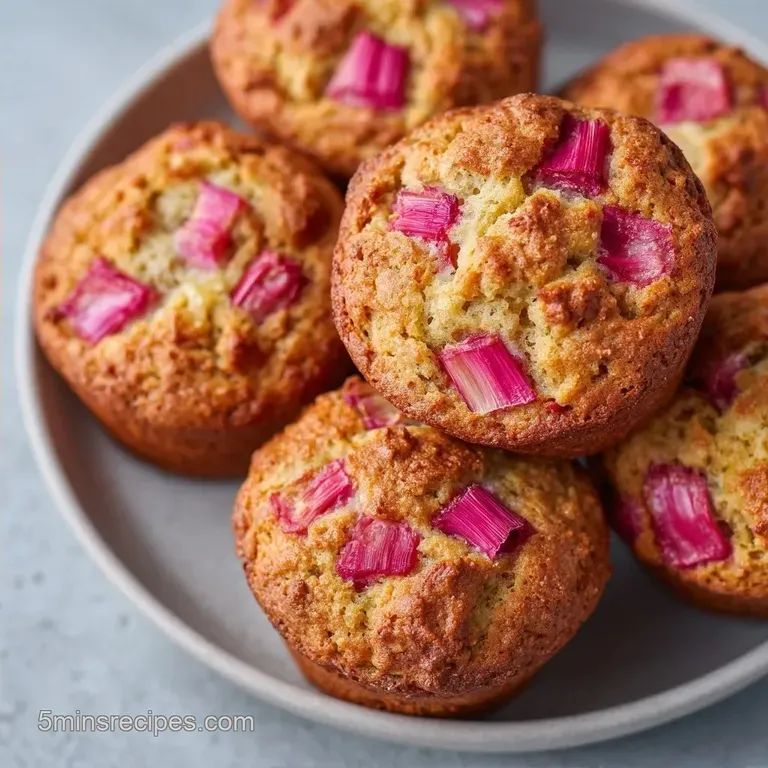
- Time: 15 min active + 20 min bake
- Flavor/Texture Hook: Tart rhubarb bursts with a crispy streusel top
- Perfect for: Busy weekday breakfasts or seasonal brunch
- Easy and Tangy Rhubarb Muffins
- Why These Muffins Actually Work
- What Each Ingredient Does
- Ingredients and Easy Swaps
- Tools for Faster Baking
- Step by Step Baking Guide
- Solving Common Baking Issues
- Changing the Batch Size
- Baking Myths Debunked
- Storage and Waste Tips
- Making Them Look Great
- Recipe FAQs
- 📝 Recipe Card
The smell of cinnamon and toasted butter hitting a hot oven is the only way I like to start a Saturday. My kitchen usually looks like a tornado hit it by 8 AM, with kids running around and coffee spilling, but these muffins are the one thing that actually stays calm.
I remember the first time I tried using frozen rhubarb, wondering if it would just turn into a soggy mess. To my surprise, the frozen bits held their shape and created these little pockets of tart jam inside the cake.
The beauty of this recipe is that it doesn't require a stand mixer or any fancy equipment. I've learned that over mixing is the enemy of a light muffin, so a simple spatula and a couple of bowls do the trick. You get a result that feels like it came from a bakery, but it only takes a few minutes of actual work.
If you're looking for a treat that isn't cloyingly sweet, these Rhubarb Muffins are it. The acidity of the rhubarb cuts through the richness of the butter and sour cream. It's a bright, zingy flavor that wakes you up way better than another plain piece of toast.
Easy and Tangy Rhubarb Muffins
When I first started making these, I struggled with the fruit sinking to the bottom. I used to thaw the rhubarb, which was a huge mistake. The fruit released all its juice, thinning the batter and making the bottoms gummy. Switching to frozen pieces changed everything.
The frozen rhubarb stays put during the initial rise, and as it thaws in the oven, it steams the surrounding cake, keeping it moist.
I also realized that the temperature of the oven matters more than I thought. Most recipes suggest a steady 350°F, but that often leads to a flat top. By starting at a higher heat, the steam pushes the batter up quickly, creating that classic bakery dome.
It's a simple trick that makes a massive difference in the final look.
For those who enjoy different variations, I've found that adding a bit of orange zest to the batter pairs beautifully with the tartness. If you want something even more indulgent, you can check out my Rhubarb Streusel Muffins for an extra crunchy topping. These are great for when you have a few extra minutes on a Sunday morning.
Why These Muffins Actually Work
The chemistry here is pretty straightforward, but it's what makes the texture stand out. I've spent a lot of time figuring out why some batches are airy and others are dense.
High Initial Heat: Starting at 425°F creates a burst of steam that lifts the batter rapidly, giving you a tall, rounded top.
Sour Cream Base: The acidity in the sour cream breaks down gluten strands, which ensures the crumb stays tender and velvety rather than chewy.
Frozen Fruit: Using frozen rhubarb prevents the batter from becoming too wet, as the fruit only releases moisture slowly during the bake.
| Method | Prep Time | Texture | Best For |
|---|---|---|---|
| Fast (Melted Butter) | 15 min | Tender & Moist | Busy weeknights |
| Classic (Creamed Butter) | 25 min | Cake like & Airy | Special brunches |
What Each Ingredient Does
I don't believe in adding ingredients just for the sake of it. Every item in this bowl has a specific job to do to ensure your Rhubarb Muffins come out right.
| Ingredient | What It Does | Best Swap |
|---|---|---|
| Sour Cream | Adds moisture and tang | Full fat Greek yogurt |
| Frozen Rhubarb | Provides tart flavor and structure | Frozen cranberries |
| All Purpose Flour | Provides the main structure | 1:1 gluten-free blend |
| Baking Powder | Creates the lift and rise | 1 tsp BS + 1/2 tsp Cream of Tartar |
For the flour, I always recommend spooning it into the measuring cup rather than scooping it, as scooping packs the flour down and can lead to dry muffins. According to King Arthur Baking, using a scale for weight is the only way to be truly accurate, but a light hand with the cup works too.
Ingredients and Easy Swaps
Here is exactly what you'll need. I've kept this list minimal so you don't have to run to the store for three different types of sugar.
For the Cinnamon Streusel:
- 1/2 cup (100g) all purpose flour
- 1/3 cup (65g) granulated sugar
- 1 tsp (2g) ground cinnamon
- 4 tbsp (55g) unsalted butter, cold and cubedWhy this? Cold butter creates those tiny, sandy clumps for a better crunch.
For the Muffin Batter:
- 2 cups (250g) all purpose flour
- 3/4 cup (150g) granulated sugar
- 2 tsp (10g) baking powder
- 1/2 tsp (3g) salt
- 1/2 cup (120ml) sour cream, room temperatureWhy this? Room temp prevents the melted butter from seizing up.
- 1/2 cup (120ml) whole milk
- 1 large egg, room temperature
- 1/2 cup (115g) unsalted butter, melted and cooledWhy this? Melted butter makes the batter easy to stir by hand.
- 1 tsp (5ml) vanilla extract
- 2 cups (300g) frozen rhubarb, chopped into 1/2 inch piecesWhy this? Frozen fruit keeps the batter thick and prevents sinking.
If you're out of whole milk, you can use almond milk or oat milk. It won't change the structure much, though the flavor will be slightly less rich. For the sugar, you can swap half of the granulated sugar for light brown sugar to give the Rhubarb Muffins a deeper, molasses like undertone.
Tools for Faster Baking
I'm all about using as few dishes as possible. I don't have time to wash five bowls every time I want a snack. For this recipe, you just need a couple of mixing bowls and a sturdy spatula.
A medium bowl is essential for the streusel, and a large bowl handles the batter. I usually use a simple glass measuring jug for the wet ingredients because it's easier to whisk the egg and milk together there before pouring them into the flour.
If you have a pastry cutter, it's great for the butter in the topping, but a fork works just as well.
I highly recommend using parchment liners. I once tried greasing the tin with butter and flour, but the rhubarb pieces stuck to the sides, and the muffins tore when I pulled them out. Liners make the cleanup a breeze, which is a priority when you're managing a busy household.
Step by step Baking Guide
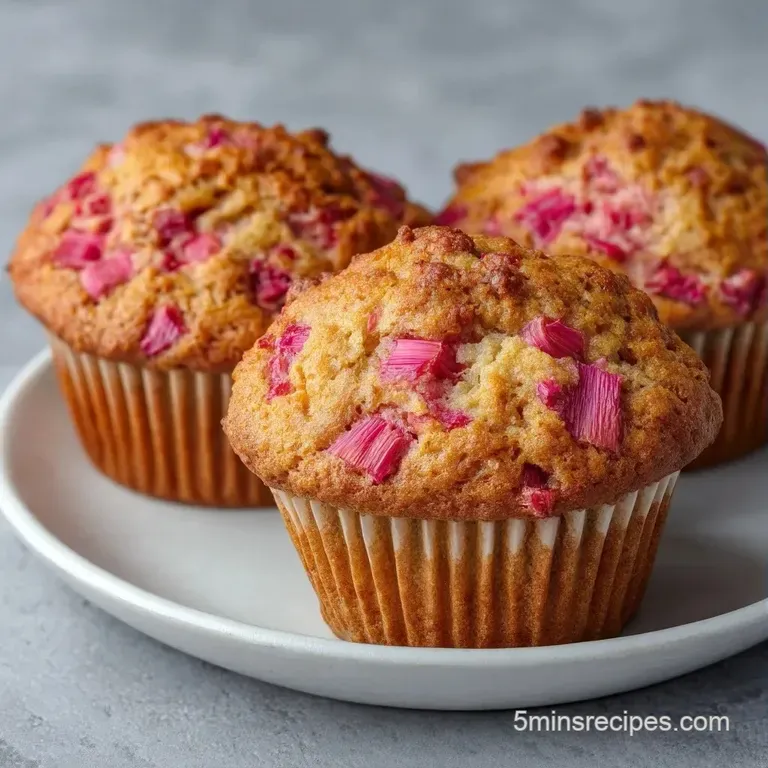
Right then, let's get into the actual process. Trust me on the temperature change in the final step, as that's where the magic happens.
- Make the topping. In a medium bowl, whisk together the flour, sugar, and cinnamon. Using a pastry cutter or fork, work the cold cubed butter into the mixture until it forms pea sized clumps. Set this aside in the fridge to keep the butter firm. Note: Cold butter is key for a crumbly texture.
- Heat the oven. Preheat your oven to 425°F (218°C).
- Prep dry ingredients. In a large bowl, whisk the flour, sugar, baking powder, and salt.
- Mix wet ingredients. In a separate jug, combine the sour cream, milk, egg, melted butter, and vanilla. Note: Ensure the egg is room temperature so it incorporates smoothly.
- Combine. Pour the wet ingredients into the dry and stir with a spatula until just combined. Stop as soon as the flour streaks disappear, even if the batter looks slightly lumpy.
- Add fruit. Gently fold in the frozen rhubarb pieces. Be careful not to over mix here, or your Rhubarb Muffins will become tough.
- Fill and top. Divide the batter evenly among 12 lined muffin tins. Generously heap the chilled streusel on top of each one.
- The two stage bake. Bake at 425°F (218°C) for 5 minutes, then reduce the heat to 375°F (190°C) and bake for another 15 minutes until the tops are golden and a toothpick comes out clean.
According to the team at Serious Eats, this temperature drop prevents the outside from burning while the center finishes cooking. This is especially important when using frozen fruit, which can keep the center of the muffin cool for longer.
Solving Common Baking Issues
Even the best recipes can go sideways if the oven is acting up or the measurements are off. Most of the time, the fix is simpler than you think.
Why Your Muffins Didn't Rise
If your Rhubarb Muffins are flat, the baking powder might be old. Baking powder loses its potency over time, especially if it's stored in a humid pantry. Always check the expiration date. Also, if you over mixed the batter, you might have popped all the air bubbles.
To Fix "Soggy Bottoms"
Soggy bottoms usually happen if the rhubarb was thawed before adding it to the mix. The excess water pools at the bottom of the tin. If this happens, you can try baking them for an extra 2-3 minutes or using a higher rack in the oven to improve air circulation.
To Prevent Rubberiness
Rubbery muffins are a classic sign of over mixing. Once the flour hits the liquid, gluten starts to develop. Stirring too much creates a bread like texture instead of a cake like one. Just stir until the flour is gone and stop.
| Problem | Root Cause | Solution |
|---|---|---|
| Flat tops | Weak baking powder or low heat | Check powder date; use the 425°F start |
| Fruit sinking | Rhubarb was thawed/too wet | Use frozen rhubarb directly from the freezer |
| Dry crumb | Too much flour (scooped) | Spoon flour into cup or use a scale |
Changing the Batch Size
Sometimes you don't need a dozen muffins, or maybe you're feeding a crowd. Adjusting the recipe is easy, but there are a few quirks to keep in mind.
Scaling Down (Half Batch): If you only want 6 muffins, simply halve everything. The trickiest part is the egg. Crack one large egg into a bowl, beat it well, and then use exactly half of it (about 2 tablespoons). Use a smaller baking pan or fill only half of your 12 slot tin.
I usually reduce the baking time by about 20%, so start checking them at the 12 minute mark of the second stage.
Scaling Up (Double Batch): When doubling for a party, don't just double the salt and cinnamon. I find that 1.5x the spices and salt are usually enough to keep the flavor balanced. Since you'll have more batter in the oven, it can create more steam.
I recommend lowering the second stage temperature to 350°F and extending the time by 5-10 minutes. Work in batches if your oven is small to ensure the air can circulate.
Chef's Note: If you're doubling the recipe, don't over mix the larger volume of batter. It's easier to over work a big batch than a small one.
Baking Myths Debunked
I've seen a lot of "rules" about baking that just don't hold up in a real kitchen. Let's clear a few of these up.
Myth: You must thaw frozen fruit before baking. Actually, the opposite is true for Rhubarb Muffins. Thawing creates a watery mess that ruins the batter consistency. Frozen fruit keeps its structure and distributes the moisture more evenly as it cooks.
Myth: Sour cream is only for flavor. While it does add a nice tang, the main role of sour cream is the acid. It reacts with the baking powder to create more lift and tenderizes the flour. You can't just swap it for milk without losing that specific texture.
Myth: Sifting flour is mandatory for muffins. Sifting is great for sponges or macarons, but for a rustic muffin, it's overkill. A quick whisk with the sugar and baking powder is plenty to get rid of lumps.
Storage and Waste Tips
Once your Rhubarb Muffins have cooled, you have a few options for keeping them fresh. I usually leave a few on the counter for the first day, but the rest go into the fridge.
Storage Guidelines: Keep them in an airtight container in the fridge for up to 3 days. If you leave them on the counter, they might get a bit sticky due to the moisture from the rhubarb. For longer storage, these freeze beautifully.
Wrap them individually in foil or plastic wrap and toss them in a freezer bag for up to 3 months. To reheat, just pop them in the microwave for 20 seconds or a toaster oven for 5 minutes.
Zero Waste Tips: If you have leftover rhubarb stalks that didn't make it into the muffins, don't toss them. You can simmer them with a bit of sugar and water to make a quick compote. This is great on top of yogurt or even as a topping for the muffins themselves.
If you have extra streusel topping, bake it on a sheet pan at 350°F for 10 minutes to make a cinnamon crumble for ice cream.
Making Them Look Great
You eat with your eyes first, and while these are "home style" muffins, a few tweaks make them look like they're from a boutique bakery.
First, don't be afraid to over heap the streusel. I like the topping to look like a little mountain on top of the muffin. When the butter melts and the sugar caramelizes, it creates a craggy, golden landscape that looks amazing.
If you want a bit more sparkle, sprinkle a tiny bit of coarse sanding sugar on top of the crumble before they go in the oven.
Another trick is the placement. If you're serving these for a brunch, pile them in a rustic wooden basket or on a white ceramic platter. The bright red of the rhubarb against a clean white plate really pops. For a bit of a twist, you could try making Cinnamon Rhubarb Muffins for a warmer, more spiced look.
Finally, let them cool for at least 10 minutes before removing them from the tin. If you pull them out too early, the steam is still setting the structure, and they can collapse or tear. A little patience ensures that those Rhubarb Muffins keep their height and look professional.
Right then, that's everything. These Rhubarb Muffins are a lifesaver for busy mornings and a great way to use up that seasonal produce. They're tart, sweet, and just the right amount of messy. Give them a try and let me know how they turn out in your kitchen.
Trust me, your family will thank you for the extra effort on the streusel.
Recipe FAQs
Can you use frozen rhubarb to make muffins?
Yes, it works perfectly. Using frozen rhubarb helps the fruit maintain its shape and prevents it from breaking down too much during mixing.
Should you thaw frozen rhubarb before making muffins?
No, keep it frozen. Thawing releases excess moisture that can make the batter too wet and result in soggy muffins.
What does rhubarb taste like?
It is sharply tart and tangy. This natural acidity provides a bright, refreshing contrast to the sweet sugar and vanilla in the batter.
How to make rhubarb taste good?
Balance the acidity with sweetness. Pair the fruit with granulated sugar and vanilla extract to mellow the sharp sourness and create a balanced flavor.
What sweet flavors pair well with rhubarb?
Vanilla and cinnamon are excellent choices. These warm notes complement the fruit's tartness, particularly when used in a crumbly streusel topping.
Can I substitute the sour cream in this recipe?
Yes, Greek yogurt is a great alternative. If you prefer a different tangy base, you can try our rhubarb yogurt version for a similarly moist crumb.
What can I make with rhubarb besides pie?
Crumble, cakes, and muffins are all great options. Its versatility makes it a staple for any dessert that benefits from a sweet tart flavor profile.
Rhubarb Muffins With Streusel