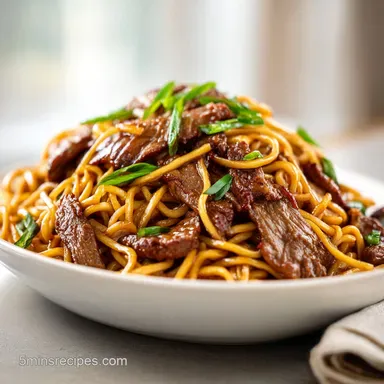
Takeaway-Style Beef Chow Mein: Tender and Glossy
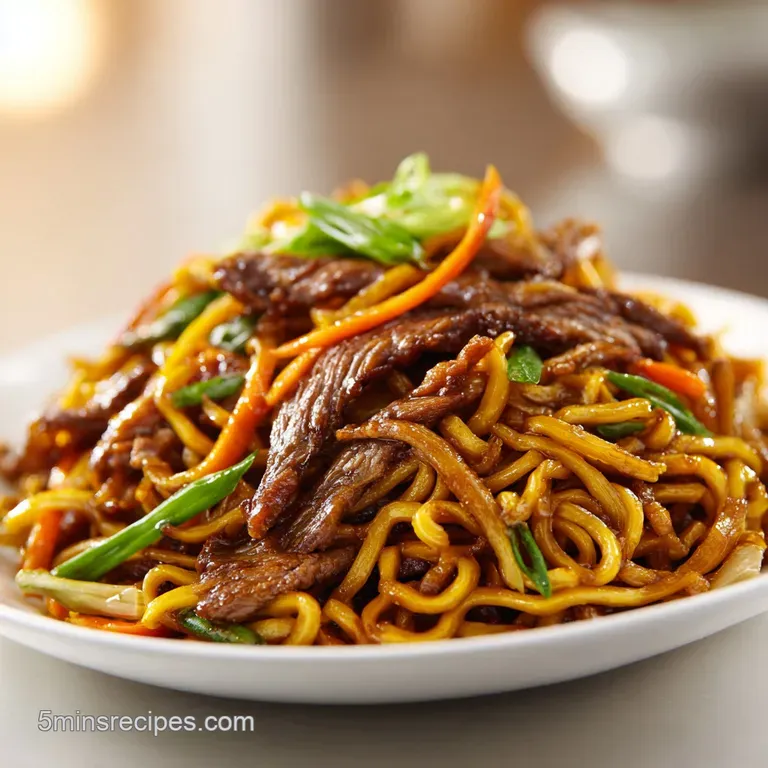
- Time:15 minutes active + 15 minutes cooking = Total 30 minutes
- Flavor/Texture Hook: Velvety beef with a savory, glossy glaze and crisp tender veggies
- Perfect for: Weeknight dinners or a quick meal prep for the office
- Quick and Easy Beef Chow Mein
- Why This Dish Wins
- Component Analysis
- Ingredients
- The Right Gear
- Step-by-Step Execution
- Fixing Common Issues
- Troubleshooting Common Issues
- Customizing the Flavors
- Truths About Stir Frying
- Keeping and Warming
- Serving and Pairing
- Very High in Sodium
- Recipe FAQs
- 📝 Recipe Card
Quick and Easy Beef Chow Mein
The high pitched sizzle of beef hitting a scorching wok is the only alarm clock I need. There is something about that immediate, aggressive sound that tells you the dinner is going to be a winner. I remember the first time I tried making this at home, I used a standard non stick pan on medium heat.
Instead of searing, the beef just sat there, simmering in a pool of gray liquid. It was a disaster, and the texture was like chewing on a rubber band.
That mistake taught me everything I know about over high heat cooking. I realized that for a proper Beef Chow Mein, you can't be timid with the flame. You need the pan to be shimmering, almost smoking, before the meat even touches the surface.
Once I switched to a carbon steel wok and stopped overcrowding the pan, everything changed.
This recipe is all about the flow. It's a fast paced dance of prep and execution. We'll get the beef tenderized, the vegetables prepped, and the sauce mixed so that when the heat goes on, you're just assembling a masterpiece in record time. Trust me, once you nail the sear, you'll never order takeaway again.
Why This Dish Wins
I've spent a lot of time figuring out why some stir fries feel "homemade" and others feel like they came from a pro. It usually comes down to a few specific triggers in the pan.
- The Velvet Effect: Adding a pinch of baking soda to the marinade breaks down the tough fibers in the beef. This keeps the meat velvety even when exposed to extreme heat.
- Sugar Caramelization: The small amount of sugar in the sauce doesn't make it sweet, but it helps the glaze cling to the noodles. This creates that glossy, restaurant style look.
- Starch Binding: Cornstarch in the marinade creates a thin protective layer. This prevents the meat from drying out and helps the sauce emulsify into a silky coating.
- High Heat Impact: Cooking the vegetables quickly on high heat ensures they stay vibrant and snap when you bite them. This prevents the "mushy cabbage" syndrome.
| Method | Time | Texture | Best For |
|---|---|---|---|
| Traditional Wok | 15 mins | Charred, crisp | High heat, professional results |
| Large Skillet | 20 mins | Softer, glazed | Home kitchens without a wok |
| Stir fry Pan | 18 mins | Balanced | Medium batches, easy tossing |
Component Analysis
Most people think the sauce is the only thing that matters, but the chemistry happens in the prep. Here is how the key parts of this Beef Chow Mein actually function.
| Ingredient | Science Role | Pro Secret |
|---|---|---|
| Baking Soda | Fiber Tenderizer | Use exactly 1/2 tsp; too much tastes soapy |
| Dark Soy Sauce | Color Agent | Adds the deep mahogany hue without too much salt |
| Cornstarch | Surface Protection | Tosses the beef to lock in juices during the sear |
| Shaoxing Wine | Aroma Catalyst | Cuts through the richness of the beef fat |
Ingredients
Get everything measured and ready before you turn on the stove. Stir frying happens too fast to be chopping garlic while the beef is searing.
- 1 lb flank steak or sirloin Why this? Lean but flavorful; easy to slice thin
- 1 tbsp soy sauce
- 1 tbsp Shaoxing wine
- 1 tsp cornstarch
- ½ tsp baking soda
- 2 tbsp light soy sauce Why this? Provides the primary salty base
- 1 tbsp dark soy sauce Why this? Essential for that rich, dark color
- 1 tbsp oyster sauce Why this? Adds a deep, savory umami punch
- 1 tsp toasted sesame oil Why this? Adds a nutty aroma at the end
- 1 tsp granulated sugar
- ½ tsp white pepper
- 12 oz chow mein noodles Why this? Hearty enough to hold the heavy sauce
- 2 tbsp neutral oil (canola or vegetable)
- 3 cloves garlic, minced
- 1 tsp fresh ginger, grated
- 2 cups shredded cabbage
- 1 cup julienned carrots
- 3 stalks celery, thinly sliced
- 3 scallions, cut into 2 inch pieces
Substitution Options
| Original Ingredient | Substitute | Why It Works |
|---|---|---|
| Flank Steak | Sirloin or Ribeye | Similar texture. Note: Ribeye is fattier, so reduce cooking oil |
| Shaoxing Wine | Dry Sherry | Very similar flavor profile. Note: Use a 1:1 ratio |
| Chow Mein Noodles | Spaghetti | Closest texture if you can't find egg noodles. Use the trick with baking soda to give them a ramen like spring |
| Oyster Sauce | Vegetarian Mushroom Sauce | Same salty, thick consistency. Note: Great for those avoiding shellfish |
The Right Gear
You don't need a professional kitchen, but a few tools make a massive difference in how this recipe turns out.
- Carbon Steel Wok: This is the gold standard. It handles high heat better than anything else and allows for easy tossing.
- Metal Spatula: A wok spatula (chan) is best, but any flat metal turner works. Don't use plastic, as it might melt during the over high heat phase.
- Large Mixing Bowls: You'll need two - one for the marinade and one for the Beef Chow Mein sauce.
- Sharp Chef's Knife: Essential for slicing the beef against the grain. If you struggle with the meat, try putting it in the freezer for 15 minutes before slicing.
Step-by-step Execution
Right then, let's crack on. The secret to a great stir fry is the "mise en place" - having everything in its place. Once you start the heat, you won't have time to stop.
1. The Rapid Prep
Whisk your marinade ingredients (soy sauce, wine, cornstarch, baking soda) in one bowl and the sauce ingredients (light soy, dark soy, oyster sauce, sesame oil, sugar, white pepper) in another. Slice your beef across the grain into thin strips.
Boil the noodles according to the package, drain them, and toss with a drizzle of oil so they don't turn into one giant clump.
2. Searing the Beef
Heat 1 tbsp of neutral oil in your wok until it's shimmering. Add the marinated beef in a single layer. Let it sit undisturbed for 60 seconds until you see a deep brown crust forming. Toss rapidly for 1 more minute, then immediately remove the beef from the pan and set it aside on a plate.
3. The Vegetable Flash Fry
Add the remaining oil to the wok. Stir fry the garlic and ginger for about 10 seconds until you smell that sharp, fragrant aroma. Toss in the carrots and celery first, then the cabbage.
Stir fry on high heat for 2-3 minutes until the vegetables are vibrant but still have a snap.
4. The Final Toss & Glaze
Return the seared beef and the cooked noodles to the wok. Pour the Beef Chow Mein sauce evenly over the mixture. Toss everything together on high heat for 2 minutes until the sauce thickens into a glossy glaze that coats every strand. Stir in the scallions, remove from heat, and serve.
Chef's Note: If you're using a home stove that doesn't get very hot, sear the beef in two smaller batches. Overcrowding the pan drops the temperature, and you'll end up with steamed meat instead of seared meat.
Fixing Common Issues
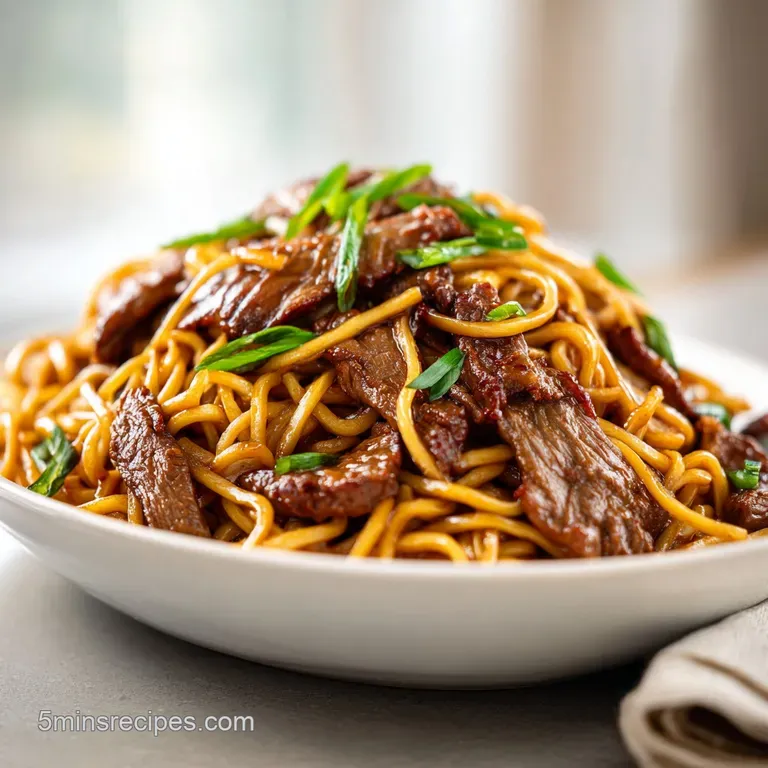
Even for a pro, things can go sideways in a wok. Most problems are related to temperature or timing.
Troubleshooting Common Issues
| Issue | Solution |
|---|---|
| Why are my noodles clumping | This usually happens if the noodles are too wet or weren't oiled after boiling. The starch on the surface acts like glue. To fix this, ensure you drain them thoroughly and toss them with a teaspoon of |
| Why is the beef tough or chewy | You likely sliced the meat with the grain instead of against it, or you overcooked it. Beef should be seared fast and removed. If it stays in the pan during the whole vegetable process, it will toughe |
| Sauce too watery | This is almost always caused by adding too many vegetables at once, which releases moisture and cools the pan. Work in batches if your pan is small, and make sure the heat is on the highest setting be |
Common Mistakes Checklist
- ✓ Sliced beef against the grain for maximum tenderness
- ✓ Pre mixed sauce to avoid burning garlic while measuring
- ✓ Used dark soy for color, not just light soy for salt
- ✓ Removed beef from pan before adding vegetables
- ✓ Oiled noodles after boiling to prevent clumping
Customizing the Flavors
Once you've mastered the base Beef Chow Mein, you can start playing with the profile. If you want a more modern twist, you could add some sliced bell peppers or baby corn for extra crunch.
For those who want a lighter meal, you can swap the noodles for zucchini ribbons or shredded cabbage. If you're doing a low carb version, just double the cabbage and skip the noodles entirely. For a healthy side to balance out the richness of the beef, my Kale Chips Recipe is a great way to add some greens to the table.
If you're craving heat, don't just add hot sauce at the end. Instead, stir fry some minced Thai bird's eye chilies along with the garlic and ginger. This infuses the oil with heat, ensuring every bite of the Beef Chow Mein has a consistent kick.
Adjustment Guidelines
- Scaling Down (1/2 batch): Use a smaller skillet to maintain heat. Reduce the cooking time for vegetables by about 20% since there is less mass to heat up.
- Scaling Up (2x batch): Do NOT double the salt or soy sauce fully - use about 1.5x the amount and taste at the end. Most importantly, work in batches. If you put 2 lbs of beef in a home wok, it will boil, not sear.
- Scaling Up (4x batch): Work in four separate batches for the beef and vegetables, then combine everything in a very large pot for the final glaze.
Truths About Stir Frying
There are a few things people tell you about this style of cooking that just aren't true.
The "Seal in Juices" Myth: You'll hear that searing the beef "locks in" the juices. It doesn't. Searing actually causes moisture loss. However, we do it because the browning creates a depth of flavor that you can't get any other way. It's about taste, not moisture retention.
The Cornstarch Myth: Some think cornstarch is only for thickening sauces. In this recipe, it's used in the marinade for "velveting." It creates a barrier that protects the protein from the intense heat, ensuring the beef stays silky.
Keeping and Warming
This is a great meal for leftovers, though the texture changes slightly.
Storage Store any leftover Beef Chow Mein in an airtight container in the fridge for up to 3 days. The noodles will absorb some of the sauce over time, so it might look a bit drier the next day.
Freezing I don't recommend freezing this dish. The noodles can become mushy upon thawing, and the vegetables lose their snap. It's better to enjoy it fresh or within a few days.
Reheating Avoid the microwave if you can. The best way to reheat is in a skillet over medium high heat with a splash of water or beef broth. This loosens the sauce and brings back the glossy finish.
Zero Waste Tips Don't throw away the scallion roots! Clean them and freeze them to use as a base for your next homemade stock. Also, any leftover cabbage or carrot scraps from your prep can be tossed into a freezer bag for a future vegetable broth.
Serving and Pairing
Beef Chow Mein is a complete meal on its own, but a few additions can make it feel like a feast. I love serving it with a side of smashed cucumber salad with rice vinegar and garlic to cut through the richness of the oyster sauce.
If you're serving a crowd and want another high protein option, you could pair this with something hearty like my Homemade Burger Recipe for a "fusion" night, though usually, a simple steamed bok choy or some spring rolls do the trick.
Decision Shortcut
- If you want a smoky flavor, use a cast iron skillet and let the beef sear for an extra 30 seconds.
- If you want a thinner sauce, add a tablespoon of water or beef broth during the final toss.
- If you want more crunch, add the scallions and a handful of bean sprouts at the very last second before removing from heat.
Enjoy your Beef Chow Mein! It's a fast, satisfying dish that proves you don't need hours in the kitchen to get professional results. Just keep the heat high, the beef thin, and the prep organized, and you'll have a winner every single time.
Very High in Sodium
1410 mg 1,410 mg of sodium per serving (61% 61% of daily value)
The American Heart Association recommends that most adults limit sodium intake to 2,300 mg per day, with an ideal limit of 1,500 mg for most adults with high blood pressure.
Tips to Reduce Sodium
-
Low-Sodium Soy Alternative-20%
Replace the regular, light, and dark soy sauces with low-sodium soy sauce or coconut aminos to drastically cut salt content.
-
Modify Oyster Sauce-20%
Use a low-sodium oyster sauce or reduce the amount used by half and compensate with a splash of water or mushroom broth.
-
Swap the Noodles-20%
Replace processed chow mein noodles with fresh rice noodles or whole grain noodles that contain no added salt.
-
Enhance with Aromatics
Add freshly minced ginger, garlic, and chopped scallions to provide a bold flavor profile without adding extra sodium.
Recipe FAQs
Why is the beef tough or chewy?
Slice the meat against the grain. This breaks up the muscle fibers, and removing the beef from the pan while cooking the vegetables prevents it from overcooking.
How to prevent chow mein noodles from clumping?
Toss drained noodles with a small amount of oil. This creates a barrier that prevents the surface starch from acting like glue.
Can I use sirloin instead of flank steak?
Yes, sirloin is an excellent substitute. Similar to our beef quesadilla, this lean cut sears quickly for a tender result.
Is it true the beef should stay in the pan while the vegetables cook?
No, this is a common misconception. You must remove the seared beef and set it aside, returning it only at the end to keep it tender.
How to get a glossy glaze on the noodles?
Toss the beef, noodles, and sauce on high heat for 15 minutes. This rapid heating reduces the sauce until it clings perfectly to the ingredients.
How to ensure the beef stays tender?
Whisk cornstarch and baking soda into the marinade. These ingredients work together to tenderize the meat before it hits the hot wok.
How to keep the vegetables from getting mushy?
Stir fry on high heat for only 2-3 minutes. This allows the carrots, celery, and cabbage to soften slightly while maintaining a crisp bite.
Beef Chow Mein