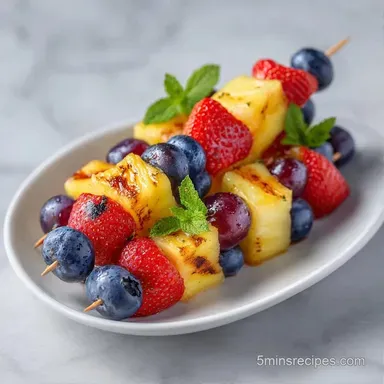
Low Calorie Fruit Skewers: Fresh and Bright
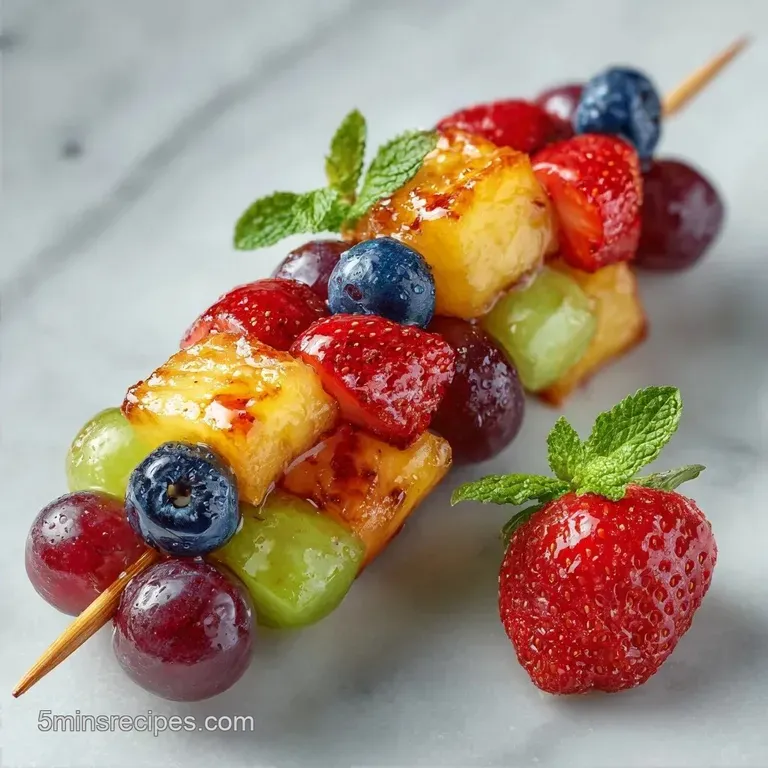
- Time: 15 min active + 10 min bamboo soaking
- Flavor/Texture Hook: Bright, juicy, and refreshing
- Perfect for: Summer parties, healthy snacks, or kid friendly appetizers
- Making Perfect Fruit Skewers
- The Secret to Fresh Fruit
- What Goes Into the Mix
- Gear for the Job
- Putting the Skewers Together
- Fixing Common Prep Mistakes
- Troubleshooting Common Issues
- Different Ways to Style
- Adjusting for More Guests
- Fruit Truths
- Keeping Your Fruit Fresh
- Best Sides and Pairings
- Recipe FAQs
- 📝 Recipe Card
The smell of fresh, sliced pineapple always hits me first - that sharp, sweet aroma that basically screams "summer." For years, I thought the only way to serve fruit at a party was the classic big bowl. You know the one, where everything sinks to the bottom and the melon gets soggy.
I used to think a platter was the "proper" way to do it, but honestly, that's a myth.
The truth is, a bowl is just a recipe for a mushy mess. When you switch to Fruit Skewers, you control the texture and the presentation. Each guest gets a curated bite, and the fruit stays separated, which means no weird flavor bleeding. It's a simple shift, but it makes the whole experience feel more intentional.
You don't need fancy dips or expensive exotic berries to make this work. Just a few basic, colorful fruits and a tiny bit of citrus logic. These Fruit Skewers are all about the contrast - the snap of a grape against the softness of a melon cube. Let's get into how to actually make them stay together and look bright.
Making Perfect Fruit Skewers
Most people just stab fruit on a stick and call it a day. But if you've ever had a blueberry slide off the stick the second you pick it up, you know there's a better way. It comes down to structural anchoring. You want to start and end with your firmest fruits, like pineapple, to lock everything in place.
I've learned the hard way that the order matters. If you put a soft strawberry at the very end, it'll just wobble. By using a "firm soft-firm" pattern, the fruit creates its own tension. This keeps the skewers stable and prevents that annoying sliding effect. Plus, it looks a lot cleaner when you're plating them.
When you're prepping, keep your cuts uniform. I aim for 1 inch cubes for the melon and pineapple. If one piece is huge and the next is tiny, the skewer feels unbalanced. It's a small detail, but it's the difference between something that looks thrown together and something that looks like you actually put effort into it.
The Secret to Fresh Fruit
Since we aren't cooking anything, the "magic" here is all about managing moisture and oxygen. Fresh fruit starts to degrade the moment you cut it, but a little bit of acid can slow that process down.
The Citrus Shield: Lemon and lime juice create an acidic barrier on the fruit's surface. This slows down the enzymes that cause browning, especially in the pineapple and melon.
Structural Tension: Pressing the fruit pieces firmly together removes air pockets. This creates friction between the pieces, which stops them from spinning on the bamboo stick.
Hydration Control: Using seedless grapes and hulled strawberries prevents excess liquid from leaking. This keeps the skewers from getting "weepy" on the serving tray.
| Method | Time | Texture | Best For |
|---|---|---|---|
| Fresh Cut | 15 mins | Crisp & Juicy | Immediate serving, high flavor |
| Pre Cut Mix | 5 mins | Softer | Quick prep, less variety |
| Canned Fruit | 5 mins | Mushy | Budget options, winter months |
The difference between fresh and shortcut is huge here. Canned fruit is often stored in heavy syrup, which makes the Fruit Skewers feel sticky and overly sweet. Fresh produce gives you that clean, sharp snap that makes this a refreshing snack.
What Goes Into the Mix
You want a mix of colors and textures to keep it interesting. I stick to a palette of yellow, orange, red, and blue. It looks like a rainbow on a plate, which always gets people excited.
| Ingredient | Science Role | Pro Secret |
|---|---|---|
| Pineapple | Structural Anchor | Use slightly under ripe for more "snap" |
| Lemon Juice | Oxidation Block | Rub a slice directly on the bamboo sticks |
| Blueberries | Visual Contrast | Keep them whole to prevent leaking |
| Melon | Moisture Base | Pat dry with a paper towel before threading |
Gear for the Job
You don't need a professional kitchen for this, but a few specific tools make the process faster. A sharp chef's knife is non negotiable because you want clean cuts, not crushed fruit.
First, grab some bamboo skewers. I highly recommend soaking them in water for about 10 minutes before you start. This prevents the wood from splintering and makes it much easier to slide the fruit on without tearing the berries.
A large mixing bowl is essential for the "citrus toss." Instead of drizzling juice over the finished skewers, toss the fruit in the bowl first. This ensures every single piece is coated in that protective lemon lime layer, leaving no spot exposed to the air.
Putting the Skewers Together
Right then, let's get these assembled. Remember to work in batches so the fruit doesn't sit out too long.
- Wash all produce thoroughly. Cut the pineapple and melon into uniform 1 inch cubes. Halve the strawberries lengthwise. Note: Halving strawberries prevents them from rolling off the stick.
- Place the cubed pineapple and melon into a mixing bowl. Drizzle with the lemon and lime juices, tossing gently. Do this for 2 minutes until coated.
- Thread a pineapple cube onto the soaked bamboo skewer. Note: This acts as the base anchor.
- Slide on one blueberry, then one strawberry half.
- Add a seedless grape, followed by a melon cube.
- Finish the skewer with one more pineapple cube.
- Press the fruit firmly together. Press until there are no visible gaps.
- Repeat the process for the remaining 5 skewers.
- Arrange them on a chilled platter for the best experience.
Fixing Common Prep Mistakes
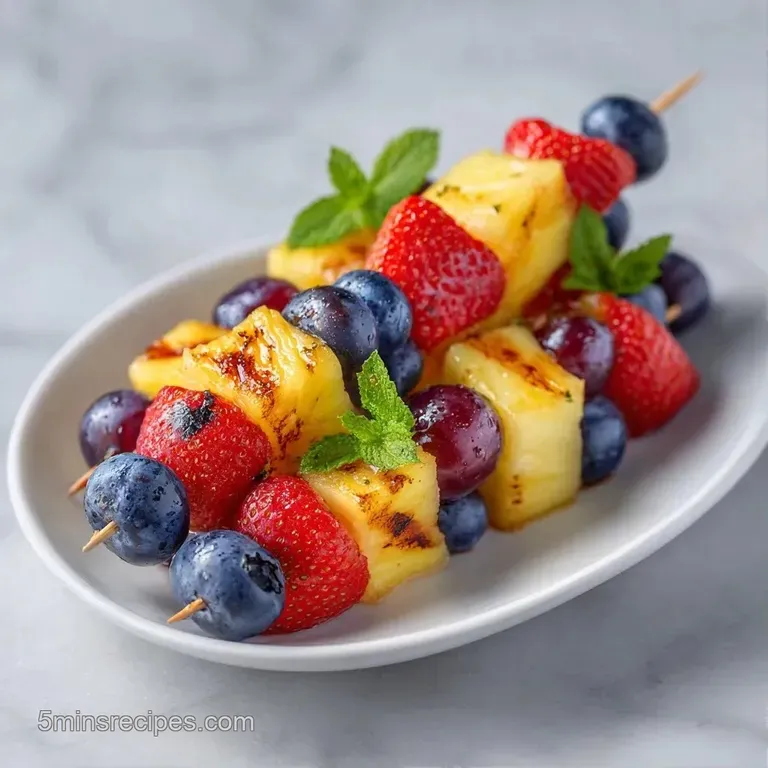
The most common issue I see is fruit simply sliding off the stick. This usually happens because the fruit is too ripe or the cuts are too small. If your blueberries are shriveling or your melon is too soft, they won't provide the friction needed to hold the skewer together.
Another problem is the "bleeding" effect, where the red from the strawberries stains the yellow pineapple. This happens if the fruit sits for too long before being served. The best fix is to assemble these as close to serving time as possible.
Troubleshooting Common Issues
| Issue | Solution |
|---|---|
| Why Your Fruit Slips Off | If the pieces are too small, they don't grip the skewer. Use 1 inch chunks for stability. |
| Why the Fruit Browns | This happens when the citrus coating is uneven. Ensure you toss the fruit in a bowl rather than drizzling on top. |
| Why the Berries Mush | Pressing too hard or using overripe berries causes them to burst. Use firm, plump berries. |
Common Mistakes Checklist
- ✓ Soaking bamboo skewers for 10 mins to prevent splinters
- ✓ Using a "firm soft-firm" threading pattern
- ✓ Tossing fruit in citrus juice before skewering
- ✓ Cutting uniform 1 inch cubes for balance
- ✓ Serving on a chilled plate to maintain crispness
Different Ways to Style
If you want to move beyond the basic rainbow, there are plenty of ways to tweak these. For a more "adult" version, I love adding a piece of salty prosciutto or a small cube of feta cheese between the melon and the pineapple. The salt cuts through the sweetness and makes the flavors pop.
You can also try different fruit combinations based on the season. In the winter, swap the berries for pomegranate seeds and pieces of crisp pear. If you're looking for something with a bit more chew, my Homemade Peach Rings are a great addition to a dessert board alongside these.
Decision Shortcut
- If you want more crunch → Add green apple or firm pear
- If you want a savory twist → Add mint leaves or feta cheese
- If you want a dessert feel → Drizzle with a tiny bit of honey
For those watching calories, these Low Calorie Fruit Skewers are already great, but you can skip the honey drizzle and stick to the lime juice for a zesty, low calorie fruit skewers recipes approach. It keeps the Calorie Fruit Skewers light and refreshing.
Adjusting for More Guests
Scaling this up for a crowd is easy, but don't just multiply everything blindly. If you're making 50 skewers instead of 6, you don't need to increase the citrus juice linearly. Too much lemon juice can actually make the fruit break down faster because the acid starts to "cook" the fruit (like a ceviche).
For a large party, work in batches of 10. Prepare the fruit and toss it in the juice, but only thread the skewers 30 minutes before the guests arrive. If you make too many at once, the weight of the fruit on the platter can crush the bottom layer.
If you're using a smaller batch, like just 2 or 3 skewers, be careful with the citrus. A whole tablespoon of lemon juice for two skewers will make them taste like lemons rather than fruit. Just a quick squeeze will do.
Fruit Truths
One big myth is that frozen fruit works just as well as fresh for skewers. It doesn't. Once frozen fruit thaws, the cell walls collapse, leaving you with a mushy texture that won't stay on the stick. Always go fresh for this recipe.
Another misconception is that you need to soak the fruit in sugar water to keep them bright. Actually, sugar can draw moisture out of the fruit (osmosis), making the skewers weep and create a puddle on your plate. Stick to citrus.
Keeping Your Fruit Fresh
Store your assembled Fruit Skewers in an airtight container in the fridge for up to 24 hours. However, they are best within the first 6 hours. After that, the juices start to pool, and the texture loses its snap.
I don't recommend freezing these. The texture of the melon and pineapple becomes grainy once thawed, and the berries essentially turn into jam. If you have leftover fruit that isn't skewered yet, keep it in the citrus bath in the fridge.
To avoid waste, don't throw away the pineapple rinds. You can simmer them with a bit of cinnamon and water to make a light, tropical tea. The melon seeds can also be dried and roasted for a crunchy, nutritious snack.
Best Sides and Pairings
These work beautifully as Fruit Skewers Appetizers for a brunch or a summer lunch. They pair perfectly with something creamy, like a yogurt dip or a light mascarpone cream. The tanginess of the cream balances the natural sugars of the fruit.
If you're serving these as part of a larger spread, try pairing them with something slightly savory. A platter of mild cheeses and crackers provides a great contrast to the bright, acidic notes of the fruit.
For a tart contrast during the holidays, try some Crockpot Cranberry Sauce on the side. The deep, rich berry flavor of the sauce complements the lightness of the Fruit Skewers, making it a great addition to a festive table. Whether you're making simple fruit skewers ideas for a crowd or just a few for yourself, the key is always in the freshness.
Recipe FAQs
What fruits work best on skewers?
Firm, bite-sized pieces like pineapple, melon, and grapes. These ingredients hold their shape on the skewer, while blueberries and strawberries add contrasting textures and colors.
Can you make fruit skewers the day before a party?
No, assemble them the day of the event. Pre-cut fruit releases moisture over time, which can make the pieces mushy and cause them to slip off the skewers.
Why are fruit skewers healthy?
They provide a nutrient-dense snack without added sugars. Using fresh berries, melon, and pineapple delivers essential vitamins and antioxidants in a portable, appetizing format.
What is the lowest calorie fruit in this recipe?
Strawberries and blueberries. These berries offer a high volume of fruit and natural sweetness with the lowest caloric density per serving.
How to keep fruit from browning?
Toss the pineapple and melon in a bowl with lemon and lime juices. This creates an acidic barrier that prevents oxidation and keeps the colors vibrant.
Is it true that any fruit size works for skewers?
No, this is a common misconception. You must use uniform 1-inch cubes to ensure the fruit grips the skewer securely and remains stable.
What is a fancy healthy dessert recommendation?
Fresh fruit skewers are a sophisticated, naturally sweet option. For another vibrant presentation, try a red white blue fruit snack for a festive party treat.
Fruit Skewers in 25 Minutes