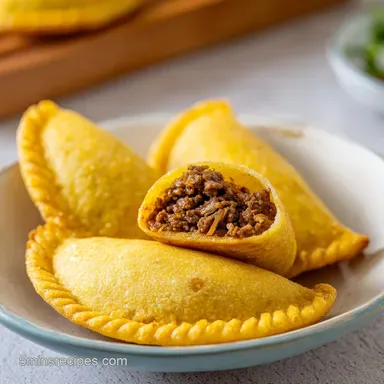
Jamaican Beef Patties: Golden and Shattering
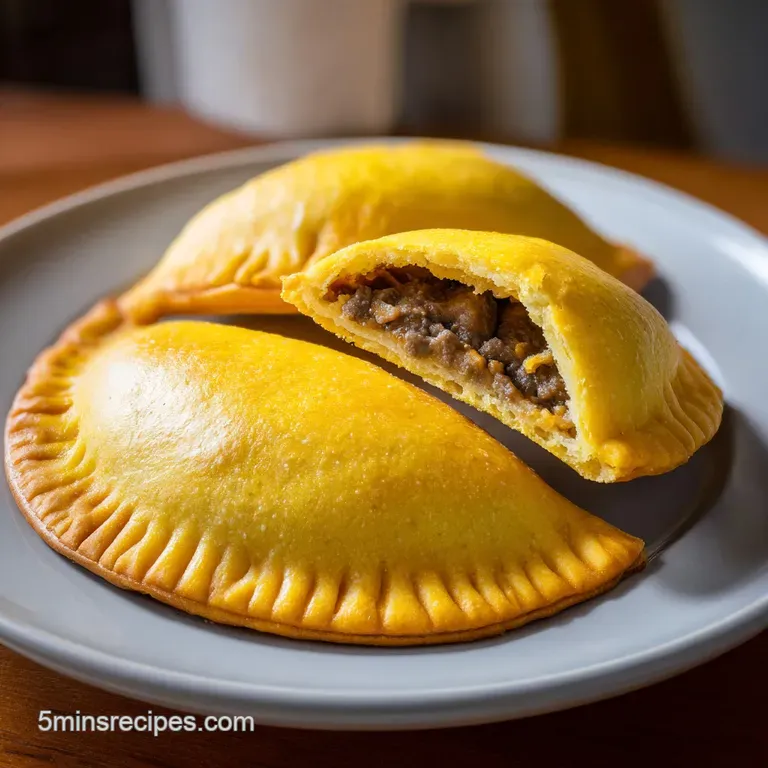
- Time: 20 min active + 30 min chilling = Total 75 min
- Flavor/Texture Hook: Shattering, golden crust with a spicy, savory center
- Perfect for: Game day snacks, budget-friendly dinner, or authentic street food cravings
That sharp, pungent scent of scotch bonnet pepper hitting a hot pan is the smell of childhood for anyone who grew up with Jamaican street food. I remember the first time I tried to make these at home, thinking I could just put seasoned meat in any pastry shell.
I ended up with a soggy, pale mess that tasted more like a sad meat pie than the vibrant, golden pockets sold on the corners of Kingston.
The real secret is the crust. It shouldn't just be "bread", it needs to be a flaky, turmeric stained shell that resists the moisture of the beef. When you get it right, the first bite creates a distinct shatter, followed by a hit of allspice and heat that lingers just long enough.
These Beef Patties are a labor of love, but once you know the tricks, they become a reliable dinner solution.
You're going to get a result that's budget friendly but tastes like you spent hours on it. We're focusing on high impact spices and a simple dough technique. By the time we're done, you'll have a tray of Beef Patties that look professional and taste authentic.
Beef Patties
Fresh Crust vs. Store Shortcut
| Feature | Homemade Pastry | store-bought Shells | Impact |
|---|---|---|---|
| Texture | Shattering & Flaky | Tough or Rubbery | High |
| Color | Bright Golden | Pale/Beige | Visual |
| Effort | 20 min prep | 5 min prep | Low |
Secret to the Texture
The success of these Beef Patties depends on how we handle the fat and the liquid. If the butter melts before it hits the oven, you lose the layers.
- Cold Fat Pockets: Keeping butter in pea sized lumps creates steam vents during baking, which is what makes the crust shatter.
- Filling Reduction: Simmering the beef with a flour slurry prevents liquid from leaking, which keeps the bottom from getting mushy.
- Acid Balance: The scotch bonnet provides a sharp heat that cuts through the richness of the beef and butter.
- Temperature Shock: Using ice cold water prevents the gluten from over developing, ensuring the dough stays tender.
Right then, if you're wondering about the flakiness, it's all about the "rubbing in" method. According to Serious Eats, keeping fats cold is the non negotiable rule for any short crust pastry to avoid a tough result.
Component Analysis
Before we dive in, let's look at what each part is actually doing in these Beef Patties.
| Ingredient | Science Role | Pro Secret |
|---|---|---|
| Cold Butter | Lamination | Freeze for 10 mins before cubing |
| Turmeric | Natural Pigment | Combine with curry powder for depth |
| Scotch Bonnet | Capsaicin Heat | Remove seeds for mild, keep for fire |
| Beef Broth | Umami Base | Reduce until it's a thick glaze |
Ingredients
For the crust, we want a balance of color and structure. For the filling, we want concentrated flavor.
The Crust
- 2 cups (250g) all purpose flourWhy this? Standard protein for a sturdy but flaky shell
- 1/2 cup (115g) cold unsalted butter, cubedWhy this? Creates the necessary flaky layers
- 1 tsp (5g) saltWhy this? Enhances the buttery notes
- 1 tsp (3g) turmeric powderWhy this? Gives the signature Jamaican yellow color
- 1 tsp (3g) curry powderWhy this? Adds earthy depth and color
- 1/2 cup (120ml) ice cold waterWhy this? Keeps the dough cold and tender
- 1 egg, beatenWhy this? Provides a glossy, golden finish
The Filling
- 1 lb (450g) lean ground beefWhy this? Less grease prevents soggy bottoms
- 1 tbsp (15ml) vegetable oilWhy this? High smoke point for searing
- 1 small (100g) onion, finely dicedWhy this? Base aromatic flavor
- 3 cloves (15g) garlic, mincedWhy this? Pungent, savory punch
- 1 scotch bonnet pepper, seeded and mincedWhy this? Authentic Caribbean heat
- 1 tsp (2g) dried thymeWhy this? Woody, herbal notes
- 1/2 tsp (1g) ground allspiceWhy this? The "secret" cinnamon clove flavor
- 1/2 cup (120ml) beef brothWhy this? Creates a velvety sauce
- 2 tbsp (16g) all purpose flourWhy this? Thickens the filling juices
- 1 tsp (5g) saltWhy this? Standard seasoning
- 1/2 tsp (3g) black pepperWhy this? Adds a subtle bite
Budget Smart Swaps If you're on a tight budget, you can use margarine instead of butter, though the flavor will be less rich. For the meat, if lean beef is too expensive, use a cheaper cut and drain the fat thoroughly after browning.
| Original Ingredient | Substitute | Why It Works |
|---|---|---|
| Unsalted Butter | Vegetable Shortening | Higher melting point. Note: More flaky but less flavor |
| Scotch Bonnet | Habanero | Similar heat level. Note: Slightly different fruitiness |
| Beef Broth | Water + Beef Bouillon | Same salt and umami. Note: Check sodium levels |
Trust me, don't even bother with low-fat butter here. You need that fat to get the shatter we're after. If you love these, you might also enjoy my Homemade Burger Recipe for another way to use ground beef.
Step-by-step Instructions
Let's crack on. We'll start with the filling because it needs to be completely cold before it hits the dough.
Phase 1: Simmering the High Impact Filling
- Heat oil in a skillet over medium high heat. Add onion and garlic, sautéing until translucent and fragrant.
- Increase heat and add the lean ground beef. Cook until browned, breaking it into very small crumbles. Note: Small crumbles make for easier folding.
- Stir in the scotch bonnet, thyme, allspice, salt, and pepper. Toast the spices with the meat for 2 minutes until the aroma fills the kitchen.
- Sprinkle in the flour, stir for 1 minute, then pour in the beef broth. Simmer on low until the liquid reduces into a thick, velvety glaze.
- Transfer the meat to a bowl and let it cool completely. Note: Hot filling will melt the butter in your crust instantly.
Phase 2: Crafting the Shortcut Crust
- Whisk flour, salt, turmeric, and curry powder in a large bowl.
- Add cold cubed butter. Use a pastry cutter or fork to work the butter into the flour until it resembles coarse crumbs with some pea sized lumps remaining.
- Slowly drizzle in ice cold water, stirring with a fork until the dough just holds together. Do not over knead.
- Form the dough into a disk, wrap in plastic, and refrigerate for 30 minutes. Note: This relaxes the gluten and chills the fat.
Phase 3: Assembling and Baking
- On a floured surface, roll the dough to 1/8 inch (3mm) thickness. Cut into 5 inch (12cm) circles.
- Place 2 tbsp (30g) of cooled beef in the center of each circle. Fold the dough over to create a half moon shape.
- Press the edges firmly with a fork to create a tight seal.
- Place on a parchment lined sheet. Brush the tops with beaten egg.
- Bake at 400°F (200°C) for 20–25 minutes until the crust is firm and golden.
Chef's Tip: If your dough feels too soft while rolling, pop it back in the fridge for 10 minutes. A warm dough is the enemy of a flaky crust.
Common Mistakes & Troubleshooting
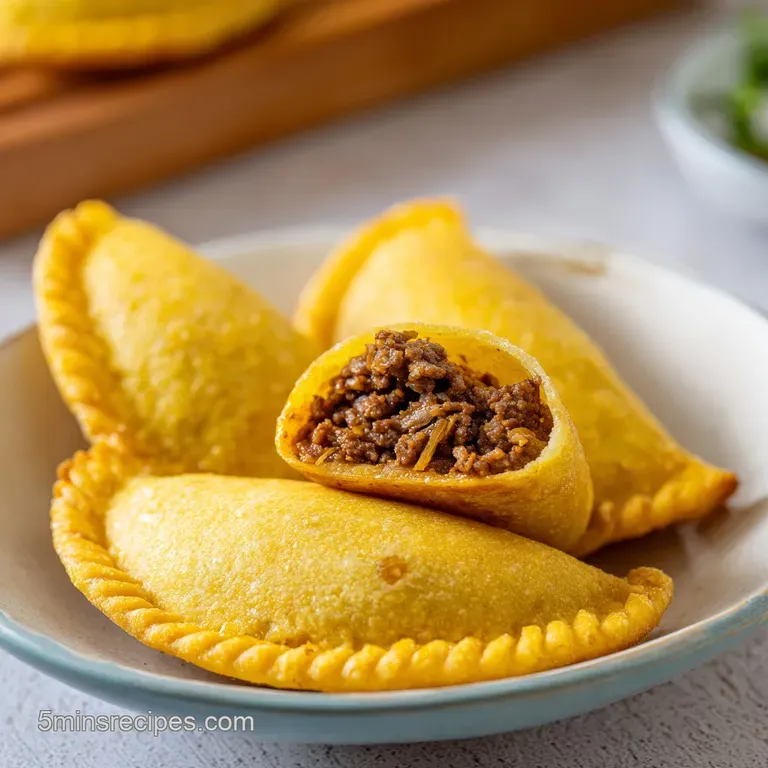
The most common issue with homemade Beef Patties is the "leak". When the filling is too wet, it bursts through the seams.
| Issue | Solution | ||
|---|---|---|---|
| Why Your Crust Is Soggy | This usually happens if the filling was still warm when you added it to the dough, or if you didn't reduce the broth enough. The moisture seeps into the flour before it has a chance to bake. | ||
| Why Your Dough Tears | Over working the dough develops too much gluten, making it elastic and tough rather than tender. If it snaps back when you roll it, you've kneaded it too much. | ||
| Why the Bottom Is Pale | If the oven rack is too high, the bottoms won't get enough heat. Try moving your baking sheet to the lower middle rack for a more even bake.
Dietary AdaptationsYou can tweak these Beef Patties to fit different needs without losing the soul of the dish. For a gluten-free VersionSwap the all purpose flour for a high-quality 1:1 gluten-free blend. You'll need to be extra gentle when rolling, as GF dough is more prone to cracking. I recommend using a rolling pin over parchment paper to prevent sticking. For a Mild Heat ProfileIf you're cooking for kids or people who can't handle the fire, swap the scotch bonnet for a diced red bell pepper and a pinch of paprika. You'll keep the color and the sweetness, but lose the burn. For an Extra Spicy KickKeep the seeds in the scotch bonnet pepper and add a teaspoon of cayenne pepper to the beef. This creates a slow burn that builds as you eat. If you're looking for other savory snacks to serve alongside these, my Kale Chips recipe is a great, light contrast to the rich, buttery pastry. Adjusting Recipe SizeWhether you're feeding a crowd or just yourself, you can scale these Beef Patties easily. Scaling Down (½ Batch) If you only need 4 Beef Patties, halve all ingredients. For the egg wash, beat one egg in a small bowl and use only half of it. Reduce the baking time by about 3-5 minutes, as a smaller tray often heats up faster. Scaling Up (2x-4x Batch) When doubling or tripling, be careful with the spices. Salt and allspice can become overwhelming, so increase them to only 1.5x the original amount first, then taste. Work in batches when rolling the dough to prevent it from warming up on the counter. If you're making a massive amount for a party, you can prep the filling 2 days in advance. Just keep it in an airtight container in the fridge. Truth About Pastry MythsThere's a lot of bad advice out there about making Beef Patties. Let's clear some things up. Myth 1: Searing the beef "seals in" the juices. Searing doesn't lock anything in; it creates flavor through browning. The moisture loss happens regardless. We sear the beef for the taste, then use the flour slurry to thicken those juices. Myth 2: You must use a food processor for the crust. While a food processor is fast, a fork or pastry cutter is actually better. It's easier to see when you have those "pea sized" lumps of butter, which are essential for the shatter. Myth 3: Chilling the dough is optional. It's absolutely not. Chilling the dough relaxes the gluten and ensures the butter is cold. If you skip this, your Beef Patties will shrink in the oven and be tough. Storage GuidelinesThese Beef Patties are great for meal prep, but you have to store them correctly to keep the crust from going soft. Fridge Storage Store baked Beef Patties in an airtight container for up to 4 days. To keep them from getting soggy, place a piece of paper towel at the bottom of the container to absorb excess moisture. Freezer Storage You can freeze these in two ways. To freeze unbaked, flash freeze them on a tray for 1 hour before transferring to a bag. They'll last 3 months. To freeze baked, wrap them individually in foil and freeze for 2 months. Reheating Never use a microwave for these. It will turn your shattering crust into a sponge. Use a toaster oven or a standard oven at 180°C for 10 minutes. This brings back the crispness and heats the center through. Zero Waste Tips If you have leftover beef filling, it's basically a concentrated savory base. You can stir it into rice, use it as a topping for baked potatoes, or even mix it into a pasta sauce for a Caribbean twist. Serving SuggestionsBeef Patties are a complete meal in themselves, but a few sides make the experience. For a traditional feel, serve them with a side of fried plantains or a simple cabbage slaw. The acidity of a vinegar based slaw cuts through the butter of the Beef Patties perfectly. If you want something heartier, a side of rice and peas is the gold standard. I personally love serving these with a spicy mayo or a mango chutney. The sweetness of the mango complements the heat of the scotch bonnet brilliantly. Just remember to let them cool for about 5 minutes after baking so the filling sets and doesn't burn your tongue. Right then, you've got the tools and the tricks. Now go make some Beef Patties that would make a Kingston street vendor proud. Trust the process, keep your butter cold, and enjoy that first shatter! |
Recipe FAQs
How to make a good beef patty?
Sauté aromatics, brown the beef, and simmer with broth until thick. Ensure the filling cools completely before wrapping it in the chilled crust to prevent the dough from softening.
Are beef patties Jamaican?
Yes, they are a staple of Jamaican cuisine. The traditional flavor profile relies on scotch bonnet, allspice, and a turmeric tinted flaky pastry.
Are beef burgers high in potassium?
No, they are typically a moderate source. While ground beef contains potassium, the overall amount in a patty is generally lower than in potassium rich vegetables or fruits.
What is the secret to a good beef patty?
Keep the butter and water ice-cold. This prevents the fat from melting into the flour, ensuring the crust remains flaky and layered after baking at 400°F.
Why did my crust turn out soggy?
Use completely cooled filling and reduce the broth sufficiently. If the beef is still warm or too liquid, moisture seeps into the dough before it can crisp up in the oven.
How to freeze unbaked beef patties?
Flash freeze them on a tray for one hour. Once firm, transfer them to a freezer bag to prevent sticking; they will stay fresh for up to three months.
Can I use the beef filling for other recipes?
Yes, it is a versatile savory mixture. If you enjoyed the flavor of this seasoned beef, you can use a similar profile for a beef quesadilla.
Homemade Jamaican Beef Patties