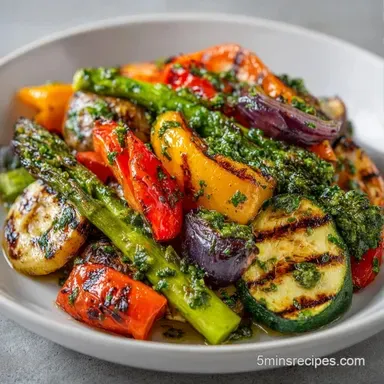
Easy Grilled Vegetable Platter: Mediterranean and Smoky
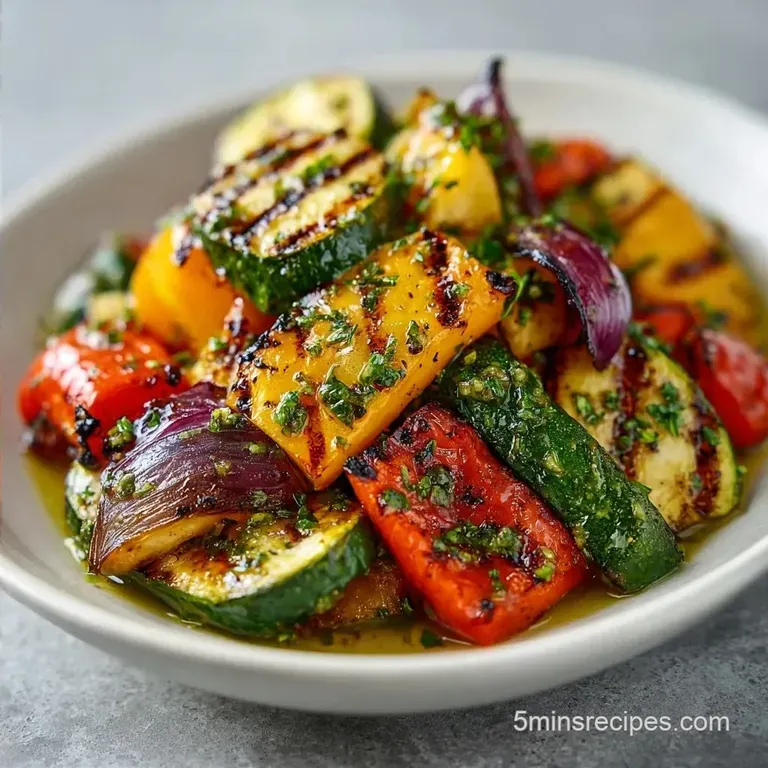
- Time:15 minutes active + 30 minutes cooking
- Flavor/Texture Hook: Smoky, charred edges with a velvety lemon garlic finish
- Perfect for: Summer BBQ side dishes or a healthy weeknight feast
- Easy Grilled Vegetable Platter
- Why These Veggies Work
- Component Analysis
- What You'll Need
- The Right Gear
- From Prep to Plate
- Avoiding Common Mistakes
- Troubleshooting Common Issues
- Tasty Flavor Twists
- Adjusting the Batch Size
- Common Kitchen Myths
- Keeping Veggies Fresh
- Best Pairing Ideas
- Recipe FAQs
- 📝 Recipe Card
The sound of a heavy cast iron grate sizzling as a sliced zucchini hits the heat is, for me, the official start of summer. I remember one specific July 4th party a few years back where I tried to be "efficient" by throwing every single vegetable on the grill at once. It was a disaster.
The asparagus turned into limp, grey strings while the bell peppers were still raw in the middle. I served a platter of contradictions that nobody really wanted to touch.
That failure taught me that a successful Easy Grilled Vegetable Platter isn't about the heat, it's about the timing. I spent the next few seasons experimenting with "heat zones" and marinating times. I discovered that the secret isn't just in the grill, but in the oil.
I started using high-quality extra virgin olive oil as the hero of the dish. While some people use refined oils for higher smoke points, the fruity, peppery notes of EVOO create a rich baseline that stands up to the char of the fire.
You can expect a platter that looks like something from a high end bistro but costs very little to make. We are going to focus on getting those deep, dark grill marks without sacrificing the snap of the vegetable.
This Easy Grilled Vegetable Platter is all about contrast: the sweetness of charred onion, the earthiness of mushrooms, and the brightness of a fresh lemon basil drizzle. It's simple, but when you do it right, it's the dish people actually talk about.
Easy Grilled Vegetable Platter
The real magic here is the marriage of acidity and fat. By whisking together lemon juice and olive oil, we create a barrier that prevents the vegetables from drying out while the acid breaks down the tougher fibers in the onions and peppers. This makes them tender and succulent rather than woody.
When you look at the variety of colors, you're not just getting a visual treat. Each vegetable brings a different sugar profile. The red onion caramelizes, the bell peppers get a jammy sweetness, and the zucchini stays fresh and light.
This balance is what makes the Easy Grilled Vegetable Platter feel like a complete meal rather than just a side of greens.
I've found that the most common mistake is over handling the food. Once those veggies hit the grate, leave them alone. If you move them too much, you lose the sear and end up steaming the vegetables in their own juices. Trust the heat, wait for the release, and you'll get that professional char every single time.
Why These Veggies Work
To get this right, you have to understand that not all vegetables are created equal when it comes to fire. Here is the breakdown of what is happening on your grill:
- Water Release: Vegetables like zucchini and mushrooms have high water content, which creates steam that softens the interior while the exterior sears.
- Sugar Caramelization: The natural sugars in bell peppers and red onions break down under high heat, creating a sweet, charred crust.
- Fiber Breakdown: The lemon juice in the marinade helps soften the cellulose in the asparagus and onions, ensuring they aren't chewy.
- Oil Conduction: The olive oil acts as a heat conductor, transferring the grill's energy evenly across the surface of the veg to prevent burnt spots.
According to Serious Eats, managing the surface moisture is key to getting a good sear, which is why we let the vegetables sit in the marinade just long enough to coat them without drawing out too much internal water.
| Method | Time | Texture | Best For |
|---|---|---|---|
| Gas Grill | 30 mins | Even char, smoky | High volume, consistency |
| Charcoal | 40 mins | Deep smoke, rustic | Intense flavor, slow pace |
| Oven Broil | 15 mins | Browned, softer | Cold weather, small batches |
Component Analysis
Understanding the role of each ingredient helps you make better choices when you're at the market. I don't just pick these for the color; I pick them for how they react to the flame.
| Ingredient | Science Role | Pro Secret |
|---|---|---|
| Extra Virgin Olive Oil | Heat Transfer | Use cold pressed for a peppery finish |
| Lemon Juice | Fiber Tenderizer | Add a pinch of zest for extra punch |
| Fresh Garlic | Aromatic Base | Mince finely to avoid burnt chunks |
| Dried Oregano | Flavor Stabilizer | Rub between palms to wake up oils |
What You'll Need
When shopping for an Easy Grilled Vegetable Platter, look for vegetables that are firm to the touch. If the zucchini feels spongy, it will turn to mush on the grill. For the peppers, go for the brightest colors you can find - red, yellow, and orange - to make the platter pop.
The Marinade & Veggies
- 1/3 cup extra virgin olive oilWhy this? High flavor profile and healthy fats
- 2 tbsp fresh lemon juiceWhy this? Cuts through the richness of the oil
- 3 cloves garlic, mincedWhy this? Adds a pungent, savory depth
- 1 tsp dried oreganoWhy this? Earthy herb that survives high heat
- 1 tsp kosher saltWhy this? Essential for drawing out flavors
- 1/2 tsp cracked black pepperWhy this? Adds a subtle, woody heat
- 2 medium zucchini, sliced into 1/2 inch roundsWhy this? Holds shape well under heat
- 2 large bell peppers, cut into 1 inch stripsWhy this? Adds sweetness and vibrant color
- 1 large red onion, cut into 1 inch wedgesWhy this? Provides a sharp, caramelized contrast
- 1 bunch asparagus, woody ends trimmedWhy this? Adds a sophisticated, earthy snap
- 8 oz cremini mushrooms, halvedWhy this? Provides a meaty, umami texture
The Finishing Drizzle
- 2 tbsp extra virgin olive oil
- 1 tbsp lemon juice
- 2 tbsp fresh basil, chiffonade
- 1 tbsp fresh parsley, chopped
Smart Substitutions
| Original Ingredient | Substitute | Why It Works |
|---|---|---|
| Extra Virgin Olive Oil | Avocado Oil | Higher smoke point. Note: Lacks the fruity flavor of olive oil |
| Dried Oregano | Dried Thyme | Similar earthy profile. Note: Slightly more floral notes |
| Cremini Mushrooms | Portobello Slices | Meatier texture. Note: Needs slightly longer grill time |
| Zucchini | Yellow Squash | Virtually identical profile. Note: Slightly softer texture |
The Right Gear
You don't need a professional kitchen to make this Easy Grilled Vegetable Platter, but the right tools make the process a breeze. If you're using a gas grill, make sure your burners are clean so you get those clean, linear grill marks.
I highly recommend using long handled stainless steel tongs. Plastic handled tools can melt if they lean against the grate for too long, and you need the reach to flip the asparagus without burning your knuckles.
A large stainless steel or glass bowl is also essential for the marinating phase - you want plenty of room to toss the vegetables without bruising the softer zucchini.
If you're working with a charcoal grill, I suggest using a chimney starter to get your coals white hot before you start. This ensures a consistent temperature across the grate. If you find your grill has "cold spots," just rotate the vegetables to the center where the heat is most intense.
From Prep to Plate
Now we get into the action. The goal here is to avoid the "mush factor" and get a platter that is charred on the outside and tender on the inside.
- Whisk together the olive oil, lemon juice, garlic, oregano, salt, and pepper in a large bowl. Note: Whisking vigorously creates a temporary emulsion that coats the veg better.
- Toss in the zucchini, bell peppers, red onion, asparagus, and mushrooms, ensuring every piece is thinly coated. Let them sit for 10 minutes at room temperature. Note: Don't over marinate or the lemon juice will start to "cook" the vegetables.
- Preheat the grill to medium high. Wait until the grates are searingly hot to prevent sticking.
- Place the red onions and bell peppers on the grate first. Cook for 5 minutes until you see the edges beginning to blacken.
- Add the zucchini and mushrooms to the grill. These have higher water content and cook faster than the onions.
- Add the asparagus for the final 4-6 minutes of cooking. Flip each vegetable only once until they have deep, brown grill marks.
- Arrange the grilled vegetables on a platter, grouping them by color for a visual impact.
- Whisk the finishing drizzle ingredients (oil, lemon juice, basil, parsley) together.
- Pour the drizzle evenly over the hot vegetables until they are glistening.
Avoiding Common Mistakes
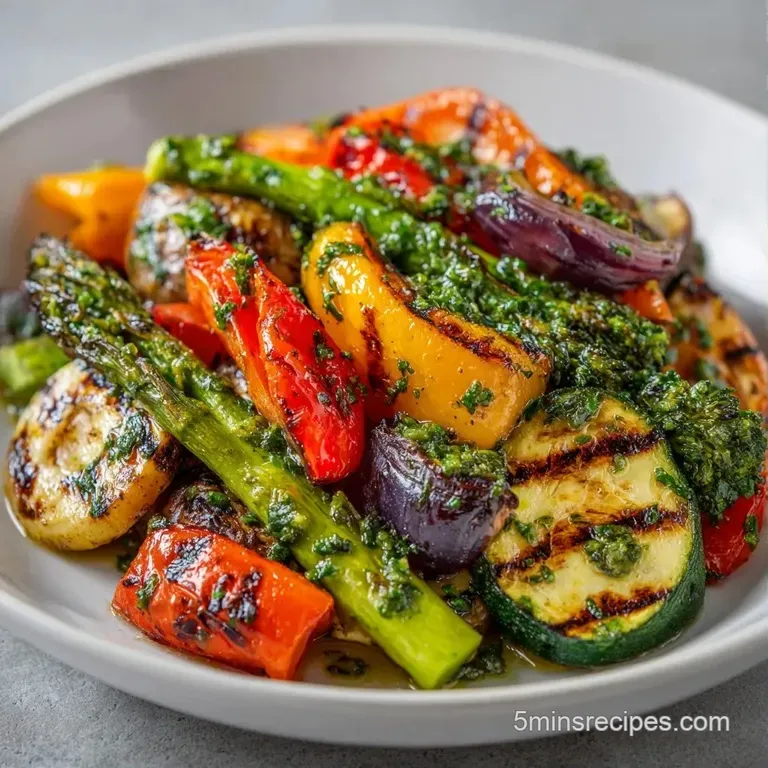
When I first started making this Easy Grilled Vegetable Platter, I thought more flipping meant more flavor. I was wrong. Every time you lift a vegetable, you stop the searing process and lose that beautiful char.
Troubleshooting Common Issues
| Issue | Solution |
|---|---|
| Why Your Veggies Are Mushy | This usually happens because of overcrowding. If you pile the vegetables on top of each other, they steam instead of grill. |
| Why Your Veggies Are Burnt | This is a temperature issue. If your grill is on "High" instead of "Medium High," the outside burns before the inside softens. |
| Why Your Veggies Stick | Sticking happens when the grill isn't hot enough or the vegetables weren't oiled properly. If a piece of veg doesn't "release" easily when you try to flip it, give it another 30 seconds. |
Quick Fix Checklist
- ✓ Pat vegetables dry before marinating to remove excess surface water.
- ✓ Use a brush to oil the grill grates right before adding the food.
- ✓ Flip only once to preserve the crust.
- ✓ Remove asparagus the moment it turns bright green.
- ✓ Let the vegetables rest for 2 minutes before drizzling the sauce.
Tasty Flavor Twists
The Easy Grilled Vegetable Platter is a fantastic canvas. Once you have the timing down, you can change the flavor profile entirely just by swapping the marinade.
The Mediterranean Style
Keep the base but add a sprinkle of crumbled feta cheese and a few Kalamata olives to the platter. This adds a salty, creamy element that contrasts the acidity of the lemon. If you love bold flavors, you can use my Adobo Sauce recipe as a base for a smokier, spicier version of the marinade.
The Umami Asian Twist
Swap the oregano for a mix of ginger and soy sauce. Use toasted sesame oil instead of olive oil in the marinade. For the finishing touch, sprinkle toasted sesame seeds and sliced scallions over the top instead of basil and parsley.
The Vegan Creamy Swap
Instead of a lemon drizzle, serve the platter with a side of whipped tahini or a cashew based garlic cream. This turns the Easy Grilled Vegetable Platter into a heartier meal that feels more indulgent.
The Low Carb Selection
If you're keeping things keto, swap the red onion for more asparagus or add sliced cauliflower steaks. Avoid any honey or maple syrup additions to the marinade, and stick to the extra virgin olive oil for those healthy fats.
Adjusting the Batch Size
Whether you're cooking for two or twenty, the principles of the Easy Grilled Vegetable Platter remain the same, but the logistics change.
Scaling Down (for 2 people) Use a smaller grill or even a grill pan. Reduce the marinating time to 5 minutes so the smaller volume of vegetables doesn't get too soft. You can halve the ingredients, but keep the garlic amount the same - it's the primary flavor driver.
Scaling Up (for 8+ people) Work in batches. Do not try to cram everything onto one grill, or you'll end up with steamed vegetables. When scaling the marinade, only increase the salt and dried herbs to 1.5x the original amount; otherwise, the flavor can become overpowering.
For large crowds, I recommend a "make ahead" approach. You can grill the vegetables up to 4 hours in advance and keep them in a sealed container. When you're ready to serve, just pop them back on the grill for 2 minutes or warm them in a 300°F oven.
Add the fresh basil and parsley drizzle only at the very end to keep the herbs vibrant.
Common Kitchen Myths
There are a few things people tell you about grilling vegetables that just aren't true. Let's set the record straight.
Myth: You must soak asparagus in water. Some people say this makes them tender. In reality, it just adds excess moisture, which is the enemy of a good sear. Proper trimming of the woody ends and a quick marinade is all you need.
Myth: Olive oil can't be used for grilling. People worry about the smoke point of extra virgin olive oil. While it's lower than avocado oil, it's perfectly fine for medium high heat. The flavor trade off is well worth it for a dish like this.
Myth: You need a fancy grill for grill marks. You don't. A simple cast iron grill pan on a stovetop can produce the same results as a 500 dollar gas grill, provided you get the pan hot enough.
Keeping Veggies Fresh
To keep your Easy Grilled Vegetable Platter tasting its best, you need to handle the leftovers with care. Grilled vegetables have a higher water content than roasted ones, meaning they can get soggy if stored incorrectly.
Storage Guidelines Place leftover vegetables in an airtight glass container. They will stay fresh in the fridge for up to 4 days. I recommend storing the remaining finishing drizzle in a separate small jar so the herbs don't wilt against the vegetables.
Reviving the Flavor Don't microwave your leftovers. The microwave will turn the charred edges into rubber. Instead, heat them in a skillet over medium heat for 3-5 minutes. This re crisps the edges and brings back that smoky aroma.
Zero Waste Tips Don't throw away the vegetable scraps! The ends of the onions, the stems of the parsley, and the trimmed asparagus ends are perfect for a vegetable stock. Toss them in a freezer bag and, once full, simmer them with water for a few hours to create a base for your next soup.
| Storage Method | Duration | Quality Note |
|---|---|---|
| Refrigerator | 4 days | Best if kept in glass |
| Freezer | 2 months | Texture becomes softer |
| Room Temp | 2 hours | Use quickly for food safety |
Best Pairing Ideas
An Easy Grilled Vegetable Platter is versatile, but it really shines when paired with a protein that has a similar smoky profile.
For a full meal, I love serving this alongside grilled salmon or a lemon garlic chicken breast. The acidity in the vegetable drizzle complements the richness of the fish perfectly. If you're looking for a dipping sauce to go on the side, a homemade tartar sauce can add a creamy, tangy element that works surprisingly well with the charred zucchini.
For those who want a lighter meal, serve the platter with a side of quinoa or farro. The nutty flavor of the grains anchors the brightness of the grilled vegetables. I also recommend adding a side of hummus or baba ganoush to the table, allowing guests to scoop the vegetables directly into the dip.
This recipe is a testament to the fact that you don't need expensive ingredients to make something that feels special. By focusing on the timing and the quality of your oil, you turn simple garden vegetables into a centerpiece. Trust the sizzle, wait for the char, and enjoy your Easy Grilled Vegetable Platter.
Recipe FAQs
Can grilled vegetables be made a day ahead?
Yes, you can grill them in advance. Store the cooked vegetables in an airtight container and reheat them on the grill or in an oven to maintain the best texture.
What are the best vegetables for this grilled platter?
Use zucchini, bell peppers, red onion, asparagus, and cremini mushrooms. These varieties hold their shape well under medium high heat and provide a variety of colors. This platter pairs beautifully with a creamy garlic sauce for dipping.
What are common mistakes to avoid when grilling vegetables?
Avoid overcrowding the grill and using heat that is too high. Overcrowding causes the vegetables to steam instead of sear, while "High" heat burns the exterior before the center softens.
How to grill vegetables on a tray?
Place the seasoned vegetables in a perforated grill basket or tray. Set the tray over medium high heat and shake occasionally to ensure even charring on all sides.
Why are my grilled vegetables turning out mushy?
You likely overcrowded the grill grate. When vegetables are piled on top of each other, they trap moisture and steam rather than grilling.
Why do my vegetables stick to the grill grate?
The grill wasn't hot enough or the vegetables weren't oiled properly. Ensure the grill is at medium high heat and that every piece is thinly coated in the olive oil mixture.
How to prevent vegetables from burning on the outside?
Set your grill to medium high instead of high. This allows the vegetables to soften internally without scorching the outer skin.
Easy Grilled Vegetable Platter