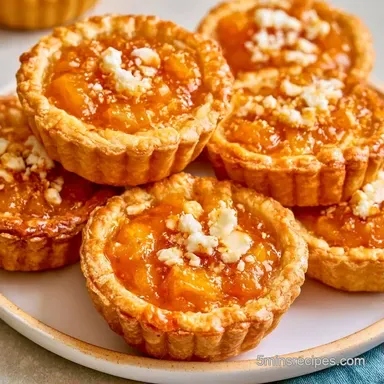
Puff Pastry Tarts with Fruit Jam
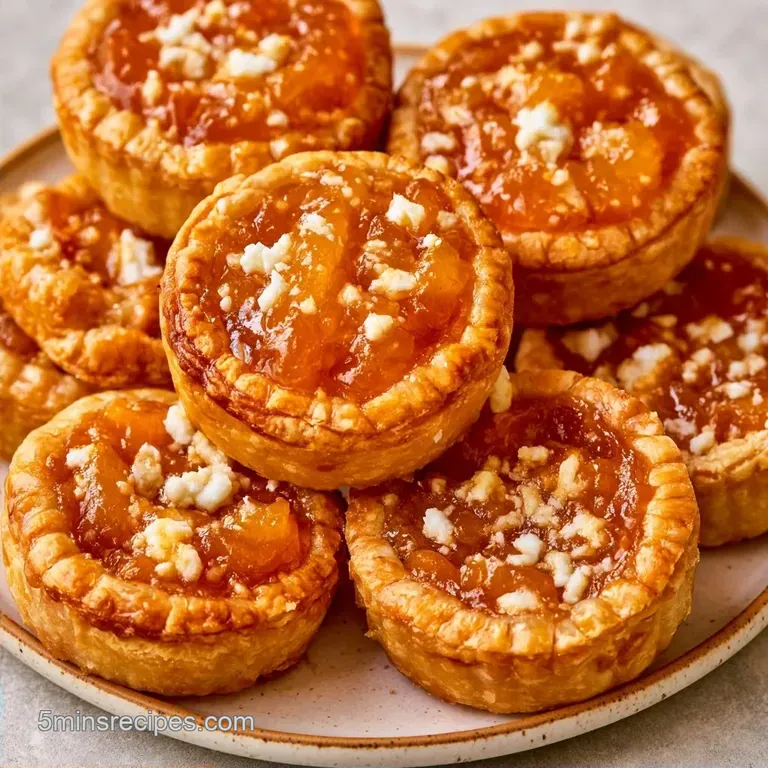
- Time: 15 min active + 25 min bake
- Flavor/Texture Hook: Shattering, buttery crust with a bold, concentrated center
- Perfect for: Impromptu party snacks or a fusion style brunch
- Why Puff Pastry Tarts Work
- Stuff for Your Puff Pastry Tarts
- Equipment Needed
- Assembling Your Puff Pastry Tarts
- Why This Recipe Works
- Puff Pastry Tarts Pitfalls
- Adjusting Your Batch Size
- Freezing and Reheating Guide
- Puff Pastry Tarts Variations
- Serving Your Puff Pastry Tarts
- Recipe FAQs
- 📝 Recipe Card
Listen, we've all been there. You buy that fancy frozen dough, spend time topping it with jam or cheese, and then slide it into the oven. You pull it out and the edges are burnt, but the center is a sad, raw puddle of dough that tastes like wet flour. It's a total mood killer when you're trying to impress people.
These Puff Pastry Tarts are the fix for that specific nightmare. Instead of letting the pastry sit and soak up moisture, we use a over high heat approach that forces the dough to rise before the filling can migrate. You get that mahogany color and a crunch that you can hear from across the room.
Right then, let's get into it. We're talking about a versatile base that works for both sweet and salty cravings. Whether you want a quick sugary bite or something with a bold, savory punch, this technique keeps the crust shattering and the centers concentrated.
Why Puff Pastry Tarts Work
The Cold Start: Cold butter is the engine here. When the frozen layers hit a 400°F oven, the water in the butter turns to steam instantly, pushing the dough layers up before they set.
The over High heat Blast: Cooking at a higher temperature ensures the exterior crisps and browns quickly. This seals the edges and prevents the filling from leaking into the base.
Concentrated Fillings: Using a small well prevents the filling from spreading. This keeps the weight in the center and allows the outer ring to puff up without being weighed down.
| Method | Time | Texture | Best For |
|---|---|---|---|
| Fast (Frozen) | 40 mins | Uniform, light | Quick snacks, parties |
| Classic (Homemade) | 4+ hours | Irregular, rich | Slow weekends, baking hobby |
Serious Eats' testing emphasizes that keeping puff pastry cold is the only way to ensure maximum lift, which is why the 10 minute fridge reset is non negotiable.
Stuff for Your Puff Pastry Tarts
| Component | Purpose | Substitute Notes |
|---|---|---|
| Puff Pastry (480g) | The buttery base | Rough puff works, but takes longer to rise |
| Egg (50g) | Golden brown shine | Whole milk works but gives less shine |
| Raw Sugar (25g) | Crunch and caramelization | Turbinado sugar for a bolder look |
| Fruit Jam (120ml) | Sweet center | Curd or preserves (strain chunks first) |
| Goat Cheese (60g) | Tangy savory base | Feta or cream cheese (saltier/milder) |
For the Pastry Base
- 1 sheet (480g) frozen puff pastry, thawed but chilled Why this? Frozen sheets provide consistent lamination for home cooks
- 1 large (50g) egg Why this? Protein creates the brown crust
- 1 tbsp (15ml) water Why this? Thins the egg for easier brushing
For the Sweet Filling (Puff Pastry Jam Tarts)
- 1/2 cup (120ml) fruit jam Why this? High sugar content creates a glossy finish
- 1/4 tsp (1g) lemon juice Why this? Cuts through the sugar for balance
- 2 tbsp (25g) raw sugar Why this? Adds a crystalline crunch to the edges
For the Savory Filling (Mini Puff Pastry Tarts Savoury)
- 1/4 cup (60g) goat cheese, crumbled Why this? Holds shape better than soft cheeses
- 2 tbsp (30ml) pesto Why this? Adds a bold, herbal punch
- 1 tsp (5g) fresh thyme, chopped Why this? Earthy aroma that complements the butter
Equipment Needed
While specialized gear isn't required, a few tools can streamline the process. For perfectly consistent sizes, a 2 inch round cutter is ideal, but a drinking glass is a great substitute. Use parchment paper to keep the dough from clinging to your work surface.
For applying the egg wash, grab a small offset spatula or a pastry brush.
If you're preparing a large quantity, use a big baking sheet to ensure the tarts aren't cramped. Providing enough space between them is key to achieving the proper lift.
Assembling Your Puff Pastry Tarts
Phase 1: Preparing the Cold Base
- Check the puff pastry. If it feels soft or tacky, put it in the fridge for 10 minutes. Note: Soft dough won't puff properly
- Roll the pastry slightly on parchment paper. Use a 2 inch round cutter to create 24 uniform circles.
- Place circles on a lined baking sheet. Leave 1 inch of space between each.
Phase 2: Filling and Finishing
- Press a well into the center of each circle using your thumb or a small spoon. Leave a raised border.
- Spoon 1 tsp of jam (mixed with lemon juice) or the savory mix (goat cheese, pesto, and thyme) into the center.
- Whisk the egg and water together. Brush the outer edges of the pastry.
- Sprinkle raw sugar onto the egg brushed edges for the sweet tarts.
Phase 3: The over High heat Bake
- Preheat oven to 400°F (200°C). Bake for 15–20 minutes until edges are deep mahogany and layers have lifted. You'll smell the sugar caramelizing and the butter toasting.
- Let the tarts sit on the pan for 5 minutes. This lets the bottom set so they don't collapse.
- Move them to a wire rack to cool completely.
Why This Recipe Works
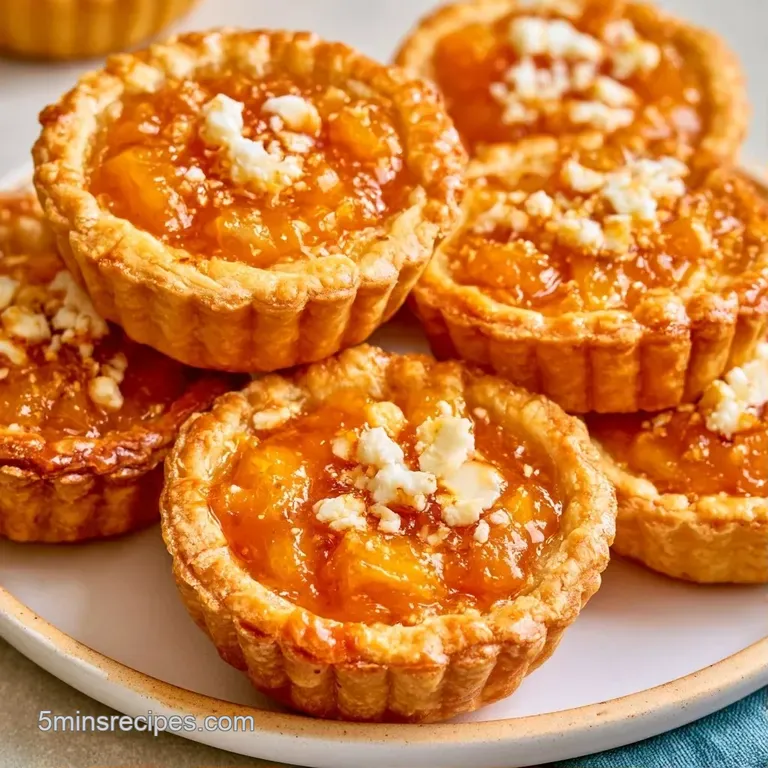
The real magic is the steam. Because the dough is cold, the moisture trapped in the butter layers expands violently in the heat. This creates those distinct, airy layers.
The egg wash acts as a glue for the raw sugar, creating a crust that's both sweet and salty. For the savory version, the goat cheese provides a creamy contrast to the shatteringly crisp pastry.
| For this goal: | Make this change: |
|---|---|
| Extra crunch | Add a second sprinkle of raw sugar after the first bake |
| More tartness | Increase lemon juice to 1/2 tsp |
| Savory kick | Add a pinch of cracked black pepper to the pesto |
The combination of fat from the pastry and acid from the lemon or goat cheese ensures the flavor isn't one dimensional.
Puff Pastry Tarts Pitfalls
One common issue is the "leaking jam" scenario. This usually happens if you overfill the center or use a jam that's too watery. If the jam boils over, it burns on the pan and creates a bitter smell. Use a thick preserve and keep the filling strictly within the border.
Another problem is the pastry not rising. This is almost always a temperature issue. If the dough is too warm, the butter melts before the steam can form, resulting in a flat, greasy tart. Always keep the dough chilled until the second it goes into the oven.
Fixing a Flat Crust
If your tarts didn't rise, the dough was likely too warm. Chill your baking sheet for 10 minutes before placing the dough on it next time.
Handling Runny Fillings
If the jam is too liquid, stir in a pinch of cornstarch. This thickens the center and prevents it from soaking into the base.
Preventing Over Browning
If the edges brown too fast, move the tray to the lower rack. This protects the tops while ensuring the bottoms cook through.
| Problem | Fix |
|---|---|
| Soggy bottom | Fill and bake immediately; do not let sit |
| Burnt sugar | Check oven temp with a thermometer |
| Leaking center | Reduce filling to exactly 1 tsp |
Adjusting Your Batch Size
To make a smaller batch of 6 tarts, use a quarter sheet of pastry. Maintain the same oven temperature, but start checking them at the 12-minute mark, as a less crowded tray typically cooks faster. For the egg wash, whisk one egg and use roughly a tablespoon.
When scaling up for a party (48+ tarts), work in batches. Placing too many trays in the oven simultaneously can cause the temperature to drop, ruining the steam effect. Bake just one or two trays at a time.
For the savory mix, only increase the salt or pesto to 1.5x the original ratio to ensure the butter isn't overpowered.
If you are doubling the recipe in a single large pan, adjust the heat to 375°F (190°C) and add 5-10 minutes to the baking time. This ensures the tarts in the center get enough heat to lift.
Freezing and Reheating Guide
Keep them in a container, separating layers with parchment paper. They remain good in the fridge for 2 days, though the crust will eventually soften.
For longer storage, freeze them on a tray before transferring them to a bag. They keep for about 2 months. Avoid the microwave when reheating to prevent a rubbery texture; instead, warm them for 5-8 minutes at 350°F (175°C) to bring back the shatter.
To minimize waste, twist any remaining pastry scraps into straws. Brush them with the leftover egg wash and bake them alongside the tarts for quick cheese straws.
Puff Pastry Tarts Variations
If you want to lean into a bolder, fusion vibe, try a Miso Maple glaze on the sweet version. Just whisk a teaspoon of white miso into your maple syrup and brush it on after baking. It adds a salty depth that makes the fruit pop.
For something more savory, I love using a dollop of sriracha honey mixed with the goat cheese. It gives a spicy sweet kick that's great for appetizers. If you're looking for other ideas, you could try Puff Pastry Tomato Tarts for a fresh, summer feel.
Another great option is the Jam Puff Pastry Tarts approach, where you use different fruit preserves for a colorful platter. You can even add a tiny piece of fresh mint or a raspberry on top of the jam right before serving for a cleaner look.
Serving Your Puff Pastry Tarts
For the sweet variety, serve them warm with a light dusting of powdered sugar. They make a lovely addition to a dessert platter with fresh berries and whipped cream on the side. The cream melts slightly against the warm tart, offering a wonderful contrast.
The savory versions are an excellent choice for brunch. Pair them with a zesty arugula salad dressed with lemon and olive oil; the peppery greens balance the richness of the buttery pastry.
When presenting these for a crowd, arrange them on a wooden board. Group the sweet and savory tarts separately to avoid any confusion for your guests. Since these are bite sized, they're ideal for grazing, so keep extra napkins nearby to clean up the flaky crumbs.
Recipe FAQs
Is it true that puff pastry must be pre-baked before adding filling?
That's a myth. Adding filling to raw dough and baking them together allows the pastry to rise properly around the center.
Why does my pastry have a soggy bottom?
This usually happens when the oven temperature is too low or there is too much filling. Bake at 400°F to ensure the dough sets quickly before moisture seeps in.
Can I substitute puff pastry for shortcrust pastry?
It is possible, but you will sacrifice those characteristic airy layers. If you liked controlling the dough temperature for this bake, try applying a similar technique to our blueberry cream cheese tarts.
How do I keep the dough from shrinking?
Keep the dough chilled until the moment it goes into the oven. Refrigerate it for 10 minutes if it feels soft to maintain the structure.
Does using conserve instead of jam work?
Yes, conserve works perfectly since it has a similar consistency. Just ensure you keep the amount to 1 tsp per tart to prevent leaking.
Easy Puff Pastry Tarts