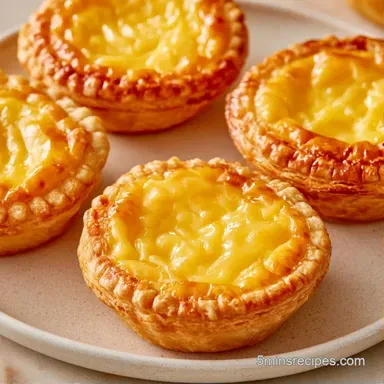
Caramelized Puff Pastry Egg Tarts
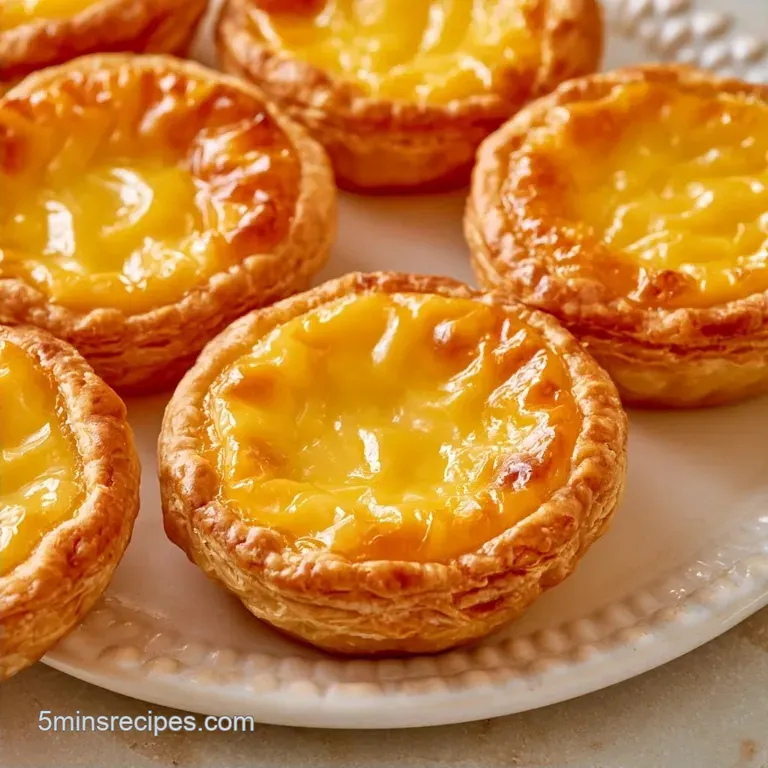
- Time: 15 min active + 25 min baking
- Flavor/Texture Hook: Buttery, flaky crust with mahogany colored caramelized custard
- Perfect for: Weekend brunch or a bold fusion snack
Making Better Puff Pastry Egg Tarts
The aroma of toasted butter and caramelized sugar fills the air the moment these leave the oven. I recall a small autumn party where my first attempt failed miserably the bases stayed doughy and the custard resembled scrambled eggs.
That experience showed me that mastering these tarts requires a precise balance of temperature and contrasting textures.
These have become my favorite for when I need a sophisticated treat without the all-day commitment. They land perfectly between a Chinese egg tart and a Portuguese Pastel de Nata, pairing a rich, scorched topping with a crust that melts away instantly.
Using frozen puff pastry is the ultimate shortcut, giving you professional results without the grueling process of laminating dough by hand. I now prioritize those charred spots on top to achieve a true bakery style depth. Believe me, the darker the caramelization, the richer the flavor.
Why the Texture Works
The Strainer Step: Running the liquid through a mesh sieve removes egg strings and bubbles. This results in a smooth, dense custard instead of a spongy cake.
The Butter Barrier: Brushing melted butter on the raw pastry creates a fat seal. It stops the custard from soaking into the dough, which prevents the dreaded soggy bottom.
The high oven temp of 400°F (200°C) forces the pastry to rise rapidly while scorching the top of the eggs. This creates a contrast between the cold ish center and the hot, crisp edges.
| Method | Time | Texture | Best For |
|---|---|---|---|
| Frozen Puff Pastry | 40 mins | Shattering & Airy | Quick snacks |
| Handmade Laminated | 3 days | Dense & Flaky | Slow weekends |
| Shortcrust Pastry | 60 mins | Crumbly & Sandy | Traditional tarts |
Shopping List Breakdown
I suggest a high fat frozen pastry, such as Pepperidge Farm, to achieve the best rise. When making the custard, skip the low-fat milk; you need that fat for a rich, fusion inspired mouthfeel.
| Ingredient | Role | If You Don't Have It |
|---|---|---|
| Puff Pastry | Structural base | Phyllo dough (will be thinner) |
| Heavy Cream | Richness/Fat | Full fat coconut milk (adds coconut flavor) |
| Large Eggs | Binding/Setting | 3/4 cup silken tofu + cornstarch (vegan alt) |
| Granulated Sugar | Sweetness/Browning | Maple syrup (reduces milk amount by 1 tbsp) |
The Full List:
- 1 sheet (255g) frozen puff pastry, thawedWhy this? Instant layers without the hard work
- 1 tbsp (15g) melted butterWhy this? Acts as a moisture shield
- 3 large (150g) eggs, room temperatureWhy this? Mixes more easily with cream
- 1/2 cup (120ml) heavy creamWhy this? Key to a lush consistency
- 1/2 cup (120ml) whole milkWhy this? Keeps the texture light
- 1/3 cup (65g) granulated sugarWhy this? Browns perfectly under heat
- 1 tsp (5ml) vanilla extractWhy this? Neutralizes the egginess
- 1 pinch (1g) saltWhy this? Contrasts the sugar
If you have a leftover pastry sheet, my mushroom tarts recipe is a fantastic savory option.
The Right Gear
While a professional kitchen isn't necessary, these specific tools will make the process much easier. Stick with a standard 12-cup muffin tin; avoid using a tart pan, as you'll lose the side wall support that allows the pastry to climb.
I also suggest using a 3 inch circular cutter, though a wide mouth drinking glass is a perfectly good substitute. The most essential tool, however, is a fine mesh strainer. Skipping this step is how you end up with small white egg bits in your custard.
Lastly, use a small pastry brush. Applying butter with a spoon is messy and often leaves uneven gaps, but a brush ensures a thin, consistent layer of fat to protect the dough.
Step by step Process
Phase 1: Preparing the Crust
- Lightly roll out the thawed puff pastry. Use a 3 inch circular cutter to stamp out 12 rounds. Carefully press each round into the cups of a standard 12 cup muffin tin, pushing the dough up the sides.
- Use a fork to prick the bottom of each pastry shell. Note: This "docking" keeps the base flat so the custard doesn't slide.
- Brush the interior of each shell with melted butter.
Phase 2: Crafting the Custard
- In a mixing bowl, gently whisk the eggs and sugar together. Note: Avoid whipping air into the mix to prevent bubbles.
- Stir in the heavy cream, whole milk, vanilla extract, and salt until the mixture is smooth.
- Pour the custard through a fine mesh strainer into a clean bowl. Note: This removes the chalazae and undissolved sugar for a silky finish.
Phase 3: The High Heat Bake
- Pour the strained custard into the pastry shells, filling them approximately 3/4 of the way to the top.
- Bake at 400°F (200°C) for 20–25 minutes until the pastry edges are deep golden brown and the custard tops have developed mahogany colored caramelized spots.
Now, let the tarts cool in the tin for about 5 minutes before moving them. If you pull them out too soon, the custard might still be a bit too wobbly.
The One Thing That Changes Everything
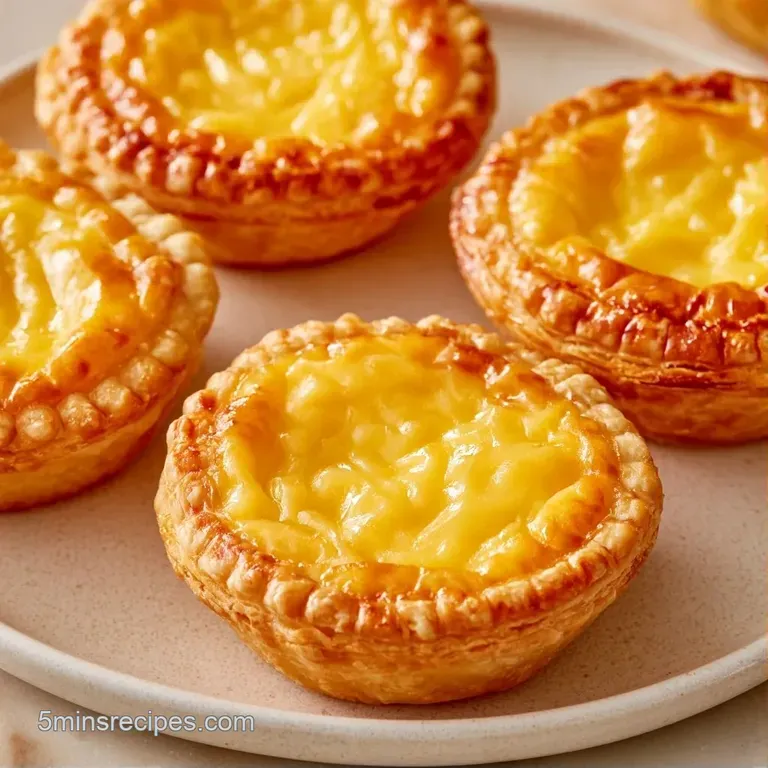
The most important part of this recipe isn't the ingredients, but the temperature management. Most people bake tarts at 325°F or 350°F, but that's a mistake. At lower temps, the pastry takes too long to puff, and the custard overcooks before the crust is crisp.
By cranking it to 400°F, you trigger a rapid steam release in the pastry layers. This is what gives the tarts that shattering, light as-air edge. The heat also causes the proteins and sugars on the surface to brown quickly, creating a rich flavor contrast.
If you're into these kinds of textures, you might also like my apple puff tarts, which use a similar over high heat logic.
Fixing Common Issues
If the custard looks like it's curdling, it's usually because the oven is running too hot or you left them in too long. You want a slight jiggle in the center when you pull them out. The carryover heat finishes the cooking process on the counter.
Another common issue is the "soggy bottom." This happens if the pastry wasn't docked or if you didn't use the butter barrier. The butter acts as a waterproof coat, keeping the custard from soaking into the dough.
Custard Turned Grainy
This happens when the eggs overcook and the proteins tighten too much. Use an oven thermometer to ensure your 400°F is accurate.
Pastry Didn't Rise
If the crust is flat, your pastry was likely too warm before it hit the oven. Keep the dough chilled until the last possible second.
Tops Are Too Pale
Your oven might be heating from the bottom only. Try moving the rack to the upper third of the oven for the last 5 minutes.
| Problem | Fix |
|---|---|
| Curdled custard | Remove tarts while center still jiggles |
| Soggy pastry base | Brush interior with butter and dock with fork |
| Flat crust | Chill pastry sheets before cutting |
Adjusting the Batch Size
If you're making a half batch of these Puff Pastry Egg Tarts, the eggs can be a bit tricky. Since the recipe calls for 3, whisk one egg and measure out half by volume or weight. Use a smaller muffin tin or simply fill 6 cups, but keep a close eye on the oven.
The baking time typically drops by about 20% (around 18-20 minutes).
For a double batch, avoid the temptation to cram everything into the oven at once. Overcrowding with two trays blocks the airflow, which prevents the pastry from rising. It is better to work in batches. Also, only increase the salt and vanilla to 1.5x rather than 2x to keep the flavors balanced.
| Goal | What to change |
|---|---|
| Smaller Batch | Measure half eggs by weight; cut bake time by 20% |
| Crowd Sized | Bake in rounds; 1.5x the salt and vanilla only |
| Vegan Version | Replace dairy with coconut milk; use silken tofu or starch |
Keeping It Fresh
While these are tastiest within 2 hours of coming out of the oven, they can be saved. Place any remaining tarts in an airtight container lined with a paper towel to keep them from getting damp. They will last for 2 days in the refrigerator.
Once fully cooled, you can freeze them. Individually wrap each piece in parchment and place them inside a freezer safe bag for up to 1 month.
Avoid the microwave if you want to bring back the crunch, as it often makes the pastry rubbery. Instead, heat them in a 350°F (175°C) oven for 5 minutes. This refreshes the buttery crust and warms the filling without overcooking the eggs.
To minimize waste, save your pastry trimmings. Collect the remaining rings, shape them into small discs, and bake them topped with cinnamon sugar for a simple treat.
Ways to Twist It
For a savory alternative, these work wonderfully as a Puff Pastry Egg Quiche. Simply leave out the sugar and vanilla, and stir in a pinch of dried thyme and 1/4 cup of grated Gruyère cheese. The result is a bold, salty snack ideal for a fast lunch.
To capture an authentic Portuguese essence, swap the whole milk for evaporated milk. This increases the solids in the custard, giving it a denser, creamier consistency rather than an "eggy" one. A pinch of cinnamon added to the custard mix is also recommended.
Alternatively, try placing a thin banana slice or a dollop of jam in the bottom of the crust before pouring in the liquid. This adds a layered dimension, making the dessert more complex than a traditional egg tart.
The Best Pairings
A strong, bitter drink is the best way to cut through the richness of these tarts. A double espresso or a dark roast coffee is the classic choice. The bitterness of the coffee balances the caramelized sugar on top.
If you're serving these for a brunch party, pair them with a fresh berry salad. The acidity from raspberries or blueberries cleanses the palate between bites.
Alternatively, serve them with a dollop of unsweetened whipped cream on the side. This adds a light, airy contrast to the dense, velvety custard. Just make sure the cream is cold to contrast with the warm tart.
The USDA FoodData Central suggests that egg based desserts are high in protein and fats, so keeping the sides light and fresh is a smart move for a balanced plate.
Recipe FAQs
Can I use puff pastry for egg tarts?
Yes, it works perfectly. Puff pastry provides a flaky, buttery contrast to the smooth custard filling.
How to make tarts using puff pastry?
Roll out the thawed puff pastry slightly. Use a 3 inch cutter to stamp 12 rounds and press them into a muffin tin.
Should I bake the crust before adding the custard?
No, bake them together. The pastry and custard reach the ideal consistency simultaneously at 400°F (200°C) over 20 25 minutes.
What mistakes cause air bubbles in the filling?
Whisking too vigorously incorporates excess air. Gently combine the eggs and sugar to ensure a smooth, professional texture.
Is it true that you must blind bake puff pastry to avoid a soggy bottom?
This one's false: Pricking the base with a fork and brushing it with melted butter creates an effective moisture barrier.
Which pastry handling errors should be avoided?
Avoid letting the dough get too warm. If the butter melts before it hits the oven, you will lose the characteristic flaky layers.
Why use a strainer for the custard?
It removes chalazae and undissolved sugar. Passing the mixture through a fine mesh strainer guarantees a silky, homogenous mouthfeel.
Are there other ways to use these pastry sheets?
Yes, they are excellent for savory snacks. If you enjoyed working with this dough, see how the same principle works in sausage roll filling.
Puff Pastry Egg Tarts